
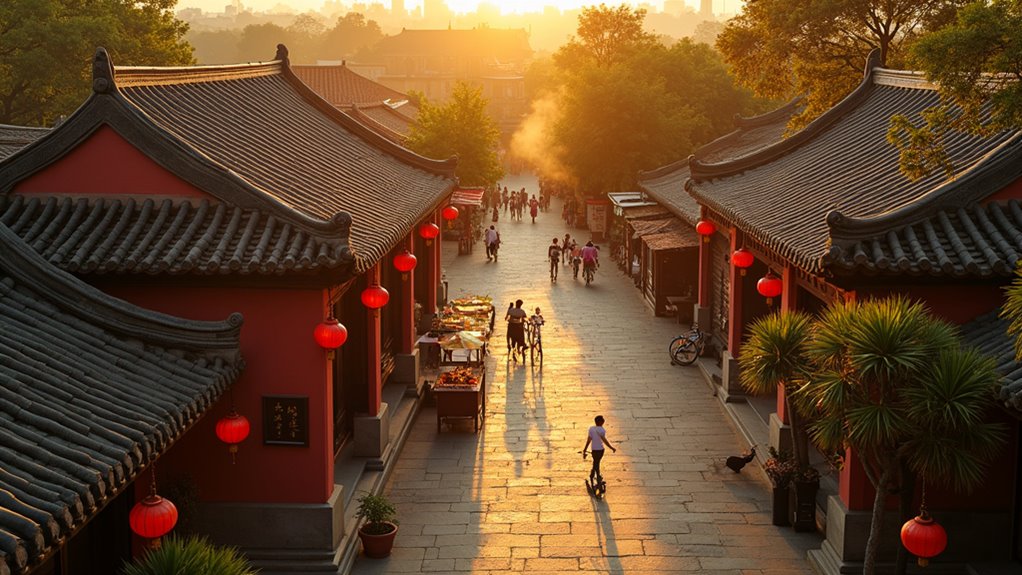
Taiwan’s oldest city offers travelers an authentic glimpse into the island’s rich heritage without breaking the bank. Tainan’s narrow alleyways hide centuries-old temples, while its bustling night markets serve up affordable local delicacies that locals have perfected over generations. Visitors can explore Dutch colonial ruins, soak in natural hot springs, and navigate mystical mangrove tunnels. Each experience reveals layers of history that most travelers miss, making Tainan a destination where culture comes naturally and memories form unexpectedly.
- Explore Chihkan Tower and Its Dutch Colonial Legacy
- Pay Your Respects at Taiwan’s First Confucius Temple
- Wander Through the Atmospheric Anping Tree House
- Sample Street Food at Garden Night Market
- Take a Boat Through Sicao Green Tunnel’s Mangrove Forest
- Discover Art and Culture at Chimei Museum
- Stroll Down Historic Shennong Street
- Visit Anping Old Fort for Coastal Views and History
- Soak in the Therapeutic Mud at Guanziling Hot Springs
- Experience Local Faith at Tainan Grand Mazu Temple
Explore Chihkan Tower and Its Dutch Colonial Legacy
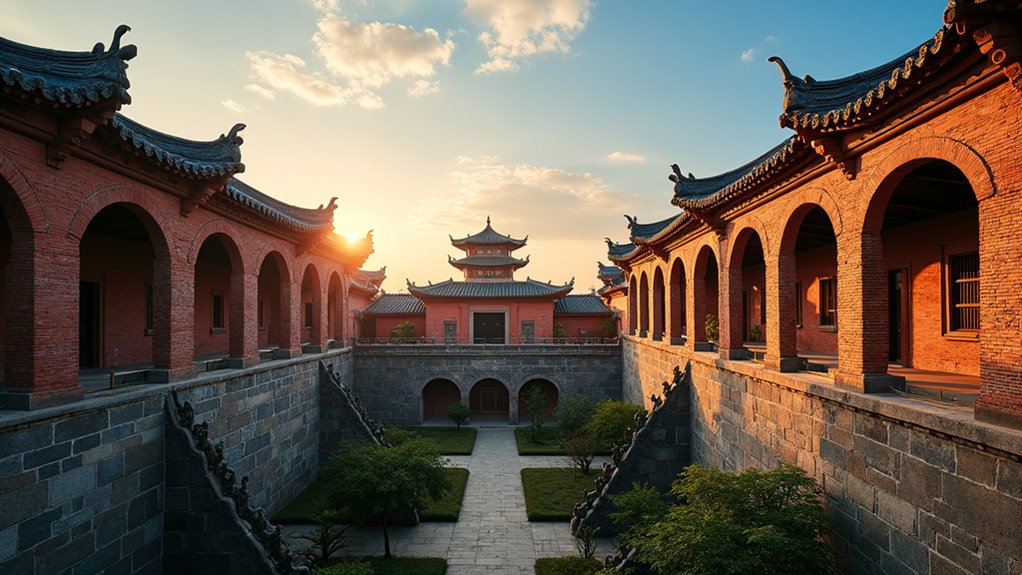
When travelers step into Chihkan Tower, they’re walking through Taiwan’s most significant Dutch colonial landmark, where 370 years of history unfolds without requiring an expensive guided tour.
Built in the 1650s as Tainan’s administrative center, this fortress offers authentic glimpses into Taiwan’s complex colonial past through its preserved architecture and historic statues, including those of Koxinga, the Ming loyalist who expelled the Dutch.
Visitors can climb the viewing deck for panoramic city views while absorbing the cultural significance of this pivotal site.
The self-guided experience costs minimal entrance fees, making it perfect for budget travelers.
Plan visits during cooler morning or late afternoon hours to avoid crowds and heat while fully appreciating the tower’s architectural details and historical importance.
Pay Your Respects at Taiwan’s First Confucius Temple
Since Taiwan’s oldest Confucius temple sits just a short walk from Chihkan Tower, visitors can easily combine both historical sites in a single morning while experiencing the island’s deepest cultural roots.
The Tainan Confucius Temple represents Taiwan’s educational heritage, showcasing traditional Chinese architecture without modern distractions. Visitors enter free of charge and discover peaceful courtyards, intricate wooden carvings, and ceremonial halls where scholars once gathered.
The temple’s design follows classical Confucian principles, featuring no bright colors or ornate decorations—instead emphasizing harmony and scholarly contemplation.
Early morning visits offer the most authentic experience, when locals burn incense and students pray for academic success.
The site’s cultural significance extends beyond tourism, serving as Taiwan’s educational foundation.
Photography enthusiasts appreciate the temple’s geometric patterns and traditional rooflines against Tainan’s urban backdrop.
Wander Through the Atmospheric Anping Tree House
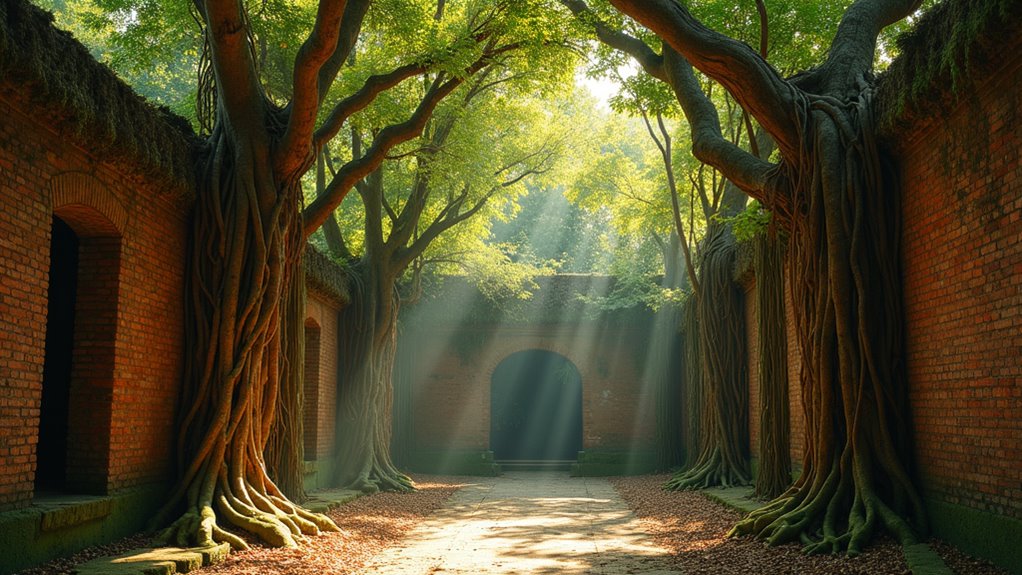
Although nature and history rarely merge as dramatically as they do at Anping Tree House, this former warehouse complex offers one of Tainan’s most photographically stunning experiences at no cost to visitors. Massive banyan roots have completely engulfed the colonial-era buildings, creating an otherworldly maze where walls disappear beneath twisted vines and sunlight filters through green canopies.
Visitors can explore the wooden walkways that weave through the overgrown structures, providing safe passage while preserving the delicate ecosystem. The site tells Taiwan’s commercial history—these warehouses once stored goods during Japanese rule.
Today, they’re a living art installation where decay becomes beauty. Plan your visit during golden hour for the best lighting, and wear comfortable shoes for traversing the elevated pathways through this haunting botanical wonderland.
Sample Street Food at Garden Night Market
Every Thursday, Saturday, and Sunday evening, Garden Night Market transforms into Tainan’s most vibrant culinary playground, where dozens of food stalls serve authentic local specialties at budget-friendly prices.
Visitors can sample dan zai noodles, a signature Tainan dish featuring thin noodles in savory broth, or try crispy oyster omelets loaded with fresh seafood. Sweet treats like mango shaved ice provide the perfect ending to any food adventure.
The market’s casual atmosphere encourages exploration—most dishes cost under $3, making it easy to try multiple specialties without breaking the bank.
Locals often queue at the busiest stalls, which typically indicates the freshest, most authentic flavors.
Arriving hungry around 7 PM ensures the widest selection before popular items sell out.
Take a Boat Through Sicao Green Tunnel’s Mangrove Forest

When visitors glide through Sicao Green Tunnel‘s ancient mangrove waterways, they’ll discover one of Taiwan’s most enchanting natural refuges just minutes from Tainan’s bustling center.
These boat tours navigate beneath towering banyan trees whose intertwined branches create a mystical green canopy overhead. The 30-minute journey costs around NT$200 per person and operates daily, though morning trips offer cooler temperatures and better wildlife spotting opportunities.
Local guides share stories about the area’s ecological importance while pointing out resident birds and crabs. The mangrove ecosystem serves as a natural barrier against coastal erosion, making this both an educational and scenic experience.
Visitors should bring mosquito repellent and wear comfortable clothing. The tunnel’s ethereal atmosphere provides excellent photography opportunities, especially when sunlight filters through the dense foliage above.
Discover Art and Culture at Chimei Museum
Art enthusiasts will find Taiwan’s most extensive private museum at Chimei Museum, where Western masterpieces, antique musical instruments, and historical weaponry create an unexpectedly world-class cultural experience.
Founded by the Chi Mei Group, this all-encompassing collection rivals international museums at a fraction of the cost. Visitors can explore European paintings, rare violins, and ancient armor across multiple galleries.
The museum’s highlight includes authentic works by renowned Western artists alongside Taiwan’s largest collection of historical instruments. Budget-conscious travelers appreciate the reasonable admission fees compared to similar museums worldwide.
Plan at least three hours to properly explore the extensive exhibits. The museum provides English descriptions throughout, making it accessible for international visitors seeking deep culture without leaving Taiwan.
Stroll Down Historic Shennong Street
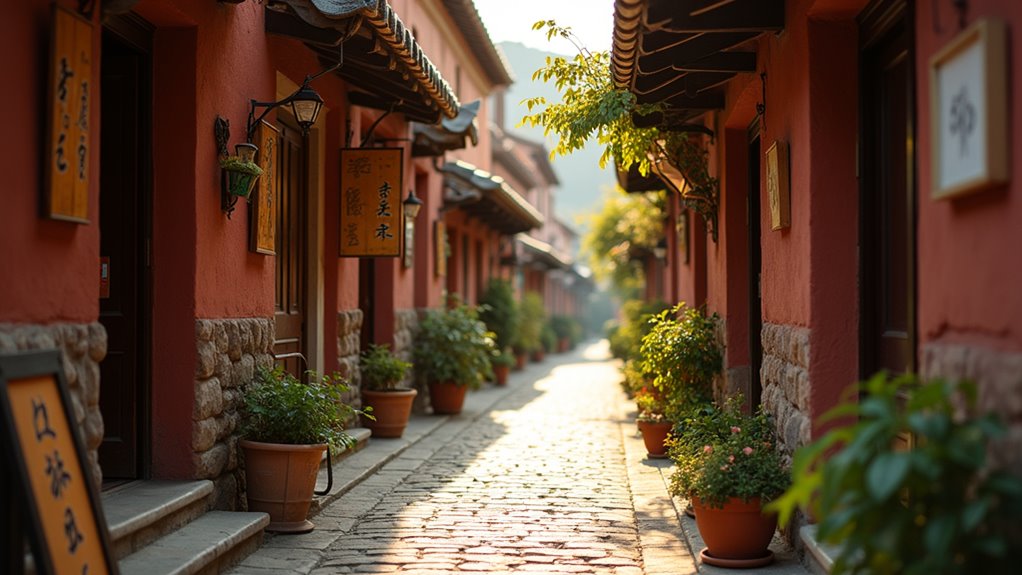
Once a bustling merchant quarter during the Qing dynasty, Shennong Street now offers travelers an authentic glimpse into Taiwan’s commercial past without the crowds of major tourist sites. The narrow lane preserves traditional architecture while housing modern cafes, bars, and artisan shops that won’t break the budget.
Visitors can explore restored merchant houses showcasing original Qing dynasty features like wooden facades and traditional courtyards. Local craftspeople sell handmade goods at reasonable prices, making it perfect for affordable souvenirs. The street’s atmospheric lighting creates excellent photo opportunities, especially during golden hour.
Plan to spend 2-3 hours wandering between historical exhibits and contemporary venues. Most shops open after 2 PM, with evening hours offering the liveliest atmosphere when locals gather at street-side cafes.
Visit Anping Old Fort for Coastal Views and History
Perched on Tainan’s western coastline, Anping Old Fort stands as Taiwan’s most significant Dutch colonial landmark, offering visitors both sweeping harbor views and centuries of layered history at minimal cost.
Originally built as Fort Zeelandia in the 1620s, this strategic stronghold witnessed Dutch rule, Koxinga’s resistance, and Taiwan’s evolving identity.
The modest entrance fee grants access to preserved foundations, historical exhibits, and an observation deck overlooking Anping Canal.
Visitors can explore remnants of colonial walls while learning about maritime trade that shaped Taiwan’s development.
The fort’s elevated position provides excellent photo opportunities of traditional fishing boats and modern harbor activity.
Plan your visit during golden hour for ideal coastal lighting, and combine it with nearby Anping Old Street for authentic local snacks and souvenirs.
Soak in the Therapeutic Mud at Guanziling Hot Springs
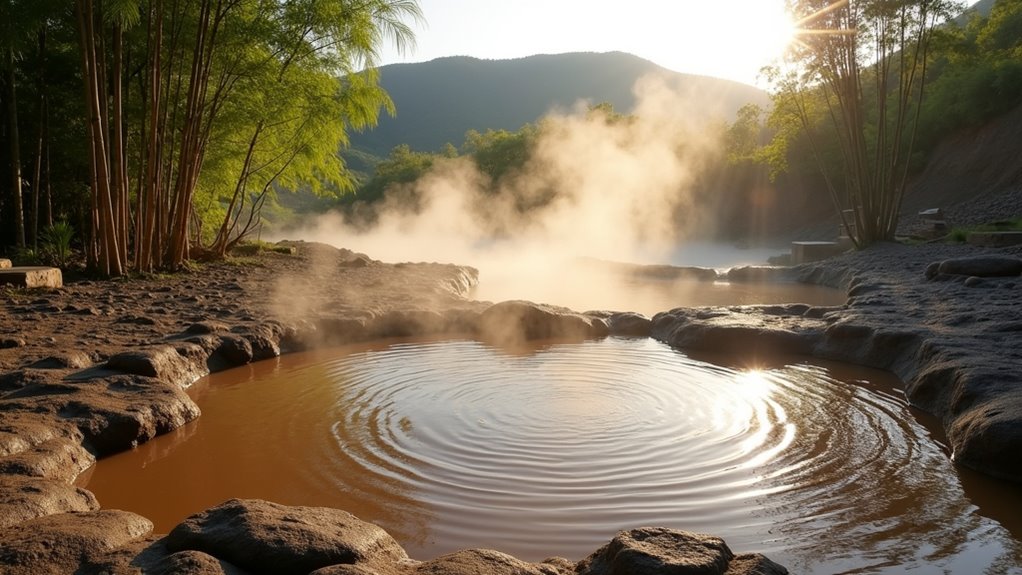
While most hot springs offer clear mineral water, Guanziling presents Taiwan’s rare mud hot springs experience. Visitors can enjoy therapeutic gray mud baths that locals have trusted for centuries to heal skin conditions and joint pain.
Located southwest of Tainan’s city center, these unique geothermal springs contain sulfur-rich mud that’s perfect for affordable wellness tourism. Budget travelers can access public facilities for under $10, while upscale resorts offer private mud bath packages.
The springs maintain year-round temperatures of 75°C, creating a naturally heated spa environment. Visitors should plan 2-3 hours for the full experience, including cooling periods between soaks.
Local vendors sell medicinal mud products, making perfect souvenirs that capture Guanziling’s healing traditions.
Experience Local Faith at Tainan Grand Mazu Temple
After experiencing Tainan’s natural healing traditions, visitors can explore the city’s spiritual heart at Tainan Grand Mazu Temple, where centuries of local faith come alive through daily rituals and colorful ceremonies.
This temple dedicated to Matsu, the sea goddess, sits prominently in the city center and offers travelers an authentic glimpse into Taiwan’s religious practices without any admission fees.
Visitors can witness locals burning incense, making offerings, and seeking blessings from the protective deity who’s watched over Taiwan’s maritime communities for generations.
The temple’s ornate architecture features intricate carvings and vibrant decorations that tell stories of seafaring folklore.
Early morning visits provide the most peaceful experience, while evening hours showcase the temple’s dramatic lighting.
Respectful observation of prayer rituals offers meaningful cultural insight into Tainan’s enduring spiritual traditions.