
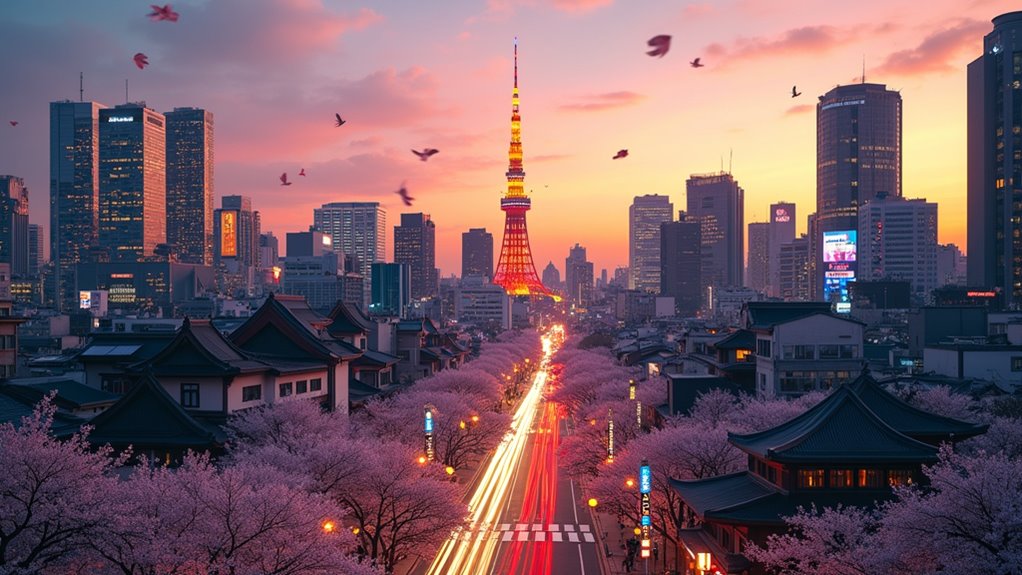
Tokyo presents travelers with an overwhelming menu of experiences that range from free temple visits to premium observatory tickets. Smart visitors know that the city’s most memorable moments don’t always come with hefty price tags—whether they’re watching sunrise auctions at Tsukiji Market or hunting for affordable vintage finds in Nakameguro’s side streets. The challenge isn’t finding things to do; it’s identifying which activities deliver the most authentic experiences without draining one’s travel budget.
- Experience Traditional Japan at Meiji Shrine
- Catch Sunrise at Tsukiji Market for the Freshest Sushi
- Get Lost in Akihabara’s Electric Anime and Gaming World
- Take in Tokyo’s Best Views From Shibuya Sky Observatory
- Learn Ancient Japanese Art at a Kintsugi Pottery Workshop
- Navigate the Organized Chaos of Shibuya Crossing
- Escape to Shinjuku Gyoen’s Imperial Gardens
- Discover Tokyo’s Bohemian Side in Koenji
- Race Go-Karts Through City Streets in Mario Costumes
- Journey to Kamakura’s Giant Buddha
- Pray at Tokyo’s Oldest Temple, Senso-ji
- Hunt for Vintage Treasures in Nakameguro
- Master Traditional Taiko Drumming
- Explore Studio Ghibli’s Magical World
- Hike Mount Mitsutoge for Epic Mount Fuji Views
Experience Traditional Japan at Meiji Shrine
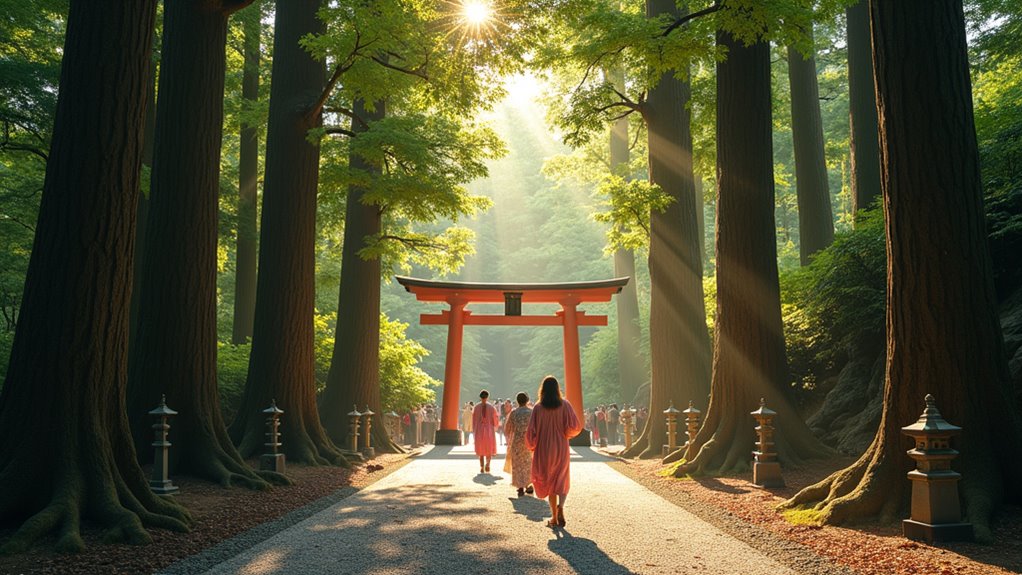
While Tokyo’s neon-lit streets capture headlines, Meiji Shrine offers travelers an authentic glimpse into Japan’s spiritual heart without spending a yen on admission. This major Shinto shrine sits surrounded by peaceful forested paths that transport visitors from urban chaos to tranquil reverence within minutes.
Travelers often spot locals and travelers dressed in traditional kimono, creating perfect people-watching opportunities and photo backdrops. The shrine’s towering wooden gates and gravel pathways provide an ideal setting for experiencing Japan’s spiritual traditions firsthand.
Smart visitors arrive early morning to avoid crowds and witness daily rituals in their most authentic form. The surrounding forest creates a natural buffer from city noise, making this free cultural experience one of Tokyo’s most accessible yet profound traditional encounters.
Catch Sunrise at Tsukiji Market for the Freshest Sushi
Before dawn breaks over Tokyo, Tsukiji Market buzzes with auctioneers shouting bids and vendors arranging the day’s catch into perfect rows of glistening seafood.
Visitors who arrive by 5 AM witness the world’s largest wholesale fish market in full swing, where restaurant owners select premium ingredients for their daily menus.
The market’s outer area houses legendary sushi restaurants that serve incredibly fresh fish at surprisingly reasonable prices.
Popular spots like Daiwa Sushi and Joyato attract long queues, but the wait’s worth it for melt-in-your-mouth tuna and seasonal specialties.
Budget-conscious travelers can enjoy exceptional sushi breakfasts starting around ¥2,000.
After eating, visitors can explore the surrounding stalls selling dried goods, kitchen tools, and street food, making it a complete cultural experience.
Get Lost in Akihabara’s Electric Anime and Gaming World
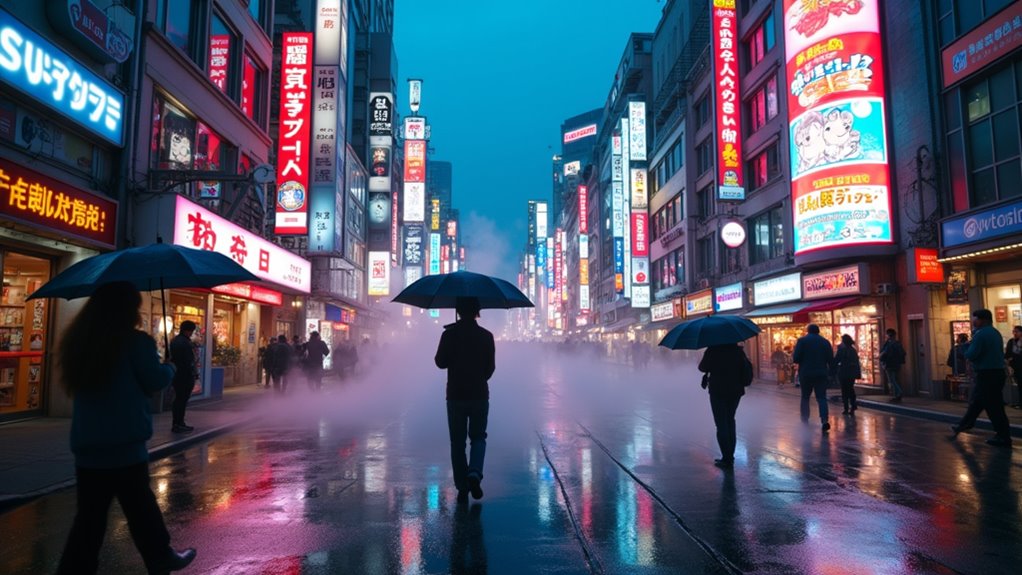
Where else can visitors find seven-story buildings packed with anime figurines, vintage arcade games, and cafes staffed by costumed maids? Akihabara District serves as Tokyo’s electric heart for anime, manga, and gaming culture.
Budget-conscious travelers can spend hours browsing floors of electronics, collectibles, and rare gaming merchandise without spending a yen. Multi-level arcades offer classic games alongside modern pachinko machines, while maid cafes provide quirky entertainment experiences.
The district’s neon-lit streets buzz with energy from morning until late evening. Visitors shouldn’t miss exploring the massive electronic stores where they’ll discover everything from retro consoles to cutting-edge gadgets.
Akihabara delivers an authentic glimpse into Japan’s pop culture obsessions, making it essential for anyone seeking Tokyo’s unique subculture scene.
Take in Tokyo’s Best Views From Shibuya Sky Observatory
Since opening in 2019, Shibuya Sky has transformed Tokyo’s skyline viewing experience with its open-air observation deck perched 228 meters above the city’s most famous intersection.
Visitors can enjoy unobstructed 360-degree views of the sprawling metropolis, including the iconic Shibuya Crossing far below and nearby Yoyogi Park’s greenery.
On clear days, Mount Fuji emerges majestically on the horizon, making the experience even more memorable.
The observatory’s transparent design creates an immersive feeling of floating above Tokyo’s urban landscape.
Tickets cost around ¥2,000 for adults, making it pricier than free alternatives like Tokyo Metropolitan Government Building.
However, the outdoor platform and prime location justify the expense for photographers and those seeking Instagram-worthy shots of Japan’s capital.
Learn Ancient Japanese Art at a Kintsugi Pottery Workshop

While most travelers rush between Tokyo’s famous landmarks, travelers seeking authentic cultural experiences can discover the meditative art of kintsugi through hands-on pottery workshops scattered throughout the city. This traditional Japanese technique repairs broken pottery with lacquer mixed with gold, transforming damage into beauty rather rather than hiding flaws.
Workshop sessions typically last two to three hours and cost between ¥3,000-¥8,000. Participants learn the philosophy behind kintsugi while practicing on pre-broken ceramic pieces. Instructors guide students through mixing materials and applying golden repairs with precision brushes.
Many workshops operate in neighborhoods like Shibuya, Harajuku, and Asakusa, making them easy to incorporate into sightseeing itineraries. Travelers leave with completed pieces and a deeper understanding of Japanese aesthetics emphasizing resilience and imperfection’s beauty.
Navigate the Organized Chaos of Shibuya Crossing
Every day, approximately 3,000 people cross Shibuya’s famous intersection during each light cycle, creating one of Tokyo’s most mesmerizing urban spectacles that costs nothing to experience. Visitors should position themselves at the second-floor Starbucks overlooking the crossing for the best aerial view, or stand directly in the chaos to feel the energy firsthand.
The crossing operates like clockwork—pedestrians flood from all directions when lights change, yet collisions rarely occur. Smart travelers visit during rush hours (8-9 AM or 6-8 PM) for maximum crowd density.
The surrounding area offers excellent shopping, dining, and nightlife options within walking distance. This bustling intersection perfectly captures Tokyo’s organized efficiency and urban intensity, making it essential viewing for understanding the city’s rhythm.
Escape to Shinjuku Gyoen’s Imperial Gardens
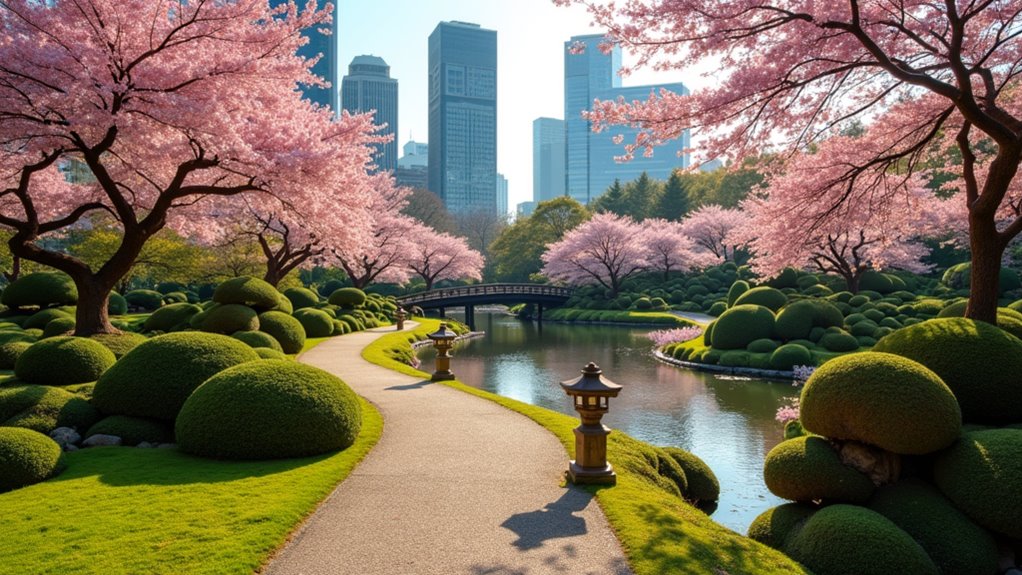
Though surrounded by Tokyo’s relentless urban energy, Shinjuku Gyoen National Garden offers visitors a tranquil 144-acre retreat that costs only ¥500 for adults to enter. This former imperial garden features three distinct landscape styles: traditional Japanese, English landscape, and French formal gardens.
Visitors can explore winding paths through carefully maintained lawns, ponds, and seasonal flower displays. Cherry blossom season transforms the grounds into Tokyo’s premier hanami destination, while autumn brings spectacular maple foliage. The garden’s greenhouse showcases tropical plants year-round.
Strategic benches provide rest spots for contemplating the scenery. Tea houses serve traditional refreshments, though bringing a packed lunch isn’t permitted. The garden closes at 4:30 PM, making morning visits ideal for avoiding crowds and capturing the best light for photography.
Discover Tokyo’s Bohemian Side in Koenji
From manicured imperial gardens, Tokyo’s creative spirit flourishes in the gritty streets of Koenji, where bohemian culture thrives amid vintage shops, underground music venues, and hole-in-the-wall eateries.
This counterculture neighborhood attracts artists, musicians, and budget travelers seeking authentic Tokyo experiences without Shibuya’s tourist crowds.
Treasure hunters browse secondhand clothing stores and record shops along narrow alleyways, discovering unique finds at reasonable prices.
Local izakayas serve affordable drinks and comfort food, while intimate live houses showcase emerging bands and experimental performances.
The area’s relaxed atmosphere contrasts sharply with Tokyo’s corporate districts.
Visitors can spend hours wandering Koenji’s maze-like streets, stumbling upon independent bookstores, quirky cafes, and street art.
It’s Tokyo’s most accessible bohemian enclave, offering genuine local culture without breaking budgets.
Race Go-Karts Through City Streets in Mario Costumes
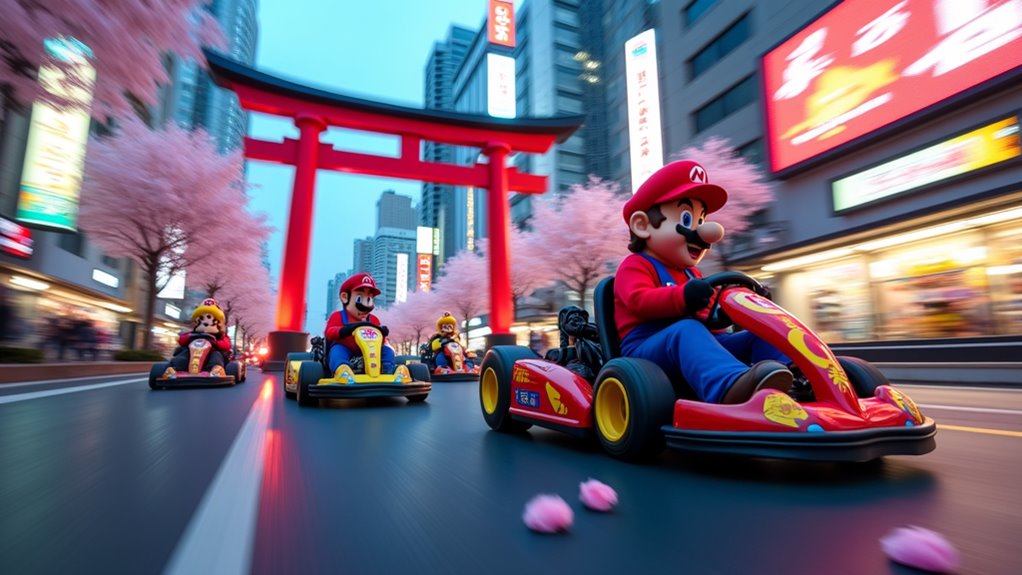
While Tokyo’s streets might seem chaotic to newcomers, they transform into the ultimate racing circuit when experienced through Mario Kart street racing. Participants dress as beloved Nintendo characters and navigate go-karts through iconic districts like Shibuya, Harajuku, and Tokyo Tower areas.
The experience costs approximately ¥8,000-12,000 per person for a two-hour tour, making it reasonably priced entertainment.
Drivers need valid international driving permits and must follow traffic rules alongside regular vehicles. Tours typically include costume rental, safety briefings, and guided routes past famous landmarks.
The activity combines gaming nostalgia with sightseeing, offering unique photo opportunities at traffic lights. Multiple companies operate these tours, with English-speaking guides available.
Book ahead, especially during peak tourist seasons, as spots fill quickly for this quintessentially Tokyo adventure.
Journey to Kamakura’s Giant Buddha
Just an hour south of Tokyo by train, Kamakura‘s Great Buddha statue stands as one of Japan’s most iconic cultural treasures. This 13.35-meter bronze monument has watched over the coastal town since 1252, surviving earthquakes and tsunamis that destroyed the temple hall around it.
Travelers can reach Kamakura via JR Tokaido Line to Fujisawa, then transfer to Odakyu Enoshima Line. The journey costs under ¥500 each way.
The statue sits within Kotoku-in Temple grounds, where visitors pay a modest ¥300 entrance fee. For an additional ¥30, they can enter the hollow interior and climb inside the Buddha himself.
Kamakura offers more than just the Great Buddha. The town features numerous temples, bamboo groves, and traditional shops selling local crafts, making it an affordable cultural escape from Tokyo’s intensity.
Pray at Tokyo’s Oldest Temple, Senso-ji
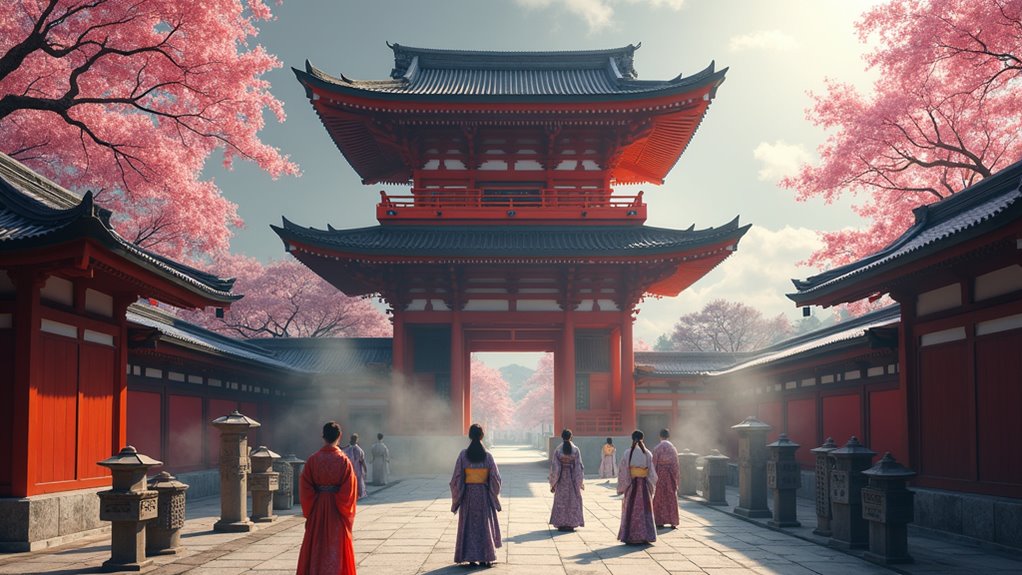
Back in Tokyo’s historic Asakusa district, Senso-ji Temple represents the city’s spiritual heart and oldest Buddhist site, founded in 645 AD. Visitors approach through the iconic Thunder Gate (Kaminarimon) with its massive red lantern, then walk down Nakamise Shopping Street lined with traditional snacks and souvenirs.
The temple’s main hall houses a golden image of Kannon, the goddess of mercy. Travelers can participate in traditional rituals like burning incense sticks for purification or drawing omikuji fortune papers for guidance. The experience costs nothing beyond optional offerings.
The surrounding Asakusa neighborhood maintains old Tokyo’s atmosphere with traditional shops, street food vendors, and rickshaw rides. Early morning visits offer peaceful moments before crowds arrive, while evening illumination creates dramatic photo opportunities.
Hunt for Vintage Treasures in Nakameguro
Though often overshadowed by Tokyo’s flashier districts, Nakameguro offers one of the city’s best vintage shopping experiences without the tourist markup. This bohemian neighborhood lines the Meguro River with independent boutiques selling everything from 1960s Japanese denim to rare band merchandise at reasonable prices.
Visitors should start near Nakameguro Station and work their way along the main street, ducking into side alleys where the real treasures hide. Local shops like Pass The Baton specialize in pre-owned designer pieces, while smaller stores focus on vintage Americana and Japanese streetwear from past decades.
The area’s relaxed atmosphere encourages leisurely browsing between trendy cafes. Unlike Harajuku’s crowded vintage scene, Nakameguro allows shoppers to discover authentic pieces without fighting crowds or inflated tourist prices.
Master Traditional Taiko Drumming
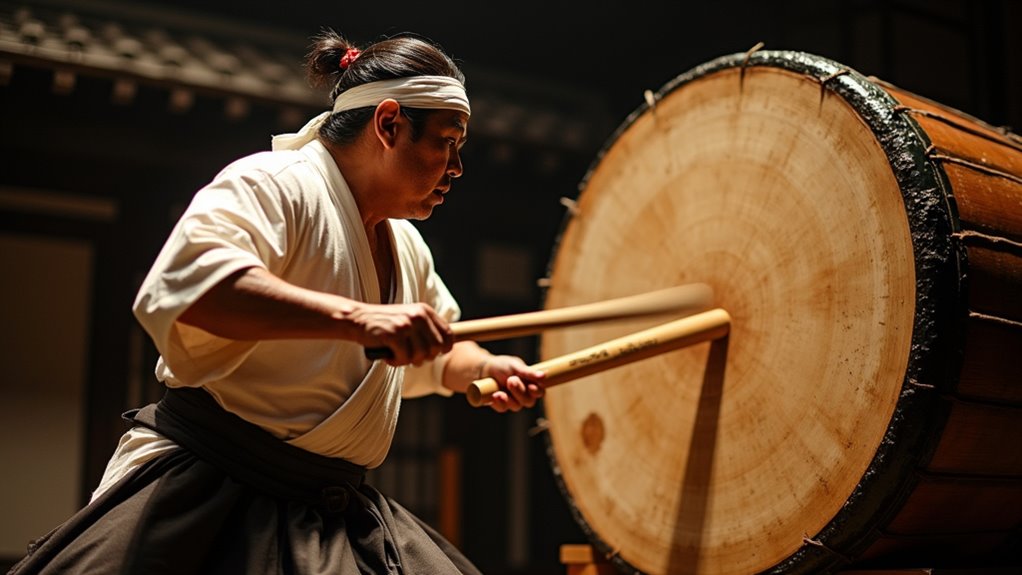
While most travelers flock to Tokyo’s modern attractions, learning taiko drumming offers an authentic connection to Japan’s cultural heritage that’s surprisingly accessible and affordable. Several studios across Tokyo provide beginner-friendly classes where visitors can master basic rhythms and techniques under expert guidance.
These hands-on workshops typically cost between ¥3,000-5,000 per session and include drum rental.
The physical nature of taiko drumming provides an energizing workout while participants learn about the instrument’s spiritual significance in Japanese culture. Most classes accommodate complete beginners and provide English instruction.
Studios often combine drumming lessons with cultural background, explaining how taiko has been used in festivals, ceremonies, and community gatherings for centuries. It’s an active, memorable experience that creates lasting skills beyond typical tourist activities.
Explore Studio Ghibli’s Magical World
The Ghibli Museum in Mitaka transports visitors directly into the enchanted worlds of Hayao Miyazaki’s beloved animated films, offering an immersive experience that’s worth every yen of the ¥1,000 entrance fee. Visitors explore detailed exhibits showcasing original props, artwork, and animation techniques from classics like “My Neighbor Totoro” and “Spirited Away.”
The museum’s unique architecture mirrors Ghibli’s whimsical aesthetic, featuring curved hallways and stained-glass windows.
Advance reservations are mandatory and often sell out weeks ahead, so booking early is essential. The museum prohibits photography inside, encouraging visitors to fully absorb the magical atmosphere.
A short film exclusive to the museum plays in the theater, making this experience truly special for animation fans and curious travelers alike.
Hike Mount Mitsutoge for Epic Mount Fuji Views
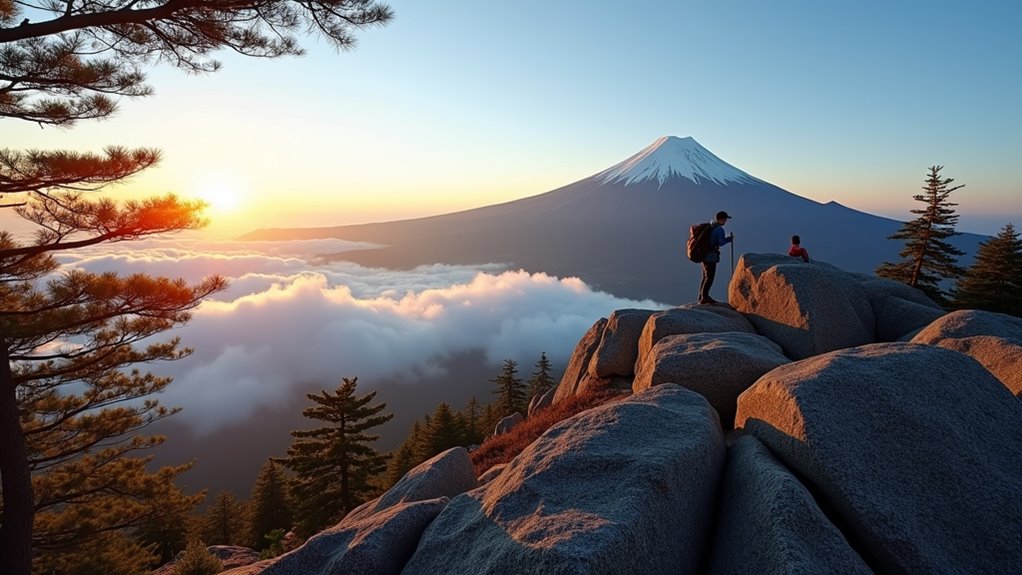
Just one hour of hiking Mount Mitsutoge rewards adventurous travelers with some of Japan’s most spectacular panoramic views, including iconic Mount Fuji on clear days. This accessible trail offers budget-friendly outdoor adventure without expensive tour fees or transportation costs to distant mountains.
The moderate hike suits most fitness levels and provides photographers with stunning vantage points. Early morning starts increase chances of clear Mount Fuji visibility before afternoon clouds roll in. Visitors should pack water, snacks, and layers since mountain weather changes quickly.
The trail connects to the famous Chureito Pagoda viewpoint, allowing hikers to capture classic red pagoda-Mount Fuji shots. Spring cherry blossoms and autumn foliage add seasonal beauty to the experience.
Smart travelers check weather forecasts and Mount Fuji webcams before making the journey.