
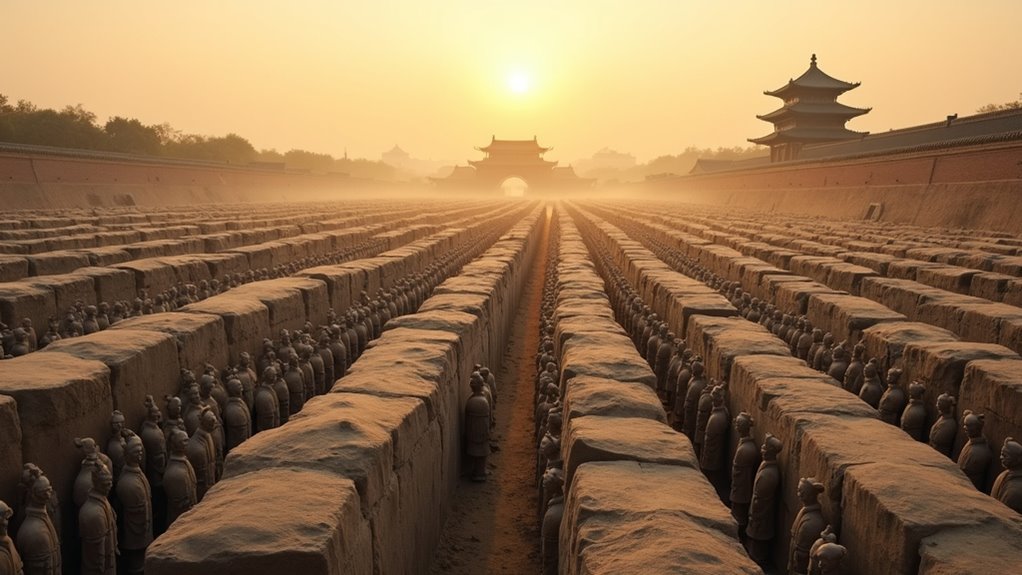
Xi’an’s ancient streets tell stories that span over 3,000 years, making it one of China’s most historically rich destinations that won’t break the budget. Smart travelers know this former imperial capital offers world-class attractions without the crushing crowds of Beijing or Shanghai’s steep prices. From underground armies of clay warriors to towering pagodas and bustling night markets, the city’s dozen essential sites reveal why this place served as China’s capital for thirteen dynasties—and there’s a strategic order for experiencing them.
- Terracotta Warriors and Horses: China’s Greatest Archaeological Discovery
- Ancient City Wall: Walk or Bike Above the Historic Center
- Giant Wild Goose Pagoda and Musical Fountain Shows
- Bell Tower: Xi’an’s Historic Heart and Perfect Starting Point
- Drum Tower: Evening Views and Traditional Performances
- Muslim Quarter Street Food Tour: Cumin, Chili, and Mutton Specialties
- Great Mosque: Chinese Architecture Meets Islamic Design
- Shaanxi History Museum: 1.7 Million Artifacts Under One Roof
- Beilin Museum: Ancient Stone Inscriptions and Master Calligraphy
- Tang Paradise: Recreation of China’s Golden Age
- Small Wild Goose Pagoda: Quieter Buddhist Site With Garden Views
- Local Night Markets Beyond the Tourist Quarter
Terracotta Warriors and Horses: China’s Greatest Archaeological Discovery
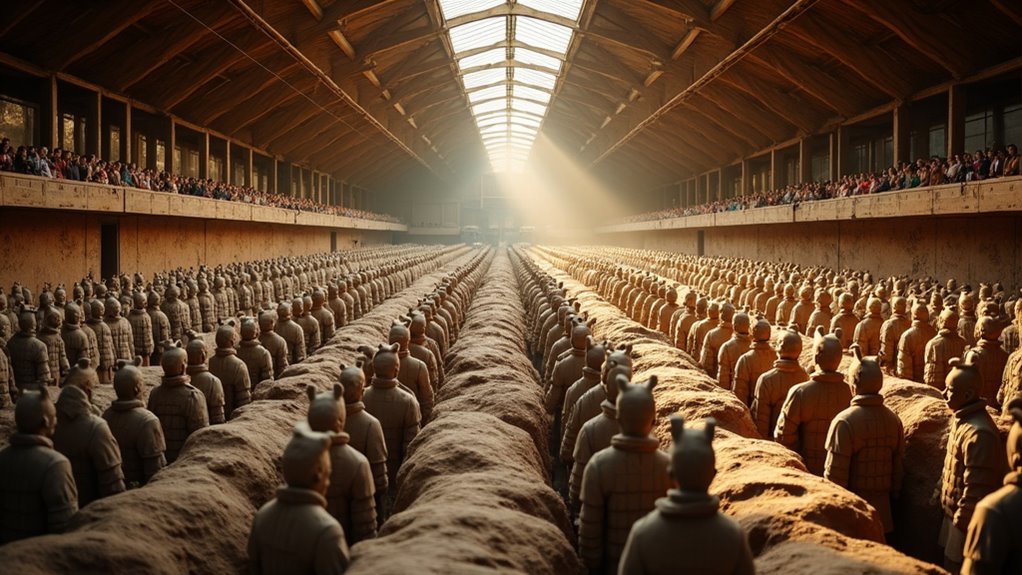
In 1974, local farmers digging a well stumbled upon what would become one of history’s most spectacular archaeological finds. The Terracotta Warriors and Horses represent China’s most significant archaeological discovery, covering approximately 16,300 square meters near Emperor Qin Shi Huang’s mausoleum.
This UNESCO World Heritage Site features thousands of life-sized terracotta soldiers, horses, and chariots arranged in battle formations, each warrior uniquely crafted with distinct facial features and expressions.
The site offers remarkable insight into Qin Dynasty military organization and ancient Chinese artistry. Visitors can explore the onsite museum and research center, which display excavation artifacts and provide historical context.
The three excavation pits showcase different military units, revealing the emperor’s elaborate preparation for the afterlife while demonstrating ancient China’s sophisticated craftsmanship and military structure.
Ancient City Wall: Walk or Bike Above the Historic Center
While the Terracotta Warriors showcase Xi’an’s ancient military might, the city’s Ming Dynasty fortifications tell an equally compelling story of defense and urban planning. Xi’an’s 14th-century wall remains one of China’s best-preserved fortifications, encircling nearly 14 kilometers with walls reaching 12 meters high.
Visitors can rent bikes for around 45 yuan or walk the ramparts for free with an entrance ticket. The journey offers panoramic city views and takes 3-4 hours by bike or 6-8 hours walking. The wall connects major landmarks like the Bell Tower and Drum Tower within its rectangular perimeter.
Early morning or late afternoon visits provide cooler temperatures and better lighting for photos. The fortification’s massive scale—15-18 meters thick at its base—demonstrates impressive medieval engineering that’s protected Xi’an’s historic core for centuries.
Giant Wild Goose Pagoda and Musical Fountain Shows
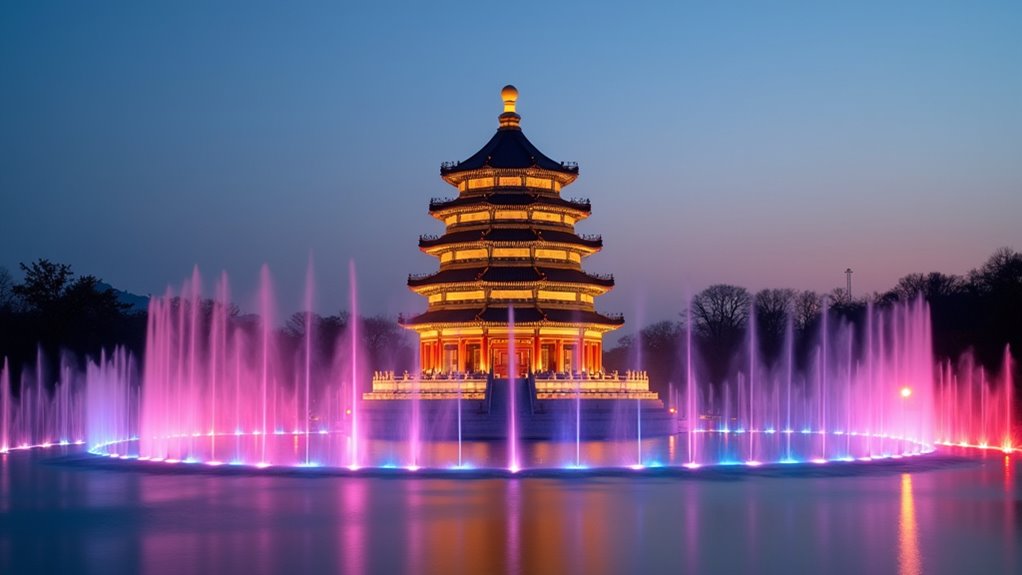
What makes a 1,300-year-old pagoda one of Xi’an’s most visited attractions? The Giant Wild Goose Pagoda combines rich history with modern entertainment that won’t break the bank.
Built in 652 AD, this 64-meter Buddhist monument housed precious scriptures that monk Xuanzang brought from India. Visitors can climb the pagoda’s multiple stories for city views, then explore the surrounding Jianfu Temple grounds to learn about Buddhism’s spread through China.
The real draw happens after dark when Asia’s largest musical fountain springs to life. These free nightly shows feature synchronized water, lights, and music that transform the pagoda’s ancient surroundings into a spectacular display.
It’s smart to arrive early for good viewing spots, as locals and travelers pack the area for these popular performances.
Bell Tower: Xi’an’s Historic Heart and Perfect Starting Point
Standing 36 meters tall at Xi’an’s geographic center, the Bell Tower serves as both the city’s most recognizable landmark and the perfect orientation point for first-time visitors.
Built in 1384, it’s China’s largest and best-preserved bell tower, making it an essential stop for understanding the city’s Ming Dynasty heritage.
Visitors can climb the tower for panoramic city views and explore exhibitions showcasing traditional Chinese timekeeping methods.
The structure’s illuminated exterior creates stunning photo opportunities, especially during evening hours when crowds thin out and admission prices often drop.
Located at the intersection of Xi’an’s main streets, the Bell Tower provides easy access to nearby attractions like the Drum Tower and Muslim Quarter.
Its central position makes it an ideal starting point for exploring the city’s historic core on foot.
Drum Tower: Evening Views and Traditional Performances
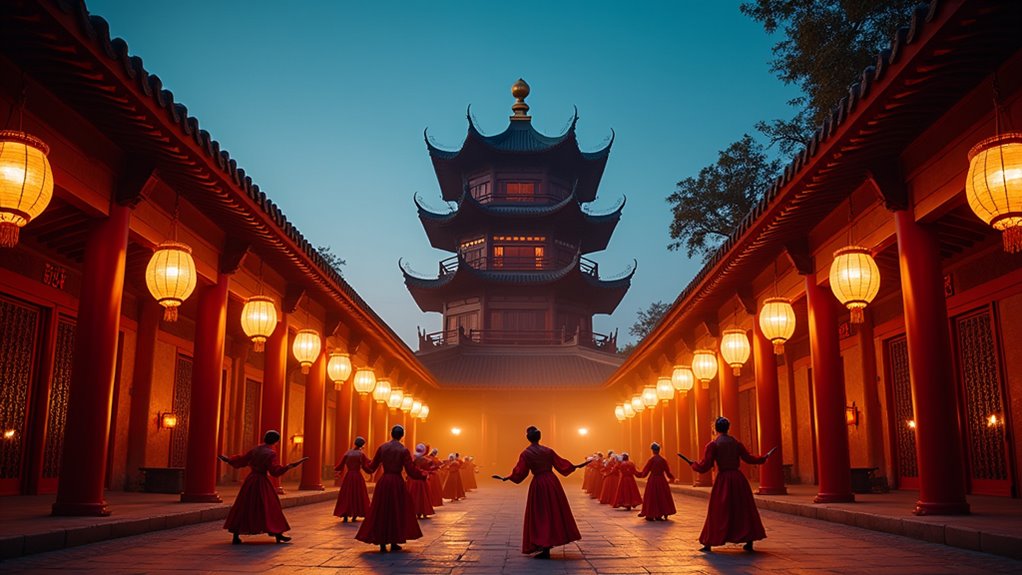
Just a short walk from the Bell Tower, the Drum Tower offers visitors a quieter but equally rewarding experience with its 34-meter height and rich cultural programming.
Built in the early 14th century, this Ming Dynasty landmark historically served for timekeeping and ceremonial events alongside its more famous neighbor.
Evening visits provide the best value, when the tower’s illuminated exterior creates stunning photo opportunities without additional lighting costs.
Inside, travelers can explore exhibitions showcasing the tower’s historical significance and catch traditional cultural performances that bring ancient Chinese customs to life.
The tower’s elevated position offers excellent city views, making it an affordable alternative to expensive observation decks.
Combined with the nearby Bell Tower, visitors can easily explore both landmarks in a single evening while experiencing Xi’an’s imperial heritage.
Muslim Quarter Street Food Tour: Cumin, Chili, and Mutton Specialties
After exploring Xi’an’s towering landmarks, visitors can enjoy the city’s most aromatic adventure at the Muslim Quarter, where centuries-old Silk Road flavors create an unforgettable street food experience.
The narrow streets buzz with vendors grilling lamb skewers seasoned with cumin and chili, filling the air with irresistible spices.
Budget-conscious travelers can sample yangrou paomo (crumbled bread in mutton soup) for under $3, while roujiamo (Chinese hamburger) offers filling satisfaction for just $1.
Don’t miss biangbiang noodles topped with spicy lamb or sweet persimmon cakes for dessert.
Street stalls stay open late, making evening the perfect time to wander and taste your way through this historic neighborhood’s culinary treasures.
Great Mosque: Chinese Architecture Meets Islamic Design
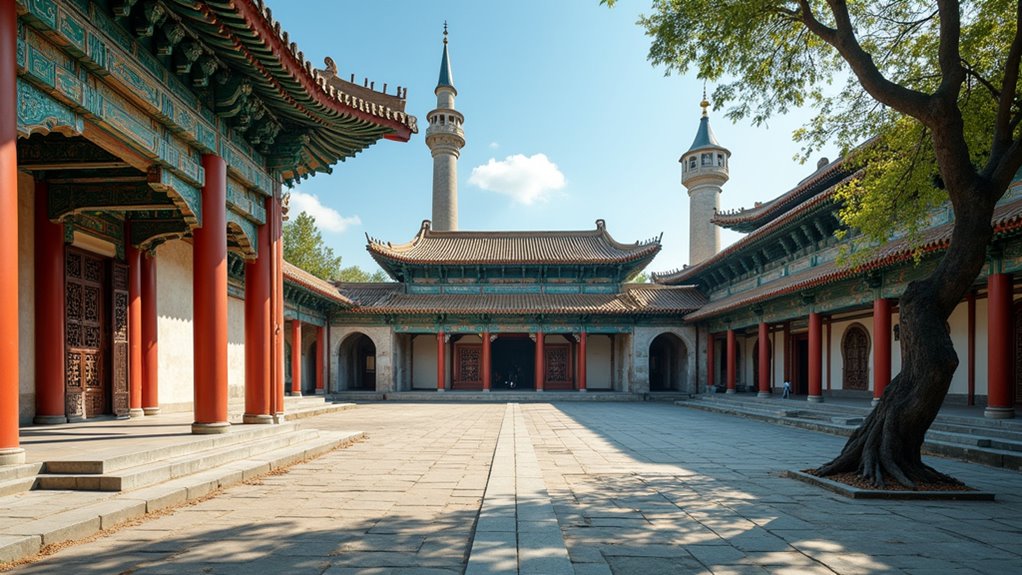
While most mosques around the world feature distinctive domes and minarets, Xi’an’s Great Mosque surprises visitors with its stunning fusion of traditional Chinese pagoda-style roofs and Islamic spiritual elements.
Dating back to the 8th century, this architectural marvel showcases how cultures blended along the ancient Silk Road. The complex spans four courtyards, each displaying intricate wooden carvings and beautiful gardens that feel more like a traditional Chinese temple than a typical mosque.
Visitors can explore the prayer halls and pavilions for free, though a small entrance fee applies to the main complex. The mosque remains an active place of worship, so it’s important to dress modestly and remain respectful.
Photography restrictions apply in certain areas, particularly the main prayer hall.
Shaanxi History Museum: 1.7 Million Artifacts Under One Roof
Spanning 3,000 years of Chinese civilization, the Shaanxi History Museum houses an incredible 1.7 million artifacts that tell the story of ancient China’s rise to greatness. Visitors can explore stunning collections spanning prehistoric times through imperial dynasties, featuring exceptional ceramics, pottery, and bronze relics that showcase ancient craftsmanship.
The museum’s standout pieces include a remarkable tiger-shaped tally, exquisite golden bowls, and the famous tri-color glazed camel with musical bands – artifacts that bring China’s Silk Road heritage to life.
With free basic admission and affordable upgrade options for premium galleries, it’s an excellent value for budget-conscious travelers. Plan at least three hours to properly appreciate the extensive collections that illuminate Xi’an’s role in shaping Chinese civilization.
Beilin Museum: Ancient Stone Inscriptions and Master Calligraphy
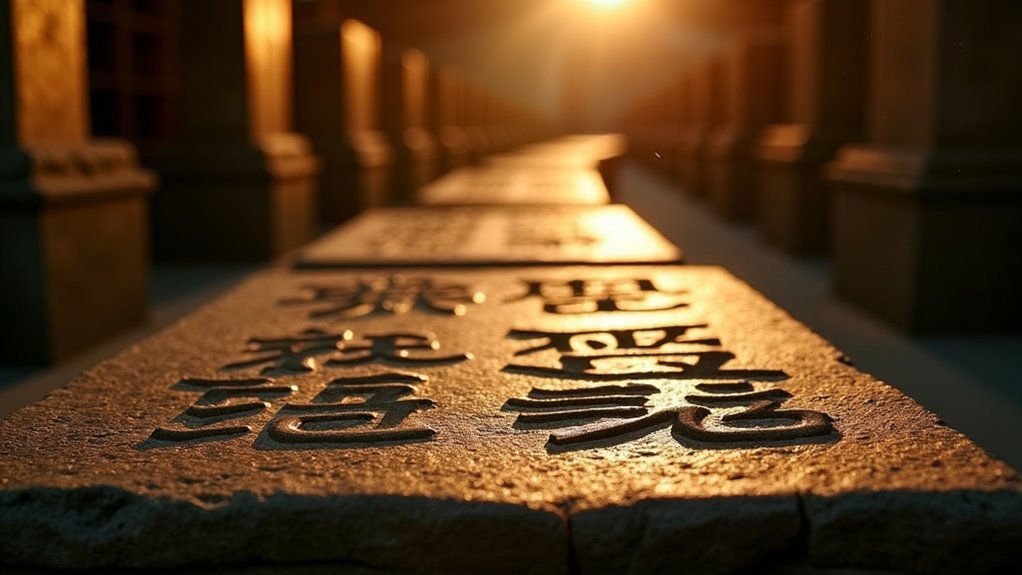
Known as the “Forest of Stone Steles,” the Beilin Museum showcases China’s most impressive collection of ancient stone inscriptions and calligraphy dating back over a thousand years. Visitors can explore thousands of stone tablets displaying masterful Chinese calligraphy, historical records, and literary works from various dynasties.
The museum’s collection includes works by renowned calligraphers and important historical documents carved in stone. These steles served as permanent records of imperial edicts, religious texts, and cultural achievements. Walking through the galleries feels like browsing an ancient library where books are made of stone.
Budget-conscious travelers will appreciate the reasonable admission fee for accessing such rare artifacts. The museum provides English translations for key pieces, making it accessible for international visitors interested in China’s literary and artistic heritage.
Tang Paradise: Recreation of China’s Golden Age
Though Tang Paradise isn’t an authentic historical site, this massive theme park brings China’s golden age to life through detailed recreations of Tang Dynasty architecture, gardens, and cultural performances.
Visitors can explore pavilions, temples, and bridges designed to mirror 8th-century Xi’an when the city served as the world’s largest metropolis.
The park’s highlight is its evening water show featuring lights, music, and choreographed fountains that tell Tang Dynasty stories.
Traditional dance performances and costumed actors add authenticity throughout the day.
While admission costs more than historical sites, budget travelers can enjoy free views of the illuminated buildings from outside the gates.
The park works well for families wanting an immersive cultural experience beyond typical museum visits.
Small Wild Goose Pagoda: Quieter Buddhist Site With Garden Views
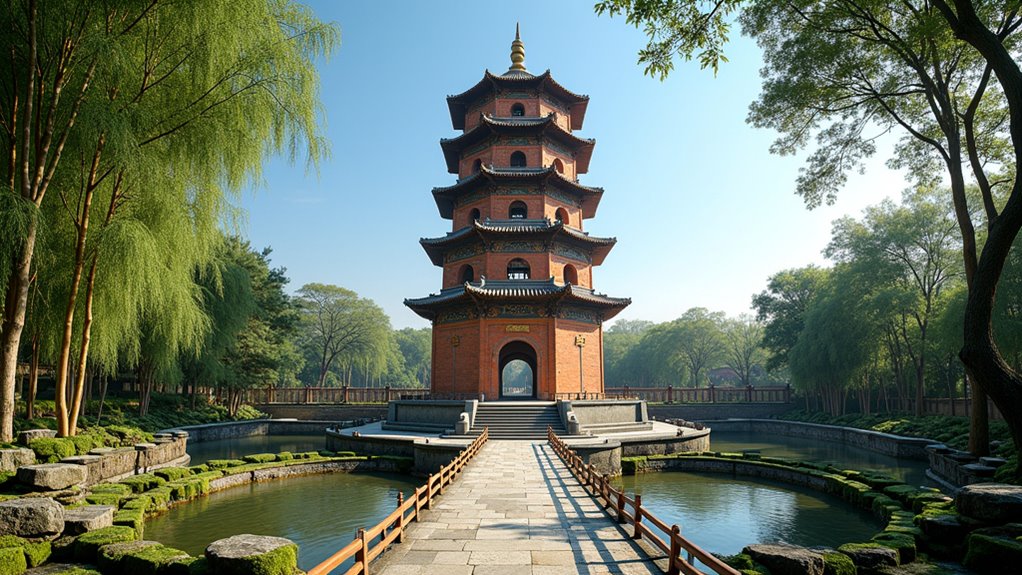
While Tang Paradise offers grand spectacle, travelers seeking a more peaceful Buddhist experience will find the Small Wild Goose Pagoda provides exactly that. Built in 707 AD during the Tang Dynasty, this 43-meter pagoda stands in stark contrast to its more famous Giant Wild Goose counterpart.
What sets this site apart isn’t just its quieter atmosphere—it’s the beautifully maintained gardens surrounding the structure.
Visitors can explore the pagoda’s multiple levels for modest entrance fees, enjoying panoramic views without fighting crowds. The surrounding park features traditional Chinese landscaping with ponds, pavilions, and walking paths perfect for reflection.
It’s an ideal spot for budget-conscious travelers who want authentic Buddhist architecture and serene garden views. The site offers genuine tranquility that’s increasingly rare in bustling Xi’an.
Local Night Markets Beyond the Tourist Quarter
Beyond the crowded Muslim Quarter, Xi’an’s authentic night market scene thrives in neighborhoods where locals actually eat and shop. Visitors seeking genuine experiences should explore Sajinqiao Night Market, where vendors serve traditional Shaanxi noodles and dumplings at half the tourist quarter prices.
The sprawling Wulukou Night Market offers everything from street food to electronics, creating a vibrant atmosphere without English menus or inflated costs. These markets operate from sunset until late evening, with peak hours around 8-10 PM.
Cash remains king at most stalls, though mobile payments are increasingly accepted. Don’t miss the hand-pulled noodles, meat sandwiches, and local beer. The crowds consist mainly of Xi’an residents, providing authentic culture while stretching travel budgets considerably further than popular tourist destinations.