A Practical Look at the 3-Day Ngorongoro, Lake Manyara, and Tarangire Safari
Travelers eager to explore Tanzania’s most iconic parks often face the challenge of balancing cost, authenticity, and comfort. This 3-day, budget-friendly joining safari offers a chance to see the country’s wildlife treasures without breaking the bank. We’re here to give an honest, detailed review so you can decide if it’s right for your adventure.
What draws us to this safari? First, the opportunity to visit three vastly different parks in a short time—each with its own unique landscape and animal populations. Second, the knowledgeable guides—reviews consistently highlight how informative and friendly the guides are, making the experience both fun and educational.
One potential caveat is that, being a budget camping safari, accommodations are basic, and group sizes are small, meaning fewer luxury amenities but more authentic, close-up encounters.
This tour suits travelers who want a cost-effective yet comprehensive introduction to Tanzania’s wildlife, especially those comfortable with camping and group travel. It’s a great fit for adventurous spirits, solo travelers, or couples looking to maximize wildlife sightings on a budget.
- Key Points
- Detailed Review of the 3-Day Tanzanian Safari
- Introduction to the Tour
- What to Expect
- Day 1: From Arusha to Lake Manyara
- Day 2: Ngorongoro Crater and Transition to Tarangire
- Day 3: Safari in Tarangire
- What the Tour Offers and Why It Works
- Considerations and Possible Drawbacks
- Final Thoughts
- FAQ
- The Best Of Arusha!
- More 3-Day Experiences in Arusha
- More Tour Reviews in Arusha
Key Points
 1 / 6
 2 / 6
 3 / 6
 4 / 6
 5 / 6
 6 / 6
- Affordable Price: At $820 per person, this safari offers great value for seeing Tanzania’s top parks.
- Authentic Camping Experience: Basic but comfortable accommodations with a focus on the safari experience.
- Expert Guides: Highly praised for their knowledge, friendliness, and storytelling.
- Three Distinct Parks: Covering Lake Manyara, Ngorongoro Crater, and Tarangire, each with unique landscapes and animals.
- Wildlife Highlights: Tree-climbing lions, large herds of elephants, black rhinos, and predator populations.
- Small Group Setting: Max 7 travelers, ensuring a more personal experience.
👉 See our pick of the Arusha’s 7 Best Tours & Things To Do
Detailed Review of the 3-Day Tanzanian Safari
You can also read our reviews of more tours and experiences in Arusha
Introduction to the Tour
This three-day safari provides a well-rounded taste of Tanzania’s wildlife and landscapes, all within a budget framework. It’s particularly appealing for travelers who want to visit the “must-see” parks without the expense of private tours or luxury lodges. The tour is designed as a joining group experience, meaning you’ll share the adventure with like-minded travelers, which often leads to a more lively atmosphere and shared stories.
The price point of $820 includes all essential elements—meals, park fees, and guiding services—making it straightforward for budget-conscious travelers. The tour starts and ends in Arusha, a common hub for safaris, and is scheduled in a way that maximizes your game-viewing time.
What to Expect
This tour balances structured driving safaris with comfortable logistics, starting early each morning and including picnic lunches to keep you energized amidst the wildlife. The emphasis is on quality game viewing, with knowledgeable guides who will help you spot elusive animals and explain their behaviors.
Day 1: From Arusha to Lake Manyara
The adventure kicks off with an early departure at 7:00 am from Arusha. The drive takes about two hours through scenic savannah, dotted with Maasai villages and grazing livestock. The journey itself is a chance to observe the local way of life, which adds an authentic touch to your safari experience.
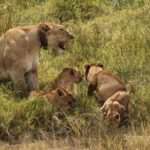
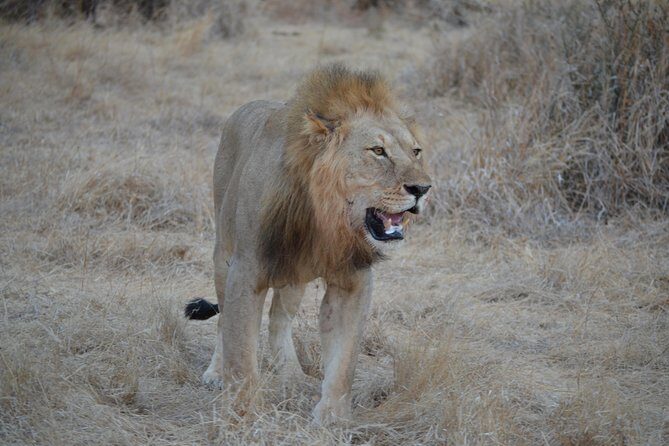
Arriving at Lake Manyara, you’ll immediately notice the park’s varied habitats—from lush lakeshores to acacia woodlands. The lake’s algae attract large flocks of flamingos, while the dense trees are home to the famous tree-climbing lions. These lions are a highlight for many travelers, and the chance to see them lounging high in the branches makes for memorable photos.
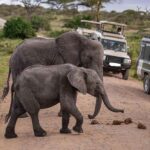
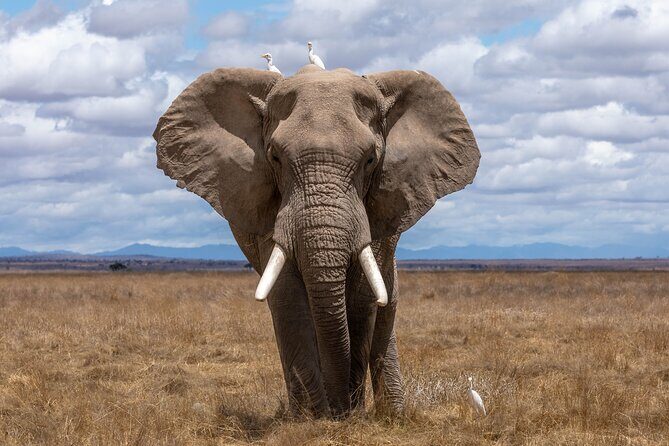
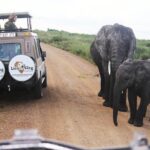
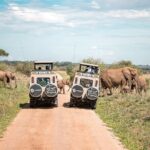
During your game drive, expect to see large herds of elephants, one of the park’s main attractions. The guides are attentive and will point out smaller creatures like monkeys, warthogs, and various bird species. As one reviewer noted, the locations are excellent, and the animals are abundant, making it a rewarding first day.
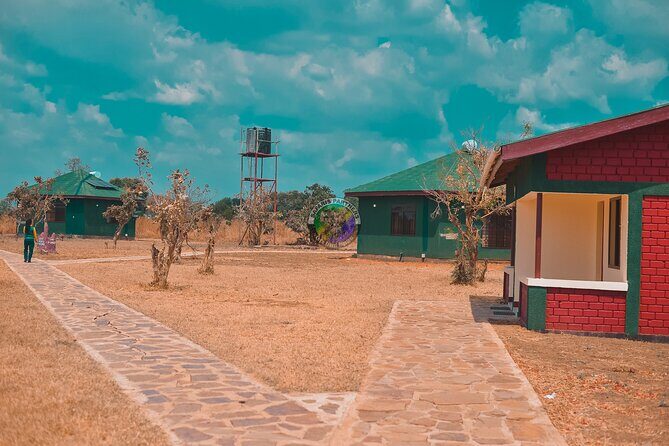
You’ll overnight at Panorama Camp or similar, where the camp provides basic but comfortable facilities and a chance to unwind after your first day of safari.
Day 2: Ngorongoro Crater and Transition to Tarangire
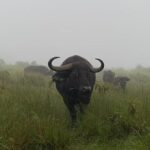
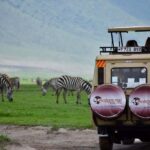
After breakfast, you’ll head toward Ngorongoro Crater—one of the most iconic sights in Africa. Descending 600 meters into the crater, you’ll find yourself in a natural amphitheater teeming with wildlife. With around 30,000 animals estimated to inhabit the crater, the diversity is staggering—wildebeest, zebras, buffalo, hippos, and giant elephants all compete for space.
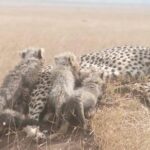
Ngorongoro is also crucial for seeing the rare black rhino, which makes the crater a conservation treasure. The guides’ local knowledge helps in spotting predators like lions and cheetahs, as well as elusive leopards, which may require a sharp eye.
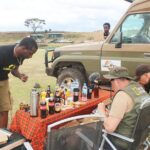
One standout feature is the picnic lunch in the crater, offering a true African safari experience. Afterward, you’ll drive to Tarangire National Park for the night. The landscape here is quite different—mainly Acacia woodlands and giant Baobab trees. During the dry season, animals congregate around shrinking water sources, so you’ll likely see large herds of elephants and buffalo.
Day 3: Safari in Tarangire
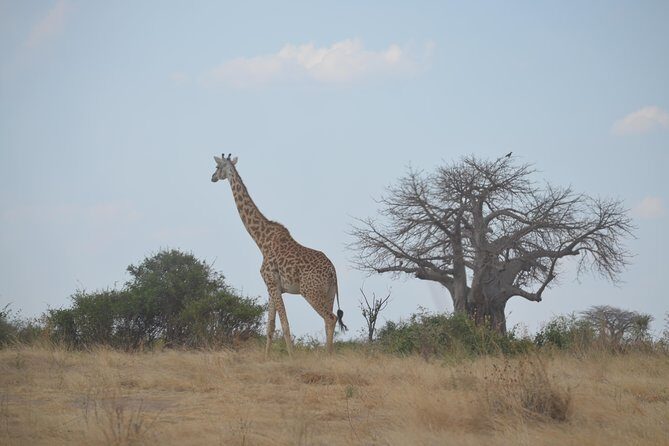
Your final day begins with breakfast and another game drive in Tarangire. Known for its large herds of elephants, this park provides some of the best wildlife viewing of the trip. The landscape is characterized by open plains, rivers, and striking Baobab trees, which look like they belong in a fairy tale.
You might also spot rare species like the Greater Kudu and Fringed-eared Oryx, making it a special place for wildlife enthusiasts. The park’s varied vegetation and swamp areas attract a mix of animals, especially in the dry season. After lunch, you’ll head back to Arusha, concluding your safari.
What the Tour Offers and Why It Works
This safari’s strength lies in its comprehensive itinerary combined with affordable pricing. For $820, you gain access to three of Tanzania’s most famous parks, with guided game drives, park fees, and meals included. The small group size ensures you’re not just another face in the crowd; it allows for a more intimate experience with personalized attention from guides.
The guides’ knowledge and friendliness are frequently praised—adding value far beyond just spotting animals. As one reviewer shared, “Miraj shared many stories and information about the wild animals of Tanzania,” which enhances the trip’s educational aspect.
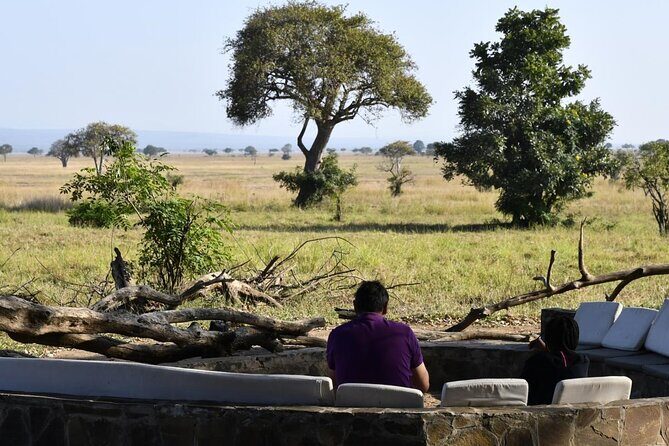
The accommodation, while basic, is comfortable enough for travelers who prioritize wildlife and scenery over luxury. Camping in Tanzania’s wilderness offers a genuine adventure, letting you feel close to nature and wake up to the sounds of the wild.
Considerations and Possible Drawbacks
While this trip offers exceptional value, it’s not suited for travelers seeking luxury or high-end amenities. The accommodations are described as basic camping, which might not appeal to those used to hotel comfort. Also, since it’s a joining group, the schedule is somewhat fixed, and your experience depends partly on the group’s dynamics.
Timing is another factor—early mornings and long days are typical, so travelers should be prepared for a physically active, sometimes bumpy adventure. As with any safari, weather can influence animal sightings—dry season tends to concentrate animals around water sources, but rain or overcast days might make some sightings less predictable.
Final Thoughts
This 3-day safari offers a well-rounded, authentic glimpse of Tanzania’s top wildlife parks at an accessible price. It’s especially ideal for budget travelers, solo explorers, or couples who want a shared adventure with knowledgeable guides. The trip emphasizes wildlife viewing, authentic camping, and small-group camaraderie.
The tour’s ability to combine three distinct parks in just a few days means you’ll leave with a broad understanding of Tanzania’s natural beauty. The guides’ local expertise and the stunning views—like herds of elephants against the backdrop of Baobab trees—are what set this safari apart.
If your priority is seeing Africa’s iconic wildlife on a budget, without sacrificing the authenticity of close encounters, this safari is a solid choice. Just pack your sense of adventure and a willingness to embrace the basic comforts that come with an immersive safari experience.
Three Days Ngorongoro crater, Lake Manyara and Taragire National Park (Joining)
FAQ
Is the tour suitable for solo travelers?
Yes, since this is a joining safari with a small group, solo travelers can easily join and meet new friends during the trip.
What’s included in the price?
The $820 per person fee covers accommodation (camping), park entrance fees, meals (breakfast, lunch, dinner), bottled water, and guide services.
Are accommodations really basic?
Yes, the tour is marketed as a budget camping safari, so accommodations are simple but comfortable enough for an outdoor experience.
How many people will be in the group?
The maximum group size is 7 travelers, ensuring a more personal and flexible experience.
What should I bring?
Bring sturdy clothing for early mornings and potential weather changes, binoculars, camera gear, and a sense of adventure.
Can I join as a couple or family?
Yes, the tour is open to single travelers, couples, and small groups who are comfortable with camping and shared accommodations.
How early does the safari start each day?
The tour begins with pickup from Arusha at 7:30 am, and early mornings are typical for game drives.
Is there any free cancellation?
Yes, cancellations are free if made at least 24 hours before the scheduled start time.
Will I see big cats like lions and leopards?
There’s a good chance, especially in Ngorongoro Crater and Tarangire, where predators are abundant, but sightings depend on wildlife activity.
What’s the best time of year for this safari?
While not explicitly specified, safaris in Tanzania generally favor the dry season for wildlife viewing—roughly June to October—when animals gather around water sources.
To sum it up, this safari offers a practical and authentic way to experience the essence of Tanzania’s wildlife. It’s best suited for adventurous travelers willing to embrace camping and small-group dynamics, with guides who make the journey informative and fun. For those looking to combine affordability with rich wildlife encounters, this tour hits the mark.