
- Introduction
- Key Points
- The Experience: What to Expect and Why It Matters
- Meeting and Starting Out
- Inside the Stadium: From Ceremony to Competition
- The Main Matches
- Learning the Customs and Traditions
- End of the Day and Overall Duration
- Value and Practical Considerations
- Accessibility and Limitations
- Flexibility and Cancellation
- Authenticity and Reviews: What Travelers Say
- Final Thoughts: Is This Tour Right for You?
- FAQs
- In The Sum Up
Introduction
 1 / 8
1 / 8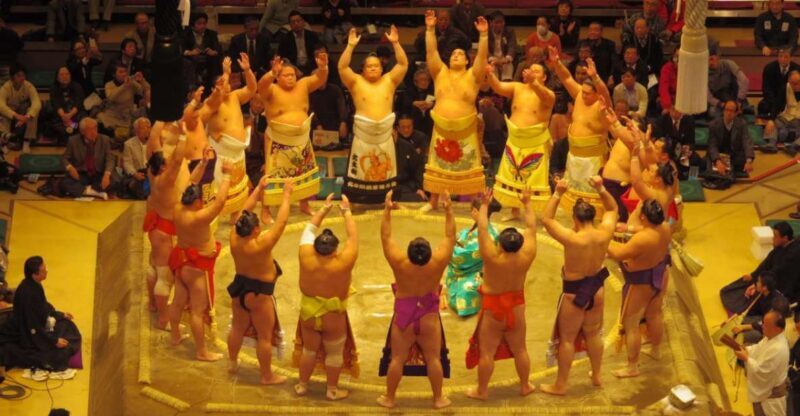 2 / 8
2 / 8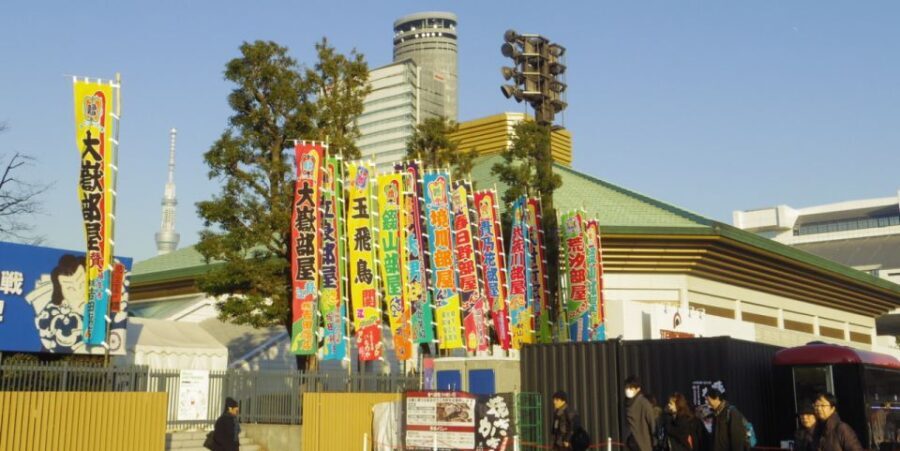 3 / 8
3 / 8 4 / 8
4 / 8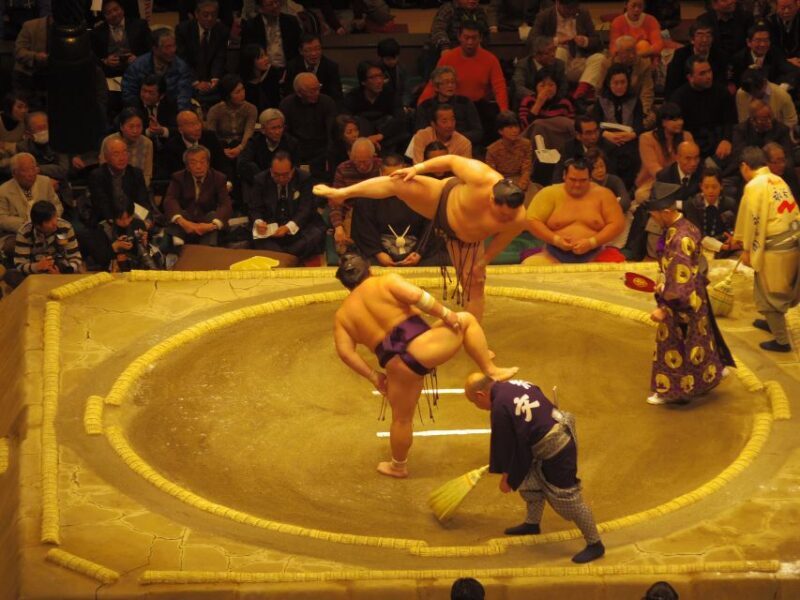 5 / 8
5 / 8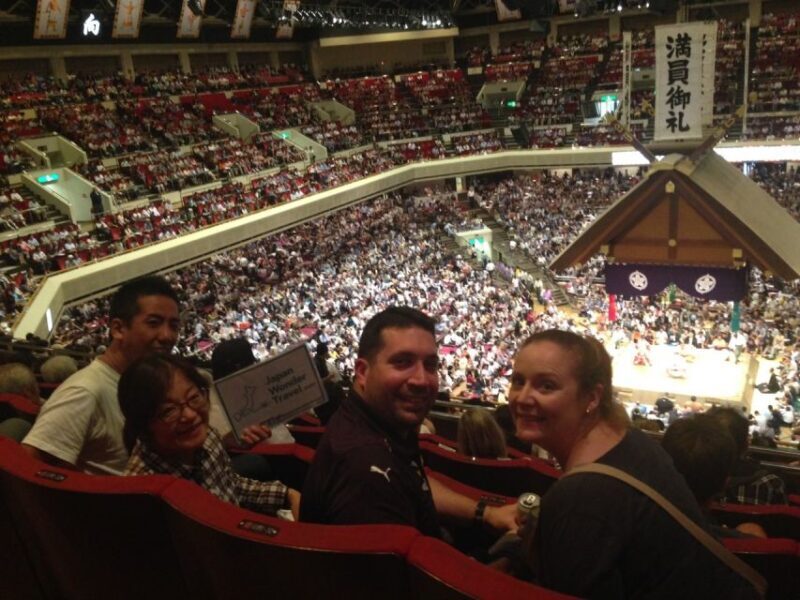 6 / 8
6 / 8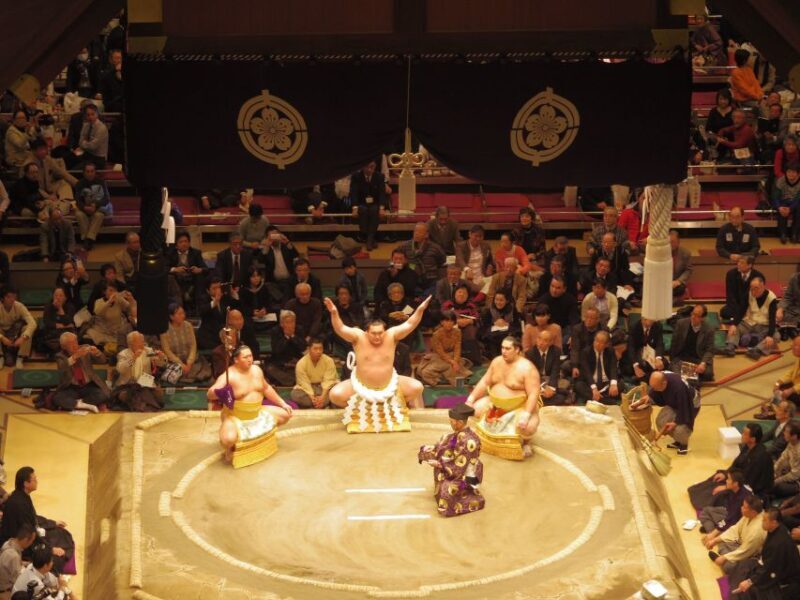 7 / 8
7 / 8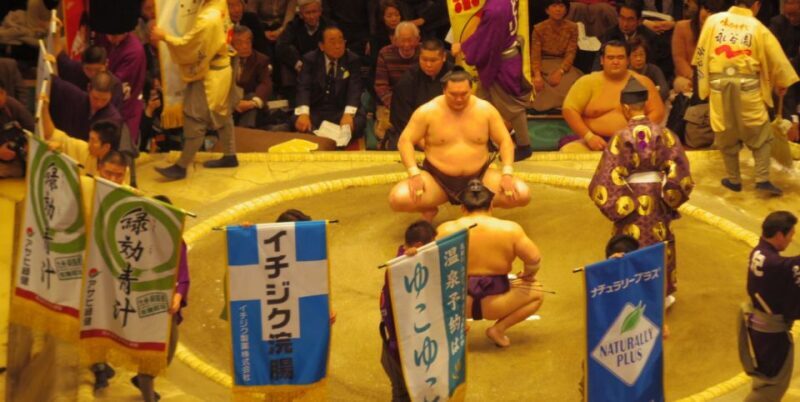 8 / 8
8 / 8If you’re heading to Tokyo and want to witness something uniquely Japanese, a sumo tournament is a must-see. While tickets can sell out fast and the arena can seem intimidatingly packed, booking a guided tour like this one offers a smooth, insightful, and memorable experience. From the moment you meet your guide at Ryogoku Station, you’ll be treated to an authentic slice of Japan’s national sport, complete with good seats, cultural explanations, and the chance to cheer alongside local fans.
What we particularly like about this tour is the combination of convenience and education. You get to skip the frustrating ticket hunt, sit comfortably in chair seats on the 2nd floor, and have a knowledgeable guide to explain the rules, traditions, and personalities behind the matches. Plus, the sumo supporter kit adds an extra layer of fun, making you feel like a real part of the crowd. The only thing to keep in mind? If you’re looking for front-row access or specific seats, that’s not possible with the included ticket options. Still, for a comprehensive and well-organized experience, this tour hits the right notes.
This experience is best suited for those curious about Japanese culture, sports enthusiasts, or travelers who want a hassle-free way to see a sumo tournament in action. It’s not ideal for wheelchair users or those with very young children, but for most others, it’s a fantastic window into a sport that is as much about tradition as it is about strength.
You can check availability for your dates here:Key Points
- Authentic sumo experience with guided commentary and cultural insights
- Good value for the price, including ticket, seats, and a supporter kit
- Comfortable seating in the 2nd-floor chair section provides excellent views
- Expert guides enhance understanding of rules, traditions, and wrestlers
- Timing and organization make it a hassle-free way to see sumo live
- Limited flexibility in seating options; no front-row or customized seats
The Experience: What to Expect and Why It Matters
Meeting and Starting Out
The tour kicks off at 2:15 PM at the West Gate of JR Ryogoku Station. This is a central hub for sumo fans, and the meeting point is straightforward to find. From there, your guide will escort you to the Ryogoku Sumo Stadium, removing the stress of navigating the busy area alone. This initial step is crucial because, without a guide, securing tickets and finding your seats can be a puzzle—especially during peak tournament times.
Inside the Stadium: From Ceremony to Competition
Once inside, you’ll be seated in either 2F chair seats or 1st floor box seats, depending on your choice. Chairs on the second floor are a popular option and offer a good vantage point of the ring without the hefty price tag of front-row seats. The guide will distribute your tickets and explain the seating arrangement, ensuring you know exactly where to settle in. Be aware that seat selection isn’t customizable, but the guide’s knowledge helps you find the best available spots.
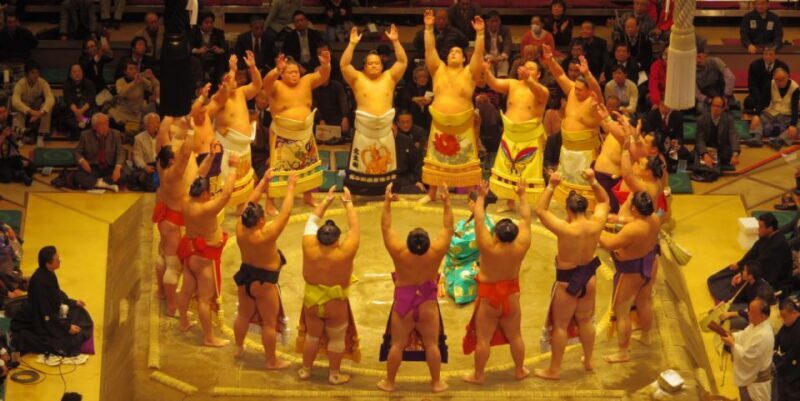
The tournament typically begins with the ring-entering ceremonies of the Makuuchi (Top Division) at around 3:40 PM, followed by the Yokozuna (Grand Champion) ceremonies shortly after. Watching these rituals is a highlight—they’re steeped in tradition, with flags, banners, and the wrestlers’ slow, deliberate steps into the ring. As one reviewer mentioned, “seeing the tournaments is amazing,” especially when you know the significance of each move and gesture.
More Great Tours NearbyThe Main Matches
At 4:10 PM, the main sumo bouts commence. You’ll see these behemoths push, shove, and try to force each other out of the ring or make any part of their body touch the ground. It’s quick-paced, often intense, and surprisingly strategic. Our sources note that seats provide a great perspective, with some reviewers mentioning that the initial view seemed distant but turned out to be more than enough to enjoy the action. The atmosphere is lively, with fans cheering enthusiastically—especially if you’re waving your sumo supporter kit.
Learning the Customs and Traditions
A standout feature of this tour is the guidance. As several reviews highlight, guides like Mieko or Sho are passionate and knowledgeable, explaining rules, wrestler rankings, and rituals. One reviewer noted that their guide even prepared a sheet detailing all fights and wrestlers, which made understanding the tournament much easier. Others praised guides for being “friendly, enthusiastic, and passionate,” which enhances the experience for anyone unfamiliar with sumo.
End of the Day and Overall Duration
The tournament wraps up at 6:00 PM, giving you roughly a three-hour window to witness the action. The entire experience, including the walk-in, seating, and explanation, lasts about 3.75 hours, making it a well-paced cultural outing. You’ll leave with a better appreciation for sumo’s history, discipline, and spectacle—not just a series of matches, but a glimpse into a tradition that’s been part of Japan for centuries.
Value and Practical Considerations
The $141 price tag includes your ticket, comfortable seats, a professional guide, and in some options, a sumo cheer kit. Compared to trying to buy tickets independently—often at higher prices or sold out well in advance—this package offers solid value. Reviewers consistently mention that having someone to explain the intricacies of sumo significantly boosts enjoyment and understanding.
Food and drinks are not included, so travelers should plan to purchase snacks at the stadium if hungry. Also, large luggage isn’t permitted in the seating area, so pack accordingly. The tour’s organization seems generally smooth, but travelers should be aware that seats are assigned, and specific seat choices aren’t available.
Accessibility and Limitations
The tour isn’t suitable for wheelchair users, which is a common consideration given the arena’s layout. Children under 3 can enter free but won’t have their own seat, while those 4 and above need a ticket. If accessibility is a concern, it’s best to consider other options.
Flexibility and Cancellation
Flexibility is available with the “reserve & pay later” option, allowing you to book now and pay closer to the date. Cancellations are permitted up to 24 hours in advance, giving you some peace of mind.
Authenticity and Reviews: What Travelers Say
The reviews unanimously praise the guides’ knowledge, with many mentioning how their explanations made the matches more understandable and fun. One noted, “Yuko-san was an absolute delight,” highlighting the personal touch guides bring to the experience.
Many mention the good views from the seats and the value of the package. Several reviewers emphasized that booking through this tour was a smarter choice than trying to buy tickets on their own, especially given the tournament’s popularity and quick sell-out rate.
The atmosphere and culture are also frequently highlighted. Watching sumo in such a setting, with guides explaining the rituals and rankings, makes the event more than just a sports match—it becomes a cultural lesson.
Final Thoughts: Is This Tour Right for You?
If you’re after an authentic, informative, and hassle-free way to see sumo in Tokyo, this tour offers a lot of value. It’s especially good for travelers who want seats that offer a clear view, guides to explain the complex rules and traditions, and a fun supporter kit to get into the spirit. The price point is reasonable considering the included services, and the reviews suggest that most visitors come away with a deeper appreciation for sumo and Japan’s culture.
However, if front-row seats are your dream or you require full accessibility, you might want to explore other options or private arrangements. Still, for most visitors, this tour strikes a fine balance between cost, convenience, and educational value.
FAQs
Can I choose my seats?
Seats are assigned as part of the package; with the standard option, you’ll be in the 2F chair seats, but specific seat selection isn’t available.
Are food and drinks included?
No, meals and beverages are not part of the tour, so you should plan to buy your own snacks at the stadium.
Is this suitable for children?
Children 3 and under can enter for free but won’t have their own seat. Kids 4 and older need their own ticket.
Can I bring large luggage?
No, large luggage cannot be brought into the seating area, so plan accordingly.
What if I have dietary restrictions?
For the lunch option, you should inform the tour provider of any allergies or dietary needs at the time of booking.
Is the tour accessible for wheelchair users?
No, the tour isn’t suitable for wheelchair users due to stadium layout.
What languages are guides available in?
Guides speak English, helping to clarify rules, history, and traditions for non-Japanese speakers.
Can I cancel or reschedule?
Yes, you can cancel up to 24 hours before the tour for a full refund, providing some flexibility.
What is the duration of the tour?
Including walk-in, seating, and explanations, it lasts roughly 3.75 hours, ending around 6:00 PM.
Tokyo: Sumo Tournament Tour with Chair Seat Tickets
In The Sum Up
This sumo tournament tour in Tokyo offers an excellent way for curious travelers to see Japan’s iconic sport up close without the stress of ticket hunting. The combination of comfortable seats, insightful guides, and cultural explanations creates an experience that’s both fun and educational. It’s particularly suited for those who want a well-organized, immersive look into sumo’s traditions while enjoying the electrifying atmosphere of a live match.
If you’re interested in Japanese culture, sports, or just want a memorable story to tell back home, this tour provides great value. It’s a chance to witness a centuries-old tradition in the heart of Tokyo—an experience that will stay with you long after the final match.
You can check availability for your dates here: