Exploring Kyoto’s Lacquer Art: A Hands-On Craft Tour
If you’re looking for an experience that combines craftsmanship, culture, and a little bit of hands-on fun, this Traditional and Modern Lacquerware Tour in Kyoto offers a unique window into Japan’s revered lacquer tradition.
While we haven’t personally taken the tour, the detailed itinerary and glowing descriptions suggest it’s a compelling way to understand how ancient techniques remain relevant today—and even get your hands dirty (or rather, lacquered).
What we love about this experience is how it balances educational insights into the refinement of urushi lacquer with interactive participation—applying lacquer to chopsticks, for instance, adds a layer of personal connection that many craft tours overlook. Another highlight is the chance to see modern uses of lacquer, from surfboards to bicycles, showing that this centuries-old craft continues to evolve.
A potential consideration is that the tour is quite short—just 150 minutes—so if you’re after an in-depth, leisurely exploration of Kyoto’s traditional crafts, you might find it feels a bit brisk. But if you value a well-structured, engaging introduction that blends tradition with contemporary flair, it should suit you well.
This tour is best suited for travelers curious about Japanese craftsmanship, those who appreciate interactive experiences, or anyone interested in local culture and design. It provides a meaningful glimpse into how a traditional craft is kept alive through innovation and collaboration.
- Key Points
- An In-Depth Look at the Experience
- Visiting Tsutsumi Asakichi Urushi: A Glimpse Into Lacquer Refinement
- Applying Lacquer: A Creative Workshop
- Exploring Bukkoji Temple
- Lunch in Kyoto Style
- Modern Uses of Lacquer
- Practical Details and Value
- Authenticity and Satisfaction
- Who Should Consider This Tour?
- The Sum Up
- FAQs
- More Tours in Kyoto
- More Tour Reviews in Kyoto
Key Points
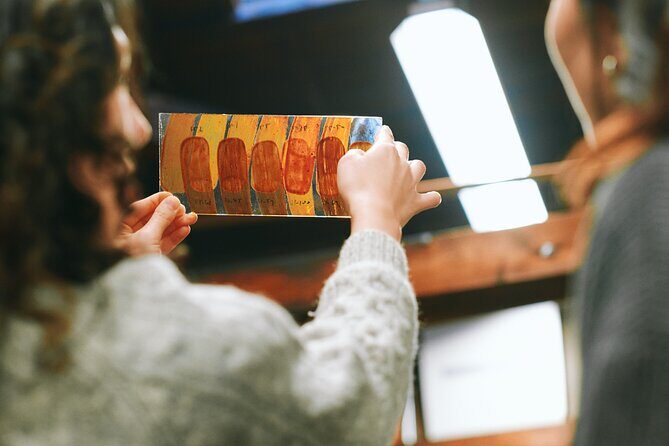
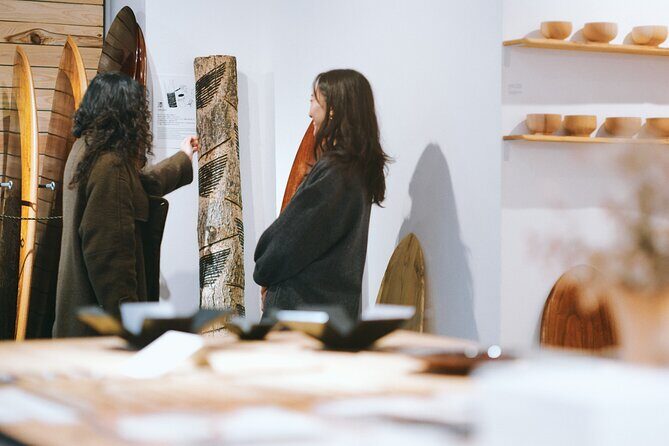
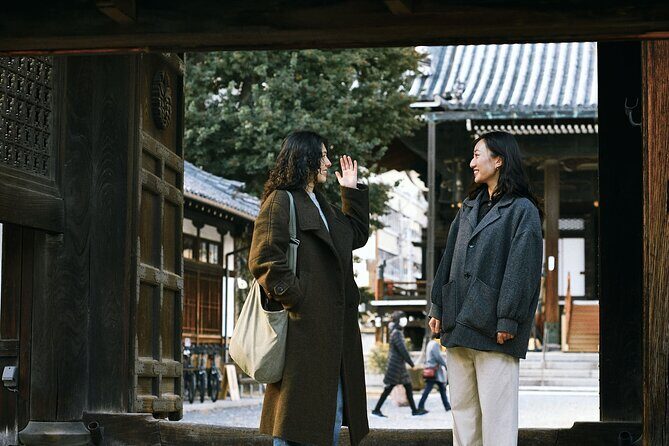
- Hands-on experience: Apply lacquer to chopsticks and take them home as a souvenir.
- Insightful factory tour: See how over 70% of Japan’s domestic urushi lacquer is refined, with a behind-the-scenes look at the process.
- Modern applications: Observe how lacquer is used on contemporary items such as surfboards, skateboards, and bicycles.
- Cultural visit: Explore Bukkoji Temple and its lacquer-covered architecture, enriching your understanding of Japanese religious art.
- Tasty lunch: Enjoy a Kyoto-style meal served in elegant lacquerware bowls, emphasizing both tradition and presentation.
- Intimate group size: With a maximum of five travelers, you’ll receive personalized attention and plenty of opportunity to ask questions.
An In-Depth Look at the Experience
You can also read our reviews of more tours and experiences in Kyoto.
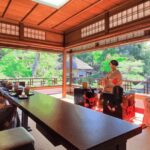

Visiting Tsutsumi Asakichi Urushi: A Glimpse Into Lacquer Refinement
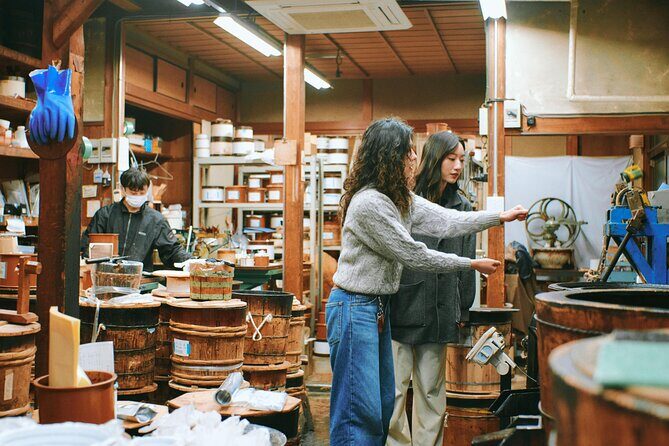
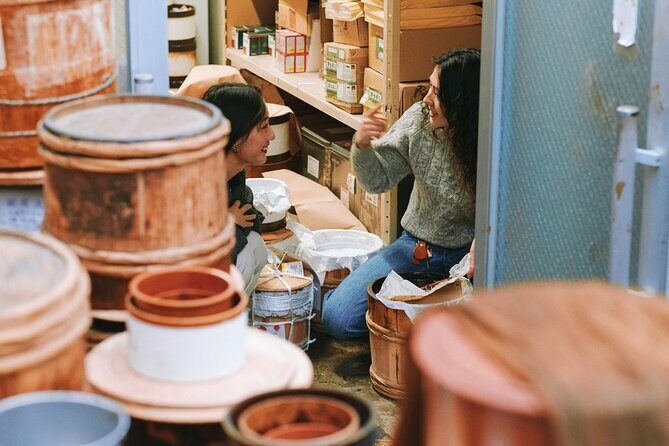
Your journey begins at the Tsutsumi Asakichi Urushi factory in Kyoto, where the focus is on the process of refining over 70% of Japan’s domestic urushi lacquer. This is a rare chance to see how a centuries-old craft is preserved and modernized through collaboration with local artists and brands. The factory tour is conducted entirely in English and offers an intimate look into the secret techniques of refining and coloring lacquer.
We loved the way the tour emphasizes both tradition and innovation. The guides explain how the lacquer is prepared, the differences between traditional and modern applications, and how this craft adapts to contemporary needs. The visit to the upper-floor workshop where you can apply lacquer to chopsticks is a highlight, as it transforms you from a spectator into a participant.
Applying Lacquer: A Creative Workshop
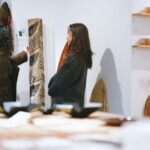
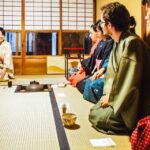
The workshop is where this experience truly stands out. Using the fuki-urushi technique—an elegant and traditional method—you will apply lacquer to a pair of chopsticks. The process is straightforward but requires patience and a steady hand. The guides will give you tips and demonstrate techniques, making it accessible even if you’re a beginner.
We were amused by the fact that you get to take home your own lacquered chopsticks as a personal souvenir. It’s a simple but meaningful way to remember the experience and adds a layer of authenticity that many travelers miss out on with pre-made crafts.
Exploring Bukkoji Temple
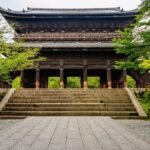
Next on the agenda is a visit to Bukkoji Temple, where you can admire the lacquer-covered main hall. This provides a tangible example of how lacquerware has long been integrated into religious architecture and decoration. It’s enlightening to see the spectrum from functional, everyday lacquerware to its role in sacred spaces.
The temple’s significance in Japanese culture helps deepen the appreciation for the craft’s historical importance. The peaceful setting also offers a moment of reflection amid your busy day of hands-on activities.
Lunch in Kyoto Style
After the temple visit, it’s time for a meal. You’ll dine at the “D&Department” restaurant, located within Bukkoji Temple’s precincts. The lunch features Kyoto ingredients, served in lacquerware bowls—a perfect example of how traditional craft enhances everyday life. The presentation is elegant, and the flavors reflect Kyoto’s culinary refinement.
This part of the tour is simple but effective in illustrating how lacquerware isn’t just about aesthetics—it’s about elevating the dining experience and preserving cultural practices.


Modern Uses of Lacquer
A fascinating aspect of this experience is the focus on modern-day lacquerware applications. Seeing lacquer on surfboards, skateboards, and bicycles demonstrates the material’s durability and flexibility, and it breaks the stereotype of lacquer being solely decorative or ceremonial.
We found the contrast striking—how this ancient technique is now part of such contemporary items—highlighting the adaptability of traditional crafts. It’s a reminder that cultural heritage can evolve and stay relevant, rather than fade away.
Practical Details and Value
The tour lasts around 2 hours 30 minutes, making it a compact yet comprehensive introduction. The price of about $130.68 per person might seem steep for some, but considering it includes a factory tour, hands-on workshop, lunch, a temple visit, and a personal souvenir, the value is quite fair.
Group size is limited to five, offering a personalized experience—you won’t be just another face in a crowd. The mobile ticket system makes planning easy, and the local guide ensures you won’t miss nuances that a self-guided visit might overlook.
While transportation isn’t included, the location near public transit makes it accessible if you plan your day well. Keep in mind that drinks are not included, so you might want to bring a water bottle or purchase something during the tour.
Authenticity and Satisfaction
Based on the descriptions and reviews, participants appreciate the informative guides and the chance to participate actively. One person mentioned that the factory tour revealed some “well-kept secrets,” and another appreciated the craftsmanship behind even everyday items like chopsticks.
The ability to take home a handcrafted lacquered item adds a personal touch many other tours lack. The tour’s emphasis on traditional techniques blended with contemporary use makes it both educational and inspiring.
Who Should Consider This Tour?
This experience is ideal for culture enthusiasts, craft lovers, and design fans wanting a taste of Kyoto’s craftsmanship without a long commitment. It’s perfect if you’re keen on interactive activities and curious about how traditional arts are kept alive today.
It also suits those who enjoy culinary experiences—lunch served in lacquerware complements the craft aspects beautifully. However, if you prefer a leisurely, in-depth exploration or are traveling with very young children, it might feel a bit brisk or specialized.
The Sum Up
This Lacquerware Craft Tour in Kyoto offers a well-balanced mix of art, history, and hands-on activity. You don’t just observe; you participate, creating a memorable connection to Japan’s lacquer tradition. The inclusion of a factory visit, temple exploration, and a delicious Kyoto-style lunch makes it a value-rich experience for those interested in traditional crafts with a modern twist.
The small group size ensures you get personalized attention and plenty of opportunities to ask questions. Plus, taking home your own lacquered chopsticks is a charming keepsake that will remind you of Kyoto’s craftsmanship long after the tour ends.
Whether you’re a craft lover, a culture seeker, or simply curious about Japanese traditions, this tour offers a worthwhile glimpse into how ancient techniques continue to influence everyday life in Kyoto today. It’s a brief but impactful journey into the art of lacquer, perfect for travelers eager to connect with authentic Japanese culture in a meaningful way.
Traditional and Modern Lacquerware on a Craft Tour in Kyoto
FAQs
How long is the tour?
The tour lasts approximately 2 hours and 30 minutes, offering a well-paced glimpse into Kyoto’s lacquer craft without feeling rushed.
Where does the tour start and end?
It begins at Tsutsumi Asakichi Urushi in Kyoto and ends back at the same meeting point, making it convenient to plan your day.
Is the tour suitable for children?
Most travelers can participate, but the activity involves applying lacquer—so it’s best for older children who won’t mind getting a little messy.
Do I need to arrange transportation?
Transport isn’t included, but the meeting point is near public transportation, so it’s easy to access with a Kyoto transit pass.
What language is the tour conducted in?
The entire experience is conducted in English, ensuring clarity and understanding for international visitors.
Are drinks included?
No, drinks are not included, but you’ll have the opportunity to purchase beverages during the tour or at nearby shops.
Can I buy additional crafts at the factory or shop?
While the tour includes a visit to the shop, the focus is on the lacquerware used during the experience. Additional crafts may be available for purchase separately.
What makes this tour a good value?
Considering the factory visit, hands-on workshop, lunch, temple exploration, and a personal souvenir, the price offers a well-rounded and authentic Kyoto experience that’s hard to match.
This tour offers a concise yet immersive look at Kyoto’s lacquer tradition, perfect for curious travelers eager to see how old and new art forms blend seamlessly in Japan’s cultural capital.