If you’re planning a trip to Siem Reap and want to see the legendary Angkor temples, this two-day tour promises to deliver an immersive experience with expert guides, awe-inspiring ruins, and plenty of insight into Cambodia’s cultural tapestry. With a consistent 5-star rating from travelers, it’s clear that many find this an enriching way to explore the iconic Angkor complex.
Two things we really appreciate about this tour are the quality of the guides—who are described as honest, reliable, and knowledgeable—and the thoughtful itinerary that allows plenty of time at each site. The only slight consideration might be the pace, which some travelers found quite full but rewarding.
If you love history, photography, or simply want to understand Cambodia’s spiritual heart, this tour should definitely be on your list.
It’s best suited for those with a moderate physical fitness level who enjoy guided learning and want a deep dive into the temples without the hassle of organizing transport or tickets. It’s a private experience, so your group gets tailored attention and flexibility. Expect to come away with not only stunning photos but also a genuine sense of Cambodia’s grandeur.
- Key Points
- An In-Depth Look at the Itinerary
- Day 1: Exploring the Hidden Gems and Sacred Sites
- Day 2: The Big Names and Iconic Views
- Transportation, Timing, and Group Dynamics
- What Travelers Say
- Value for Money
- Who Will Appreciate This Tour?
- FAQ
- More 2-Day Experiences in Siem Reap
- More Tours in Siem Reap
- More Tour Reviews in Siem Reap
Key Points
- Expert guides provide detailed insights, making each temple meaningful.
- Well-paced schedule balances extensive sightseeing with comfort.
- Authentic experience with fewer crowds at some sites like Banteay Samre and Preah Khan.
- High value considering entry fees are not included but the price covers transport, guiding, and flexible planning.
- Photographers will love the scenic views and tips on capturing the perfect shot.
- Suitable for travelers with moderate fitness levels who want a comprehensive, intimate tour.
An In-Depth Look at the Itinerary
You can also read our reviews of more tours and experiences in Siem Reap
Day 1: Exploring the Hidden Gems and Sacred Sites
Banteay Srei is often called the jewel in Angkor’s crown of stone carvings. Built in the 10th century, its pinkish sandstone makes it visually distinctive, and the carvings are some of the finest on earth—three-dimensional, well-preserved, and intricately detailed. The guide’s commentary enhances this experience, revealing the temple’s significance in Hindu worship, especially dedicated to Lord Shiva. Because it’s small but well restored, visitors often find it a peaceful start—an intimate introduction to Angkor’s artistry.
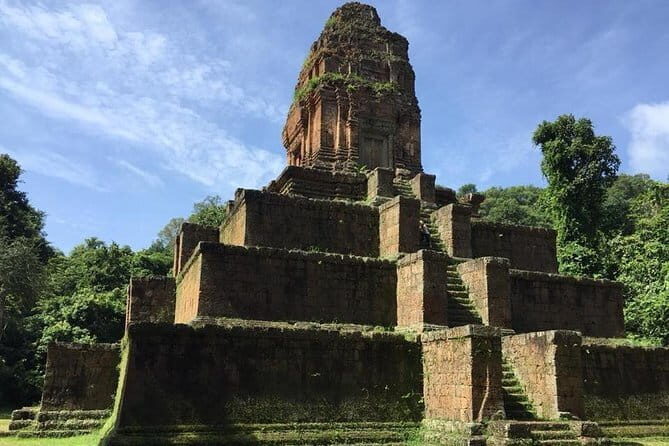
Banteay Samre offers a quieter, less crowded atmosphere, ideal for travelers seeking serenity. Built in the 12th century, it’s an impressive Vishnu temple from the same period as Angkor Wat. Its relatively good preservation status is thanks to recent renovations, which means you’ll get a sense of what the original structures looked like. Reviewers love this temple for the peace and the chance to explore without the crowds, making it a highlight for photography and reflection.
Preah Khan is one of the largest complexes—almost a labyrinth of vaulted corridors, stone carvings, and moss-covered ruins. Built by Jayavarman VII, a Buddhist king, it was a hub for worship and learning, hosting festivals and thousands of monks. The atmosphere here is special; you get the sense of an active, vibrant religious site frozen in time. Guides often point out the detailed carvings and explain Preah Khan’s role in Angkor’s spiritual life, adding depth to your visit.
Neak Pean is a small but uniquely constructed Buddhist temple on an artificial island in a manmade lake. The circular pools and naga sculptures create compelling photographic opportunities, especially for those interested in symbolism and water features. The story of the remaining statue—depicting a horse supported by human legs—adds an intriguing layer of myth and mythological storytelling to your experience.
Ta Som is a quick stop but packed with charm. Its eastern gate features a famous giant head with four faces representing Lord Brahma, but also symbolizing Avalokiteshvara—the Buddha of compassion. The giant fig tree growing over the ruins makes it a picture-perfect moment, and guides usually share stories about the temple’s connection to Jayavarman VII.
Eastern Mebon is notable for its temple-mountain style, once standing on an island in the now largely dry Eastern Baray. Its carved stone elephants and brick shrines reflect the grandeur of 10th-century Hindu architecture. Travelers often appreciate the detailed craftsmanship and the stories behind the temple’s design—highlighted by the thoughtful explanations from guides.
Pre Rup—meaning “turn the body”—is a fitting name, referencing traditional cremation rituals. Built in the 10th century, its pyramid shape and lotus towers offer a panoramic view of the area, especially at sunset, if you opt for that experience. Reviewers praise the site for its striking architecture and the chance to learn about ancient Cambodian burial practices.
Day 2: The Big Names and Iconic Views
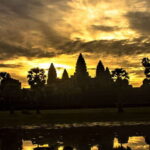
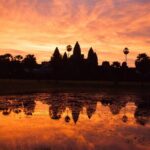
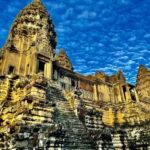
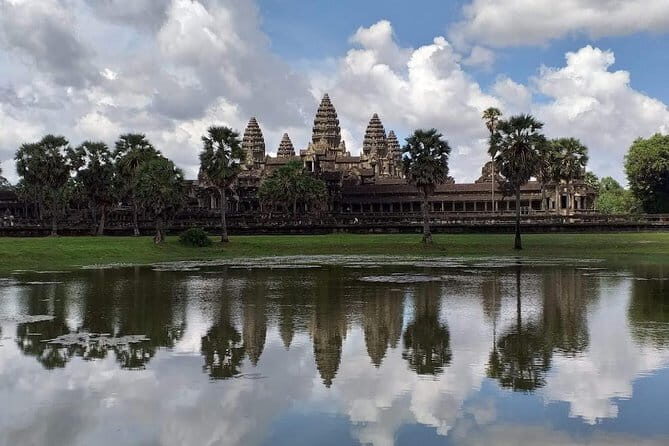
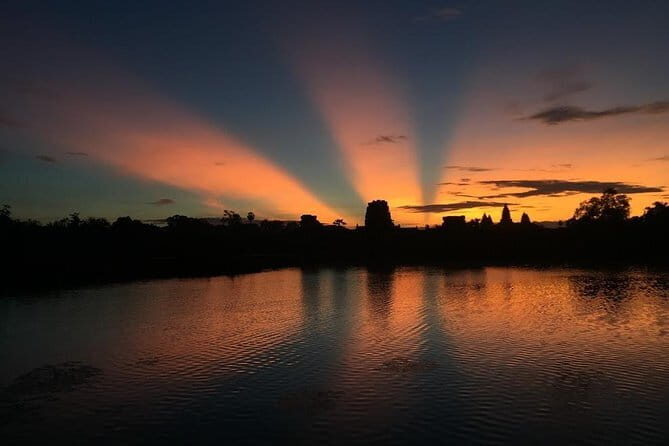
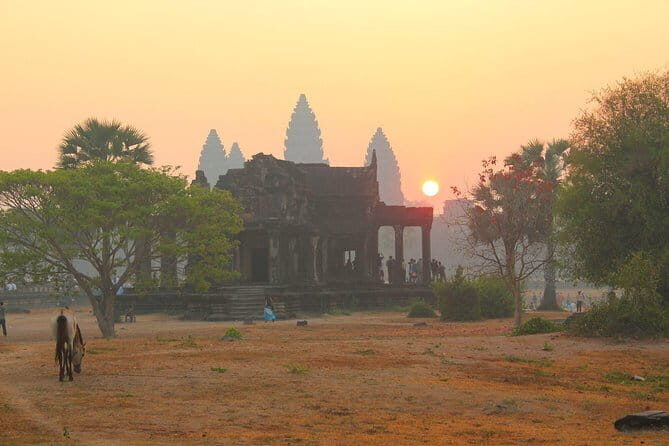
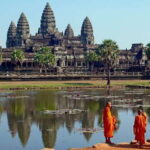
Angkor Wat needs little introduction. Built in the 12th century, it’s the largest religious structure in the world—an immense, symmetrical masterpiece dedicated to Vishnu. The tour focuses on the main temple, allowing you to soak in its grandeur, intricate bas-reliefs, and spiritual ambiance. The approach via the causeway is an experience in itself, setting the tone for the awe-inspiring visit.
Phnom Bakheng offers a more active part of the day. Whether you hike up about 20 minutes or simply enjoy the view, this hilltop temple provides a sweeping vista of Angkor Wat and the surrounding landscape. The five-tiered architecture is symbolic—representing the Hindu heavens—and makes it a popular spot for sunset, with enough space for a small crowd.
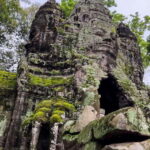
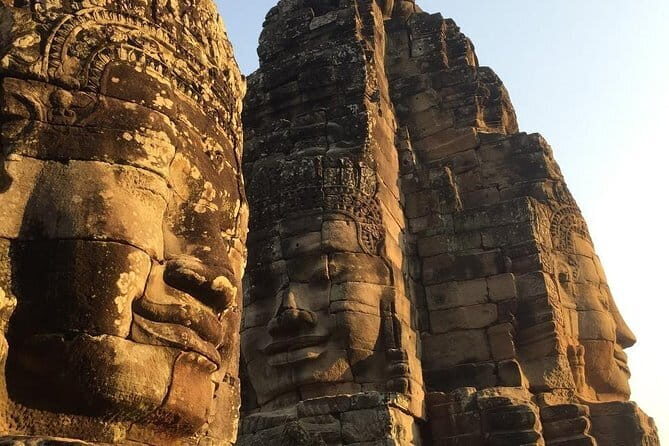
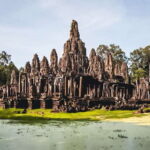
Angkor Thom is the last major city of Angkor, enclosed by impressive walls and featuring the famous Bayon temple, with its hundreds of giant stone faces. The gates are decorated with stone elephants and gargantuan Avalokiteshvara faces, making every approach a photo opportunity. The guide’s detailed recounting of Angkor Thom’s history brings the city’s bustling past into focus, even amid the ruins.
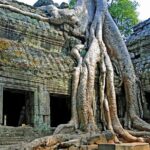
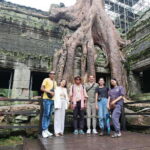
Ta Prohm is the most atmospheric site, famous for the massive trees growing through the ruins—most recognizable from the film “Tomb Raider.” Built in 1186, it was originally a monastery and support for thousands of people. Its jungle-vine-covered stones evoke a sense of mystery and adventure, and many travelers find it the highlight for photography and mood.
Transportation, Timing, and Group Dynamics
The tour includes air-conditioned transport, making long days more comfortable. The itinerary is designed to balance sightseeing with rest, but be prepared for a full schedule. The group is private, so you won’t be squeezed with strangers, and guides are flexible—ready to adapt based on your interests or energy levels.
Timing-wise, each site gets approximately an hour, which is enough for a thorough look without rushing. Entry fees are not included, so bring some cash for tickets—though your guide will handle the logistics. The tour is recommended for those with moderate physical fitness, as some walking and climbing are involved, especially at hilltop sites like Phnom Bakheng.
What Travelers Say
Reviewers consistently praise the knowledge and friendliness of guides, highlighting how their deep understanding of the temples’ history, architecture, and cultural significance enriches the experience. Multiple reviews mention guides like Borey, Kim, and Bunleat, who go beyond basic explanations to share fascinating stories, photography tips, and personal insights.
Many travelers appreciate the flexibility of the tour, with some noting how guides adapted their plans based on weather or personal interest, enhancing the overall experience. There’s a common theme: with the right guide, the sprawling Angkor complex becomes a manageable, memorable journey.
Value for Money
At approximately $102.57 per person, the price seems reasonable considering the comprehensive nature of the tour, the private guide, and the transport. Since tickets are not included, travelers should factor in the additional cost but will find that the value lies in the guided stories, insider tips, and the convenience of a tailored itinerary.
Who Will Appreciate This Tour?
This tour is ideal for history buffs, photographers, and culture enthusiasts who want to see a diverse range of temples without the stress of self-organized travel. It’s suited for those who prefer guided explanations to maximize understanding and take advantage of local knowledge. The private format makes it a good choice for families, couples, or small groups seeking a personalized experience.
Travelers with moderate fitness levels will find the schedule manageable, but be prepared for some walking and climbing. If you’re after an in-depth look at Angkor’s most significant sites, with a guide who can make the stones talk, this tour offers an engaging and well-rounded way to spend two days in Cambodia’s most famous archaeological complex.
Two Day Angkor Temples Tours
FAQ
Are tickets to the temples included?
No, admission tickets are not included, but your guide will handle the purchase at the entrance.
Is this a private tour?
Yes, it’s designed only for your group, giving you flexibility and personalized attention.
What’s the duration of each day’s sightseeing?
Each day involves roughly 6-8 hours of temple visits, with about an hour at each major site.
Are transportation and water provided?
Yes, a comfortable, air-conditioned vehicle and cold water are included to keep you refreshed.
Is the tour suitable for children?
Yes, as long as they are moderately active, since some walking and climbing are involved; many reviews mention family-friendly experiences.
Can I customize the itinerary?
Since it’s a private tour, guides are flexible and willing to adapt based on your interests and pace.
What should I bring?
Bring comfortable shoes, sun protection, a hat, and cash for tickets and souvenirs.
Is the tour good for photography?
Absolutely. Guides often share tips on capturing the best shots, and the sites themselves are photographic gold.
How do I book this tour?
You can reserve through Viator or contact Angkor Heritage Tours directly for arrangements.
This two-day tour of Angkor is a fantastic way to see the most significant and interesting temples with expert guidance, making it ideal for travelers who value depth and authenticity. The guides’ extensive knowledge, combined with the well-chosen sites, means you’ll come away with a richer understanding of Cambodia’s spiritual and cultural legacy—plus plenty of memorable photos.
If you’re after a comfortable, well-organized experience that balances iconic sights with hidden gems, this tour offers excellent value while avoiding the overwhelm of trying to navigate Angkor solo. It’s especially suited to those who appreciate guided storytelling, want to avoid the crowds at some sites, and enjoy capturing stunning scenery.
This tour will be a highlight of your trip, offering insight, beautiful views, and the chance to connect with Cambodia’s enduring history through the eyes of passionate local guides.