Exploring Yokohama’s Yamate district through a guided walk is a fantastic way to understand how this port city transformed in the late 19th century. This tour, offered by Reelu takes you on a journey back to the 1860s, when Yokohama opened to international trade and Western influence began reshaping the city.
It’s an experience built for those who love history, architecture, and authentic cultural moments rather than cookie-cutter sightseeing.
What really sets this tour apart are its focus on less-visited historical sites and the knowledgeable guides who bring Yokohama’s story to life. We particularly love the chance to peek into Western-style homes and cemeteries that are often missed by larger group tours.
One potential consideration is the relatively short duration—at just two and a half hours, it’s brisk and packed, so if you’re looking for a deep dive, you might want to supplement it with extra exploration later.
This tour suits travelers with a curiosity about Japan’s firsts—from bread to beer—and those wanting a tangible connection to Yokohama’s roots. It’s an ideal choice for history buffs, culture enthusiasts, and anyone eager to see Yokohama’s past through a local lens.
Key Points
 1 / 5
1 / 5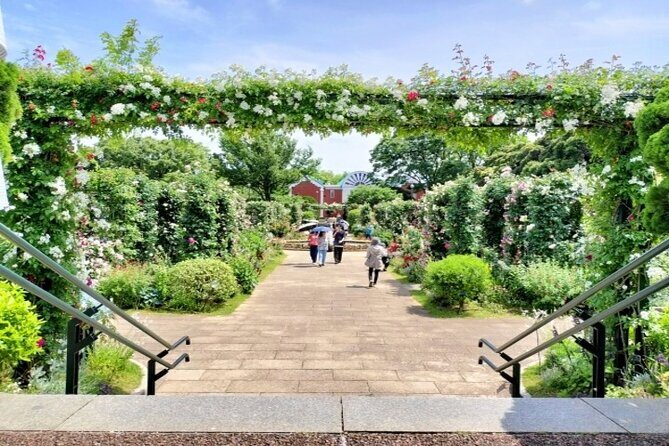 2 / 5
2 / 5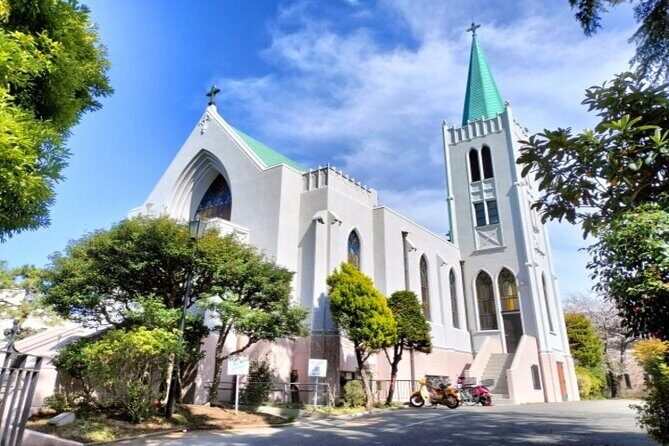 3 / 5
3 / 5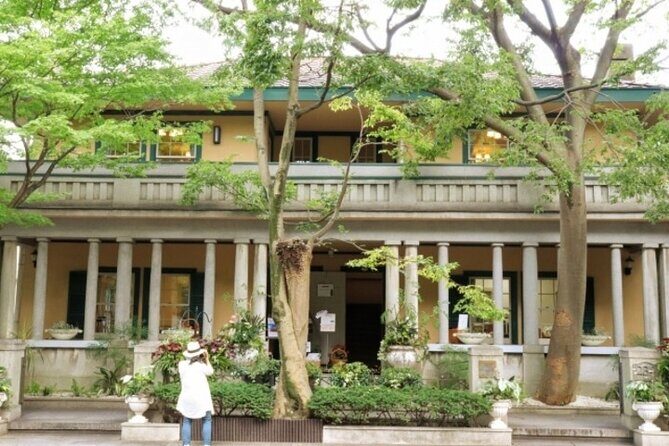 4 / 5
4 / 5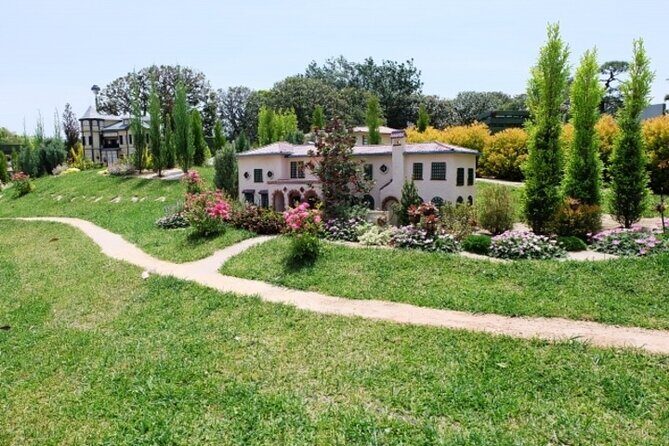 5 / 5
5 / 5- Historical focus: Explores Yokohama’s port-opening era through preserved sites.
- Authentic experiences: Visits Western homes and cemeteries often missed by larger tours.
- Expert guidance: Insightful commentary from a knowledgeable local guide enhances understanding.
- Cultural insights: Learn about Japan’s early “firsts” like newspapers, beer, and bread.
- Scenic stops: Enjoy views from Harbor View Park and stroll through bustling Motomachi.
- Value: At just over $50, it offers a compact, meaningful glimpse into history.
This walking tour is designed to connect you with Yokohama’s transformation from a modest fishing port into a bustling international city. The history is layered, and it’s the guide’s storytelling that makes it come alive. They explain how Western residents settled on The Bluff, a neighborhood where European-style homes and cemeteries still stand as testaments to those early days.
You’ll meet at Motomachi-Chukagai Station, a hub that’s easy to access via public transportation, and begin your journey with a sense of anticipation. The tour ends in the lively Motomachi Shopping Street, where you can linger at long-standing shops like Uchikipan, a bakery with over 150 years of history.
Yamate District, Known as The Bluff
The tour begins here, where Western residents settled after Yokohama’s port opened in the 1860s. The neighborhood features well-preserved Western-style homes, such as the Ehrismann Residence and Bluff No.18. We loved the way these structures reflect the international influences that defined this era—imposing yet charming, they offer a window into Yokohama’s early modernization.
The guide’s commentary helps you appreciate the significance of each building. For example, Ehrismann Residence isn’t just a pretty house—it’s a symbol of cross-cultural exchange, built by a German merchant who played a role in Yokohama’s trade expansion.
You can also read our reviews of more walking tours in Yokohama

Harbor View Park
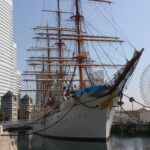
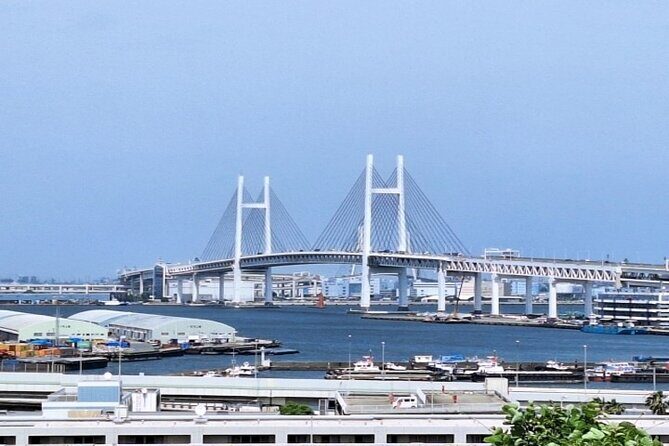
This scenic spot offers a panoramic look at Yokohama’s bay and port, connecting past and present. From here, we got a great view of the bustling port area, which still remains a vital shipping hub today. It’s an ideal place to pause and reflect on how the port’s opening in the 1860s redefined this city’s identity.
Yokohama Foreign General Cemetery
A quiet, respectful site, the cemetery houses graves of many foreign residents who helped shape Yokohama’s early international community. The guide shared stories about some of these individuals, adding a personal touch to history. It’s a somber but meaningful stop that emphasizes Yokohama’s role as a gateway between Japan and the world.
Western-Style Homes
Beyond Ehrismann Residence, the tour includes a visit to Bluff No.18, another example of Western architecture. These homes aren’t just relics; they’re active reminders of Yokohama’s first foreign residents, many of whom played crucial roles in shaping Japanese modernization.
Yokohama Then and Now Walking Tour of the Port Opening Era



The Final Stretch: Motomachi Shopping Street
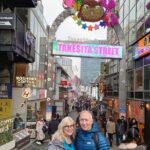
The tour wraps up with a stroll through this historic shopping area. It’s a lively contrast to the quiet, historical sites, filled with shops that have stood the test of time. The highlight here is Uchikipan, a bakery that’s been baking bread for over 150 years—perfect for grabbing a snack and soaking in local life.
At $52.57, the tour provides good value for a guided experience that packs in history, culture, and scenic views. The group size is limited to 12, ensuring a personal touch and plenty of interaction with the guide. Since the tour is conducted in English, it’s accessible to international visitors.
The two-and-a-half-hour duration is just right for a manageable half-day outing. It’s a brisk walk, so comfortable shoes are recommended. The meeting point at Motomachi-Chukagai Station is convenient, close to public transit, making it easy to incorporate into your Yokohama itinerary.
Though the guide provides insightful commentary, note that food and drinks are not included—so plan to buy a coffee or snack in Motomachi afterward to round out your experience.
This tour offers a compact yet comprehensive look at Yokohama’s early modernization through the lens of its Western-influenced architecture and historic sites. For those seeking an authentic, less commercialized side of Yokohama, it hits the mark. The emphasis on local stories and preserved sites makes it especially appealing to history lovers or travelers interested in cultural exchange.
Given its relatively affordable price, the tour provides a meaningful window into a pivotal period of Japanese history without feeling rushed or superficial. If you’re someone who enjoys guided walks with a knowledgeable host, this will enrich your understanding of Yokohama’s roots.
However, if you have mobility issues or prefer longer, more relaxed explorations, the brisk pace and limited duration might be a consideration. Also, since it’s a small-group tour, booking in advance is recommended—especially during peak seasons.
For travelers eager to connect with Yokohama’s port-opening roots in an engaging and authentic manner, this walking tour is a solid choice. It offers a blend of history, culture, and scenic views that give you a deeper appreciation of how Yokohama transformed from a quiet fishing village into Japan’s first major international port. The knowledgeable guides, well-chosen sites, and lively shopping district at the end make it a well-rounded experience.
If you value local stories, architectural gems, and scenic vistas, this tour delivers. It’s perfect for those who want to go beyond the typical tourist spots and understand Yokohama’s importance in Japan’s modernization story.
Is this tour suitable for children?
Most travelers can participate, but since it involves walking and some historical sites, younger children should be comfortable with a 2.5-hour walk and listening to historical commentary.
Where does the tour start and end?
It begins at Motomachi-Chukagai Station and finishes at Yokohama Motomachi Shopping Street.
Are food and drinks included?
No, you will need to purchase your own coffee or snacks during the break at Motomachi Shopping Street.
How long in advance should I book?
The tour is typically booked about 30 days ahead, so planning early is a good idea to secure your spot.
What is the group size?
The maximum group size is 12 travelers, ensuring a more personalized experience.
Is transportation needed during the tour?
No, it’s a walking tour, but the meeting point is accessible via public transportation.
Can I cancel if my plans change?
Yes, the tour offers free cancellation up to 24 hours in advance, providing flexibility for unforeseen changes.
This Yokohama Then and Now Walking Tour offers a balanced mix of history, culture, and scenic beauty. Whether you’re a history buff, a curious traveler, or someone simply wanting to understand Yokohama’s unique story, it’s a walk worth taking.