Exploring Ethiopia’s Omo Valley: A 5-Day Adventure from Arba Minch
When considering a trip to Ethiopia, few experiences are as captivating and authentic as a journey through the Omo Valley. This 5-day tour from Arba Minch offers a window into some of Africa’s most remote tribes, vibrant cultures, and breathtaking landscapes. Designed for those eager to see Ethiopia beyond its historic sites, this tour promises a blend of culture, scenic beauty, and knowledgeable guiding.
What we love about this experience? First, the chance to visit tribal villages that have remained largely unchanged for centuries. Second, the tour’s well-balanced itinerary allows for a genuine connection with local peoples, combined with comfortable lodging and reliable transportation.
One thing to keep in mind is the long travel hours each day—often around 9 hours—which could be tiring but also means full immersion in these remote areas. This tour is best suited for travelers who are comfortable with a bit of adventure and dirt-road driving, and who want an authentic, structured experience of the Omo Valley’s diverse tribes and landscapes.
- Key Points
- Starting Point: Arba Minch and the First Day
- Day Two: Konso and the Tribal Markets
- Day Three: Dasenech Village and Bull Jumping
- Day Four: Karo and Jinka – Indigenous Art and Nature
- Day Five: Mursi Tribe and Return
- What’s Included and What’s Not
- The Experience from a Traveler’s Perspective
- Who Should Consider This Tour?
- Making the Most of Your Omo Valley Trip
- FAQs
- The Best Of Arba Minch!
- More 5-Day Experiences in Arba Minch
- More Tours in Arba Minch
- More Tour Reviews in Arba Minch
Key Points
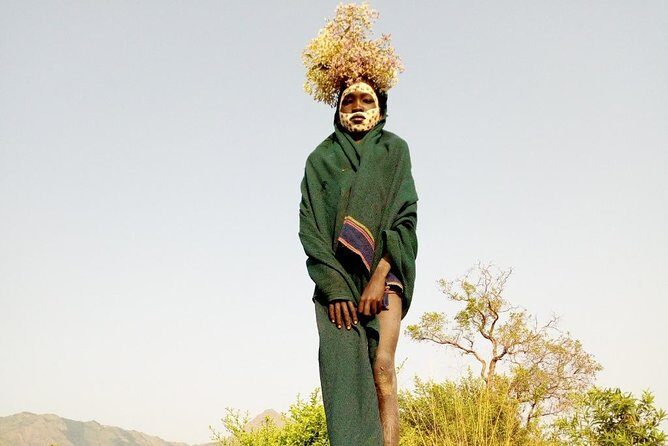 1 / 3
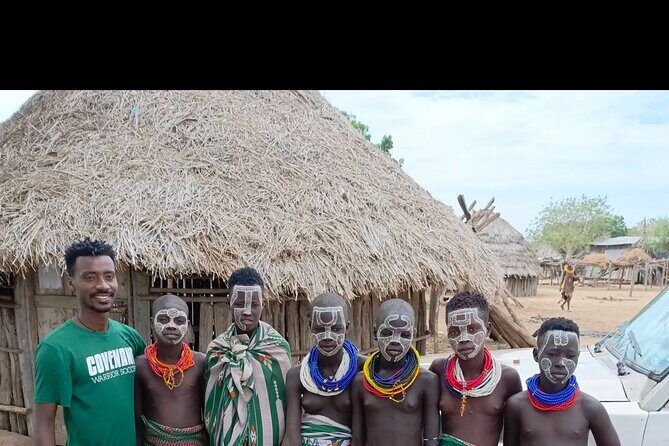 2 / 3
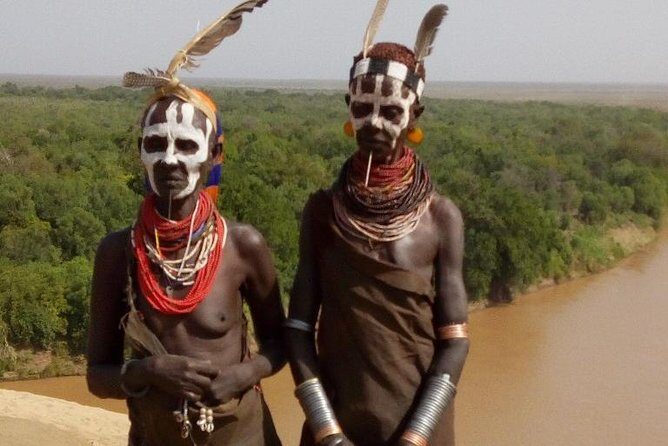 3 / 3
- Authentic Cultural Encounters: Visit tribes like the Dorze, Konso, Dasenech, and Mursi, each with their unique traditions and customs.
- Expert Guidance: Knowledgeable guides enhance your understanding of the local cultures and landscape.
- Comprehensive Itinerary: Over 5 days, the tour covers villages, markets, and national parks, providing a broad view of the region.
- Comfort and Convenience: All transportation, village fees, and most meals are included, making planning easier.
- Flexible and Private: The tour is exclusive to your group, ensuring a personalized experience.
- Value for the Price: At $1,750 for up to three people, this package offers a lot of authentic sights and cultural insights.

👉 See our pick of the 16 Most Highly Rated Tours & Things To Do In Arba Minch
Starting Point: Arba Minch and the First Day
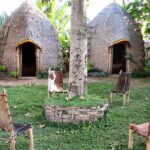
The adventure begins in Arba Minch, a lush town known for its lakes and birdlife. Your guide picks you up from the airport, setting the tone for a smooth journey. The first stop is the Dorze Village, about a 5-hour drive away. Here, you’ll see traditional houses shaped like beehives and learn about the Dorze people’s weaving and agricultural practices. It’s a great introduction to Ethiopia’s tribal diversity, and the admission ticket is included, so no surprises there.
The Paradise Lodge, your overnight stay in Arba Minch, offers a comfortable base to relax after your first day of exploration. The scenic drive and the chance to interact with the Dorze people make this an engaging start.
You can also read our reviews of more tours and experiences in Arba Minch
Day Two: Konso and the Tribal Markets
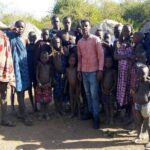
Day two is a longer haul—about 9 hours—but packed with memorable sights. You’ll drive from Arba Minch to Turmi, with a stop at one of the oldest villages of the Konso tribe. The Konso are known for their terraced farming and carved wooden statues. Visiting their village offers insight into their unique cultural practices and social structures.
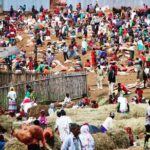
Midway, you’ll stop at the tribes market in Keyafer, where tribes come to trade and socialize. These markets are lively hubs of color, sound, and tradition, offering a rare glimpse into everyday life for Ethiopia’s remote tribes. The tour includes admission tickets, so you can focus on absorbing the scene rather than logistics.
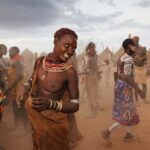
Overnight in Turmi, a hub for tribes like the Hamer and Karo, provides a chance to experience local hospitality and perhaps catch a glimpse of traditional music or dance.
Day Three: Dasenech Village and Bull Jumping
On Day three, the journey takes you to the Dasenech tribe at Omorate, across the Omo River. Visiting this village offers a look at a community that remains relatively isolated, with customs that have persisted for generations.
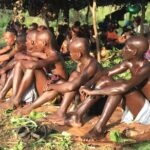
The highlight for many travelers here is the bull jumping ceremony, a rite of passage for young Hamer men. Witnessing this event—typically held in the afternoon—is an opportunity to see a vivid tradition that symbolizes manhood and social status. It’s a visually striking occasion, often involving traditional dress, body painting, and spirited community participation.
This day balances cultural discovery with a bit of adventure—standing on the banks of the Omo River, watching a centuries-old tradition unfold.
Day Four: Karo and Jinka – Indigenous Art and Nature
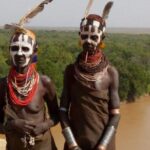
Day four begins with a visit to the Karo tribe on the banks of the Omo River, where body painting and facial scarification are part of their cultural identity. You’ll see the intricate body art and learn about their traditions, which are increasingly rare in the modern world.
Later, the tour heads to Jinka, known as Ethiopia’s gateway to the south. In the afternoon, you’ll visit the Ari tribe, renowned for their weaving and pottery. Staying overnight in Jinka offers a comfortable base, and the journey through the Mago National Park, if you choose to explore further, can deepen your understanding of the region’s diverse ecosystems.
Day Five: Mursi Tribe and Return
The final day takes you to the Mursi tribe, famous for their lip plates. You’ll drive through the Mago National Park to reach Mursi village, where women wear large lip plates as a sign of beauty and social status. It’s a unique, sometimes startling tradition, but one that reveals the deep cultural roots of the community.
After visiting the Mursi, you’ll head back to Jinka, and from there, the tour concludes with a drive back to the airport. The 4-hour return journey gives you time to reflect on the incredible diversity of Ethiopia’s tribes.
What’s Included and What’s Not
The tour package covers all transportation, including the vehicle, guide, and village entry fees, which simplifies logistics. All meals—breakfast, lunch, and dinner—are included during the trip, so you won’t have to worry about finding food in remote areas. The accommodation at the Paradise Lodge and other local guesthouses offers a comfortable stay, balancing authenticity with basic comforts.
However, airfare to and from Ethiopia is not included, nor are personal shopping and photo fees. It’s worth budgeting for souvenirs or extra pictures, especially at tribal villages where photography may incur additional costs.
The Experience from a Traveler’s Perspective
The reviews highlight how knowledgeable guides enhance the experience—providing context, cultural insights, and making the interactions more meaningful. One traveler described the tour as “a great experience,” emphasizing the authenticity of the cultural encounters.
The lengthy travel days might seem daunting, but they’re part of the adventure, allowing for maximum exposure to Ethiopia’s diverse tribes and landscapes. The private nature of the tour helps keep the experience intimate, and the inclusion of village fees and meals adds to its convenience and value.
Who Should Consider This Tour?
This experience is perfect for those interested in cultural exploration, eager to see Ethiopia’s tribal communities firsthand. It’s suitable for curious travelers willing to handle long drives and basic conditions in exchange for authentic encounters. Those seeking a guided, well-organized trip with a good balance of adventure, comfort, and cultural education will find this tour particularly appealing.
Making the Most of Your Omo Valley Trip
Prepare for a journey that’s as much about observing traditions as it is about seeing landscapes. Pack comfortable clothing, sun protection, and patience for the long hours on the road. Respect for local customs and openness to new experiences will heighten your enjoyment.
The tour’s structure allows you to witness some of Ethiopia’s most fascinating and resilient cultures—a remarkable chance to step beyond the usual tourist trail and connect with communities that have preserved their identities through centuries.
5 Day tour from arbaminch to omo valley
FAQs
Is this tour suitable for all travelers?
Most travelers can participate, but be aware of the long driving hours and basic facilities in some villages. It’s best for those comfortable with adventure and open to culture.
What is the cost of the tour?
It’s $1,750 for your entire group of up to 3 people, which includes transportation, guide, village entry fees, and most meals—an excellent value considering the scope and authenticity of the experience.
Are all meals included?
Yes, breakfast, lunch, and dinner are covered during the tour days. You’ll have the chance to try local dishes and enjoy the hospitality of the communities.
Can I take photos?
Most villages allow photography, but there may be photo fees. Always ask permission before taking pictures of people or ceremonies.
What kind of accommodation is provided?
Comfortable lodges and guesthouses are used, including the Paradise Lodge in Arba Minch. They offer a balance of authenticity and comfort suitable for most travelers.
How do I get to Arba Minch to start the tour?
You’ll need to arrange your flight into Ethiopia and travel to Arba Minch independently—this tour begins right in town.
Is there a cancellation policy?
Yes, cancellations are free up to 24 hours in advance for a full refund, making it flexible if your plans change unexpectedly.
To sum it up, this 5-day tour from Arba Minch to the Omo Valley offers a remarkable chance to experience Ethiopia’s diverse tribes, picturesque landscapes, and vibrant cultures. It suits travelers who crave authentic engagement and are eager for a guided adventure that balances cultural depth with manageable logistics. With knowledgeable guides and all logistics taken care of, it’s a solid choice for anyone wanting to see a side of Ethiopia that’s still mostly untouched by mass tourism.