If you’re hunting for an authentic hands-on Japanese experience in Tokyo, this small-group sweets-making class offers a charming window into Japan’s culinary and cultural traditions. Set in the lively Harajuku neighborhood, this tour promises more than just sweet treats—it’s an intimate glimpse into local life, craftsmanship, and tea ceremony customs.
While it’s ideal for those curious about Japan’s confectionery arts, it’s equally suited for travelers wanting a memorable, interactive activity that combines learning and tasting.
What we love most about this experience is its perfect balance of authenticity and personalized attention—you’re not just observing but actively making beautiful nerikiri sweets and enjoying a traditional matcha session. Plus, the fact that it’s hosted in a welcoming home environment near busy shopping streets makes it feel genuine and relaxed.
A small caveat is that the class lasts just under two hours, which might seem short for some, but it’s packed with enough hands-on activity and cultural insight to feel very fulfilling.
This tour is best suited for culture enthusiasts, families, or anyone interested in Japanese cuisine. Whether you’re a first-time visitor wanting to understand traditional sweets or a foodie eager to learn a new skill, you’ll find this experience both fun and educational. For those on a tight schedule, the central Harajuku location also makes it easy to combine with sightseeing or shopping afterwards.
Key Points
 1 / 6
 2 / 6
 3 / 6
 4 / 6
 5 / 6
 6 / 6
- Authentic Craftsmanship: Learn to make nerikiri sweets from natural ingredients like bean paste and sugar.
- Cultural Insight: Includes a traditional matcha tea ceremony, deepening your understanding of Japanese customs.
- Personalized Experience: Small group sizes (max 4 travelers) ensure individual attention and hands-on participation.
- Convenient Location: Just minutes from popular stations like Omotesando and Harajuku, ideal for combining with other sightseeing.
- Family-friendly: Suitable for children and adults, with reviews praising the ability of young kids to participate.
- Great value: For $60, you get to make four sweets, enjoy matcha, and walk away with skills you can recreate at home.
The Journey of a Typical Session
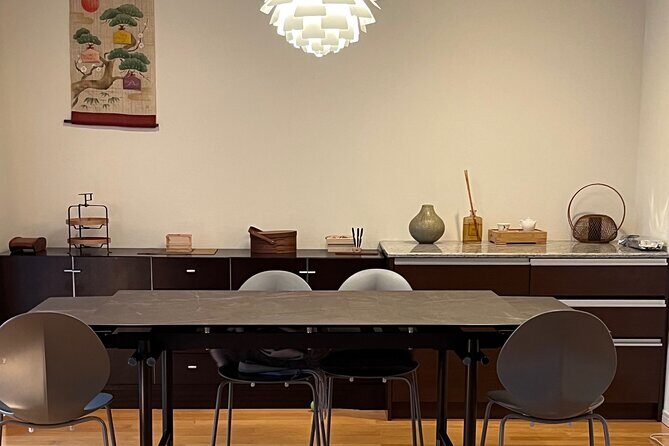
This class kicks off at the meeting point, Chums Omotesando, situated just a few minutes’ walk from Omotesando and Harajuku stations—an easy starting point even after a day of sightseeing. After greeting your instructor Hana, you’ll head to her home in the neighborhood, where the relaxed, friendly atmosphere helps you feel immediately at ease.
Hana’s warm welcome is a highlight; reviews consistently praise her as knowledgeable, patient, and engaging. She’s also attentive to both adults and children, creating a space where everyone feels comfortable trying their hand at this traditional craft.
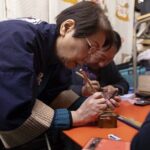
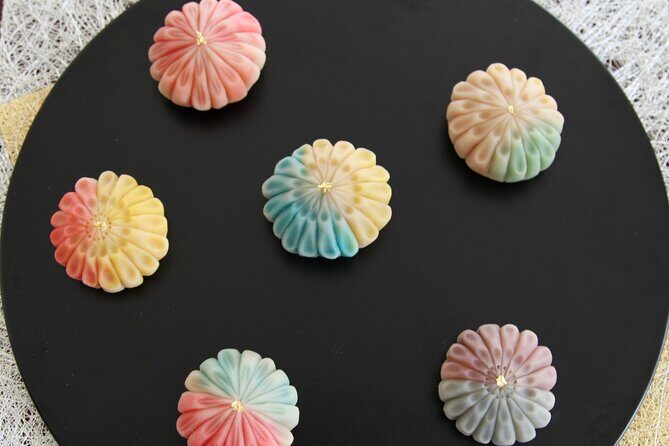
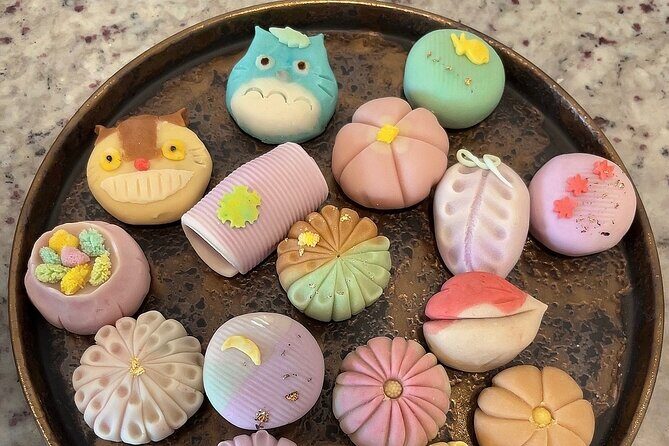
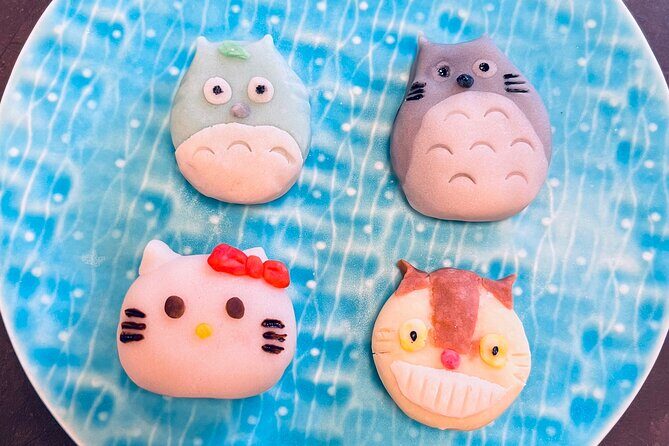
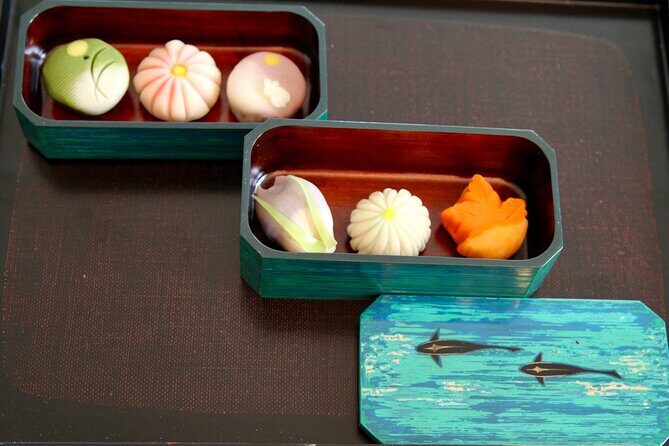
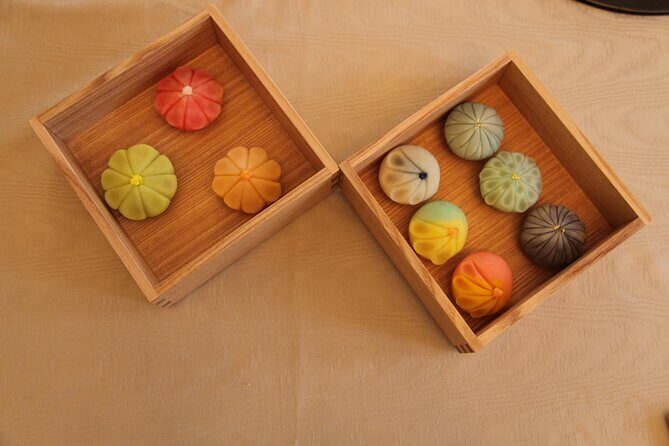
The main activity involves making three different nerikiri shapes—these are delicate, colorful sweets crafted from bean paste, sugar, and natural food coloring. Hana guides you through each step, demonstrating techniques to shape and decorate, and then allows you to try freestyle designs. Think of it as a mini art project, with the added bonus of eating your creations afterward. One review fondly recalls making a Totoro, a cherry blossom, and a kawaii Sanrio character—all crafted with patience and encouragement.
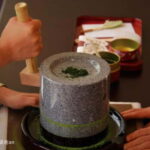
The class doesn’t stop there. Hana then introduces you to the table-style tea ceremony, where you’ll prepare and enjoy a cup of freshly whisked matcha. This ritual offers insight into Japanese hospitality and aesthetics, elevating the sweets you’ve made. Several travelers mention how this part enhances the experience—combining taste, technique, and tradition.
In total, you’ll create four sweets—a perfect number for tasting and sharing—and enjoy a hot matcha drink, making for a well-rounded cultural snack session. The entire experience lasts around 1 hour 45 minutes, making it manageable even for those with busy itineraries.
You can also read our reviews of more tours and experiences in Tokyo

Why This Experience Works
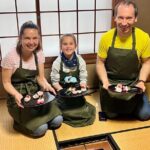
The small group setting is one of the biggest advantages. With a maximum of four travelers, Hana can give personalized tips and address individual questions, making the activity accessible whether you’re a complete beginner or an experienced crafter. Many reviews highlight how Hana’s friendly demeanor and clear instructions made complex-looking sweets surprisingly easy to make.
Another key aspect is its location. Being just a few minutes’ walk from major stations, it fits smoothly into a day of sightseeing. After your class, you’re free to explore Harajuku’s trendy shops, quirky cafes, or peaceful Meiji Shrine—all within walking distance.
The value for money is notable. For just $60, you learn a traditional skill, enjoy delicious tastes, and leave with handmade souvenirs and new cultural knowledge. Many reviewers have expressed delight at how much they gained from a relatively short activity, emphasizing that it’s a worthwhile addition to any Tokyo itinerary.
The reviews also underscore the family-friendly nature of the class. Children as young as four have successfully participated, crafting adorable nerikiri figures while parents learn about the cultural context. It’s a playful, gentle activity that appeals to all ages.
The Authenticity and Cultural Depth
This isn’t just a fun crafting session; it’s a window into Japanese traditions. The nerikiri sweets originate from Kyoto over 300 years ago during the Edo period, developed alongside the tea ceremony to emphasize beauty and seasonality. Hana patiently explains this background, enriching the experience with history and significance.
The tea ceremony component goes beyond just drinking matcha—it’s about understanding the ritual, the aesthetics, and the mindfulness that make Japanese tea culture special. As one reviewer puts it, “you learn how to do a table-style tea ceremony,” which adds a meditative dimension to the activity.
Several participants noted how the experience was aesthetically pleasing, with beautiful sweets and a cozy home environment that felt genuinely Japanese. It’s a chance to slow down, focus on detail, and appreciate craftsmanship—elements often missing in hurried sightseeing.
Practicalities and Tips for Travelers
The class is booked about 33 days in advance on average, so plan ahead if you’re traveling during peak times. It’s recommended for those interested in Japanese culture or cuisine, and the small size makes it suitable for families or intimate groups.
The location, near Omotesando and Harajuku, means you can easily combine it with other Tokyo highlights. After your session, take a stroll through Takeshita Street or visit nearby parks. Hana’s home is just three minutes from Omotesando station and ten minutes from Harajuku station on foot, making logistics straightforward.
The price of $60 includes all materials, instruction, four sweets, and matcha tea—an excellent value considering the personal attention and cultural depth. The class is cancellable with full refund if canceled at least 24 hours in advance, offering peace of mind when booking.
This experience is ideal for curious travelers who want more than just sightseeing—those eager to engage with Japanese culture through hands-on activities. It’s perfect for families with children looking for a memorable, gentle activity. Foodies interested in traditional sweets and tea will love how accessible and fun Hana makes the process.
It also suits travelers who appreciate small-group experiences and want a more intimate, relaxed atmosphere. If you’re seeking a meaningful souvenir—either in the form of new skills or delicious treats—this class delivers.
Final Thoughts
This nerikiri and matcha class offers a delightful blend of artistry, history, and taste—all in a friendly, homey setting in Tokyo’s vibrant Harajuku neighborhood. You’ll leave with not just sweets but also a better understanding of Japanese aesthetics and hospitality.
Compared to other culinary options, its personalized approach and cultural depth make it stand out. The reviews consistently praise Hana’s warm teaching style and the quality of the experience, making it a genuinely memorable part of any Tokyo trip.
Whether you’re traveling solo, as a couple, or with family, this activity provides a relaxing, authentic slice of Japanese life—a sweet spot for those who want to savor Japan beyond the usual tourist spots.



Make Traditional Japanese Sweets Nerikiri & Make matcha
FAQs
What is included in the price of $60?
The fee covers all materials for making four sweets, instruction from Hana, and a cup of matcha tea, making it a complete cultural experience.
How long does the class last?
The activity takes approximately 1 hour 45 minutes, giving ample time to learn, create, and enjoy your handmade sweets.
Is the location easy to reach?
Yes, it’s just three minutes on foot from Omotesando station and ten minutes from Harajuku station, in the heart of Tokyo’s fashionable district.
Can children participate?
Absolutely. Multiple reviews mention children as young as four making nerikiri successfully, and Hana’s friendly style makes it suitable for all ages.
What should I wear?
Casual, comfortable clothing is fine—just be prepared to get your hands a bit sticky with the ingredients.
Can I cancel if my plans change?
Yes, you can cancel for a full refund if you do so at least 24 hours in advance, offering flexibility.
Is this experience suitable for solo travelers?
Yes, the small-group format makes it perfect for solo travelers seeking an intimate cultural activity.
What makes this experience unique?
Making traditional sweets in a local home setting, combined with a Japanese tea ceremony, offers an authentic and personal look into cultural customs.
Can I get souvenirs or take my sweets home?
Yes, you’ll walk away with your handmade nerikiri sweets, and you can enjoy the skills you learn long after the class ends.
This class stands out as an excellent way to connect with Japan’s rich confectionery traditions, all while enjoying a cozy, personal atmosphere. It’s an ideal choice for anyone looking to add a meaningful, tasty, and visually stunning experience to their Tokyo adventures.