Traveling in Japan often means encountering its unique cultural symbols—from cherry blossoms to historic temples. One tradition that might surprise you is the use of Hanko, personalized seals that serve as official signatures. This tour offers a rare opportunity to get hands-on with a craft that’s been part of Japan’s identity for generations, right in the historic Asakusa district.
What we love about this experience is the chance to see traditional hand-carving techniques by talented artisans and to create a personalized, natural wood stamp—something truly unique and authentic. It’s also inspiring to learn about the women preserving this craft and passing down skills that date back through the ages.
However, some might find the price a bit steep relative to the short duration—about an hour or two of hands-on work for over $100 per person. If you’re on a tight budget, this could be a consideration. But for those who value craftsmanship and a meaningful souvenir, this tour is a fantastic choice.
This experience is best suited for travelers who enjoy interactive, cultural workshops and want a unique, tangible memento from Japan. It appeals to those interested in traditional crafts, personalized keepsakes, and learning about Japanese customs firsthand.
- Key Points
- An in-depth look at this hands-on tour
- The setting and meeting point
- What to Expect During the Carving Experience
- The Carving Process
- Materials and Design Options
- The Cost and What’s Included
- Possible Drawbacks
- Who Will Love This?
- Final thoughts: Is this experience worth it?
- Frequently Asked Questions
- More Tour Reviews in Tokyo
Key Points
 1 / 3
 2 / 3
 3 / 3
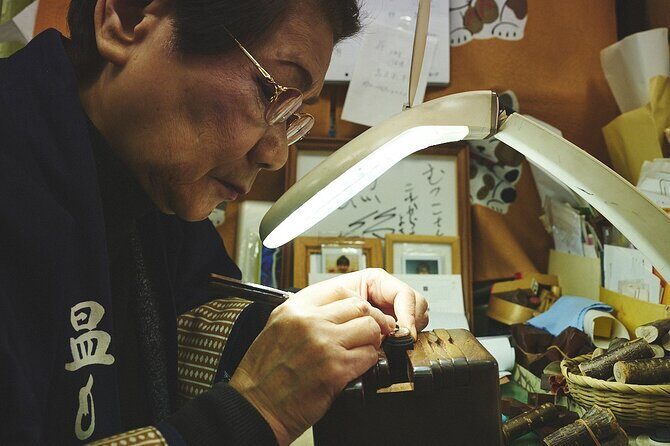
- Authentic craftsmanship: Created by artisans who use traditional hand-carving techniques passed down through generations.
- Personalized experience: Carve your own design onto a natural wood seal, making it a unique keepsake or gift.
- Educational and inspiring: Learn about Japan’s Hanko culture and the story of women artisans maintaining this craft.
- Beautiful materials: Natural woods like Sakura or Sansho are used, adding a touch of nature to your seal.
- Accessible for most: The experience is suitable for ages 12 and up; the guide provides thorough instructions.
- Short but memorable: The activity lasts around 1 to 2 hours, perfect for fitting into a busy Tokyo itinerary.
An in-depth look at this hands-on tour
You can also read our reviews of more tours and experiences in Tokyo.


The setting and meeting point
Located at 1-chome-19-4 Senzoku in Taito City, the workshop is conveniently near public transportation, making it easy to reach. As you arrive, you’ll notice a cozy, welcoming space where skilled female artisans keep alive the Japanese tradition of hanko creation. The meeting point is simple, and the experience ends right back at the same location, which is convenient for planning your day around other sights.
What to Expect During the Carving Experience
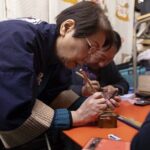
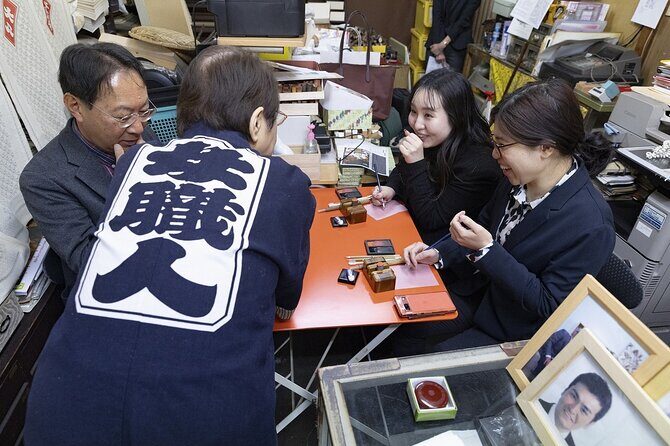
Once you arrive, you’ll be greeted by passionate artisans eager to share their craft. The experience involves carving your chosen design onto a small natural wood stamp, around 10 centimeters long. Designs can be traditional or personal—think of names, symbols, or simple patterns, guided by your instructor.
The artisans provide all necessary tools and materials, including a vermilion inkpad for testing your carved seal. They also offer an English interpreter to ensure clear communication, which enhances the learning experience for non-Japanese speakers.
The Carving Process
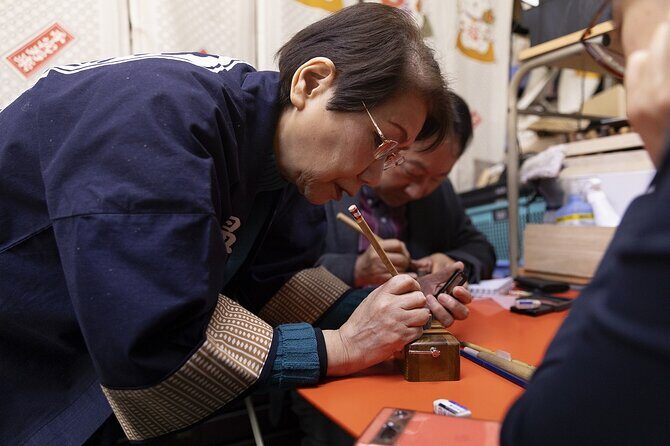
While some carving skill is required, the guiding artisans are patient and kind, making sure everyone feels confident. The process involves carefully etching your design onto the wood using hand tools, which gives you a true appreciation for the craftsmanship involved.
One of the reviews highlights how inspiring it was to learn from a pioneering female artisan—”She has a very inspirational story and was very kind teaching us how to carve out designs.” This personal touch makes the experience feel special and authentic, connecting you directly to Japanese tradition.
Materials and Design Options
The workshop features different types of natural wood—such as Sakura or Sansho—each adding subtle variations in color and texture. You can create an original pattern with guidance, although complex designs might be more challenging within the time frame. The end result is a hand-carved seal that you can take home as a one-of-a-kind souvenir.



The Cost and What’s Included
For roughly $102, you receive:
- The experience fee
- All carving tools and natural wood materials
- Your custom hanko stamp
- An English interpreter to assist
- A vermilion inkpad for testing your seal
Some reviews note that the activity is shorter than expected—”all done in one hour” despite being advertised as a two-hour experience. Considering the price, that has been a point of discussion among travelers. Still, many appreciate the quality of the guidance and the chance to create something meaningful.
Possible Drawbacks
The main critique revolves around the cost versus duration. For some, over $100 may seem steep for a one-hour activity, especially when the experience feels brisk. However, the craftsmanship and cultural value behind each seal justify the price for those who value artisanal work.
Plus, transportation costs are not included, which is typical but worth considering when planning your day.
Who Will Love This?
This tour is ideal for culture enthusiasts, craft lovers, and those who appreciate hands-on experiences. If you’re intrigued by traditional Japanese customs or want a personalized souvenir that has real cultural significance, this is a perfect fit. It’s also a great activity for families (over 12 years old), couples, or anyone eager to learn a traditional skill in a welcoming environment.
Final thoughts: Is this experience worth it?
If you’re seeking an activity that combines art, culture, and craftsmanship in a friendly setting, this tour offers genuine value. It’s a chance to engage directly with Tokyo’s artisans and create something you’ll treasure. The fact that it’s led by women artisans who maintain traditional techniques adds depth and authenticity.
The short duration means you can easily fit it into a busy sightseeing schedule, and the personalized nature of carving your own seal makes for a memorable story to tell afterward. While the price might give pause, many will find the experience and keepsake worth the investment.
For travelers who love hands-on cultural workshops or want a meaningful gift from Japan, this tour delivers a delightful combination of skill, tradition, and personal achievement.
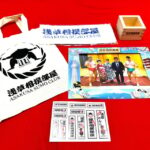
Hand-carved stamps made with craftsmen in Asakusa, Tokyo
Frequently Asked Questions
How long does the activity last?
The experience typically takes about 1 to 2 hours, depending on individual carving speed and design complexity.
Is the experience suitable for children?
Yes, most travelers over 12 years old can participate. For children under 12, separate confirmation is required.
Are tools and materials provided?
Yes, all carving tools, natural wood materials, and an inkpad are included.
Is there an English-speaking guide?
Yes, an English interpreter is available to assist and explain the process.
What is the meeting point?
The activity starts and ends at 1-chome-19-4 Senzoku, Taito City, Tokyo, near public transportation.
Can I customize my seal design?
You can create an original pattern with guidance, but complex patterns may be challenging within the available time.
Is transportation to the workshop included?
No, transportation costs are not included in the tour price.
What materials are used for the seals?
Natural wood is used, such as Sakura or Sansho, providing a natural, tactile feel.
Can I create a seal with my name?
Yes, engraving your name or a favorite design is encouraged, making it a perfect personalized souvenir.
What if I need to cancel?
The experience is non-refundable and cannot be changed once booked.
In the end, this hand-carving workshop in Asakusa offers a real taste of Japan’s artisanal crafts. Whether you’re a craft enthusiast or simply want a meaningful, handmade souvenir, it’s a memorable way to connect with local tradition—and maybe even pick up a new skill in the process.