Introduction
If you’re looking to deepen your understanding of Japanese food culture beyond sushi and ramen, a Shojin Ryori: Buddhist Vegetarian Cooking Experience offers a fascinating glimpse into a culinary tradition that has been nourishing monks and laypeople alike for over 700 years.
This hands-on class not only teaches you how to prepare beautifully crafted vegetarian dishes but also provides insight into the spiritual and health benefits woven into each ingredient.
What we particularly appreciate about this experience is how it combines learning with tasting—you’ll be guided through the process by a knowledgeable, accredited English-speaking instructor, making complex techniques accessible. Plus, the focus on vegetarian and vegan cooking methods developed by Zen Buddhist monks makes it a unique, meaningful addition to any Tokyo itinerary.
However, it’s worth noting that transportation to the location isn’t included, so you’ll need to plan how to get there. This experience is best suited for travelers who enjoy culinary explorations, are open to vegetarian fare, and want a deeper connection to Japan’s spiritual food traditions. If you’re curious about Japanese cuisine’s roots and enjoy interactive activities, this class hits the right note.
- Key Points
- What to Expect from the Experience
- The Value of This Cooking Experience
- Detailed Breakdown of the Experience
- The Meeting Point and Accessibility
- The Itinerary: Step by Step
- Focus on Technique and Philosophy
- Tasting and Reflection
- Post-Class Practicalities
- The Sum Up
- FAQ
- More Cooking Classes in Tokyo
- More Tour Reviews in Tokyo
Key Points
- Authentic culinary tradition: Learn and cook dishes rooted in over 700 years of Buddhist practice.
- Comprehensive instruction: A nationally accredited English-speaking guide ensures clear, engaging explanations.
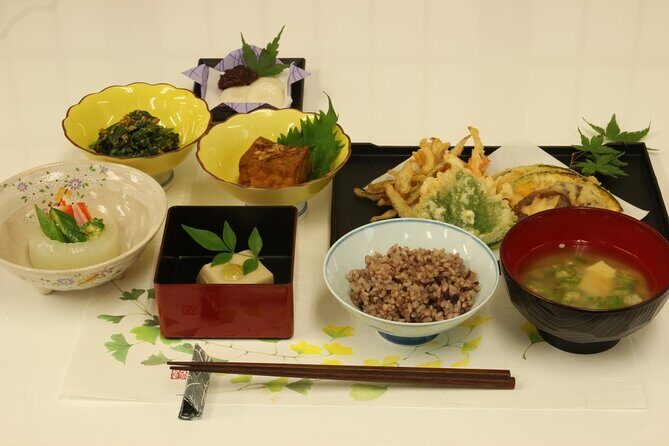
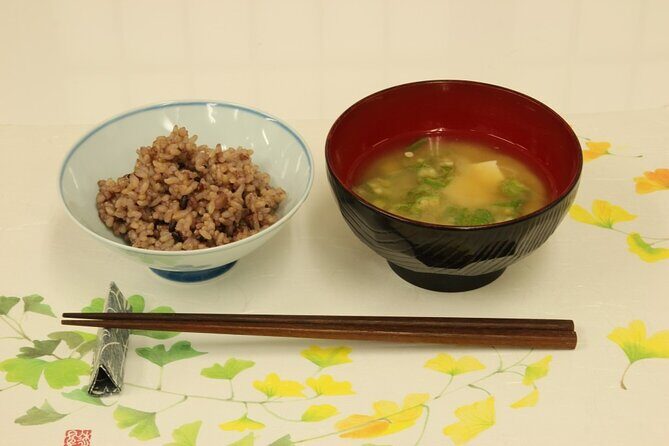
- Culinary variety: The menu features diverse dishes like sesame tofu, tempura, and flavored rice, offering a well-rounded taste of Shojin Ryori.
- Value for money: For around $125, you get a 2.5-hour cooking class, ingredients, and expert guidance—an immersive culture and cuisine experience.
- Small group setting: Limited to about 8 participants, the class fosters personalized attention and relaxed learning.
- Delicious results: As one reviewer noted, even those with limited cooking experience can produce a “delicious meal,” making this activity accessible and rewarding.
What to Expect from the Experience
Starting Point and Duration
The class begins promptly at 11:00am at the Kikai Shink Kaikan, located conveniently near public transportation in Minato City. The entire session lasts approximately 2 hours and 30 minutes, giving ample time to learn, cook, and savor your creations. Since the tour ends back at the meeting point, you can easily plan your day afterward.
The Curriculum and Dishes
You’ll learn how to prepare Shojin Ryori, a style of Japanese vegetarian cuisine that abstains from meat, fish, and certain strong-flavored ingredients, emphasizing vegetables, legumes, and grains. The instructor will explain the significance of each dish, connecting culinary techniques with spiritual principles.
Sample menu items include:
- Sesame Tofu: Smooth, nutty, and protein-rich, a staple in Buddhist vegetarian fare.
- Flavored Japanese Mustard Spinach with Nori Seaweed: A simple, flavorful side emphasizing the use of seaweed—an essential ingredient in Japanese cooking.
- Kyoto-style Teriyaki Vegetables: Broiled in a sweet soy marinade, showcasing how flavor is built without animal products.
- Vegetable Tempura: Crispy, light, and perfect for tasting the delicate balance of frying vegetables beautifully.
- Rice with Assorted Grains: A nutritious, hearty base highlighting the importance of grains in Buddhist diets.
- Japanese-style Dashi Broth Soup: Made vegan, demonstrating how umami flavor can be achieved without fish stock.
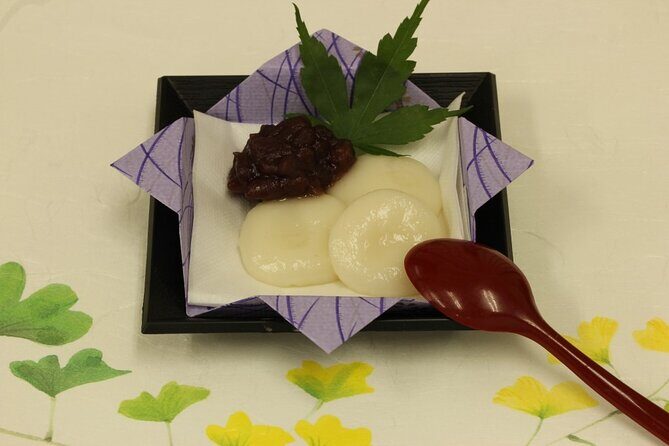
- Sweet Tofu Dumplings: A satisfying end to the meal, balancing sweetness with soft textures.
Learning Process
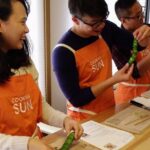
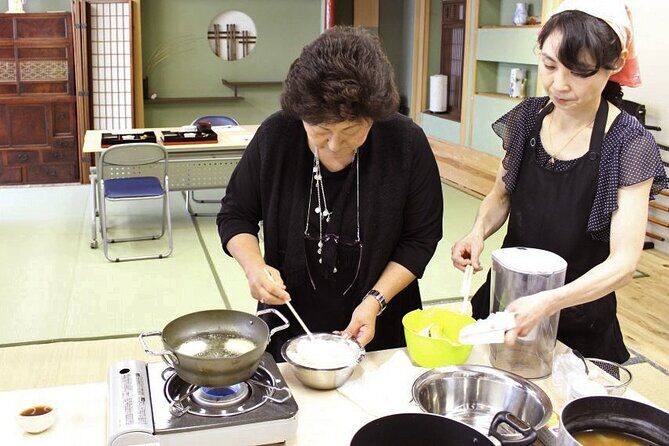
The class emphasizes hands-on participation. From preparing the ingredients to cooking techniques, you’ll be actively involved in each step. Not only does this foster a sense of achievement, but it also helps you remember these methods for future home cooking.
Guidance and Explanation
Your instructor will share insights into the history and philosophy of Shojin Ryori, explaining how these dishes embody values of simplicity, mindfulness, and health. This adds depth to the tasting experience, making it more than just a cooking lesson.
Authentic and Balanced
Reviews confirm this is a fun, engaging experience where even beginners can succeed. One participant appreciated the “detailed instructions and clear demonstrations,” which made the complex techniques approachable. The small group size allows for personalized tips and plenty of interaction.
You can also read our reviews of more cooking classes in Tokyo


The Value of This Cooking Experience
For $124.59, this class packs in more than just a cooking lesson; it’s an educational journey into traditional Japanese spiritual cuisine. The inclusion of ingredients, expert guidance, and the chance to prepare multiple dishes makes it a cost-effective cultural activity. Plus, the skills learned here are transferable—so you can recreate these dishes at home or impress friends with your newfound knowledge.
Compared to typical cooking classes, the focus on Buddhist vegetarian cuisine offers a distinct perspective that’s rare to find. It’s particularly suited for those interested in health-conscious eating, vegetarian lifestyles, or Japanese culinary traditions. And since reviews highlight the instructors’ friendliness and patience, even hesitant cooks will find this experience welcoming.
Detailed Breakdown of the Experience
The Meeting Point and Accessibility
Located in Minato City, the meeting spot is near public transportation, which is essential in Tokyo. As transportation costs aren’t included, you’ll want to budget for a subway or train fare. The location itself is comfortable and familiar to locals, so you won’t feel out of place.
The Itinerary: Step by Step
Upon arrival, you will meet your guide and peers. After a brief introduction to Shojin Ryori and its history, the instructor will demonstrate each dish step-by-step, explaining the significance of ingredients and techniques. You’ll then break into groups or work individually to prepare the dishes, with guidance available at every turn.





Focus on Technique and Philosophy
What makes this class stand out is not only the recipes but also the teaching of principles—how vegetarian cooking aligns with Zen Buddhist values of mindfulness, simplicity, and respect for nature. Expect to hear stories about how monks developed these recipes over centuries, emphasizing balance and harmony.
Tasting and Reflection
Once all dishes are prepared, you’ll sit down to enjoy your hard work. Participants consistently mention how delicious the results are, and one reviewer noted that even with limited cooking experience, they were able to produce a “beautiful meal.” It’s clear that the class strikes a good balance between skill-building and enjoyment.
Post-Class Practicalities
You’ll leave with a better understanding of Shojin Ryori, some new cooking skills, and a sense of connection to Japan’s culinary spiritual roots. Given the small group size, questions are encouraged, making this a highly interactive and educational experience.
The Sum Up
This Shojin Ryori vegetarian cooking class offers a rare opportunity to explore Japan’s culinary traditions from within. It’s perfect for food lovers eager to learn about plant-based Japanese dishes, spiritual practices, or anyone curious about Buddhist cuisine. The combination of expert guidance, diverse menu, and authentic atmosphere makes this experience well worth the price.
Travelers who value interactive learning, delicious food, and cultural depth will find this class rewarding. It’s especially ideal for those who enjoy hands-on activities and want to bring home new cooking techniques rooted in centuries of tradition.
While it’s a short activity, the insights gained can influence your appreciation of Japanese cuisine and inspire more mindful eating practices. Whether you’re a seasoned vegetarian or simply interested in expanding your culinary horizons, this experience is both educational and delicious.
Shojin Ryori: Buddhist Vegetarian Cooking Experience
FAQ
Is transportation to the venue included?
No, transportation is not included. You’ll need to plan your route to the meeting point in Minato City, which is accessible via public transit.
What is the group size?
The class is limited to a maximum of 8 travelers, ensuring personalized attention and a relaxed learning environment.
Is this experience suitable for beginners?
Yes. Reviewers note that even those with limited cooking experience can successfully prepare the dishes, thanks to detailed guidance and demonstrations.
How long does the class last?
Approximately 2 hours and 30 minutes, giving enough time to cook, learn, and enjoy the meal.
What dishes will I learn to prepare?
You’ll make a variety of dishes including sesame tofu, flavored spinach with nori, Kyoto-style teriyaki vegetables, tempura, and tofu dumplings, among others.
Are dietary restrictions accommodated?
You are encouraged to inform the organizers of any dietary requirements in advance, so they can prepare accordingly.
This class blends culinary skills with cultural storytelling, making it a wonderful choice for anyone intrigued by Japan’s spiritual food traditions and seeking an authentic, hands-on experience in Tokyo.