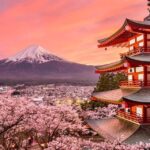
If you’re planning a day trip from Tokyo, a private walking tour of Kamakura offers an enriching blend of history, spirituality, and local flavor. This 6-hour journey, guided by a knowledgeable local, promises not just sightseeing but an authentic glimpse into Japan’s cultural heartland. From ancient temples to lively street food stalls, we’ve seen enough reviews to know this tour hits the right notes for most travelers.
What we love about this experience is its well-balanced mix of cultural exploration and casual indulgence. First, the chance to enjoy Kamakura’s historic temples and shrines without the crowds that often clog popular spots—thanks to a private, guided approach. Second, the inclusion of local street food and a peaceful tea ceremony in a bamboo grove offers a taste of everyday Japan, not just touristy attractions.
One potential consideration? The tour involves some walking and moderate physical activity, so travelers should be comfortable on their feet.
This experience suits those who want to see Kamakura’s highlights with a touch of local authenticity, especially if you appreciate good stories behind ancient sites and enjoy trying regional foods. It’s perfect for history buffs, food lovers, or anyone wanting a thoughtfully curated introduction to this charming coastal town.
- Key Points
- Exploring Kamakura: A Detailed Look at the Itinerary
- Engaku-ji Temple: A Sacred Starting Point
- Tsurugaoka Hachimangu Shrine: Kamakura’s Spiritual Heart
- Komachi Dori: Street Food Haven
- Hokoku-ji: The Bamboo Temple and Tea Experience
- Daibutsu: Japan’s Iconic Great Buddha
- Practical Considerations: What to Expect
- Authentic Experiences and Traveler Feedback
- Who Will Appreciate This Tour?
- Frequently Asked Questions
- Final Thoughts: Why This Tour Is Worth Considering
- More Walking Tours in Tokyo
- More Tours in Tokyo
- More Tour Reviews in Tokyo
Key Points
- Authentic Local Experience: Skip the touristy crowds with a private guide leading you to lesser-known perspectives.
- Cultural Highlights: Visit Kamakura’s most important temples and shrines, including Engaku-ji and Tsurugaoka Hachimangu.
- Delicious Street Food: Sample a variety of local treats on Komachi Dori, from traditional dumplings to matcha ice cream.
- Serene Tea Break: Relax in a bamboo grove with a traditional green tea ceremony at Hokoku-ji.
- Stunning Views and Architecture: Enjoy panoramic vistas from temple slopes and admire historic structures.
- Flexible and Private: Tailored to your group, with total focus on your interests and pace.
Exploring Kamakura: A Detailed Look at the Itinerary
You can also read our reviews of more walking tours in Tokyo


Engaku-ji Temple: A Sacred Starting Point
Your day begins at Engaku-ji, one of Kamakura’s most revered Zen temples. The guide takes you through the temple grounds, including the Busudan hall, home to a striking wooden Buddha statue. Set behind the main temple, you’ll climb gentle slopes that reward you with fantastic views of the surrounding landscape and provide a chance to see the iconic tengu statues—mythical figures from Japanese folklore believed to protect the area.
Travelers often mention how engaging the guide is during this visit. As one reviewer puts it, “We loved the way our guide explained the significance of each monument and the peaceful atmosphere of the temple.” Expect around 45 minutes here, with admission included, giving you enough time to soak in the spiritual ambiance without feeling rushed.
Tsurugaoka Hachimangu Shrine: Kamakura’s Spiritual Heart
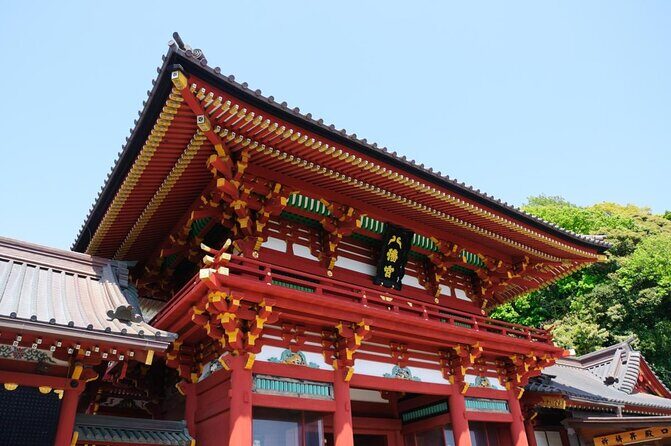
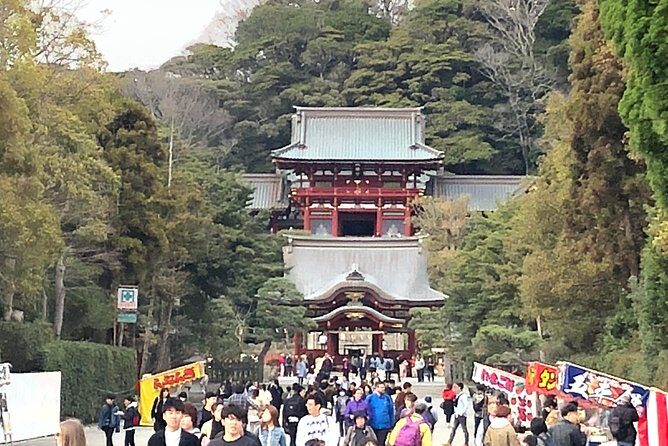
Next, the tour moves to Tsurugaoka Hachimangu, Kamakura’s most prominent Shinto shrine. Located centrally, it’s an impressive site with grand torii gates, a main hall, and a small museum showcasing shrine treasures. The walk from Engaku-ji to Tsurugaoka takes you through a scenic route that highlights Kamakura’s historic streets.
The shrine’s significance is clear, and many find it a moving experience—especially when the guide shares insights into its history and role in Kamakura’s past. Visitors usually spend about 30 minutes exploring here, enough to photograph the shrine’s iconic features and appreciate its tranquil setting.
Komachi Dori: Street Food Haven
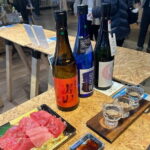
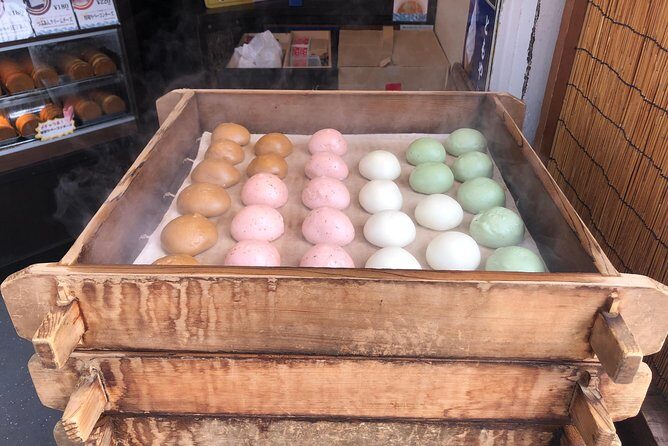
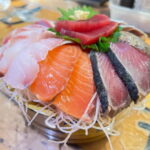
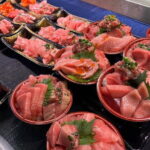
For lunch, your guide will lead you through Kamakura’s lively Komachi Dori. This bustling street is packed with stalls offering everything from freshly made dumplings and shirasu (white bait) to matcha ice cream and local sweets. It’s an ideal spot to experience Japan’s street food culture firsthand.
You’ll be encouraged to sample a variety of delicious bites, turning your meal into a mini culinary adventure. One reviewer fondly recalls, “We tried so many different snacks and enjoyed chatting with the vendors—an authentic taste of local life.” The tour allocates a full hour here, giving you plenty of time to indulge and browse.
Hokoku-ji: The Bamboo Temple and Tea Experience
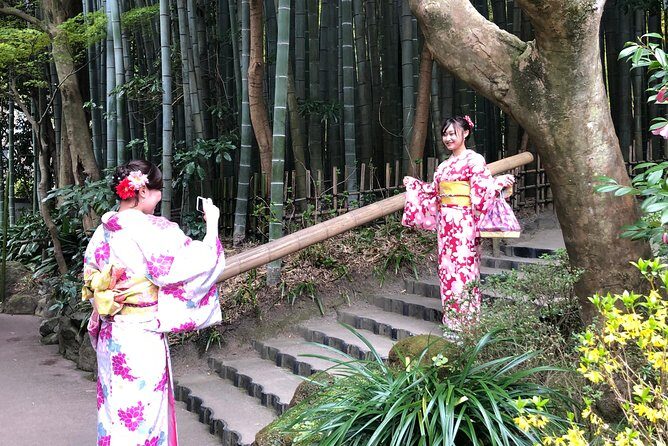
After the gustatory delights, it’s time to unwind at Hokoku-ji, famously called the Bamboo Temple. Its lush bamboo grove offers a cool, calming environment—an oasis amid the historic sites. Here, you’ll take a break for a traditional green tea ceremony at the tea house, savoring matcha amidst swaying bamboo stalks.
This stop highlights Japan’s tea culture and provides a peaceful moment in the day’s itinerary. Visitors often mention how relaxing this part is, especially after a busy morning. The visit lasts about an hour, with admission included.
You can also read our reviews of more food & drink experiences in Tokyo



Daibutsu: Japan’s Iconic Great Buddha
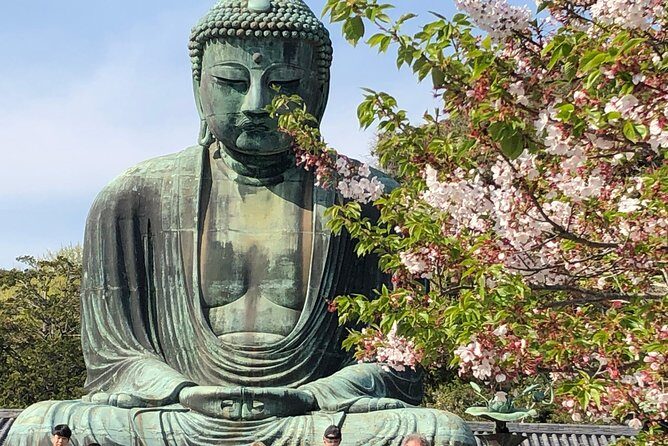
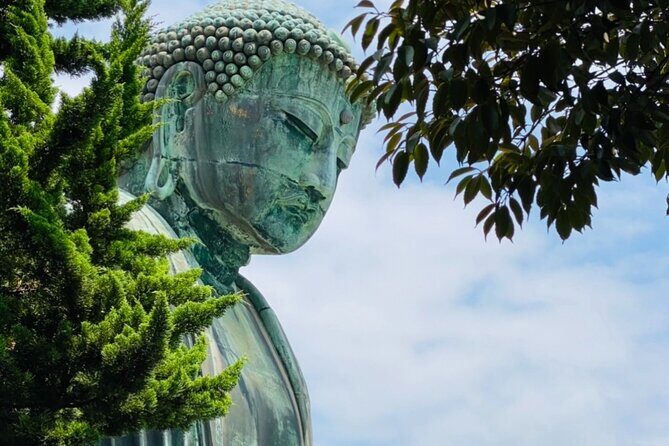
Your final major stop is the Great Buddha of Kamakura, a towering bronze figure second in size only to Kyoto’s Todai-ji. Standing approximately 13.35 meters tall, this statue has been a symbol of Kamakura for centuries.
Expect about 30 minutes here. It’s a photo-worthy highlight and a chance to reflect on Japan’s craftsmanship and spiritual tradition. The guide shares stories about the Buddha’s history, making this a meaningful conclusion to your temple-hopping.
Practical Considerations: What to Expect
The tour is priced at $241.70 per person, which may seem high at first glance, but it includes entrance fees, a generous amount of food and drinks, and a knowledgeable guide. The value becomes clearer when you consider the convenience of hassle-free transportation planning, the personalized attention, and the chance to experience authentic local flavors.
The tour lasts approximately 6 hours, starting at 9:00 am from Kita-Kamakura Station, ending at Kamakura Station. Since transportation costs are not included, it’s wise to budget for your commute to and from the meeting point.
Travelers should have moderate physical fitness, as the day involves some walking and climbing slopes. Comfortable shoes and a small backpack for water and essentials are recommended. The tour is private, so your group will enjoy a flexible, focused experience tailored to your interests.
Authentic Experiences and Traveler Feedback
Multiple reviews highlight the guide’s expertise and engaging manner. One reviewer notes, “Simon, our guide, was friendly, polite, and helpful. He took us to places where Japanese people go, avoiding the touristy areas, and made us feel like locals.” This personalized touch is what makes this tour stand out.
Food and drink are equally appreciated. Comments mention the quality and variety—sampling local delicacies like shirasu and enjoying the tranquility of the bamboo grove while sipping green tea. One reviewer called Hokoku-ji “a peaceful oasis,” emphasizing its restorative atmosphere.
Who Will Appreciate This Tour?
If you enjoy a rich cultural experience combined with delicious food, this tour is perfect. It’s especially suitable for those interested in temples and shrines, but who also value authentic local flavors and scenic moments. Given the private format, it’s ideal for couples, small families, or groups of friends wanting an intimate, tailored day.
Travelers who want insightful stories about Kamakura’s history will find the guide’s commentary invaluable. It’s also a good choice for those who prefer to avoid large tourist groups, as the small-group or private approach allows for a more relaxed and flexible experience.
Frequently Asked Questions
Is transportation to and from Kamakura included?
No, transportation costs are not included. Participants meet at Kita-Kamakura Station and end at Kamakura Station, so plan your travel accordingly.
How long is the tour?
The tour lasts approximately 6 hours, starting at 9:00 am.
Is this tour suitable for all fitness levels?
It requires moderate physical activity, with walking and some climbing involved, so travelers should be comfortable on their feet.
What is included in the price?
The price covers all entrance fees, lunch, snacks, drinks (including alcohol), and the guided tour.
Can I cancel the tour?
Yes, free cancellation is available up to 24 hours before the scheduled start.
Is the tour private or group?
It is a private experience, with only your group participating, ensuring personalized attention.
Historic Kamakura: Temples, Shrines and Street Food Private Walking Tour
Final Thoughts: Why This Tour Is Worth Considering
For those seeking a comprehensive, authentic glimpse of Kamakura, this private walking tour is hard to beat. It combines historic sites, scenic views, and local culinary treats into a well-paced day that balances culture, relaxation, and fun. The inclusion of a knowledgeable guide means you won’t just see the sights—you’ll understand them, appreciate their significance, and maybe even learn a few secrets along the way.
The tour’s emphasis on less crowded, more genuine experiences makes it an excellent choice for travelers craving a meaningful connection with Japan’s cultural landscape. It’s especially valuable for those who want a personalized, hassle-free day with insightful commentary and delicious food.
While the price might seem steep, the overall value comes from the curated experience, expert guidance, and memorable moments—making it a worthwhile investment for those who want more than just a surface-level visit.
In summary, this Kamakura tour suits curious travelers eager to explore beyond the typical, who appreciate history, beauty, and good food—all wrapped into one thoughtfully planned day.