Thinking about adding a truly hands-on, cultural twist to your Tokyo trip? This experience of making your own chopsticks offers more than just a souvenir — it’s an authentic peek into Japanese craftsmanship. Whether you’re a craft lover, a foodie wanting custom utensils, or just curious about traditional Japanese techniques, this workshop blends learning with a dash of artistry.
Two things stand out about this experience: its personalized approach—you’ll shape and refine your own pair of chopsticks—and the exclusive opportunity to visit a lacquer workshop not open to the public. However, it’s worth noting that with a price tag of around $97, you’re paying for a quality, intimate experience rather than a full-day tour or large group event.
This workshop suits travelers who appreciate craftsmanship, are eager to learn about Japanese culture firsthand, and don’t mind a relaxed, small-group environment. If you’re after a memorable, authentic, and practical souvenir-making experience, this could be just the ticket.
- Key Points
- An Authentic, Artistic Journey into Japanese Craftsmanship
- The Lacquer Coating Experience: A Special Treasure
- The Visit to a Specialty Shop and Display of Japanese Chopsticks
- How the Day Unfolds
- Cost and Value
- Accessibility and Practical Tips
- Authenticity and Cultural Insight
- Final Impression
- FAQs
- More Tour Reviews in Tokyo
Key Points
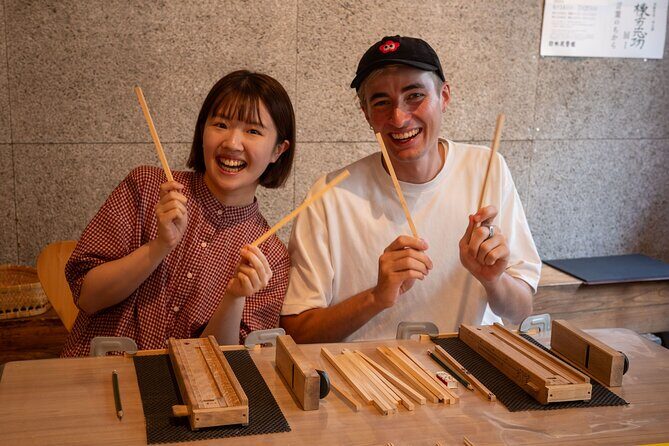
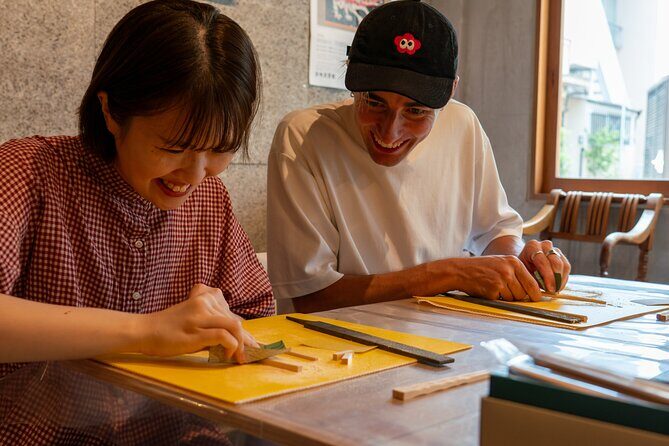
- Hands-on craftsmanship: Carve and shape your own pair of chopsticks from Hinoki wood.
- Cultural insight: Learn about the history and significance of chopsticks in Japan.
- Optional lacquer experience: Visit an exclusive lacquer workshop and try applying the traditional finish.
- Small group: Limited to six participants, ensuring personalized guidance.
- Location: Quiet neighborhood in Sasazuka, Tokyo, just a short train ride from Shinjuku.
- Price & Value: Approximate cost of $98 includes your custom-made chopsticks and a unique cultural experience.
An Authentic, Artistic Journey into Japanese Craftsmanship
If you’re looking for a meaningful, tactile experience during your Tokyo stay, making your own chopsticks is a charming way to connect with Japanese tradition. The experience begins at Sasazuka Station, a peaceful neighborhood away from the busy tourist zones, yet easily accessible from central Tokyo. Here, a friendly guide will accompany you to the workshop, which is set in a calm, quiet space dedicated to traditional crafts.
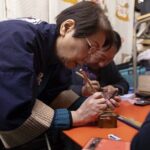
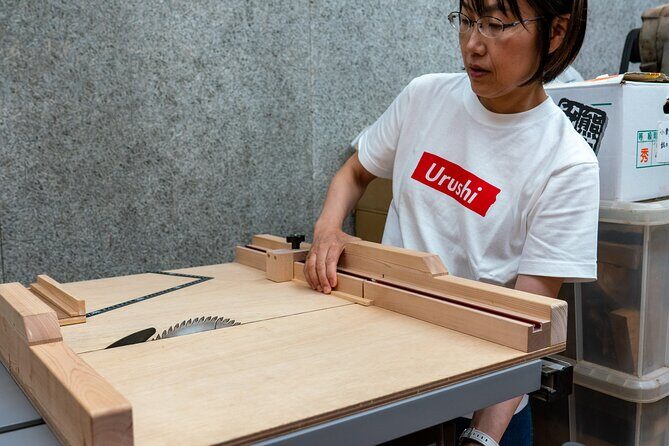
The actual chopstick-making process takes about 55 minutes. You’ll start by shaping the Hinoki wood, a fragrant, lightweight cypress known for its durability and pleasant scent. With craftsmen’s tools, you’ll carve and refine the form of your chopsticks, tailoring them to your hand size and personal style. This isn’t just a craft class — it’s a lesson in Japanese attention to detail, where even the smallest adjustments make a difference.
Many reviews highlight how therapeutic and relaxing the process is, with one reviewer describing it as “very nice and therapeutic.” We loved the way the craftsmanship required patience and focus, making the final product feel personal and meaningful. The process also allows for some creativity — you might find it tricky at first, but the guides are patient, offering tips along the way.
After shaping your chopsticks, you’ll sand them smooth, removing any rough edges, then finish them with Camellia oil. This step not only enhances the beauty but also protects the wood. The finished pair is practical for daily use, making it a far better souvenir than mass-produced trinkets.
You can also read our reviews of more tours and experiences in Tokyo.



The Lacquer Coating Experience: A Special Treasure
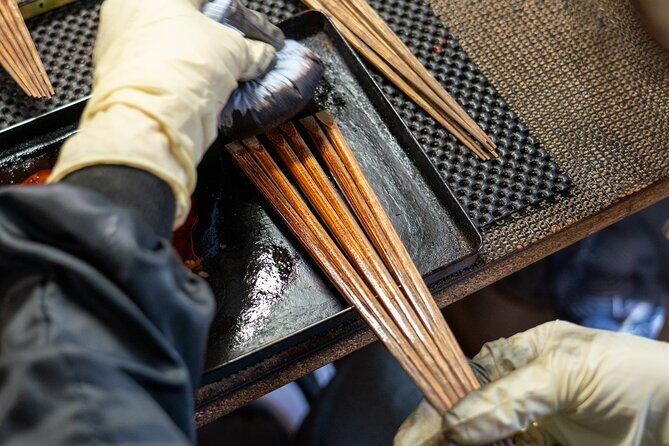
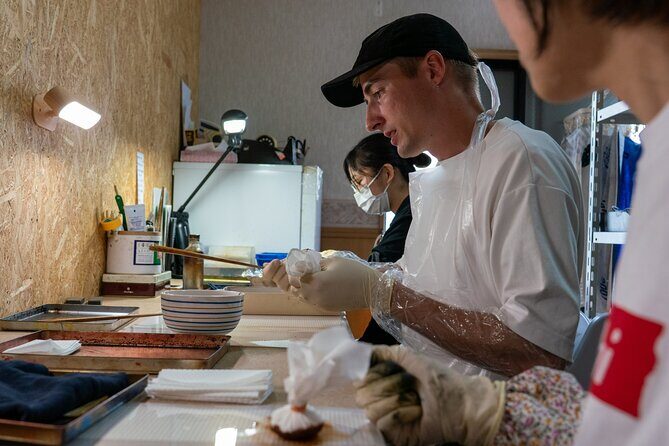
An added highlight is the optional lacquer-coating session. This is a rare chance to see a normally off-limits lacquer workshop and understand Japan’s lacquerware heritage. You’ll observe craftsmen applying traditional lacquer, and if you choose to participate, you’ll get to try your hand at it.
Many reviewers rave about this part of the experience. One calls it a “deep cultural learning,” since lacquerware is used in temples, shrines, and everyday dishes. Feeling the distinct scent of lacquer and watching its glossy finish take shape adds a sensory layer to the culture. This segment lasts about 25 minutes, and even if you don’t try your hand at lacquer, the tour of the workshop alone offers insight into Japan’s meticulous craftsmanship.
The Visit to a Specialty Shop and Display of Japanese Chopsticks
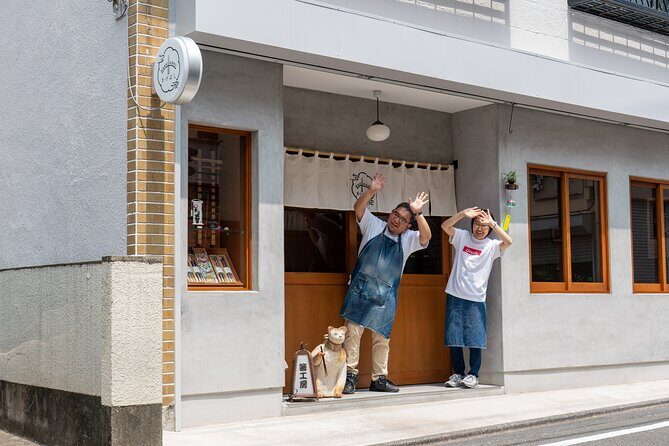
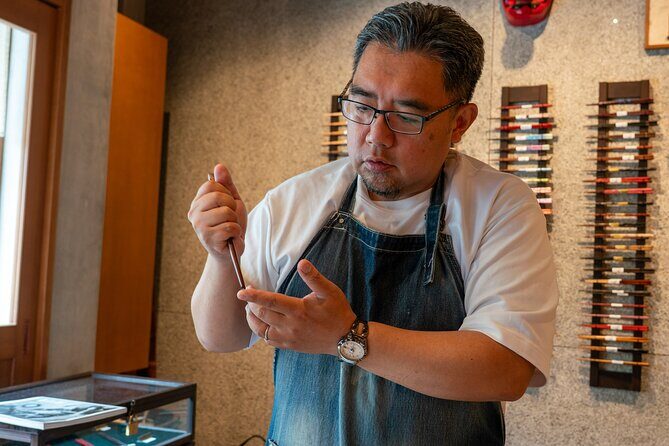
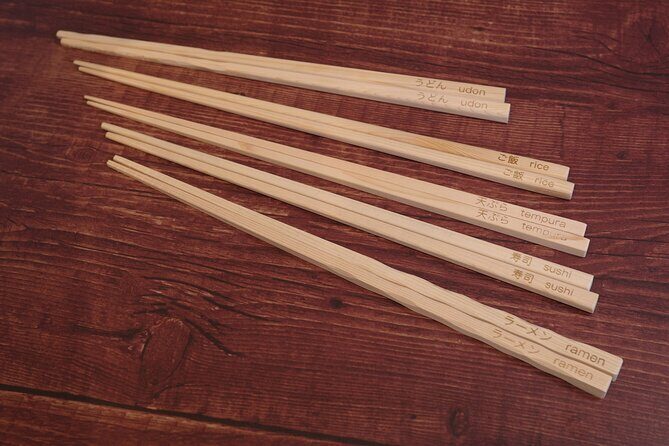
One of the charming aspects of this experience is the shop itself, where a variety of chopsticks are displayed. It’s not just a workshop; it’s also a retail space showcasing different types of chopsticks used for sushi, ramen, and tempura. This makes it easy to pick out a few more as souvenirs or simply admire the craftsmanship on display. Several reviews mention how fun it is to browse and find souvenirs for family back home, especially since Japanese chopsticks come in many unique shapes and designs.
How the Day Unfolds
The tour starts at 1:00 pm, with participants meeting at Sasazuka Station. From there, it’s about a 10-minute walk to the workshop, Kakehashi. The entire experience lasts roughly 2 hours, which is enough time to enjoy each step without feeling rushed.
The itinerary is straightforward:
– Meet at Sasazuka Station
– Walk with a guide to the workshop
– Spend about 55 minutes crafting your chopsticks
– Participate in a 25-minute lacquer-coating session (optional)
– Conclude back at the meeting point
This well-paced schedule allows for plenty of interaction and reflection, especially since the group sizes max out at six, ensuring you get plenty of personalized attention.
Cost and Value
At around $97.82 per person, this experience offers excellent value for a cultural activity that results in a personalized, usable souvenir. Compared to buying a set of chopsticks in a department store, creating your own adds a layer of meaning and craftsmanship that’s hard to match. Many participants mention in reviews that they cherish their handmade chopsticks as both functional utensils and memorable keepsakes.
The price also includes the craftsmanship and the finishing oils, which might otherwise be additional costs if you purchased supplies separately. The optional lacquer coating, while an extra step, is included in the overall experience, making it a rare opportunity to see this traditional technique firsthand.



Accessibility and Practical Tips
The tour offers an English-speaking guide, making it accessible for international visitors. It’s suitable for most travelers, with a minimum of two participants and a maximum of six, fostering a relaxed, intimate environment.
Participants should wear comfortable clothing and be prepared for a hands-on experience involving carving and sanding. Since the workshop is in a quiet residential neighborhood, it’s a peaceful setting, perfect for focusing on the craft.
You’ll want to arrive promptly at 1:00 pm, as the schedule is tightly organized. Reservations are recommended, especially since this experience is booked about 77 days in advance on average.
Authenticity and Cultural Insight
What makes this experience particularly valuable is its focus on traditional Japanese techniques. The craftsmanship involved in making and finishing chopsticks reflects centuries of cultural heritage. Several reviews mention learning about the history of chopsticks and their different uses, from sushi to ramen, which deepen your appreciation for this everyday utensil.
The lacquer-coating process, often off-limits to the public, provides a rare glimpse into Japan’s lacquerware tradition. Observing or participating in this step connects you to a craft used in temples and artwork, elevating the experience from mere souvenir creation to a meaningful cultural lesson.
Final Impression
This workshop offers a perfect blend of hands-on craft, cultural learning, and authentic Japanese artistry. It’s ideal for curious travelers who enjoy making things themselves and value craftsmanship over mass-produced souvenirs. The small group size ensures personalized guidance, and the inclusion of the lacquer workshop adds a layer of exclusivity.
While it’s not the cheapest activity in Tokyo, the quality and authenticity justify the price. You won’t just walk away with a pair of chopsticks; you’ll have a handcrafted artifact imbued with cultural significance, made by your own hands. Plus, you’ll gain insight into Japan’s meticulous approach to everyday objects, which enhances your understanding of local culture.
This experience is especially suited for those who want to connect more deeply with Japanese traditions and appreciate artisanal work. It’s perfect for couples, families, or solo travelers looking for a meaningful, memorable activity that’s both practical and educational.
Craft Your Own Elegant Handmade Chopsticks from Scratch
FAQs
Is there an age limit for participating?
The experience is designed for most travelers; specific age restrictions aren’t mentioned, but it is suitable for those comfortable with small, detailed craft work.
How long does the entire workshop last?
The total duration is about 2 hours, including carving, sanding, finishing, and optional lacquer-coating.
What is included in the price?
Your own pair of handcrafted chopsticks and the experience of visiting a lacquer workshop as an optional add-on.
Do I need to reserve in advance?
Yes, advanced booking is recommended, as the experience is popular and booked about 77 days ahead on average.
Is transportation included?
No, participants meet at Sasazuka Station; transportation expenses are not included.
Can I buy additional souvenirs?
Yes, the shop offers various types of Japanese chopsticks and related tableware, making it easy to pick up additional souvenirs.
Is the guide available in English?
Yes, an English-speaking guide is available to help you navigate the process and learn about the cultural background.
What should I wear?
Comfortable clothes suitable for hands-on work; expect some sanding and carving, so clothes should be casual and easy to move in.
In short, if you’re after a genuinely Japanese craft experience that results in a practical and personal souvenir, this workshop hits the mark. It’s intimate, educational, and offers the rare chance to see and try traditional lacquer techniques. An ideal activity for those who value craftsmanship and cultural authenticity during their time in Tokyo.