- Japanese Sweets (Mochi & Nerikiri) Making at a Private Studio: An Authentic Wagashi Experience in Tokyo
- Key Points
- An In-Depth Look at the Sweets-Making Experience
- The Setting and Atmosphere
- The Itinerary: Step-by-Step
- Tasting and Cultural Context
- Practical Details and Value
- What Past Participants Say
- Considerations Before Booking
- Who Will Love This Experience?
- The Sum Up
- FAQ
- More Dessert Tours in Tokyo
- More Private Tours in Tokyo
- More Tour Reviews in Tokyo
Japanese Sweets (Mochi & Nerikiri) Making at a Private Studio: An Authentic Wagashi Experience in Tokyo
If you’re visiting Tokyo and craving a hands-on taste of Japanese culture, this private wagashi-making class offers a rare glimpse into Japan’s sweet traditions. Held at a local’s home, this intimate experience teaches you how to craft mochi, nerikiri, and traditional dango from scratch. It’s a solid choice for those interested in authentic cultural activities that go beyond the usual tourist spots.
What we love about this experience is its personal touch — the small-group setting ensures you get plenty of attention and guidance. Plus, the chance to visit a local Tokyoite’s home makes it feel like a genuine peek into everyday life. However, the class is about 2.5 hours long, which might be a commitment if you’re pressed for time. Still, for lovers of sweets and Japanese culture, this class will delight and educate you in equal measure. It’s especially well suited for travelers who enjoy interactive experiences and culinary arts, or families looking for a fun activity that’s both educational and delicious.
Key Points
- Authentic setting: Held in a private home, giving you a genuine slice of local life.
- Cultural insights: Includes a short presentation on mochi’s significance and Japanese festivals.
- Hands-on experience: Make mochi, dango, and nerikiri wagashi yourself, with guidance from a certified instructor.
- Delicious tasting: End with a bowl of matcha tea, learning about the hospitality spirit behind Japan’s tea ceremony.
- Allergen-friendly: Ingredients are plant-derived and gluten-free, accommodating various dietary needs.
- English-speaking instructor: Ensures clear instructions and engaging stories about Tokyo life.
You can also read our reviews of more private tours in Tokyo



An In-Depth Look at the Sweets-Making Experience
The Setting and Atmosphere
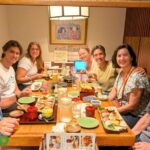
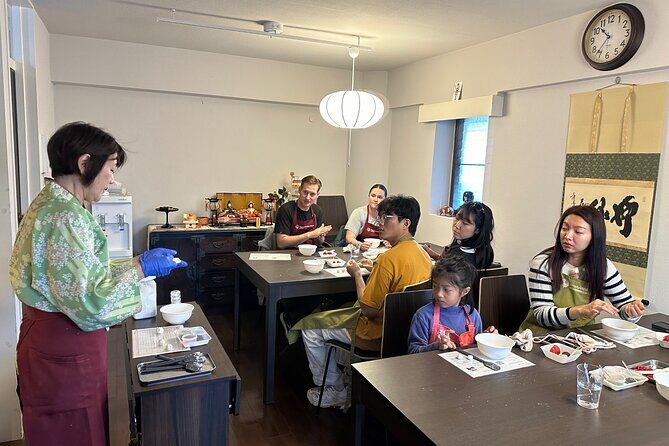
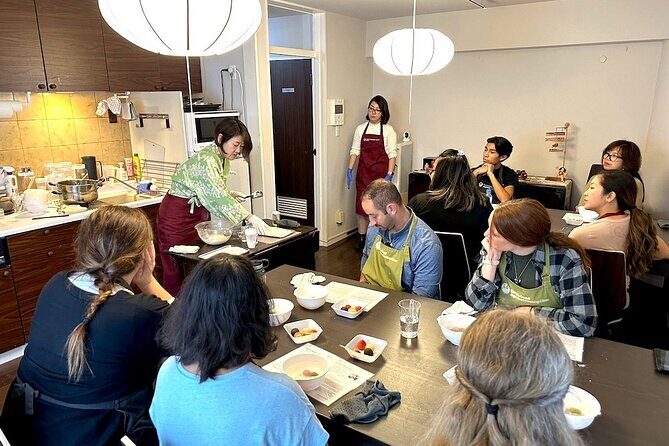
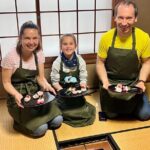
Unlike cookie-cutter classes at large studios, this experience takes place in a private Tokyo home. You’ll be welcomed warmly by your instructor — a fluent English speaker and a certified Nerikiri Art Instructor — who creates a friendly, relaxed atmosphere. The intimacy of the group, limited to a maximum of 8 people, means you’ll receive personalized attention, making mistakes perfectly acceptable and learning more enjoyable.
This personal environment isn’t just about making sweets; it’s about feeling connected to Japanese customs and hospitality (Omotenashi). Many reviewers mention how welcoming and kind their host was, often describing it as a highlight of their trip.
The Itinerary: Step-by-Step
The class kicks off with a short presentation about mochi and its role in Japanese festivals and traditions. We loved the way the instructor shared stories behind the sweets, making the experience more meaningful. You’ll learn about the seasonal symbolism of different shapes and colors, which adds layers of appreciation to the crafts.
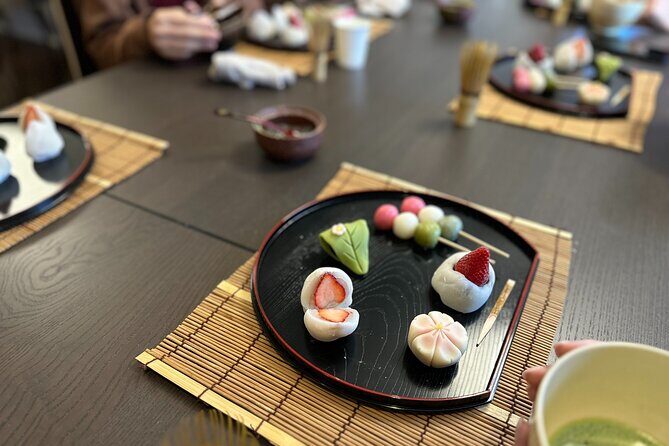
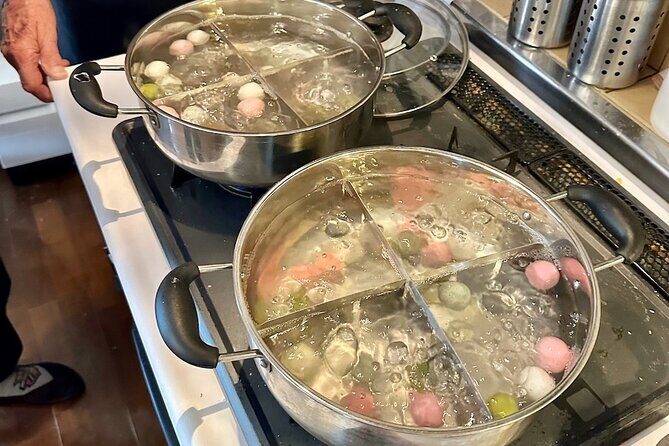
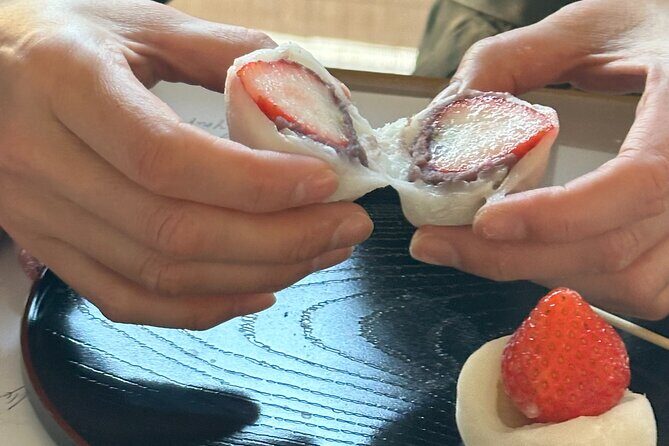
Next, you’ll get your hands on Strawberry Daifuku Mochi and Three-Color Dango. The instructor guides you through each step: from making the dough, kneading, coloring, and finally shaping your sweets. Several reviewers praised the detailed instructions, with one noting, “Yukka gave a short presentation of the different kinds of mochi for the different seasons of the year as well as a little background, which gave us an understanding of the mochi we were making.”
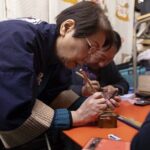
The nerikiri wagashi segment is especially intriguing. You’ll learn how to create delicate, beautifully colored shapes that resemble seasonal motifs. The instructor demonstrates how to mold and decorate the dough, giving you the chance to add your personal artistic touch. Many guests comment on how beautiful their creations turn out — and how satisfying it is to see your work become edible art.
Tasting and Cultural Context
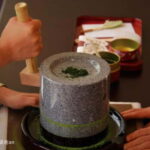
After the crafting session, it’s time to sample your creations alongside a carefully prepared bowl of matcha green tea. The tea is not just a beverage but a part of the Japanese hospitality tradition, and the instructor shares insights on the tea ceremony’s subtle etiquette. Several reviews emphasize how the tea and sweets pair beautifully, making this a true taste of Japanese hospitality.
You can also read our reviews of more tours and experiences in Tokyo



Practical Details and Value
At about $91.30 per person, this class offers excellent value for the level of personalization and cultural insight. Ingredients are plant-derived and gluten-free, making it accessible for those with dietary restrictions. The class duration of around 2.5 hours strikes a good balance between being comprehensive and not overly long. Including an English recipe sheet and aprons, the experience leaves you with skills you can replicate back home.
While transportation isn’t included, the meeting point is conveniently located near public transportation, making it easy to find. The class is suitable for children aged 4 and up, making it a family-friendly activity — although, as some reviews mention, young children may need help with certain tasks.
What Past Participants Say
Many reviews highlight how enjoyable and informative the class was. One guest shared, “Waka was a wonderful teacher. We made all of the beautiful and tasty Japanese traditional sweets that were pictured on the website,” while another commented, “We loved hearing about the symbolism of each color and shape: so much meaning lives woven throughout this culture.” Multiple reviewers appreciated the personal stories and local tips shared by the instructor, enhancing the experience beyond just making sweets.
Considerations Before Booking
The main thing to keep in mind is the timing — the class tends to be booked well in advance (about 47 days ahead on average), so plan accordingly. Also, since this is a private home experience, it may not appeal to those seeking a more commercial or large-scale class. Lastly, no observers are allowed, so it’s strictly a participant’s activity.
Who Will Love This Experience?
This sweets-making class is perfect for foodies curious about Japanese desserts, culture buffs interested in traditional festivals and customs, or families seeking a fun, educational activity. If you’re looking for a personalized, authentic glimpse into Tokyo life that combines craft, culture, and delicious samples, this experience will satisfy many cravings.
It’s especially suitable for those who want to bring home new skills and a deeper understanding of Japan’s sweet traditions. If you love learning through doing and enjoy a cozy, friendly environment, this class is sure to be a highlight.
The Sum Up
In sum, this private wagashi-making class offers a delightful blend of cultural insight and hands-on fun. The small-group setting ensures you get plenty of guidance, and the host’s warm hospitality makes it feel like a visit to a friend’s home. From the artistry of nerikiri to the satisfying taste of freshly made mochi, every moment feels meaningful and authentic.
This experience is best suited for travelers who want a meaningful connection to Japan’s culinary traditions, appreciate small-group activities, and prefer a personal, local setting over commercial tours. It’s a wonderful way to add a practical skill and cultural story to your Japan trip — and you’ll leave with sweets and skills to impress at your next dinner party.
Japanese Sweets (Mochi & Nerikiri) making at a Private studio
FAQ
Can I combine this class with other activities?
Yes, there’s an option to combine it with a mochi-making class upon request, allowing you to expand your skills and experience.
Is transportation included?
No, transportation to and from the meeting point is not included. The location is near public transportation, making it fairly easy to reach.
What is the age limit?
The minimum age to attend is 4 years old. Children under 4 are not allowed for safety reasons, and no observers can sit in on the class.
How long does the class last?
The experience is approximately 2 hours and 30 minutes, giving ample time to learn, create, and taste.
Are the ingredients suitable for allergies?
All ingredients are plant-derived and gluten-free, making it accessible for various dietary needs.
Is the instructor fluent in English?
Yes, the instructor is very fluent in English and provides clear, engaging guidance throughout the class.
What do I take home?
You’ll receive an English recipe sheet and your personal handmade sweets, plus the skills to recreate them at home.
Are there any hidden costs?
No, the price includes the sweets-making lesson, tasting, apron, and recipe sheet. Additional food or drinks are not included unless specified.
What makes this a unique experience?
The chance to visit a local’s home and learn traditional Japanese sweets in an intimate setting makes this stand out from more commercial classes.
This private wagashi-making experience in Tokyo offers a wonderful, authentic dive into Japanese culinary culture. Whether you’re a sweet lover, a culture enthusiast, or just looking for a meaningful activity during your trip, it’s a memorable way to connect with Japan’s traditions and create delicious souvenirs of your visit.