If you’re dreaming of standing at the foot of Mount Everest, this 11-day private trek from Lukla offers a carefully balanced mix of adventure, cultural insight, and jaw-dropping scenery. While the journey demands physical stamina and good acclimatization, the rewards—panoramic mountain views, Sherpa hospitality, and the thrill of reaching Everest’s base—are what many travelers would call unforgettable.
What we really like about this trek is how well it combines the physical challenge with authentic Himalayan culture. You get the chance to stay in cozy lodges, chat with Sherpa guides, and experience the mountain environment in a way that feels genuine and personal. On the flip side, the trek’s length and altitude changes mean it’s not for everyone—be prepared for demanding days and the need for careful acclimatization.
This tour would suit adventurous travelers in good health, nature lovers, and those eager to get off the beaten path while still having the comfort of a private guided group. It’s perfect if you’re looking for a well-organized journey that respects your pace and offers solid value, all within a manageable timeframe.
- Key Points
- An Overview of the Trek Experience
- The Beginning: Lukla to Phakding
- Gaining Altitude: Phakding to Namche Bazaar
- Acclimatization and Rest Days
- Ascent to Higher Camps
- Reaching Everest Base Camp
- The Kala Patthar Hike
- Descending & Ending the Journey
- What’s Included and What’s Not
- The Price Point
- Practicalities and Preparation
- Authenticity and Experiences
- Who Should Consider This Trek?
- Final Thoughts
- FAQ
- More Hiking & Trekking Tours in Pheriche
- More Tour Reviews in Pheriche
Key Points
 1 / 8
1 / 8 2 / 8
2 / 8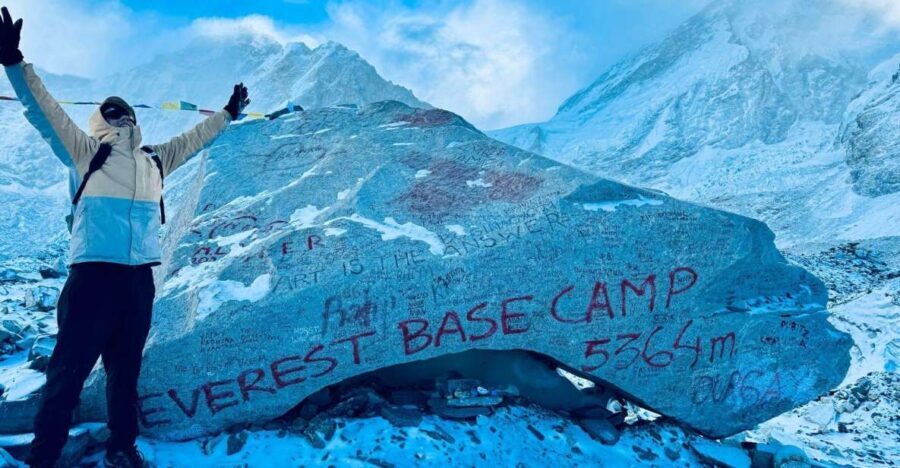 3 / 8
3 / 8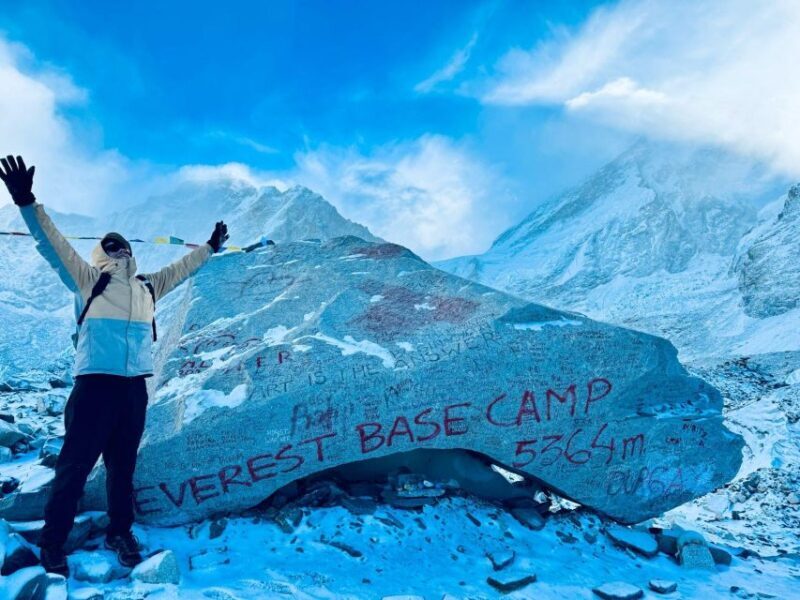 4 / 8
4 / 8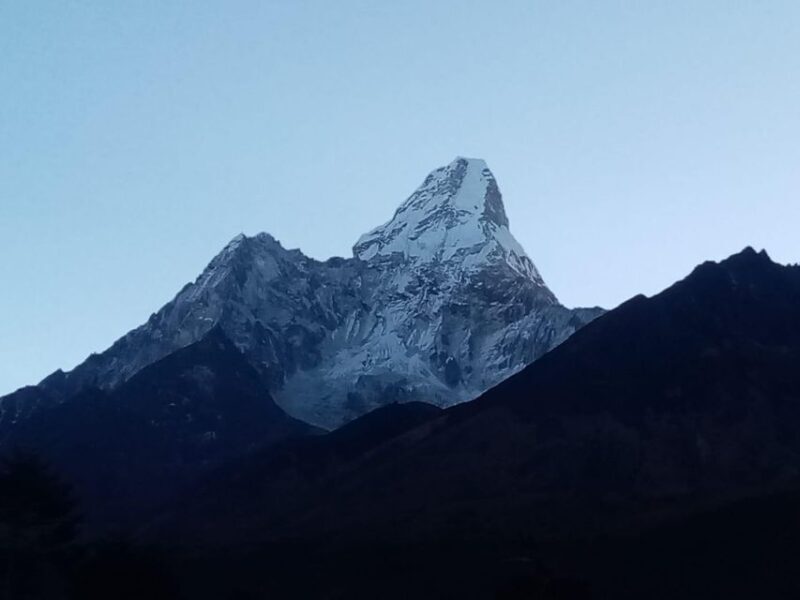 5 / 8
5 / 8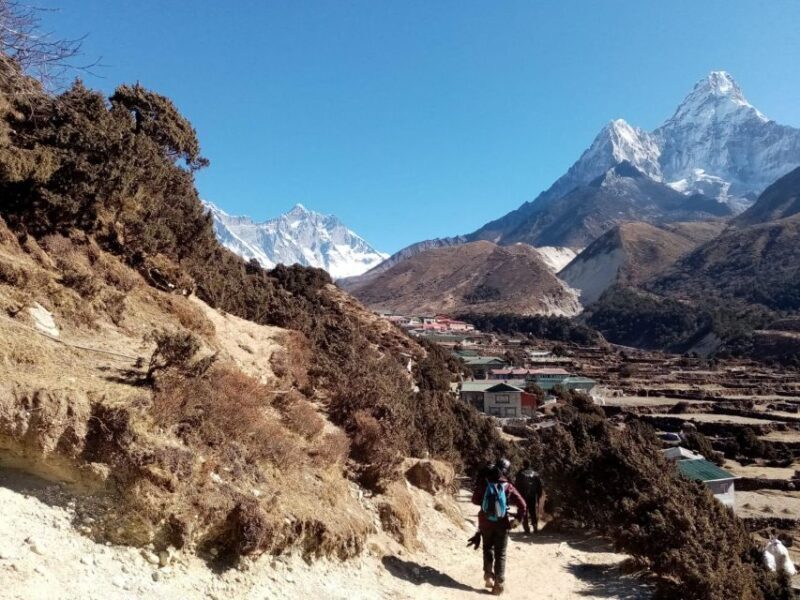 6 / 8
6 / 8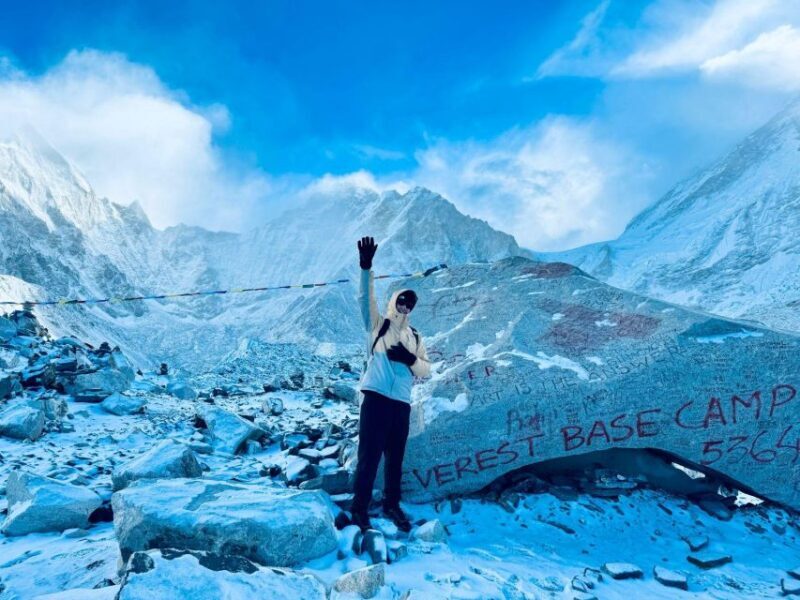 7 / 8
7 / 8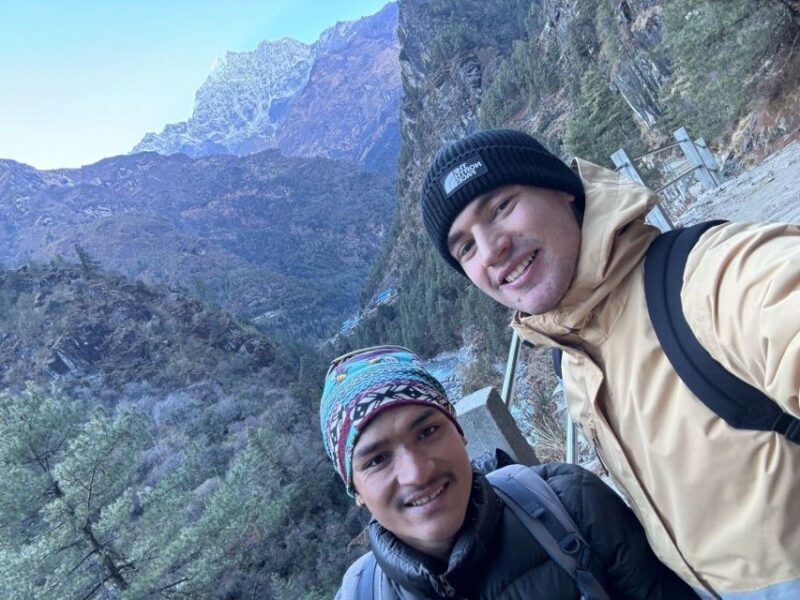 8 / 8
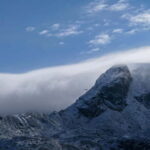
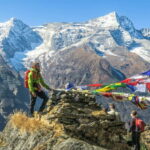
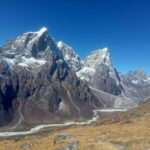
8 / 8Stunning mountain views of Everest and surrounding peaks make this trek visually unforgettable.
Cultural encounters with Sherpa villages and traditions enrich the experience beyond just hiking.
Well-organized itinerary balances challenging days with rest and acclimatization, reducing risks.
Private guided service ensures personalized attention, local expertise, and safety.
Includes permits and essential fees—costs are transparent and cover necessary expenses.
Price point offers good value for the comprehensive experience, especially considering the logistics.
An Overview of the Trek Experience
The Lukla to Everest Base Camp trek is a journey many aspire to take—an achievement that combines physical endurance with spectacular sights. Starting in the small mountain airstrip of Lukla, the trek is an adventure right from the runway, as you step onto rugged trails that wind through rhododendron forests and alpine meadows.
You can also read our reviews of more tours and experiences in Pheriche.
The Beginning: Lukla to Phakding
You’ll start with a short 3-hour walk from Lukla (2,850m) to Phakding (2,650m). The trail is gentle compared to later stretches, giving you a chance to breathe in the mountain air and get used to the elevation. The scenery is lush with greenery and rushing rivers—expect plenty of photo opportunities early on.
Gaining Altitude: Phakding to Namche Bazaar
The next day involves a steady climb over 6 hours, as you trek to Namche Bazaar (3,440m). This bustling Sherpa town serves as the cultural hub of the region. Here, you’ll find a lively market scene, cozy teahouses, and ample opportunity to rest and prepare your body for higher altitudes. Many travelers say, “Namche is where the trek really begins,” as the changing scenery and lively atmosphere energize your spirits.
Acclimatization and Rest Days
Strategic rest days at Namche and Dingboche (4,360m) are built into the itinerary, crucial for adjusting to the thin air. These breaks help prevent altitude sickness and let you explore local monasteries and get a taste of Sherpa culture. We loved the way these pauses make the trek more manageable, allowing you to soak up the environment without rushing.
More Great Tours NearbyAscent to Higher Camps
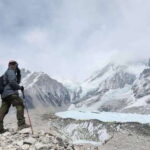
From Tengboche (3,855m)—famous for its monastery—you’ll trek to Dingboche, then Lobuche, gradually ascending through stunning scenery. Each step offers fresh perspectives on Everest, Lhotse, and Ama Dablam. The trail passes through breathtaking rhododendron forests and climbs over high passes, with the landscape transforming into stark, icy vistas.
You can also read our reviews of more hiking tours in Pheriche
Reaching Everest Base Camp
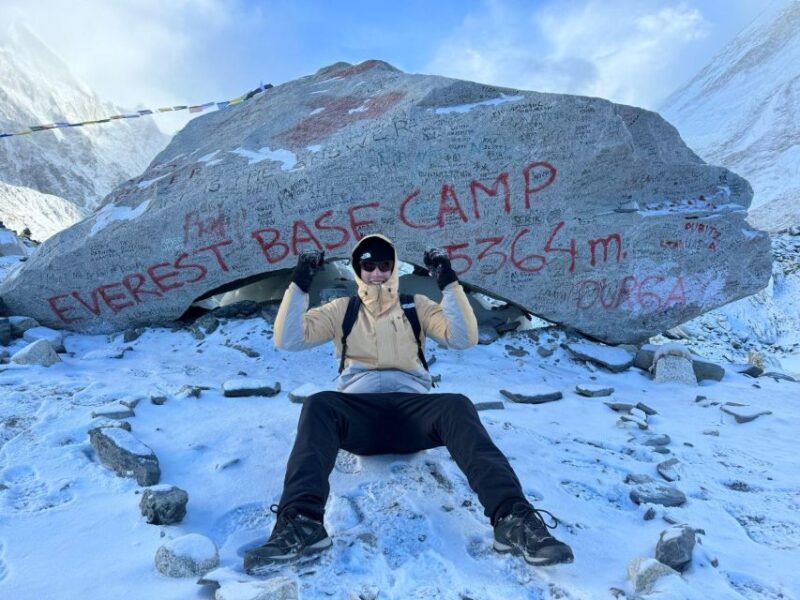
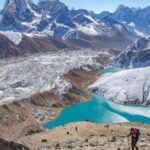
The highlight is the climb from Gorak Shep to Everest Base Camp (5,364m). The terrain here is rugged, and the altitude demands care, but the sight of the Khumbu Glacier and the towering south face of Everest makes every step worthwhile. Many reviews mention the “sense of awe” at standing beneath such a colossal mountain.
The Kala Patthar Hike
A short but challenging hike to Kala Patthar (5,555m) is often considered the best viewpoint for a close-up look at Everest. The early morning ascent is demanding but offers a sunrise panorama that few other places can match. We loved the way this moment frames the entire trek, giving a sense of accomplishment and awe.
Descending & Ending the Journey
After a full day at Everest’s foot, you’ll retrace your steps back to Lukla, passing through familiar villages, with a sense of fulfillment and perhaps a newfound appreciation for the mountains’ grandeur.
What’s Included and What’s Not
This tour’s package covers essential logistics, which is a huge relief. With 10 nights in comfortable lodges, including private rooms with attached bathrooms, you’re afforded some privacy and rest after long days. The guides and porters are licensed and experienced, and their wages, meals, insurance, and equipment are all included. The permit fees for parks and local governments are also covered, simplifying your planning.
However, you’ll need to budget separately for food and drinks, which are available for purchase along the trail. Your travel insurance is also an out-of-pocket expense, especially important given the altitude and remote setting. Personal expenses, souvenirs, and emergency rescue costs are on you, so plan accordingly.
The Price Point
At $579 per person, this trek offers good value considering the comprehensive inclusions—guides, permits, accommodations, and local taxes. It’s quite competitive for an Everest trek, especially with the convenience of private services and the assurance of local expertise.
Practicalities and Preparation
What to bring: Warm clothing, hiking shoes, a passport, and a passport-sized photo are essentials. Weather can shift quickly in the mountains, so layers and waterproof gear are advised.
Seasonal considerations: The best trekking seasons are spring (March-May) and autumn (September-November). These periods offer clear skies and stable weather, but even then, mountain weather can surprise you—so be prepared for sudden changes.
Group size & guides: The private group setup ensures you won’t be lost in a crowd. During larger treks, guides are assisted by additional staff, but this experience keeps things personal.
Authenticity and Experiences
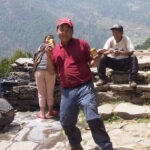
While the physical challenge is undeniable, what truly makes this trek stand out are the cultural encounters. Staying in Sherpa villages like Namche and Dingboche allows you to see local life and possibly visit monasteries, adding depth to the adventure. Many travelers comment on the hospitality of the Sherpa people and the chance to learn about their way of life.
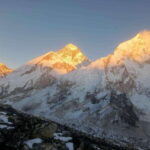
The trek also offers unforgettable sunrises over Everest and surrounding peaks, viewed from Kala Patthar or Gorak Shep. These moments, captured early in the morning with the mountain’s summit bathed in golden light, are what many find most memorable.
Who Should Consider This Trek?
This journey is best suited for adventurers in good health willing to handle altitude and rugged terrain. It’s ideal for those who value authentic cultural interactions alongside their outdoor experience. If you’re looking for a well-organized, private trek that balances challenge with comfort, this tour checks many boxes.
However, it’s important to note that it’s not suitable for pregnant women or wheelchair users, given the physical demands and trail conditions. Also, since the trek involves walking over several days with significant elevation gains, a reasonable level of fitness is recommended.
Final Thoughts
This 11-day private Everest Base Camp trek from Lukla offers a thoughtfully curated experience. For under $600, you get the benefits of expert guidance, comfortable accommodations, and the chance to witness stunning mountain vistas that will stay with you forever. The inclusion of permits and local taxes adds transparency, and the flexibility of a private group means your journey can unfold at your own pace.
Many travelers find that the blend of physical challenge, cultural exchange, and awe-inspiring scenery makes this trek one of their most meaningful adventures. Whether it’s your first Himalayan trek or a repeat visit, the sense of standing beneath Everest’s towering presence is hard to match.
For those with a spirit of adventure and a love for mountain landscapes, this trek offers genuine value and a profound sense of achievement.
From Lukla: 11 Day Private Everest Base Camp Trek
FAQ
What is included in the price?
The $579 fee covers 10 nights of accommodation in private rooms with attached bathrooms, guides’ wages, porters’ wages, permits, local taxes, and transportation logistics. It also includes insurance coverage for guides and porters, as well as safety equipment like an emergency first aid kit.
Are meals included?
No, meals and drinks are available for purchase along the trail. Many travelers budget separately for food, which is generally tasty and offers local options.
Is this trek suitable for beginners?
While the trek involves challenging days and high altitudes, the itinerary includes acclimatization days and well-organized rest stops. It’s best suited for travelers in good health with some hiking experience.
What gear should I bring?
Pack warm clothing, hiking shoes, a passport, a passport-sized photo, and weather-appropriate layers. Waterproof gear and hiking pants are recommended, as mountain weather can change rapidly.
When is the best time to do this trek?
Spring (March-May) and autumn (September-November) are ideal due to stable weather and clearer mountain views. Summer and winter can be more unpredictable.
What happens in case of emergency or rescue?
Assistance in rescue operations is included, funded by travel insurance. It’s advisable to have comprehensive travel insurance that covers altitude and remote rescue.
To sum it up, this trek offers a well-rounded, authentic Himalayan experience. It’s a chance to challenge yourself physically, connect with Sherpa culture, and witness some of the most incredible natural scenery in the world. If you’re prepared for the altitude and rugged terrain, this adventure is sure to leave you with stories that last a lifetime.
You can check availability for your dates here: