Travelers eager to witness the world’s tallest peaks often dream of standing at Everest Base Camp, gazing up at the jagged summits that define the Himalayas. This 12-day guided trek offers a well-planned route that balances breathtaking scenery, cultural encounters, and the physical challenge of high-altitude hiking.
While it’s not a casual stroll — expect some demanding ascents and rugged terrain — it remains one of the most celebrated trekking adventures in Nepal.
What we particularly appreciate about this trek are the experienced guides who help you navigate the route safely and share insights into local culture and geography. Also, the spectacular views of Everest and neighboring giants like Nuptse and Lhotse make every effort worthwhile.
One potential drawback is that the journey involves significant altitude gain, so proper acclimatization is essential — though the itinerary thoughtfully includes rest days.
This trip is ideally suited for active travelers who want a guided experience with a good mix of challenge and comfort, and for those eager to tick Everest off their bucket list.
- Key Points
- An In-Depth Look at the 12-Day Everest Trek Experience
- Starting Out from Kathmandu and Lukla
- Ascending to Namche Bazar
- Acclimatization and Cultural Exploration
- Challenging Sections: Tyangboche and Dingboche
- Approaching Everest: Lobuche and Gorakshep
- The Momentous Visit to Everest Base Camp
- Conquering Kala Patthar
- The Return Journey
- What the Tour Includes and Excludes
- The Guides and Support
- Timing and Weather
- Final Thoughts: Who Should Consider This Trek?
- Frequently Asked Questions
- More Hiking & Trekking Tours in Pheriche
- More Guided Tours in Pheriche
- More Tour Reviews in Pheriche
Key Points
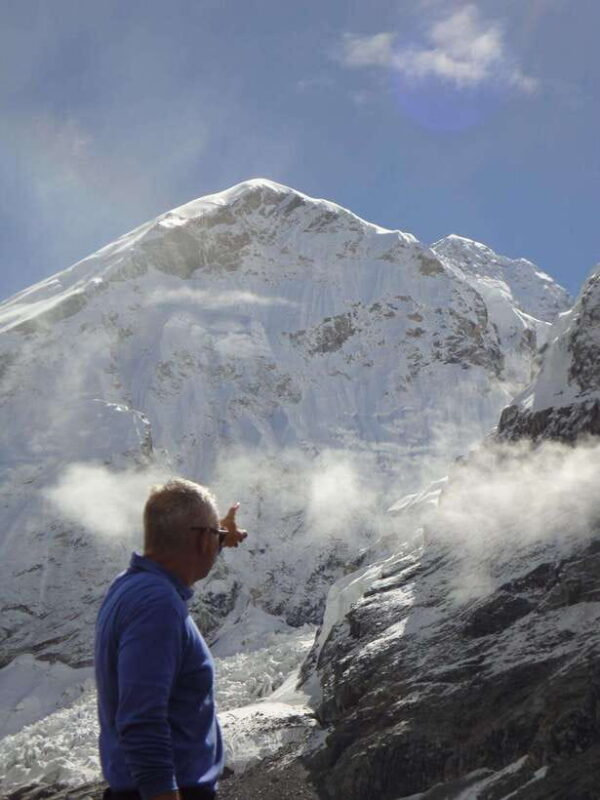
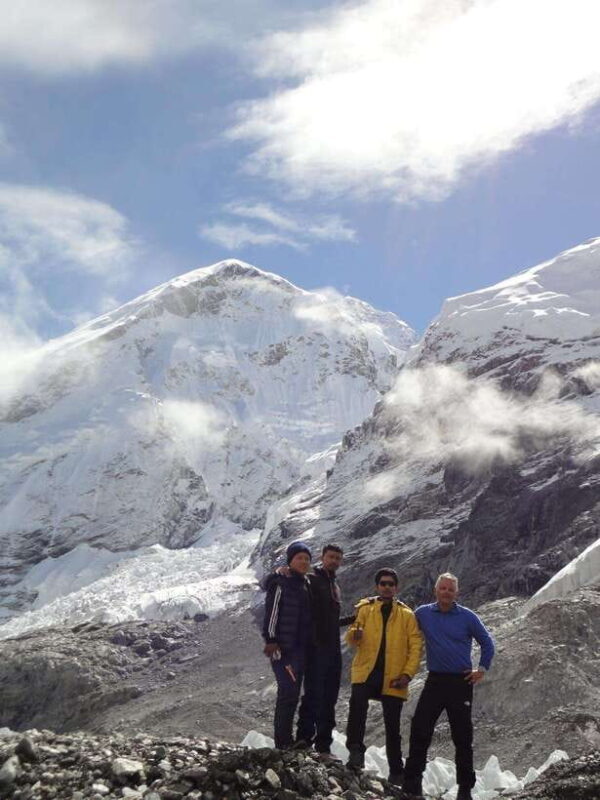
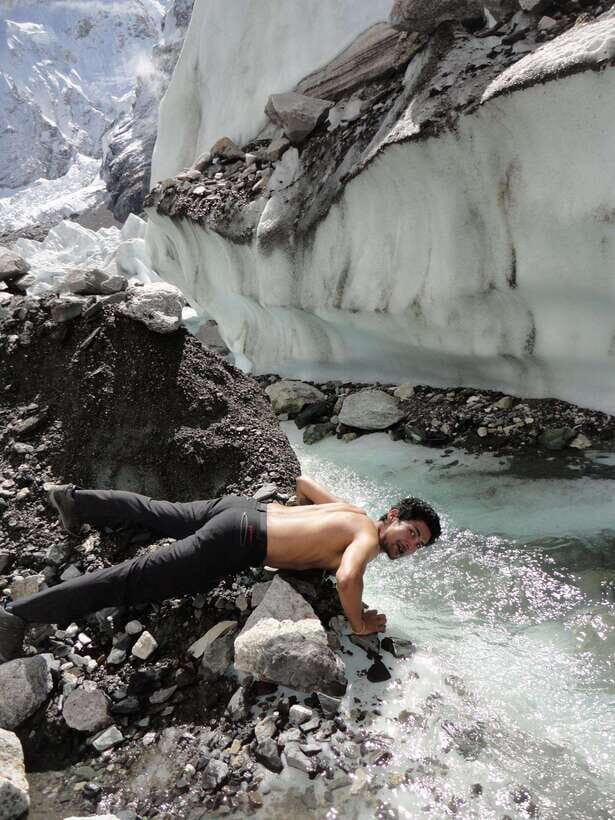
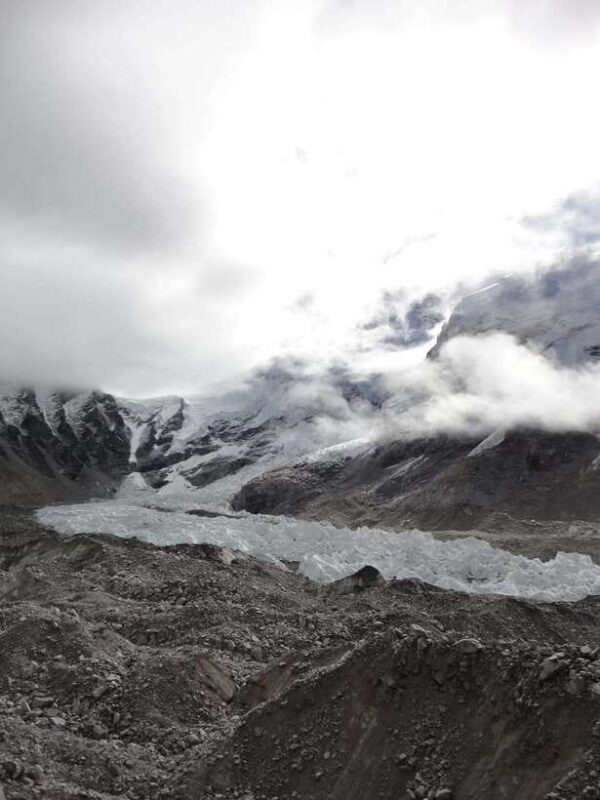
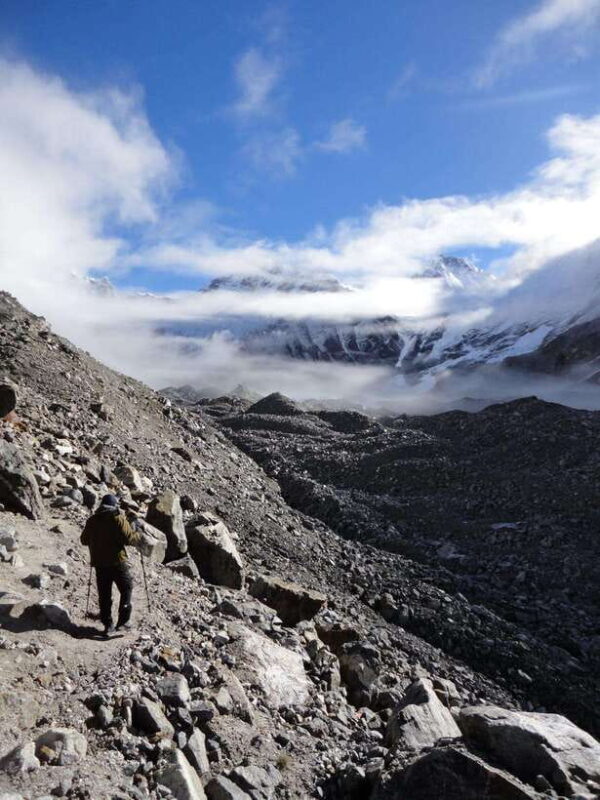
- Stunning mountain scenery: Expect breathtaking views of Everest, Nuptse, Lhotse, and more.
- Expert guides: Knowledgeable, friendly guides make navigation and cultural insights accessible.
- Well-structured itinerary: Includes acclimatization days and highlights like Kala Patthar and Everest Base Camp.
- Authentic experience: Stay in local tea house lodges and experience Himalayan hospitality.
- All-inclusive logistics: Permits, national park fees, airport transfers, and gear are included.
- A physically demanding journey: Be prepared for altitude and rugged terrain, suited for active travelers.
An In-Depth Look at the 12-Day Everest Trek Experience
You can also read our reviews of more guided tours in Pheriche
Starting Out from Kathmandu and Lukla
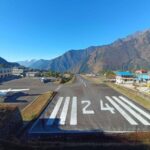
The adventure begins with your transfer from Kathmandu to Tribhuvan International Airport, followed by a scenic flight to Lukla — often described as one of the most exciting short flights in the world, with views of the Himalayan peaks. Upon arrival, you’ll begin your trek through lush forests and charming villages, with your first stop in Phakding. This initial stretch introduces you to the mountain landscape and local Sherpa culture, with comfortable lodges to rest overnight.
Ascending to Namche Bazar
From Phakding, the trail continues along the Dudh Koshi River, crossing suspension bridges and passing through rhododendron forests. The highlight here is reaching Namche Bazar, the lively hub of Sherpa life at 3,440 meters. It’s a bustling town with markets, cafes, and stunning vistas of Everest and surrounding peaks. We love how Namche acts as both a social center and an acclimatization point — a good reason to spend a day here relaxing and enjoying the mountain scenery.
Acclimatization and Cultural Exploration
The itinerary wisely includes a rest day in Namche to help your body adjust to the increasing altitude. Many travelers use this day for gentle hikes, local visits, or just relaxing in the lodge. Guides often organize short acclimatization walks, which are essential to prevent altitude sickness and make the higher sections easier.
More Great Tours NearbyChallenging Sections: Tyangboche and Dingboche
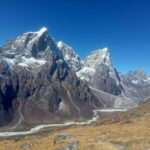
From Namche, the trail takes you through stunning landscapes, including the beautiful Tyangboche Monastery — a spiritual highlight with panoramic views of Everest and Ama Dablam. The route then descends and ascends through forests of rhododendrons and crosses Imja Khola suspension bridges, entering the Imjatse Valley. Dingboche, at 4,260 meters, is your next stop for rest and acclimatization. Here, you’ll notice the landscape turning more barren, a reminder of how high you are.
You can also read our reviews of more hiking tours in Pheriche
Approaching Everest: Lobuche and Gorakshep
The hike from Dingboche to Lobuche is approximately 5.5 hours, climbing gradually into the higher reaches of the Himalayas. Lobuche is a small settlement where trekkers often marvel at the close-up views of Everest’s summit. The next milestone is Gorakshep, a desolate but awe-inspiring village where you’ll stay overnight before the big day.
The Momentous Visit to Everest Base Camp
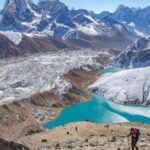
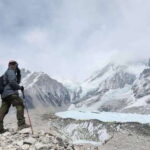
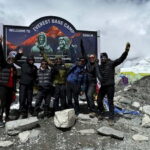
The trek from Gorakshep to Everest Base Camp is a highlight — think rocky paths with views of the Khumbu Glacier and icefalls. Standing at 5,364 meters, the Base Camp is a place of icy majesty and human perseverance. Guides share stories of past expeditions and the mountain’s dangers, making it a deeply humbling experience. After soaking in the views, you return to Gorakshep for the night.
Conquering Kala Patthar
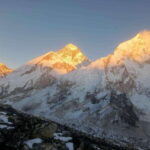
The next morning, an early hike takes you to Kala Patthar at 5,545 meters — arguably the best vantage point for sunrise over Everest. The climb is challenging but rewarding, offering a panoramic vista of Everest and the surrounding peaks. After soaking in the view, you descend towards Pheriche, where you’ll stay overnight.
The Return Journey
Descending from Pheriche, the trek retraces steps through Tyangboche and Namche, giving you a chance to revisit favorite spots and enjoy a more relaxed pace. The final ascent to Lukla is a nostalgic one, as you enjoy your last night in the mountain town. The journey concludes with a scenic flight back to Kathmandu, where you can reflect on the mountains and experiences of the past 12 days.
What the Tour Includes and Excludes
This tour offers excellent value for the price of $1,409 per person, considering the comprehensive package. Most logistical essentials are covered: airport transfers, domestic flights, necessary permits, and accommodations in cozy tea house lodges. The inclusion of gear like jackets and sleeping bags can be a boon, especially if you’re new to trekking or don’t want to carry extra baggage.
However, note that meals during the trek are not included, so budgeting for food is wise — expect hearty local dishes like dal bhat and momos. Plus, hot showers and internet access are generally unavailable or limited, adding to the rustic charm of the experience. Optional porter services can ease the load but come at extra cost.
The Guides and Support
Guides are a key part of this trek’s success. They’re described as helpful and friendly, with a good knowledge of the route, mountain conditions, and local culture. Their professionalism and safety awareness are essential — especially considering the altitude and rugged terrain. The tour also covers all national park and permit fees, making the process smooth for travelers.
Timing and Weather
The best times to undertake this trek are during spring (March to May) and autumn (September to November) — when weather conditions are most stable and mountain views clear. Weather in the Himalayas can be unpredictable, so packing appropriate gear is essential, especially warm clothing, sun protection, and sturdy shoes.
Final Thoughts: Who Should Consider This Trek?
This guided Everest Base Camp trek offers a fantastic way to see one of the most iconic landscapes on Earth with the comfort of experienced guides. It’s perfect for travelers who want a structured, supported adventure without sacrificing authenticity or dramatic scenery. The route is demanding but manageable for anyone in good health, with a love for adventure and a desire to experience Himalayan culture up close.
While you’ll need to be prepared for high-altitude hiking and rustic accommodations, the rewards — spectacular views, cultural insights, and the thrill of standing at Everest’s doorstep — are well worth it. This trip suits active travelers, nature lovers, and those wanting a guided, safe, and memorable Himalayan experience.
From Kathmandu: 12 – Day Everest Base Camp Guided Trek
Frequently Asked Questions
Is this trek suitable for everyone?
While it’s designed for active travelers, those with health issues or mobility concerns should consult a doctor before attempting high-altitude hikes. It’s best suited for people comfortable with strenuous walking.
What is the main highlight?
The towering views of Everest from Kala Patthar and the sense of achievement upon reaching Everest Base Camp are the top draws.
Are accommodations comfortable?
You’ll stay in local tea house lodges, which provide basic but cozy rooms. Expect shared bathrooms and simple amenities, but plenty of character and Himalayan hospitality.
Is the trek physically demanding?
Yes, it involves high-altitude hiking over several days, with some steep ascents and descents. Proper acclimatization helps, and the itinerary is designed with rest days for this purpose.
What’s included in the price?
All permits, national park entry fees, domestic flights, airport transfers, and accommodations in lodges are included.
Are meals provided?
No, meals are not included, so you’ll need to purchase your own food along the route — though most lodges serve hearty, local dishes.
Can I rent gear?
Yes, jackets, sleeping bags, and duffle bags are available if requested, which can save you from hauling heavy gear from home.
What is the best time of year to go?
Spring (March-May) and autumn (September-November) are ideal for weather and visibility.
How many people are in a group?
This is a private group tour, so you’ll trek with your own guide and companions.
Do I need travel insurance?
Yes, travel insurance is recommended, especially covering high-altitude trekking and medical emergencies.
This Everest Base Camp trek from Kathmandu offers a solid mix of adventure, cultural discovery, and natural spectacle. With expert guides, good logistical support, and plenty of opportunities for awe-inspiring views, it’s a journey that will likely stay with you long after you’ve left the mountains behind. Whether it’s your first Himalayan trek or a repeat visit, this 12-day route is a meaningful way to experience one of the planet’s greatest natural wonders.
You can check availability for your dates here: