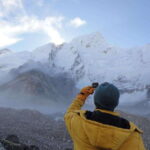
Traveling to Nepal’s Himalayas for the classic trek to Everest Base Camp is a goal for many adventure travelers. While I haven’t personally completed this 19-day journey, I’ve studied it carefully, and from what I see, it promises a combination of stunning mountain vistas, Sherpa hospitality, and challenging high-altitude terrain.
What stands out immediately is the well-rounded itinerary—balancing acclimatization, awe-inspiring views, and cultural stops.
The cost of $1,085 per person seems reasonable considering the scope, guided support, permits, and all logistics handled for you.
Two elements truly appeal: First, the chance to stand at 5,364 meters at the Everest Base Camp, feeling the raw power of the world’s highest peak. Second, the breathtaking panoramic views from Kalapathar, which are some of the best you can get with a short trek. The main consideration? The trek is physically demanding, spanning more than two weeks of variable conditions and altitude changes, so it’s suited for those in good health.
This tour is ideal for adventurous travelers craving an authentic Himalayan experience, with some trekking experience recommended.
- Key Points
- Starting Point and First Days: From Kathmandu to Salleri
- Trekking Through Sherpa Villages and Forests
- Cultural Highlights: Tengboche Monastery
- Ascent to Dingboche and Lobuche
- Reaching Everest Base Camp and Gorak Shep
- Kalapathar: The Viewpoint of Dreams
- Returning Journey: Trek and Drive Back to Kathmandu
- Logistics, Guides, and Group Size
- Seasonality and Practical Tips
- More Hiking & Trekking Tours in Pheriche
- More Tour Reviews in Pheriche
Key Points
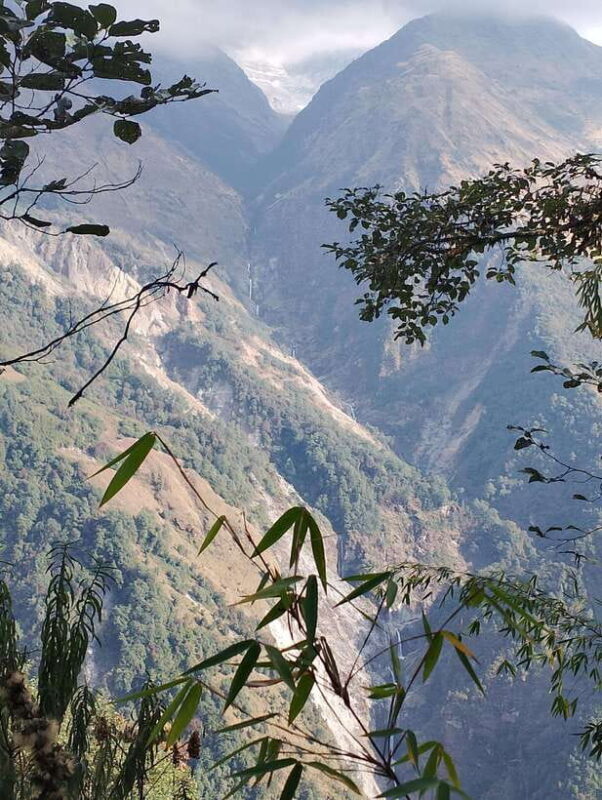
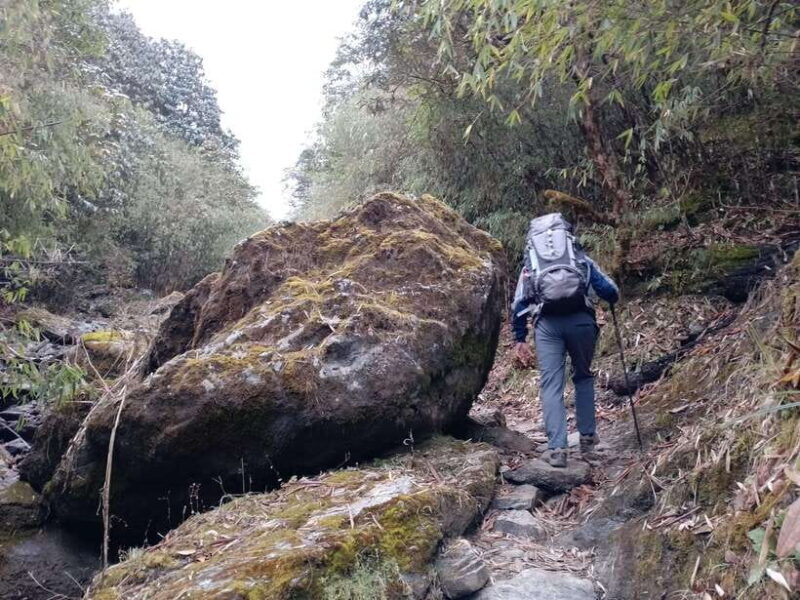
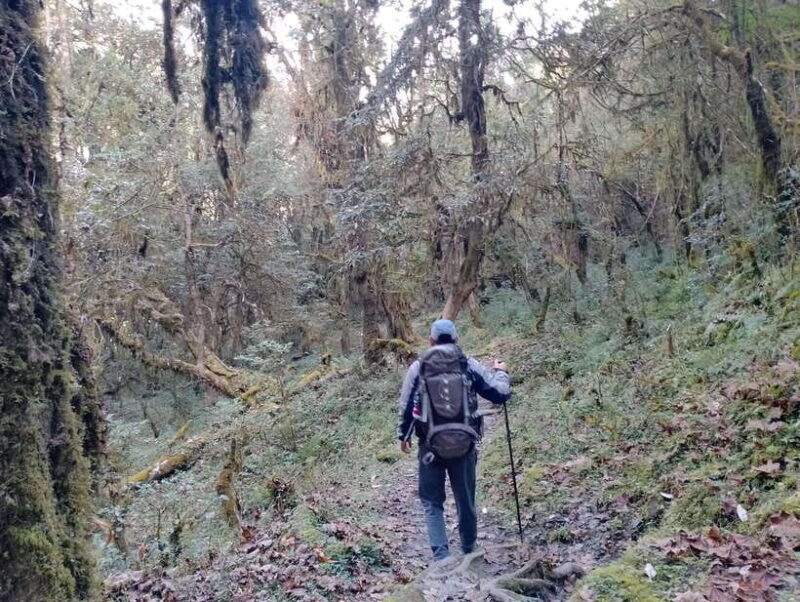
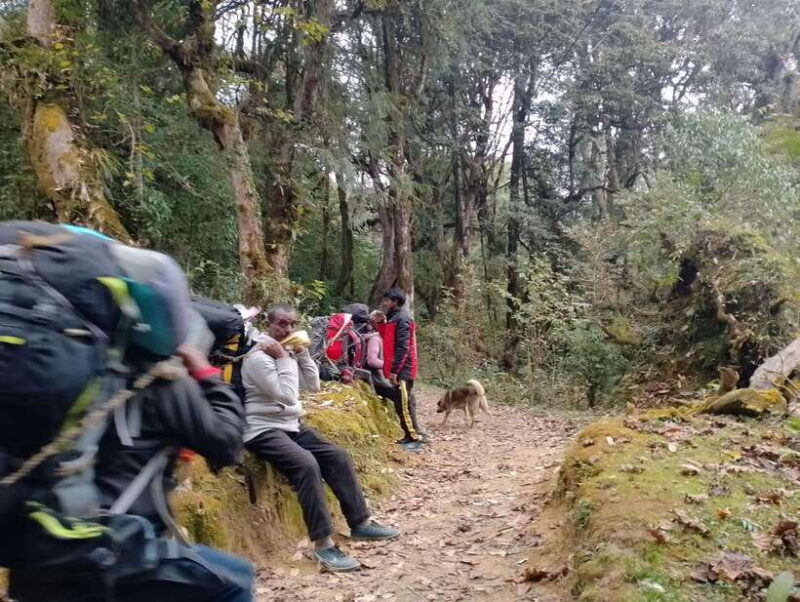
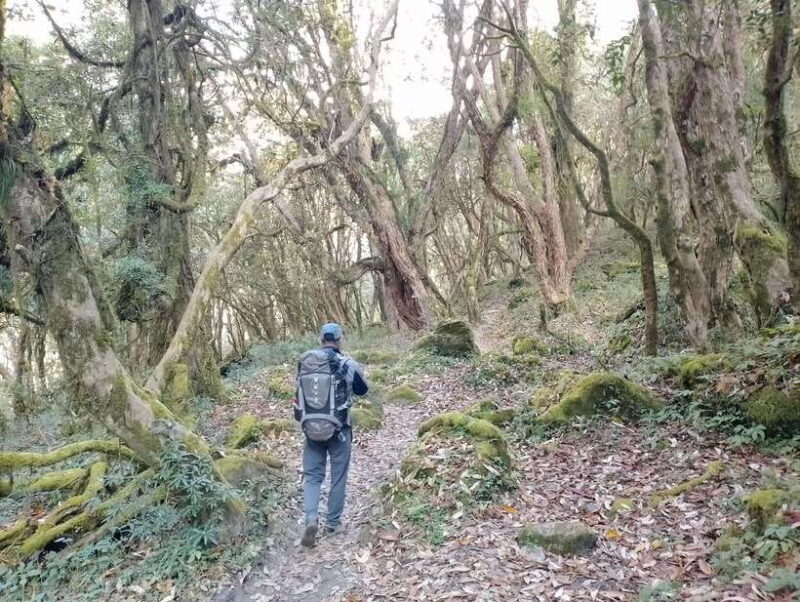
- Immersive Himalayan experience through Sherpa villages, dense forests, and high-altitude terrain.
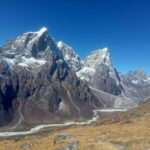
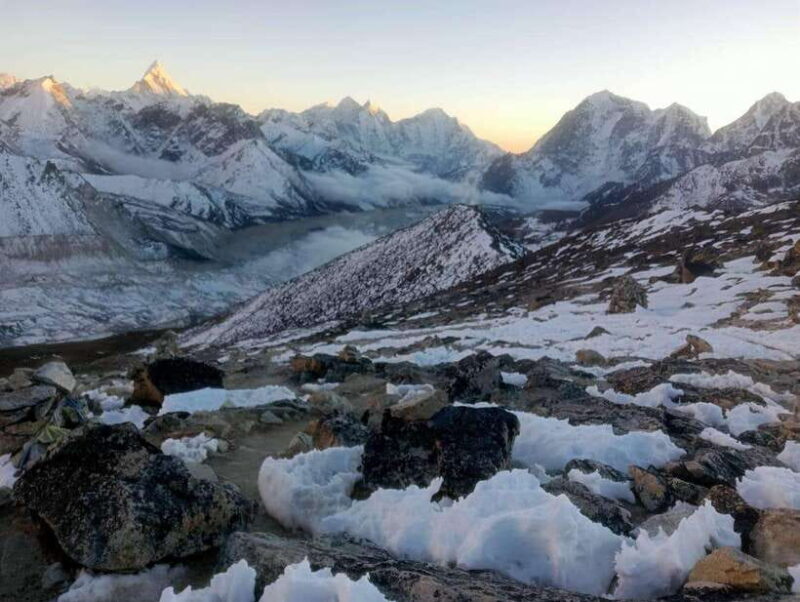
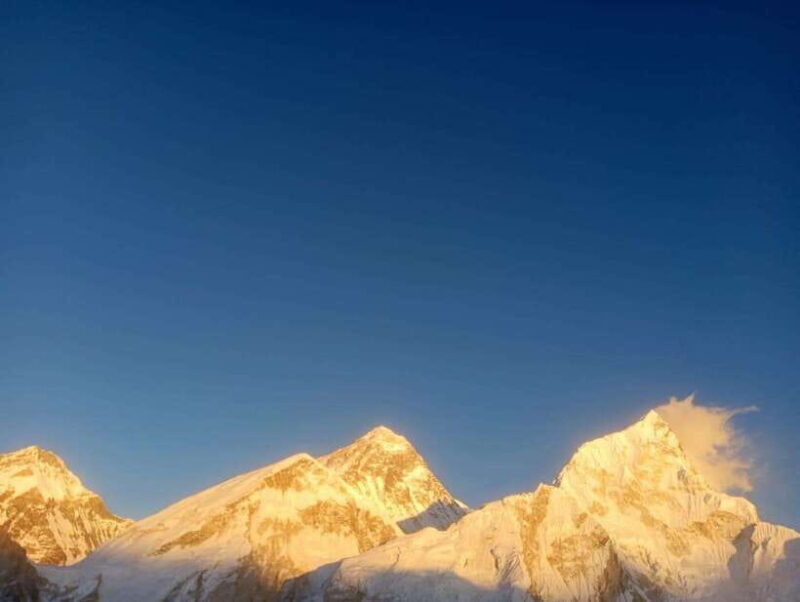
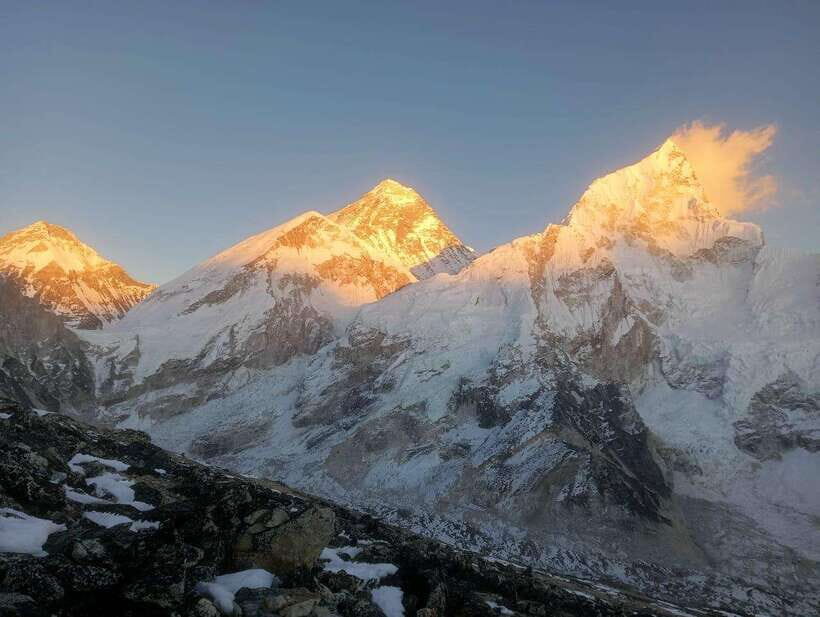
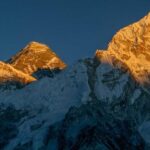
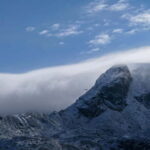
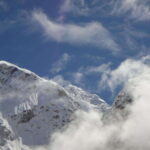
- Breathtaking mountain vistas, especially from Kalapathar, with views of Everest, Lhotse, and Nuptse.
- Cultural highlights include visiting Tengboche Monastery, a spiritual hub in the region.
- Physical challenge: Expect long days of trekking and steep ascents, requiring good fitness.
- All logistics managed: Permits, guides, accommodations, and transfers are included, offering hassle-free adventure.
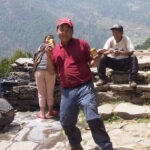
- Authentic regional interactions with friendly Sherpa guides and villagers.
Starting Point and First Days: From Kathmandu to Salleri
The journey begins in Kathmandu, where your guide will pick you up from your hotel. After a briefing, you’ll take a long but scenic drive by bus or jeep to Salleri, at about 2,362 meters. It’s a 12-13 hour trip, which might seem daunting but is part of the adventure—leaving the city behind and entering the lush hills of eastern Nepal. The road often winds through rugged terrain, giving you a glimpse of rural life and the changing landscape.
This first day is physically long but sets the tone for the trek: a gradual transition from urban to remote mountain settings. It’s a good opportunity to start acclimatizing and to prepare mentally for the journey ahead.
You can also read our reviews of more hiking tours in Pheriche
Trekking Through Sherpa Villages and Forests
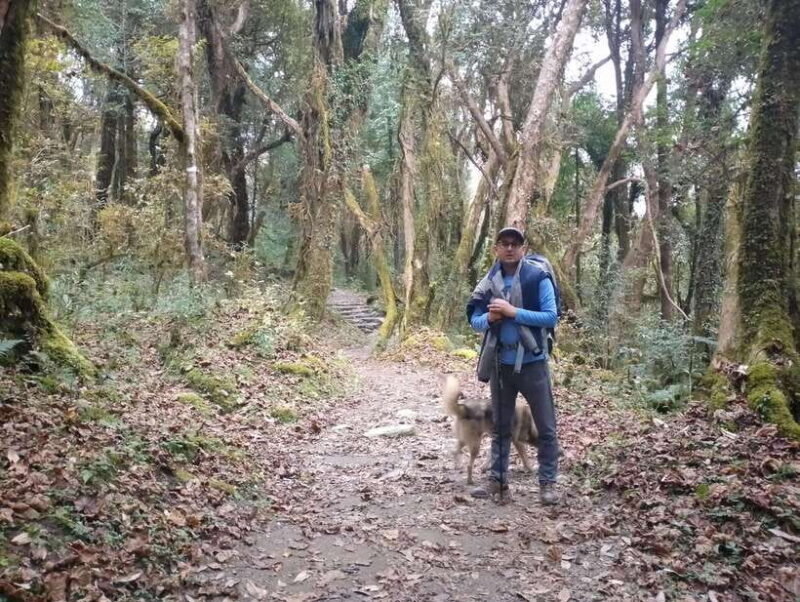
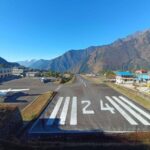
Over the next days, the trek moves through small villages like Nunthala, Bubsa, and Surkhe, each offering a glimpse of Sherpa life. These sections, about 5 to 6 hours of walking daily, are not just about covering ground but about experiencing rural Nepal—simple guesthouses, friendly locals, and the sounds of river crossings.
We love the way the itinerary balances walking with opportunities for rest and acclimatization, especially with days in Namche Bazaar and Dingboche. These acclimation days are crucial because they allow your body to adjust to the thinning air, reducing the risk of altitude sickness.
Cultural Highlights: Tengboche Monastery
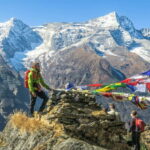
One of the crowning moments is reaching Tengboche, home to the famous monastery. Perched at 3,867 meters, it’s a spiritual oasis amid towering peaks. The monastery’s prayer flags fluttering in the wind, coupled with panoramic views of Everest and surrounding mountains, create unforgettable memories.
Many trekkers appreciate the calm and the chance to observe monks practicing their rituals, a peace that contrasts sharply with the physical exertion of the trek. It’s a perfect moment to reflect on the journey and the natural beauty surrounding you.
Ascent to Dingboche and Lobuche
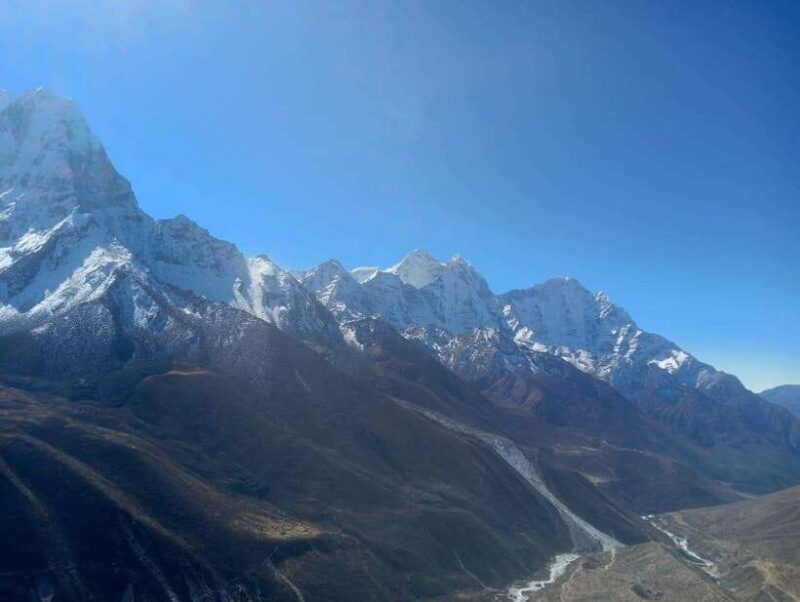
From Tengboche, the trail climbs higher, passing through Dingboche and Lobuche. These days are key for acclimatization, with hikes to higher points and overnight stays at progressively higher elevations. The terrain becomes more rugged, and the air noticeably thinner, but the views become more dramatic.
Expect to see other trekkers, porters, and guides, all sharing the common goal of reaching Everest. The sense of camaraderie here is palpable, with many sharing stories over hot tea in cozy tea houses.
More Great Tours NearbyReaching Everest Base Camp and Gorak Shep
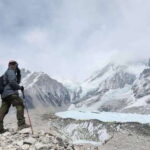
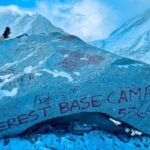
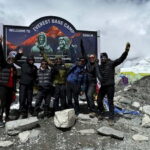
The day to visit Everest Base Camp is a highlight. From Gorak Shep, at 5,170 meters, it’s about a 2-hour trek to the base camp itself. Standing there, you’re surrounded by towering ice and snow, with Everest looming nearby at 8,848 meters. The experience is surreal and humbling, a physical and emotional achievement.
Many reviews note how crowded it can be, but the sense of being at the foot of the world’s tallest mountain remains profound. After a short rest, you’ll return to Gorak Shep for the night.
Kalapathar: The Viewpoint of Dreams
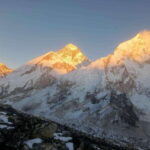
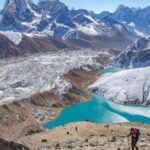
The next morning, an early start takes you to Kalapathar at 5,545 meters, one of the finest viewpoints in the Himalayas. The ascent is steep, but the panoramic views of Everest, Lhotse, Nuptse, and the surrounding peaks are worth every effort.
Many travelers describe Kalapathar as a “once-in-a-lifetime view,” with some quoting it as the highlight of the entire trek. The light in the early morning makes the ice and snow shimmer spectacularly, truly a photographer’s paradise.
Returning Journey: Trek and Drive Back to Kathmandu
Descending from Kalapathar, you trek back to Pheriche and then retrace your steps through Namche Bazaar, Lukla, and eventually Salleri. The return journey involves several days of hiking, but many find it a reflective and rewarding part of the experience.
The final leg includes a 12-13 hour drive back to Kathmandu, giving you time to process the journey and share stories of your adventure.
Logistics, Guides, and Group Size
The tour includes all necessary permits, guide, food, and accommodation. The group size is private, which means more personalized attention and flexibility. The guide is experienced, helpful, and speaks English, making logistical and cultural aspects much easier.
Cost-wise, at $1,085, the value appears strong considering all inclusions, from permits to hotel stays and transfers. Reviews mention the professionalism of the guide and the support provided, which can make or break such a demanding trek.
Nepal: Everest Base Camp with Kalapathar Trek
Seasonality and Practical Tips
The best times are from March to May and September to December, aligning with dry, stable weather and clear mountain views. The trek demands good physical condition, but the included acclimatization days help mitigate altitude risks.
Pack warm clothing, sturdy hiking shoes, sunscreen, and a good camera. Remember that high-altitude trekking means unpredictable weather—be prepared for cold mornings and warm afternoons.
This Everest Base Camp and Kalapathar trek offers an opportunity to witness some of the most iconic mountain scenery on earth, with the added reward of cultural encounters with the Sherpa people. It’s a physically demanding journey, requiring good fitness levels, but the payoff is immense: standing beneath the towering majesty of Everest and gazing at a landscape few will ever see in person.
If you’re seeking an authentic adventure that combines natural beauty, cultural richness, and a profound sense of achievement, this tour is a solid choice. It’s perfect for seasoned trekkers prepared for high-altitude challenges and those who value guided support to make the logistics smoother.
For travelers who want an immersive Himalayan experience without the hassle of planning every detail, this tour hits the sweet spot. Just remember to train beforehand, pack appropriately, and keep an open mind for the incredible scenery and unforgettable moments ahead.
How long is the drive from Kathmandu to Salleri?
It’s approximately a 12-13 hour journey by bus or jeep, starting early in the morning. While long, it’s scenic and sets the stage for the trek.
What is included in the tour package?
The package covers all permits, a knowledgeable guide, food, accommodation during the trek, and transfers from Kathmandu to Salleri and back. It’s a comprehensive package that simplifies planning.
Is this trek suitable for beginners?
Not quite. While seasoned hikers will manage, the trek’s high altitudes and long days require good physical fitness and some trekking experience.
What are the best seasons for this trek?
March to May and September to December are ideal, offering clear skies and stable weather. Avoid the monsoon season and the cold winter months for the best experience.
How challenging is the ascent to Kalapathar?
It is steep and requires an early start. The altitude of 5,545 meters makes it physically demanding, but the views are unparalleled.
Are accommodations comfortable?
During the trek, you’ll stay in guesthouses or tea houses, which generally offer basic but clean facilities. The focus is on warmth and rest after a long day’s walk.
What should I pack?
Warm clothing, hiking shoes, sunglasses, sunscreen, camera, water bottles, snacks, and a daypack are essential. Remember, high altitude means cold mornings and potential weather changes.
Can I cancel if my plans change?
Yes, the tour offers free cancellation up to 24 hours in advance, providing flexibility if your plans shift unexpectedly.
In essence, the Nepal Everest Base Camp with Kalapathar trek is a remarkable journey—challenging but rewarding—offering a true taste of the Himalayas’ grandeur, Sherpa culture, and the spirit of adventure. Whether you’re an experienced trekker or a dedicated explorer, it’s a trip that promises memories for a lifetime.
You can check availability for your dates here: