Exploring Japan’s historic temples often reveals more than just beautiful architecture — they offer a window into centuries-old spiritual visions. This guided tour to Jruri-ji Temple and its Jdo-style garden promises a peaceful escape into one of Japan’s most authentic Pure Land gardens, still intact after over a thousand years.
Whether you’re a history buff, a garden lover, or simply seeking a tranquil retreat, this experience offers a blend of serenity, history, and cultural insight.
What we love about this tour: First, the stunning visual harmony of the garden, where landscape design elevates spiritual symbolism to art. Second, the opportunity to see nine unchanged statues of Amida Nyorai, which are remarkably preserved, connecting visitors with ancient Buddhist practices. One challenge? The tour involves walking through the garden and some gentle terrain, so comfortable shoes are a must.
This experience suits those who enjoy authentic, off-the-beaten-path sites and don’t mind a bit of walking in exchange for a meaningful cultural encounter.
Key Points
- Authentic Pure Land Garden: Jruri-ji’s garden is the only one that still retains its original layout after over a millennium, making it a rare and valuable glimpse into ancient Japanese garden design.
- Serene Atmosphere: The combination of water features, statues, and landscape creates a contemplative space that beautifully illustrates Buddhist sacred ideals.
Expert Guidance: An experienced guide helps you understand the symbolism behind the statues and layout, enriching your visit with context and stories.
Convenient Transfer: The tour includes transportation from the nearest station, making it hassle-free to access this remote but significant site.
Historic Significance: The nine statues of Amida Nyorai have remained untouched for over a thousand years, offering a tangible link to Japan’s religious past.
Flexible Booking: The option to reserve now and pay later, along with a full refund policy if canceled up to 24 hours in advance, adds peace of mind for spontaneous travelers.
- Key Points
- An Authentic Look at Jruri-ji’s Pure Land Garden
- Walking Through the Sacred Landscape
- Why This Garden Matters
- Historical and Cultural Significance
- The Practicalities: What to Expect on the Tour
- The Experience: What You’ll Feel and See
- Who Should Consider This Tour
- The Sum Up: Why This Tour Offers Genuine Value
- FAQ: Your Questions About the Tour
- More Tour Reviews in Kyoto Prefecture
An Authentic Look at Jruri-ji’s Pure Land Garden
 1 / 6
1 / 6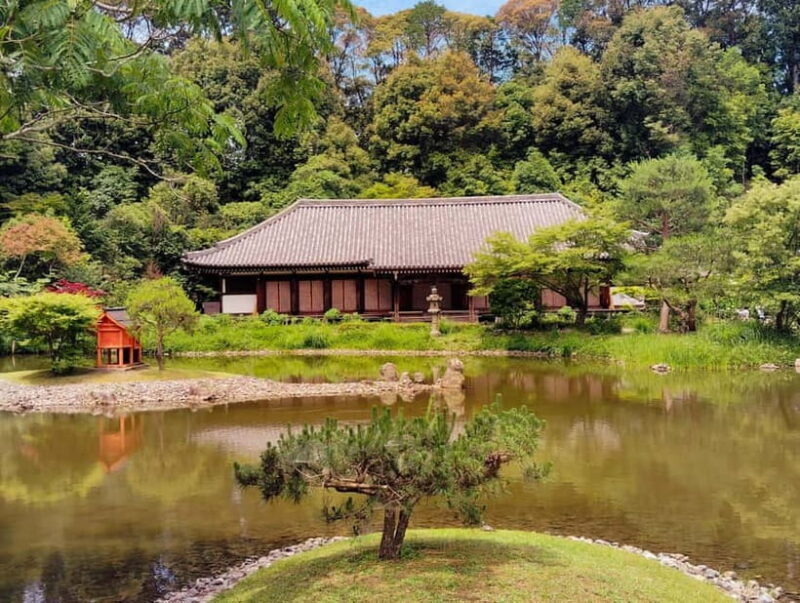 2 / 6
2 / 6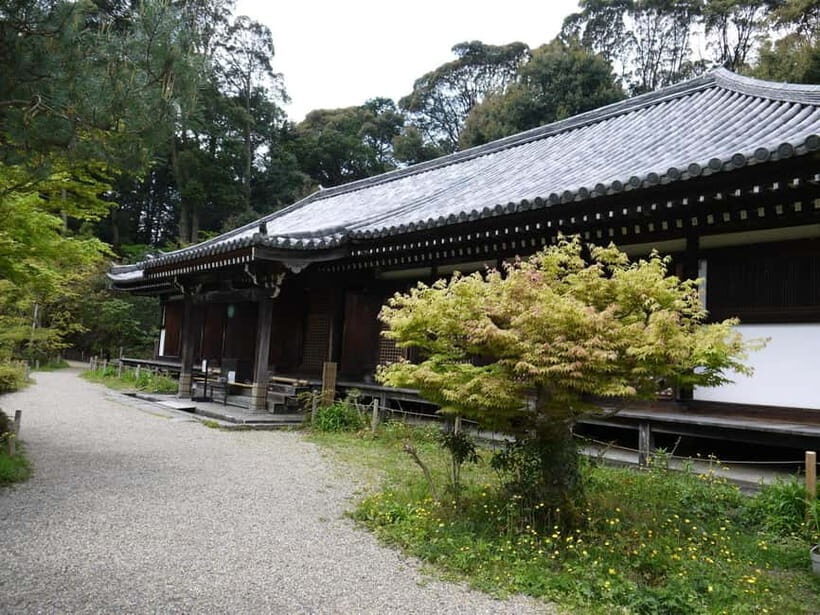 3 / 6
3 / 6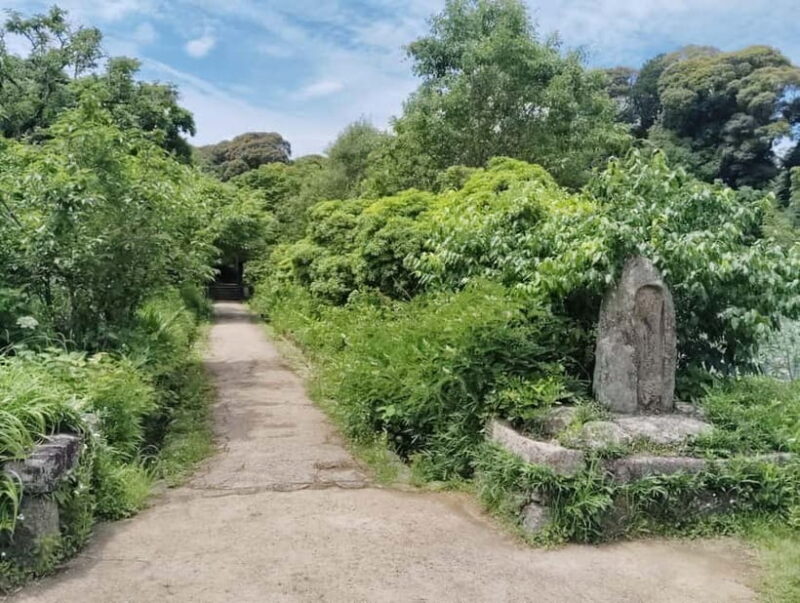 4 / 6
4 / 6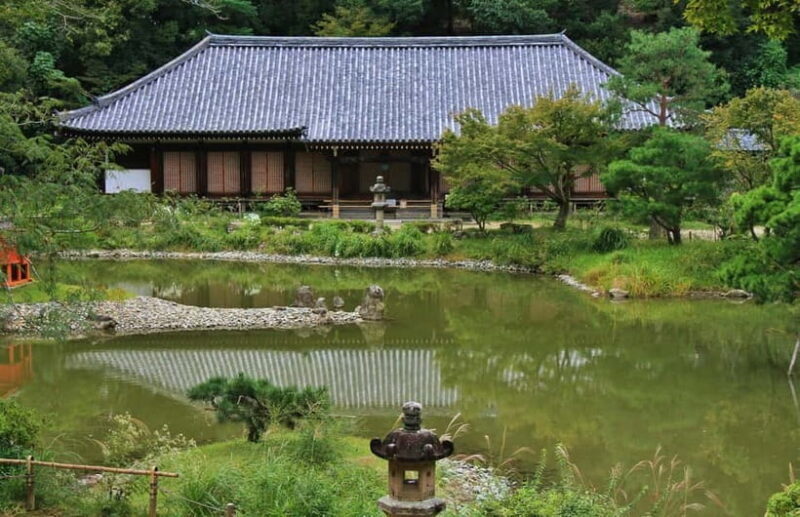 5 / 6
5 / 6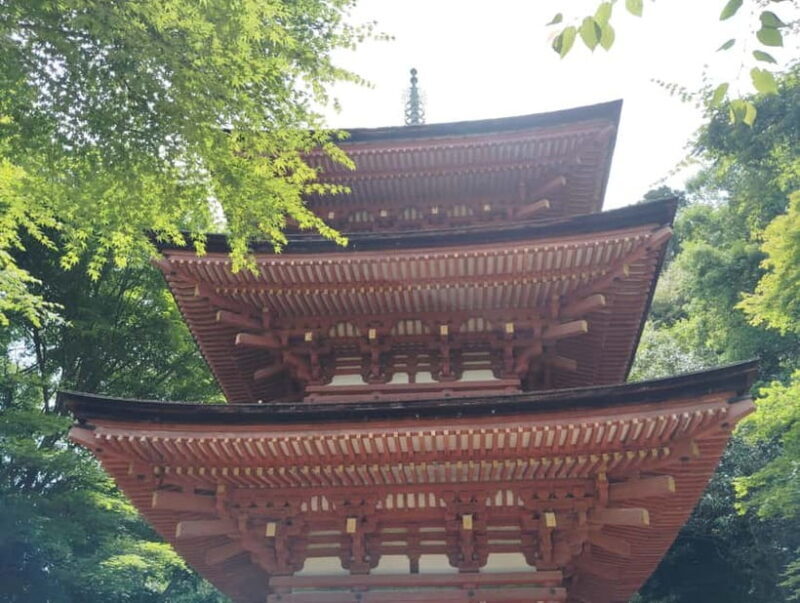 6 / 6
6 / 6Our journey begins at Kamo Station, the most practical starting point for travelers exploring Kyoto and Nara. The guide greets you with a bright yellow sign — unmistakable and friendly — and escorts you comfortably to the bus that whisks you away to the temple. The transfer itself is a relief; it means you won’t have to worry about navigating the often confusing Japanese transport system for this special day trip.
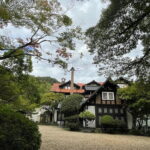
Once at Jruri-ji, the first thing you’ll notice is the meticulous layout of the Jdo-style garden. This style aims to recreate the Buddhist Pure Land — a kind of paradise — through landscape design. Unlike typical Japanese gardens, Pure Land gardens are meant to serve as a visual and spiritual representation of Buddhist scriptures, inviting reflection and meditation. For many visitors, the garden’s quiet beauty is what makes the experience memorable; it’s an oasis of calm away from the bustling city.
You can also read our reviews of more tours and experiences in Kyoto Prefecture.


Walking Through the Sacred Landscape
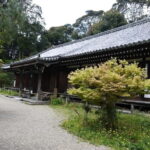
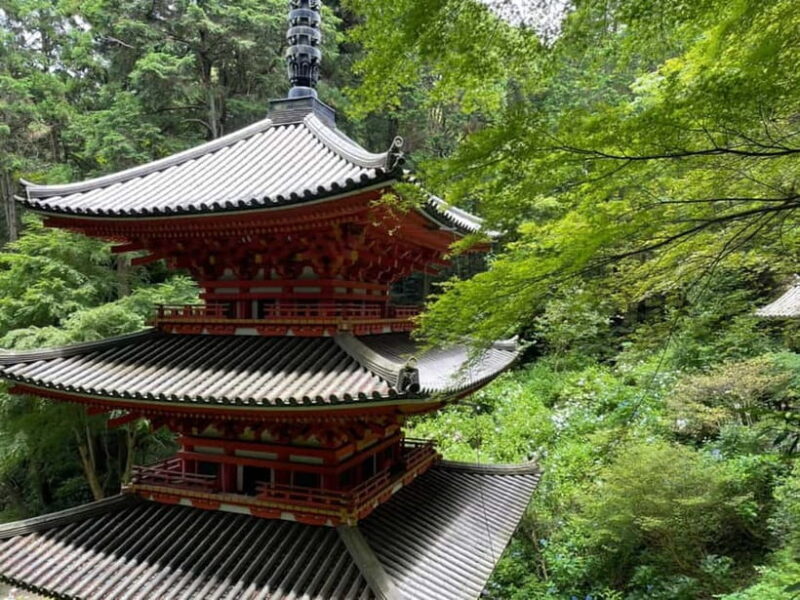
The garden’s central feature is a tranquil pond, which acts as a mirror reflecting the surrounding statues and landscape. To the east of the pond stands a pagoda housing a Buddha believed to reside in the Eastern realm, symbolizing the link between earth and paradise. On the western side, across the water, sit nine statues of Amida Nyorai, the Buddha of the Western Pure Land. These statues haven’t changed in over a thousand years, making them an awe-inspiring sight.
The spatial arrangement of these statues is a faithful representation of Buddhist scriptures, which is rare to see preserved so intact. As you stand in this garden, it’s like stepping into a living painting, where every element embodies spiritual symbolism. The experience is heightened by the guide’s explanations, which make clear how each statue and feature fits into the broader Buddhist cosmology.
Why This Garden Matters
Many Pure Land gardens from Japan’s past have vanished or been heavily altered over the centuries. Jruri-ji’s garden is unique in that it retains its original layout and vision, providing a rare glimpse into what a sacred landscape looked like over a millennium ago. It’s not just a garden — it’s a carefully constructed visual prayer to Buddha’s paradise, designed to inspire devotion and reflection.
Historical and Cultural Significance
The nine statues of Amida Nyorai have remained unchanged for over a thousand years, a fact that draws many visitors who are interested in Japan’s religious art. These sculptures are not only beautiful but also serve as a direct link to the spiritual practices of the past. The guide will share insights into their significance, helping you appreciate the craftsmanship and religious symbolism behind each figure.
Testimonials from visitors highlight the serenity and timelessness of Jruri-ji: “The statues and the garden layout feel like stepping back into an ancient world,” one reviewer noted. Others mention how the peaceful atmosphere makes it a perfect spot for quiet contemplation, a rare find outside the more commercialized temples of Kyoto.
More Great Tours NearbyThe Practicalities: What to Expect on the Tour
The tour lasts around a few hours, including transportation, guided commentary, and time to explore at your own pace. It’s well-suited for those who like a relaxed pace without feeling rushed. Comfortable shoes are recommended, as the garden involves some walking, and the terrain isn’t necessarily flat.
The experience begins with a brief introduction at Kamo Station, followed by a smooth bus transfer that takes you directly to the temple. The guide, who speaks both Japanese and Bengali, ensures everyone’s questions are answered, adding depth to the visit. At just $64, the tour offers good value considering the transportation, expert guidance, and exclusive access to a site that’s rarely open to casual visitors.
While the price might seem modest, it reflects not only the admission to an historic site but also the chance to understand a living spiritual landscape. The tour’s flexibility — with options to reserve now and pay later, and cancel up to 24 hours in advance — makes it accessible to spontaneous planning.

The Experience: What You’ll Feel and See
Expect to see an intimate and contemplative environment. The garden’s layout emphasizes harmony and balance, with water, stones, and statues carefully arranged to promote a sense of peace. The nine statues of Amida Nyorai are a highlight, each displaying subtle differences that reveal intricate craftsmanship.
Photographers will love the scenic views of the pond and statues, especially during soft morning or late afternoon light. However, it’s also a place to put down the camera and simply enjoy the silence and stillness.
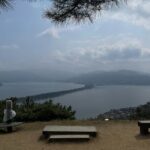
Many reviews mention the stunning views that the garden offers, especially when the sunlight hits the statues and water at just the right angle. These moments can evoke a feeling of timelessness, connecting you to the spiritual aspirations of ancient Japan.
The guide’s insights help decode the symbolism, like the placement of statues and the layout of the garden, turning a simple walk into an enlightening experience. Visitors often come away with a deeper appreciation for Japanese Buddhist art and garden design, along with a sense of tranquility that stays with them long after.
Who Should Consider This Tour
This tour is ideal for those interested in Japanese religion, history, and garden design. It’s perfect for travelers seeking an authentic experience that’s away from the crowds, especially if they enjoy quiet reflection in beautiful surroundings. It also suits people who appreciate detailed explanations and are open to walking through peaceful landscapes.
Keep in mind that the physical aspect involves walking through a garden, so it’s not suited for those with mobility challenges or who prefer more sedentary sightseeing. The tour’s price and duration also make it a good choice for visitors who want a meaningful, compact cultural experience without a full-day commitment.
The Sum Up: Why This Tour Offers Genuine Value
If you’re looking for an experience that blends history, spirituality, and natural beauty, this guided journey to Jruri-ji’s Pure Land Garden stands out. Its original layout and preserved statues give visitors a rare chance to connect with Japan’s religious art and landscape design as they might have appeared over a thousand years ago.
This tour is especially valuable for those who want to see something truly authentic — a place that has resisted modernization and retains its original spiritual intent. It’s perfect for travelers who prefer contemplative sites over crowded tourist spots, and who appreciate a well-guided explanation that deepens the experience.
The inclusion of transportation and a flexible booking policy makes this a practical choice, reducing stress and ensuring you can enjoy your day without worries. Despite its modest price, the tour offers a meaningful glimpse into Japan’s Buddhist landscape, making it a worthwhile addition to any Kyoto-area itinerary.
In short, this experience is best for those craving a tranquil, culturally rich encounter that offers both scenic beauty and spiritual insight. If you’re drawn to authentic sites with a story to tell, Jruri-ji’s Pure Land Garden will surely leave a lasting impression.
Southern Kyoto: Journey to Jruri-ji & Its Pure Land Garden
FAQ: Your Questions About the Tour
Where does the tour start?
It begins in front of the ticket gate at Kamo Station, where your guide will be waiting with a yellow “DeepExperience” sign.
Is transportation included?
Yes, the tour includes a bus transfer from the station to the temple, making it easier to reach this often remote site.
Can I cancel my booking?
Yes, you can cancel up to 24 hours in advance for a full refund, offering flexibility if your plans change.
What should I bring?
Comfortable shoes are recommended for walking through the garden, and a camera to capture the beautiful scenery.
Is the tour suitable for children?
While not explicitly stated, the gentle walking and cultural focus make it suitable for older children with an interest in history or gardens.
What languages are offered?
The tour is available in Bengali and Japanese, accommodating a diverse range of travelers.
How long does the tour last?
The entire experience, including transfer and guided exploration, lasts a few hours, perfect for a morning or afternoon outing.
Is this tour good for photography?
Absolutely, the scenic views of the statues and pond lend themselves well to photography, especially during good light conditions.
Are there any physical demands?
Some walking is involved, so comfortable shoes are advisable, but the terrain is not overly challenging.
What makes Jruri-ji’s garden special?
It’s the only Pure Land garden that still retains its original layout from over a thousand years ago, making it a rare and genuine site.
In summary, this guided tour offers a peaceful, insightful glimpse into Japan’s spiritual landscape, with stunning views and authentic history at its core. It’s a perfect choice for travelers eager for a quiet but meaningful cultural experience beyond the usual tourist spots.
You can check availability for your dates here: