- Tokyo: Sewing a Short Length Apron with a Vintage Tenugui — A Hands-On Cultural Experience
- Key Points
- Introduction: A Crafty Taste of Japan
- Why This Experience Stands Out
- Making a Practical, Beautiful Souvenir
- Learning About Tenugui and Japanese Textile Traditions
- A Friendly, Informal Environment
- Assistance & Accessibility
- Unique Gifts & Keepsakes
- The Itinerary: What to Expect
- Meeting and Starting Point
- The Atelier: A Step Back in Time
- Creating Your Apron
- Enjoying Refreshments & Social Time
- Ending and Gift Giving
- The Cost and Value
- Who Should Consider This Tour?
- Final Thoughts
- FAQs
- More Tour Reviews in Tokyo
Tokyo: Sewing a Short Length Apron with a Vintage Tenugui — A Hands-On Cultural Experience
If you’re visiting Tokyo and want to blend cultural insight with a practical craft, this apron-making tour offers a charming taste of Japan’s textile traditions. Hosted in a private, old house in Honshu, this activity invites you to create a unique piece from vintage Japanese fabrics, specifically tenugui, a cotton towel with deep roots in everyday life.
What we love about this experience is its friendly, homey atmosphere—think of it as visiting a friend’s house rather than a tourist trap—and the chance to take home a one-of-a-kind apron. The opportunity to choose from beautiful patterns and enjoy a moment of relaxation with a warm drink adds to its appeal.
A possible consideration? The host only speaks Japanese, which might require a bit of patience or reliance on translation apps. Also, it’s not suitable for children under 12 or travelers with mobility challenges, given the old house setting.
This tour fits best for those looking for an authentic, craft-focused activity in Tokyo that results in a practical souvenir. If you appreciate handmade items, culture, and a laid-back environment, you’ll find this memorable.
You can check availability for your dates here:Key Points
- Authentic Craft: Create your own apron from vintage Japanese tenugui fabric, combining tradition with a personal touch.
- Cultural Connection: Learn about the significance of tenugui, dyed with natural dyes from fermented persimmons, a staple in Japanese life.
- Cozy Atmosphere: Enjoy a homely setting in an old house, with friendly hosts and a relaxed vibe.
- Inclusive for Beginners: Assistance with sewing makes it accessible, even if you’ve never stitched before.
- Meaningful Gifts: Take home a woven wristband and a rice bag upcycled into a stylish accessory, plus your handmade apron.
- Optional Refreshments: Sip on coffee, Japanese tea, or other drinks, adding a social layer to the experience.
You can also read our reviews of more tours and experiences in Tokyo.


Introduction: A Crafty Taste of Japan
This apron-making experience in Tokyo promises more than just a simple craft session. It offers a glimpse into Japan’s textile traditions, blended with the charm of a private atelier in an old Japanese house. Whether you’re a curious traveler or someone who enjoys making things with your hands, this activity has a lot to offer.
Two aspects stand out right away. First, you get to choose from a variety of vintage tenugui patterns, each carrying its own story and style—perfect for collectors or lovers of authentic textiles. Second, the relaxed, home-like atmosphere makes even beginners feel comfortable, thanks to the host’s assistance and the casual environment.
One thing to keep in mind: since the host only speaks Japanese, you’ll rely on translation apps to communicate, which can sometimes slow things down or cause minor misunderstandings. It’s a small trade-off for the chance to experience a traditional craft firsthand.
This activity works well for those seeking a meaningful, culturally rich experience. It’s ideal for craft lovers, textile enthusiasts, or anyone wanting to bring home an unusual souvenir with a story behind it.
Why This Experience Stands Out
Making a Practical, Beautiful Souvenir
This isn’t just about sewing—it’s about creating something you can really use. The short-length apron you craft is functional and stylish, perfect for wearing in your own kitchen or gifting to a friend. Unlike typical tourist souvenirs, this carries a personal touch that makes it special.
More Great Tours NearbyLearning About Tenugui and Japanese Textile Traditions
Tenugui are deeply woven into Japanese culture, used for everything from wrapping packages to festival decorations. These cotton towels are dyed using natural colors from fermented persimmons, a detail that adds authenticity and cultural depth. We loved the way the guide explained how each pattern and dyeing process reflects traditional Japanese aesthetics and values.





A Friendly, Informal Environment
Set in a private house, the atelier feels more like visiting a friend than attending a class. The host’s warm hospitality and the opportunity to enjoy tea or coffee make the experience feel personal and unhurried. According to one reviewer, “It was very interesting, beautiful environment,” highlighting the tranquil setting that encourages creativity and conversation.
Assistance & Accessibility
Although sewing can seem daunting, help is readily available. Even if you’re a complete beginner, the host will assist you in sewing your apron. This inclusive approach ensures everyone can participate and leave with a proud handmade item.
Unique Gifts & Keepsakes
Beyond your apron, you’ll receive a woven wristband made from ripped cloth and a rice bag repurposed into a stylish bag. These upcycled gifts reflect Japan’s innovative approach to sustainability—an aspect many eco-conscious travelers will appreciate.
The Itinerary: What to Expect
Meeting and Starting Point
The experience begins at a designated meeting point, which varies based on your booking options. The closest stations are Kanegafuchi on the Tobu Skytree Line and Yahiro on the Keisei Line—both about a 10-minute train ride from popular districts like Asakusa or Tokyo Skytree. Be aware that these stations are small, and express trains do not stop there, so plan your journey accordingly.
The Atelier: A Step Back in Time
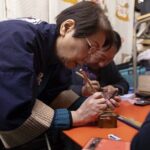
Arriving at the old house, you’ll step into a cozy, lived-in space that feels more like a friend’s home than a workshop. Here, you’ll browse through piles of vintage tenugui, selecting your favorite pattern. The host will then guide you through the process of cutting, sewing, and assembling your apron.
Creating Your Apron
The sewing process is straightforward and supported by your host. For those unfamiliar or unsure, assistance is always available—making this a great activity for beginners. The goal is to craft a short-length apron that is both practical and visually appealing.
Enjoying Refreshments & Social Time
Throughout the session, you can sip on coffee, Japanese tea, or other drinks, creating a relaxed, social vibe. Sweets and snacks are also available, adding to the homey feel.
Ending and Gift Giving
When finished, you’ll wear your apron immediately or take it home as a souvenir. You’ll also receive a wristband woven from ripped cloth and a rice bag repurposed into a bag, both lovely tokens of the experience. The activity concludes back at the meeting point, completing a tranquil, creative journey.
The Cost and Value
Pricing at around $30 per person, this activity offers excellent value for a hands-on, culturally enriching experience. Compared to typical Tokyo activities, which can be costly, this price includes all materials, tools, and your choice of drinks—making it a budget-friendly way to deepen your cultural understanding and add a handmade item to your collection.
The reviews reflect this value as well; one guest noted, “The outcome is lovely and useful,” emphasizing that you get not just a fun memory but a tangible, usable product. The attention to detail, such as assistance for sewing and the chance to explore vintage fabrics, adds to the overall worth.
Who Should Consider This Tour?
This experience is perfect for travelers who want more than just sightseeing. It’s ideal for those interested in traditional Japanese textiles or looking for a creative activity that results in a real, usable souvenir. If you enjoy making things with your own hands and learning about local craftsmanship, you’ll find this tour rewarding.
However, it’s not suited for travelers with mobility issues or children under 12, due to the old, non-barrier-free house. Also, if you don’t speak Japanese and aren’t comfortable with translation apps, you might find communication challenging but still manageable.
Final Thoughts
This apron-making tour in Tokyo offers a refreshing break from typical sightseeing. It combines cultural authenticity, practical craftsmanship, and a warm, inviting atmosphere—all for a reasonable price. You’ll leave with a lovely apron you made yourself, along with thoughtful gifts that reflect Japan’s eco-conscious ingenuity.
If you love discovering how everyday objects are crafted in Japan and want a memorable, hands-on experience, this activity is definitely worth considering. It’s especially suited for those who appreciate traditional textiles, enjoy making things, or simply want a quiet, creative moment during their busy Tokyo trip.
Whether you wear your apron at home, gift it to a loved one, or keep it as a souvenir, you’ll carry a piece of Japan’s textile heritage with you long after your visit.
Tokyo: Sewing a short length apron with a vintage tenugui.
FAQs
Is this experience suitable for beginners?
Yes, the sewing is not particularly challenging, and assistance is provided, making it accessible for those new to sewing or crafting.
How do I get to the atelier?
It’s best to take a local train that stops at every station at Kanegafuchi Station on the Tobu Skytree Line or Yahiro Station on the Keisei Line. Both stations are about 10 minutes from Asakusa or Tokyo Skytree.
What language is spoken during the workshop?
The host speaks only Japanese, so translation apps and earphones are used to communicate.
Can I participate if I don’t speak Japanese?
Yes, with the use of translation tools, you can follow along and enjoy the experience.
Is there a minimum age to participate?
Yes, children under 12 are not suitable for this activity.
What should I wear or bring?
You’ll be provided with an apron to wear during the session, and comfortable clothes are recommended for sewing.
How long does the experience last?
While the exact duration isn’t specified, activities like this typically last around 1-2 hours.
Can I cancel if my plans change?
Yes, cancellations are accepted up to 24 hours in advance for a full refund.
This hand-crafted adventure is a delightful way to connect with Japan’s textile traditions while making something practical and beautiful. Perfect for cultural enthusiasts and craft lovers alike, it offers a rare glimpse into Japan’s everyday artistry—one stitch at a time.
You can check availability for your dates here: