Exploring Tokyo’s culinary scene often means sampling sushi or ramen, but this particular experience offers something more intimate and hands-on: making authentic Musashino Udon noodles directly in a local home. This class provides a rare opportunity to see and participate in an age-old tradition, all while enjoying personalized attention and regional flavors.
What makes this experience stand out? First, the foot-kneading method of preparing Udon dough isn’t just fun; it’s a surprisingly therapeutic way to connect with Japanese culinary roots. Second, the private setting in a Japanese home makes it feel more like a visit to a friend’s kitchen than a tourist trap.
That said, it’s worth noting that the experience is limited to a small group and lasts about 2.5 hours, which might feel brisk for some who like to take their time in the kitchen.
Overall, it’s best suited for curious food lovers, cultural explorers, and anyone wanting an authentic, memorable culinary souvenir.
- Key Points
- An Authentic Look into Japanese Udon Making
- The Itinerary: From Dough to Delicious
- Making Dashi and Pork Soup
- The Final Course: Udon and a Cultural Pause
- The Experience: What’s Included and What’s Not
- Authenticity in Every Bite
- Why This Tour Works
- Who Should Consider This Experience?
- The Sum Up
- FAQs
- More Workshops & Classes in Tokyo
- More Tour Reviews in Tokyo
Key Points
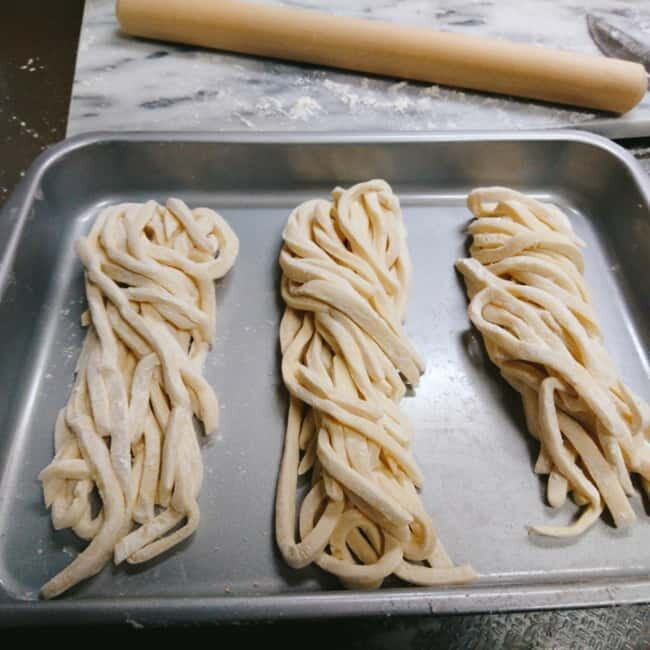
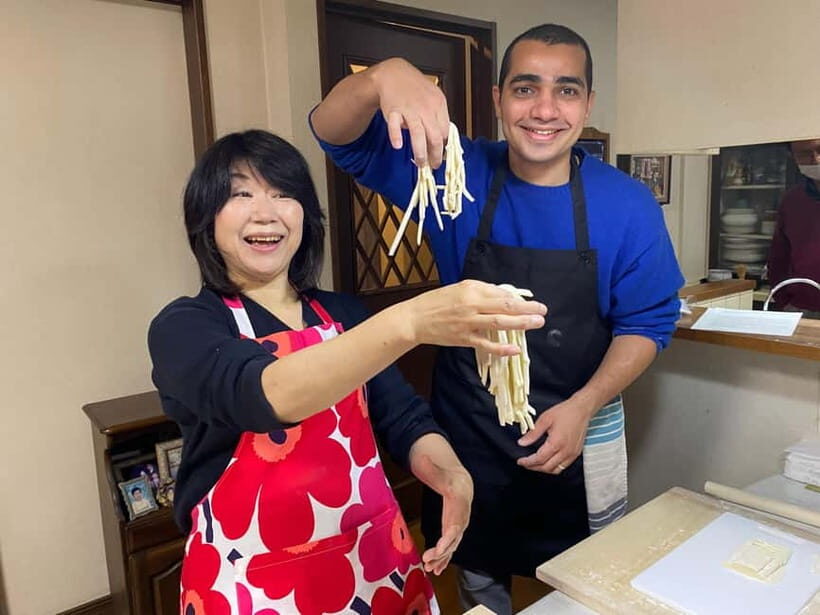
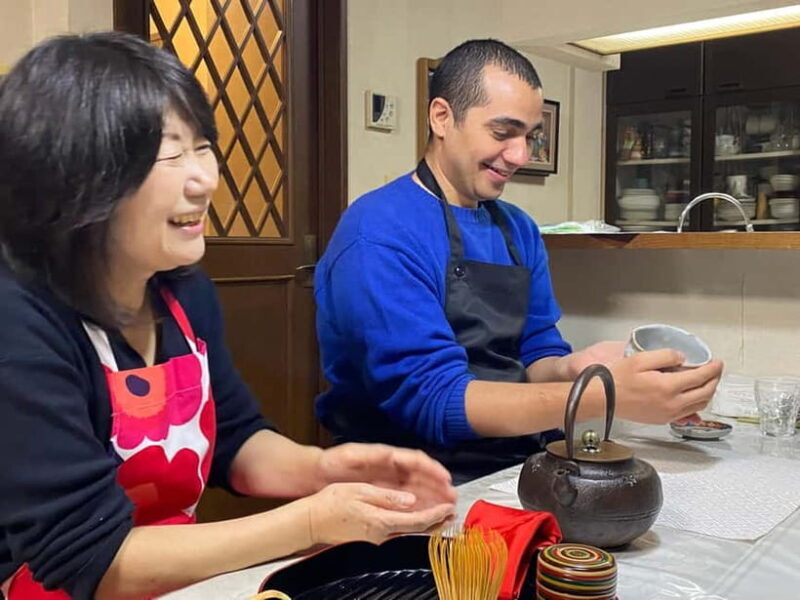
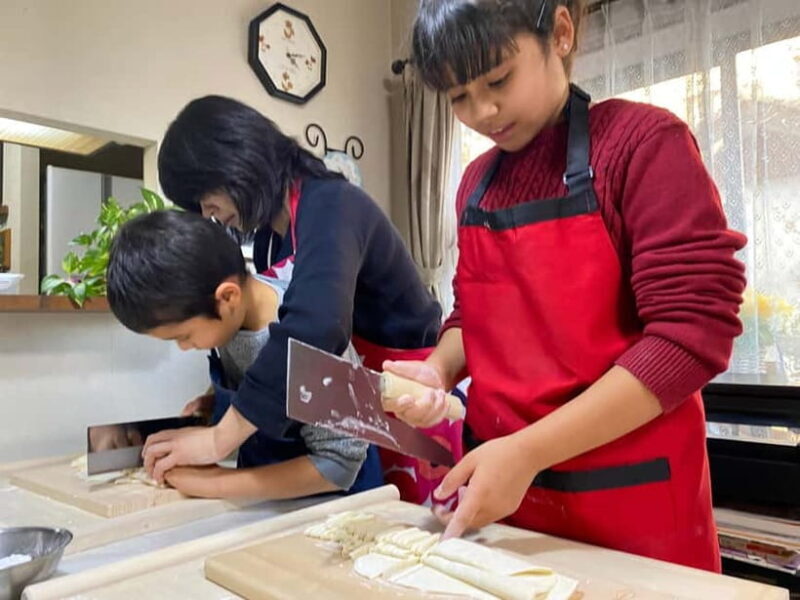
- Unique foot-kneading method offers an authentic and fun way to prepare Udon noodles.
- Homemade Dashi provides insight into fundamental Japanese cooking techniques.
- A cozy setting in a Japanese home creates a personal and relaxed atmosphere.
- Vegetarian and vegan options are available, making it accessible for different dietary needs.
- Includes a casual Matcha tea ceremony with Wagashi, enriching the cultural experience.
- Great value for the price of $74 when you consider the hands-on activity, ingredients, and cultural insights.
An Authentic Look into Japanese Udon Making
This class in Musashino, a lush suburb west of Tokyo, offers more than just a cooking lesson—it’s a peek into local life. Historically, the area was known for wheat farming, which explains the deep roots of Udon-making tradition here. Being able to participate in this tradition in someone’s home gives a genuine sense of regional history and culinary pride.
You can also read our reviews of more tours and experiences in Tokyo


The Itinerary: From Dough to Delicious
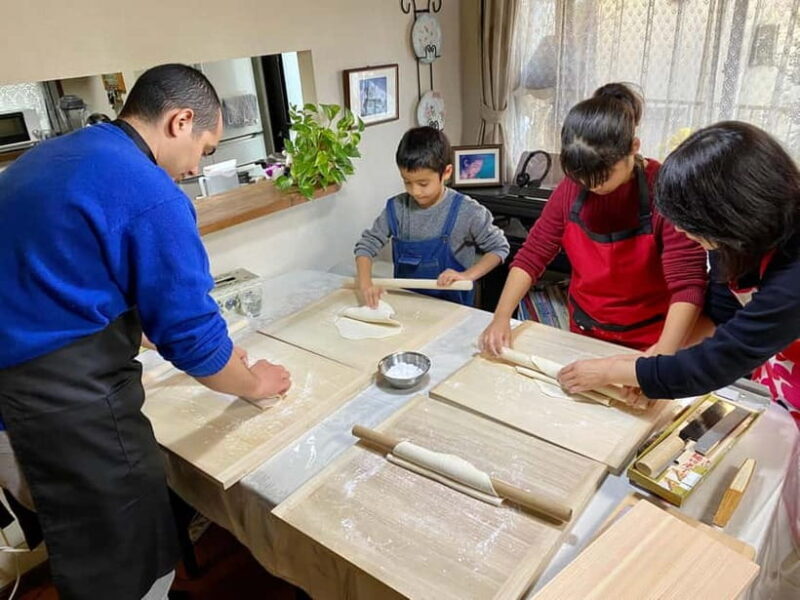
The experience begins with your group gathering at Higashimurayama station, where the host offers to give you a ride to the venue. Once there, you’re welcomed into a typical Japanese home, and the class kicks off in a warm, informal setting. The first part involves making the Udon dough. Instead of kneading with your hands, you’ll step onto the dough with your feet—yes, foot-kneading is the highlight! This method, used for centuries, ensures the dough achieves the perfect elasticity and consistency.
As you press and knead with your feet, you’ll likely find the process surprisingly relaxing, and definitely amusing. One guest reviewer described it as “therapeutic,” and it sets the tone for a lively, joyful atmosphere. With the dough ready, you’ll learn how to roll it out using traditional utensils—a large wooden rolling pin and a special Udon knife for cutting into noodles.
Making Dashi and Pork Soup
Next, you’ll shift gears from noodles to broth. Making Dashi, the quintessential Japanese stock, is an art unto itself. You’ll learn how to prepare this essential base, which then forms the foundation of a hot pork soup—a common dipping sauce for the noodles. The rich, savory flavor of this soup is the perfect complement to your freshly made Udon, and you’ll get to experience the satisfaction of creating a dish from scratch.
The Final Course: Udon and a Cultural Pause
After rolling, cutting, and cooking your noodles, it’s time to enjoy the fruits of your labor. The freshly made cold Udon offers a refreshing contrast to the warm, hearty pork broth. This pairing is a highlight, as you taste the difference that your own handiwork makes.
Following the meal, you’ll have a chance to relax with a casual Matcha tea ceremony, accompanied by Wagashi—the traditional Japanese sweets. It’s a calming end to a lively, hands-on experience that combines culinary skill with cultural appreciation.
More Great Tours NearbyThe Experience: What’s Included and What’s Not
For $74, you receive all ingredients, kitchenware, recipes, a ride to the venue, and the tea ceremony experience. The class emphasizes value for money because you walk away with not just a new skill but also a deeper understanding of Japanese food culture.
It’s worth noting that vegetarian and vegan options are available if you request in advance, making it more inclusive. Participants should also inform the host of any allergies, ensuring a safe and comfortable experience.
Transport to the meeting point is not included in the price, so budget for this separately. The pickup from Higashimurayama station is a thoughtful touch that helps streamline the experience, especially if you’re unfamiliar with the area.





Authenticity in Every Bite
Based on reviews, visitors consistently praise the knowledgeable and friendly guides. One reviewer highlighted Izumi’s storytelling, sharing the history of Udon and personal family stories, which added a heartfelt touch. The process of foot-kneading is described as “surprisingly therapeutic,” making it more than just a cooking lesson—it becomes a memorable experience.
The final product is celebrated for its freshness and flavor. One guest exclaimed the Udon was “so tasty I couldn’t believe we made it ourselves,” a testament to the quality of the class. The social and joyful atmosphere is also frequently mentioned, with music playing in the background creating a lively environment.
Why This Tour Works
This experience is especially appealing for those wanting a personal connection to Japanese culinary traditions. It’s perfect for travelers who enjoy hands-on activities, cultural learning, and local hospitality. The relaxed setting and small group size ensure personal attention and ample opportunity to ask questions.
On top of that, the inclusion of a tea ceremony ties together the meal with the broader Japanese cultural context, making this a well-rounded experience.
Who Should Consider This Experience?
This class suits foodies eager to learn authentic Japanese skills. It’s also ideal for cultural travelers interested in understanding local life beyond the tourist spots. Perfect for small groups or families, it offers a friendly, informal environment where everyone can participate regardless of cooking skill level.
If you’re a vegetarian or vegan, the option to customize the lesson makes it accessible. Those interested in cooking from scratch while enjoying a relaxed, local setting will find this particularly rewarding. It’s also a great choice for anyone wanting a unique souvenir—a recipe and experience that can be recreated at home.
The Sum Up
This foot-kneaded Udon noodles class in Tokyo offers more than just cooking—it’s an opportunity to step into Japanese heritage through culinary craft. The chance to make noodles with your own feet, learn how to prepare Dashi, and enjoy a traditional tea ceremony makes it stand out among many cooking experiences. The intimate setting, friendly guidance, and authentic flavors ensure a memorable and meaningful outing.
If you’re a curious traveler, eager to connect with local traditions in a relaxed environment, this class provides excellent value for the price. It’s especially suited for small groups, families, and those wanting a genuine, hands-on glimpse of regional Japan.
For anyone who loves food, culture, and fun, this class will leave you with a full belly and a warm heart—plus a new recipe to share back home.
Tokyo: Traditional foot-kneaded Udon noodles class
FAQs
Is transportation to the venue included?
No, the price does not cover public transportation. However, the host offers to pick you up at Higashimurayama station, making logistics easier.
Can vegetarians or vegans participate?
Yes, vegetarian and vegan options are available if you inform the host in advance, ensuring the ingredients meet your dietary needs.
How long does the class last?
The total experience lasts approximately 2.5 hours, offering enough time to learn, cook, and relax afterward.
What’s the age range suitable for this experience?
While not explicitly stated, the hands-on nature and fun foot-kneading process suggest it’s suitable for adults and possibly older children who can follow directions and handle the equipment safely.
What should I wear?
An apron is provided, but comfortable clothing that can get a bit floury or damp during cooking is recommended. No specific dress code.
Is there a limit to group size?
The experience is designed for small groups, ensuring personalized attention and a lively atmosphere.
Are ingredients provided?
Yes, all ingredients and kitchenware are included, so you don’t need to bring anything except your enthusiasm.
Can I book without paying upfront?
Yes, you can reserve your spot and pay later, giving you flexibility to plan your trip.
What kind of noodles will I make?
You will make Musashino Udon, known for its firm texture and regional significance, using traditional methods passed down over centuries.
This class is a wonderful way to enjoy Tokyo beyond the usual sights, offering a taste of local life, tradition, and delicious food—all in a friendly, authentic setting.
You can check availability for your dates here: