This guided walking tour in Tokyo offers a fascinating peek into the city’s red-light district’s storied past. Whether you’re a history buff, curious about Japan’s complex social fabric, or just eager to see a different side of Tokyo, this experience is a great choice.
What we love about this tour is how it combines storytelling with tangible, physical remnants of Yoshiwara’s former glory. Visiting sites like the Yoshiwara Wall remnants and the Yoshiwara Shrine immerses you in authentic history. Plus, walking through Gojikken-michi Road, with its unchanged features, makes you feel like you’ve stepped back in time.
A potential consideration is that the tour involves quite a bit of walking, which might be tiring for some. It’s also not suitable for children under 18, so it’s more focused on adult history and culture. But for those who appreciate historical and cultural insights paired with a good walk, this tour hits the right notes.
This experience suits travelers who enjoy uncovering lesser-known stories, appreciate walking tours with cultural depth, and want to explore Tokyo beyond its modern facade.
- Key Points
- An In-Depth Look at the Yoshiwara Brothel History Walking Tour
- Starting Point: Minowa Station
- Exploring Historic Shops: Iseya and Sakura-nabe Nakae
- The Symbolic Mikaeriyanagi Willow Tree
- Walking Gojikken-michi Road
- The Yoshiwara Daimon Gate and Surrounding Wall
- The Guard Station and Security
- Visiting Yoshiwara Shrine and Yoshiwara Benzaiten
- Jokan-ji Temple: The Final Stop
- What Makes This Tour Stand Out
- Practical Tips
- Who Will Enjoy This Tour?
- Frequently Asked Questions
- More Walking Tours in Tokyo
- More Tours in Tokyo
- More Tour Reviews in Tokyo
Key Points
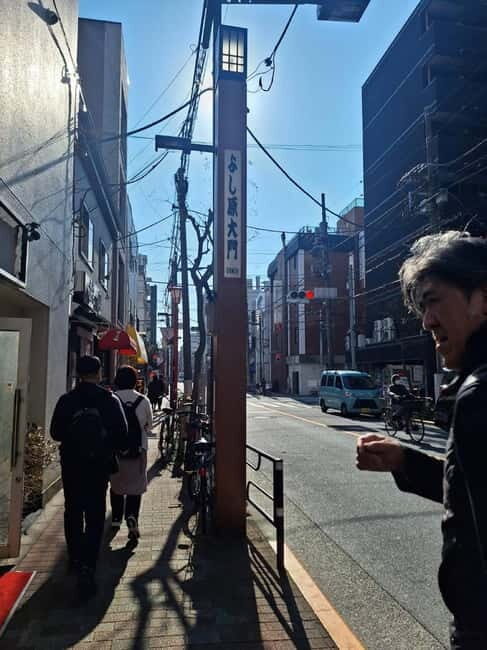

- Historical depth: Learn about the Yoshiwara brothels, a district officially recognized over 400 years ago.
- Tangible remnants: Touch the Yoshiwara wall remnants and see the guard station—authentic pieces of history.
- Cultural insights: Visit Yoshiwara Shrine and the Jokan-ji Temple to understand their unique connections.
- Authentic walk: The tour combines history, architecture, and local legends, all within a walk starting at Minowa Station.
- Value for money: At $67, the tour offers a well-rounded, informative experience that covers significant landmarks and stories.
- Inclusive learning: Enjoy cultural insights and detailed stories that make the history come alive.
An In-Depth Look at the Yoshiwara Brothel History Walking Tour
You can also read our reviews of more walking tours in Tokyo


Starting Point: Minowa Station
The tour begins conveniently at Minowa Station, Exit 3, where guides are ready with a sign saying “Yoshiwara tour.” Meeting here keeps things simple and central. From the start, our guide’s enthusiasm makes it clear we’re in for a day of stories that most travelers miss.
Exploring Historic Shops: Iseya and Sakura-nabe Nakae
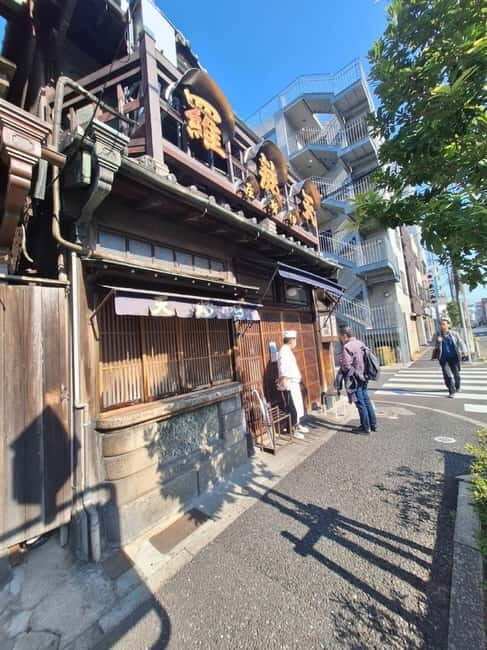
Your first stops are Iseya and Sakura-nabe Nakae, two establishments registered as Tangible Cultural Heritage of Japan. These long-established shops, dating back to 1889, give a sense of continuity. They’re not just old buildings; they tell of a time when Yoshiwara was a bustling hub of entertainment. The guide shares anecdotes about their past, making history feelalive rather than distant.
The Symbolic Mikaeriyanagi Willow Tree
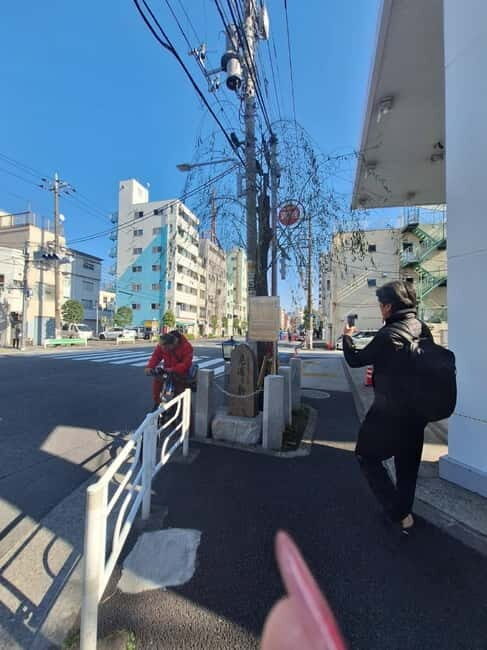
Next, you’ll see the Mikaeriyanagi Willow Tree, often called the “looking back willow.” This tree, appearing in ukiyo-e prints, symbolizes the district’s nostalgic allure. It’s a visual anchor that cements the district’s cultural significance and makes for a memorable photo stop.
More Great Tours NearbyWalking Gojikken-michi Road
One of the highlights is walking along Gojikken-michi, a road that has preserved features since the district’s heyday. As you stroll, your guide points out the distinctive pavement and architecture that haven’t changed much. It’s a rare chance to walk through a historical street where past and present coexist.
You can also read our reviews of more historical tours in Tokyo



The Yoshiwara Daimon Gate and Surrounding Wall
You’ll visit the site of the Yoshiwara Daimon Gate, the only entrance to the district. Standing here, you can imagine the bustling activity that once poured through this gate. Nearby, the remains of the Yoshiwara wall allow you to touch a piece of history—an experience that’s both humbling and enlightening.
The Guard Station and Security
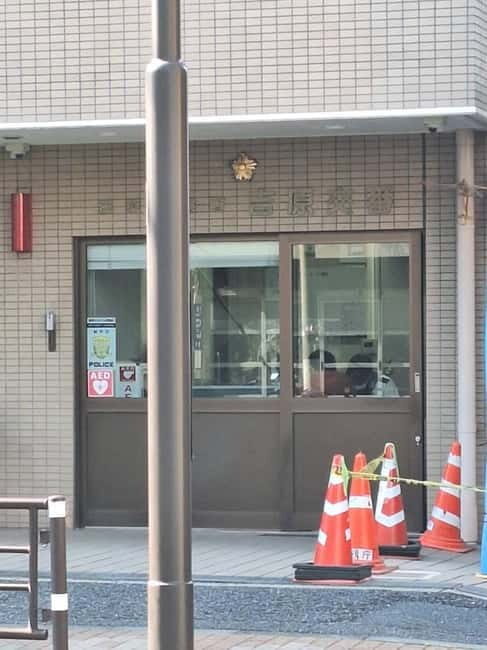
The Yoshiwara brothel guard station—which is now a police station—once served as a line of defense and control. Hearing about how it protected the district from prowlers adds an interesting layer to understanding the social ecosystem of Yoshiwara.
Visiting Yoshiwara Shrine and Yoshiwara Benzaiten
A visit to the Yoshiwara Shrine reveals a place intertwined with district history. Unique features, not found elsewhere, include the red seals (Goshuin) that visitors can collect—an authentic souvenir of this cultural pilgrimage. The Yoshiwara Benzaiten shrine, located farther away, offers another layer of spiritual history connected to the district.
Jokan-ji Temple: The Final Stop
The tour concludes at Jokan-ji Temple, which holds graves of those associated with the brothels. Here, stories of the people who lived and worked in Yoshiwara are kept alive, giving a human dimension to the district’s past.
What Makes This Tour Stand Out
The value of this experience hinges on its authenticity. Unlike superficial “haunted” or “entertainment” tours, this one digs into specific sites with tangible ties to real history. The touching of the wall remnants, the visits to actual shrines and temples, and the stories shared by knowledgeable guides make it a sincere and enriching experience.
On top of that, the price of $67 is quite reasonable considering the depth of content and the number of sites covered in about four hours. It’s a fair price for what’s essentially a culture, especially as it includes insights into Japan’s social history.
Practical Tips
- Wear comfortable shoes—the tour involves quite a bit of walking along uneven streets.
- Bring comfortable clothes suited to the weather, as most of the tour is outdoors.
- The tour is conducted in English, making it accessible for most travelers.
- It’s not suitable for children under 18, so plan accordingly if traveling with minors.
- You can reserve and pay later, which is flexible for your trip planning.
- The tour ends back at the meeting point, making it easy to plan the rest of your day.
Who Will Enjoy This Tour?
This experience is ideal for travelers with a curiosity about Japan’s hidden social layers. History buffs, cultural enthusiasts, and those keen on seeing authentic sites will find it rewarding. It also works well for those who appreciate walking tours that blend storytelling with physical remains. If you’re interested in the less-glamorous side of Tokyo’s history, this tour offers a rare glimpse.
However, if you prefer fast-paced, modern attractions or are traveling with children under 18, this might not be the best fit. It’s best suited for adults willing to engage with the district’s complex past and enjoy walking through historically significant streets.
Tokyo: Yoshiwara Brothel History Walking Tour
Frequently Asked Questions
Is the tour suitable for people with mobility issues?
Since the tour involves walking around historic streets and sites, it may not be ideal for those with mobility concerns. The terrain is mostly outdoor and uneven.
How long does the tour last?
It’s approximately four hours, including visits to multiple sites and walking between them.
Is the tour only in English?
Yes, the tour is conducted in English, making it accessible for international visitors.
What should I bring?
Wear comfortable shoes and clothing suitable for walking outdoors. It’s wise to bring water and perhaps a small umbrella if rain is forecast.
Can I cancel if my plans change?
Yes, you can cancel up to 24 hours in advance for a full refund.
Is this tour family-friendly?
No, it’s not suitable for children under 18 due to the mature themes related to Yoshiwara’s history.
Does the tour include transportation?
No, it starts and ends at Minowa Station and involves walking between sites.
What makes Yoshiwara historically significant?
It was a recognized district for over 400 years, with a unique social and cultural history, including its famous brothels, temples, and landmarks.
Are there opportunities to buy souvenirs?
While not explicitly mentioned, visiting shrines and temples often offers opportunities for collecting Goshuin (red seals) and other cultural items.
What is the main takeaway from this tour?
You’ll leave with a clearer understanding of an often-misunderstood side of Tokyo’s past, with a tangible connection to the district’s physical and spiritual remnants.
In essence, this walk through Yoshiwara is a chance to see Tokyo from a different angle. It’s a respectful, detailed, and engaging look at a complex chapter of Japan’s social history. For travelers interested in authentic sites that tell stories beyond the usual landmarks, this is a worthwhile addition to your itinerary.
You can check availability for your dates here: