When it comes to shopping for authentic Japanese souvenirs, Tokyo offers a surprising array of options beyond the typical tourist shops. The Traditional Antiques Market Tour promises a chance to hunt down Japanese curiosities alongside a knowledgeable guide—often a young geisha or apprentice—who can help you find rare pieces and do the bargaining.
While it sounds promising, we’ve uncovered some important details that can help you decide if this tour fits your travel style.
What we like about this experience is the chance to explore Tokyo’s flea markets nestled outside shrines—places where traditional wares like kimono robes, samurai swords, and geisha pillows can be found. Plus, the guide’s ability to bargain on your behalf can save some yen and make the hunt more enjoyable. However, one surprising downside is the inconsistency of the markets themselves, which can impact the value of this tour.
This tour suits travelers who are curious about Japanese culture, love shopping for authentic antiques, and enjoy a bit of bargain-hunting in an outdoor, lively setting. If you’re seeking a guided, cultural shopping experience with a local touch, this tour might be a good fit—just keep some flexibility in mind.
- Key Points
- Analyzing the Experience: What to Expect
- Overview and Logistics
- The Markets and Their Charm
- The Downside: Market Availability and Consistency
- What’s worth loving? Authentic finds and cultural insights
- Practical Tips
- A Closer Look at the Itinerary
- Authenticity and Value for Money
- Who Should Consider This Tour?
- More Shopping Tours in Tokyo
- More Tours in Tokyo
- More Tour Reviews in Tokyo
Key Points
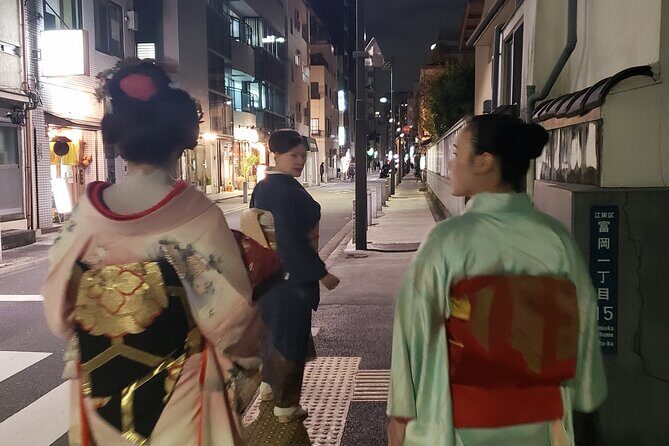
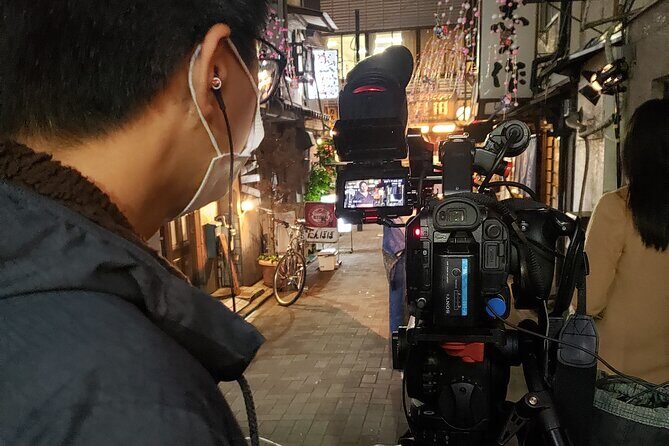
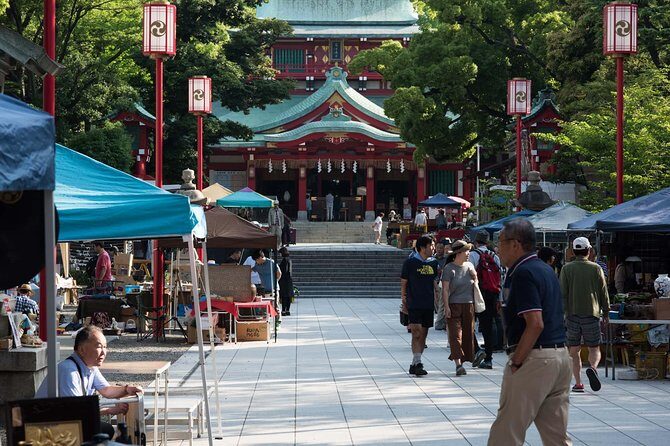
- Authentic Japanese antiques can be found at outdoor markets near Tokyo shrines.
- Your geisha guide offers insights into Japanese culture and can bargain for you.
- The tour is designed to be a short, 2-3 hour cultural shopping experience.
- Market availability may be inconsistent, so check ahead if the market is open.
- The price is around $170 for up to four people, which is reasonable for a guided experience.
- Comfortable shoes are recommended, as you’ll be walking outdoors in open markets.
Analyzing the Experience: What to Expect
You can also read our reviews of more shopping tours in Tokyo


Overview and Logistics
The tour begins at the Tomioka Hachiman Shrine in Tokyo, a popular spot for outdoor markets, and lasts roughly 2 to 3 hours. The group size remains small—up to 20 travelers—which helps keep things intimate and manageable. The fee of about $170.60 per group (up to 4 people) makes it a reasonably priced option for a unique, guided shopping experience.
The tour is mobile-ticket based, so no need to worry about printed passes. You meet your guide, Sayuki—possibly a young apprentice geisha—at the shrine at 9:00 am, ready to lead you through the streets filled with stalls of old and rare items.
The Markets and Their Charm
The core appeal lies in hunting Japanese antiques in outdoor stalls near shrines. These markets are a great way to browse traditional wares that might otherwise be hard to find in modern shops. You might stumble upon samurai swords, kimono robes, geisha pillows, or collectible trinkets that serve as memorable souvenirs.
Your guide’s role is to share insights about Japanese arts and culture, making the visit educational as well as fun. On top of that, with the guide doing the bargaining, you’re likely to get a fairer price—a real plus for budget-conscious shoppers.
The Downside: Market Availability and Consistency
One of the main issues with this tour, as highlighted by past travelers, is the irregularity of the markets. A review from September 2023 states, “The tour operator lists this activity for every week, even though the antique market is not held every week. We traveled across Tokyo to attend, and when we got to the temple, there was no market.” This highlights a common frustration: if the market isn’t open, the tour essentially becomes a walk around a shrine.
The tour provider’s non-refundable policy further complicates matters. If the market isn’t available, travelers are left without a refund or alternative arrangements. While support from Viator was praised, it’s worth noting that this inconsistency could impact your experience.
What’s worth loving? Authentic finds and cultural insights
Despite the potential for disappointment, many appreciate the authenticity of the stalls, often run by local vendors selling genuine Japanese antiques. The guide’s knowledgeable commentary enhances the experience, helping you understand the significance of what you’re seeing.
You can also read our reviews of more tours and experiences in Tokyo





Practical Tips
- Wear comfortable walking shoes, since you’ll be exploring outdoor markets.
- Confirm ahead of time if the market is scheduled to be open—a rarity, but worth checking.
- Be prepared for weather conditions—markets are outdoors, so rain or shine, the stalls will be there.
- The bargaining service can help you get a more reasonable price, especially if you’re not confident speaking Japanese.
A Closer Look at the Itinerary
The tour’s main stop is the Tomioka Hachiman Shrine, an atmospheric spot where vendors set up stalls of collectibles. The market stalls are typically outside, making it a lively, casual environment perfect for browsing and chatting with vendors.
Your guide will point out interesting items like traditional Japanese textiles, ancient ceramics, or even swords—if you’re lucky. They’ll also share stories behind the wares, giving a peek into Japan’s artisanal traditions.
The bargaining aspect is optional but encouraged. Since the guide will negotiate, you can focus on enjoying the hunt rather than haggling. This is especially helpful if language barriers seem daunting.
Authenticity and Value for Money
At nearly $170 for a small group, this tour is a cost-effective way to access local markets with insider help. However, given the inconsistency noted in reviews, the value hinges on market availability at the time of your visit.
You’re paying for the guided experience, cultural context, and the convenience of having someone do the legwork. For collectors or those genuinely interested in Japanese antiques, this can be a worthwhile investment—if the markets are open.
Traditional Antiques Market Tour Tokyo
Who Should Consider This Tour?
This experience is best suited for travelers who:
- Are interested in Japanese antiques and traditional crafts
- Enjoy guided shopping with a knowledgeable local (or geisha)
- Don’t mind outdoor walking and variable weather
- Are flexible with market availability and can adapt if the market isn’t open
- Want to combine cultural insights with a shopping trip
If you’re seeking a more predictable shopping experience or are visiting during a non-market day, you might want to consider other options or plan for a more flexible itinerary.
The Traditional Antiques Market Tour in Tokyo offers a unique window into Japan’s traditional crafts and collectibles, guided by someone with authentic cultural knowledge. The experience’s highlights—browsing outdoor stalls, learning about Japanese arts, and saving money through bargaining—make it a compelling option for those eager to dig beneath the tourist surface.
However, the irregular market schedules and non-refundable policy require travelers to approach with a bit of patience and flexibility. It’s a good fit for curious, culturally-minded shoppers who are comfortable with outdoor markets and are prepared for the element of chance regarding availability.
Overall, if you’re in Tokyo and crave a short, engaging, and culturally rich shopping adventure, this tour can be a rewarding addition to your itinerary—just check ahead about market days!
Will the market be available on my scheduled day?
It depends on the week; the tour is listed weekly, but the actual markets are not held every week. Confirm the schedule before booking.
What should I wear for this tour?
Comfortable walking shoes are recommended, as you’ll be on your feet exploring outdoor stalls.
Is there an age limit?
Most travelers can participate; service animals are allowed, so bring your pet if needed.
How long does the tour last?
It typically lasts about 2 to 3 hours, giving enough time to browse and learn without feeling rushed.
Is the price per person or per group?
It’s approximately $170.60 per group (up to four people), making it a reasonable family or small group outing.
Can I expect to buy authentic Japanese items?
Yes, the stalls sell genuine traditional wares like kimono robes, samurai swords, and geisha pillows.
What if the guide can’t bargain well in Japanese?
The guide is experienced at bargaining, but results may vary depending on the vendor.
Are there any hidden costs?
No additional fees to enter the markets; your expenses are for purchases and possibly souvenirs.
What if I want to customize or extend the experience?
Check with the provider beforehand, but this tour is designed as a focused, short visit.
Is photography allowed?
While not explicitly stated, most outdoor markets permit photography, but always ask vendors politely first.