Exploring the Japanese Traditional Omamori Making Experience
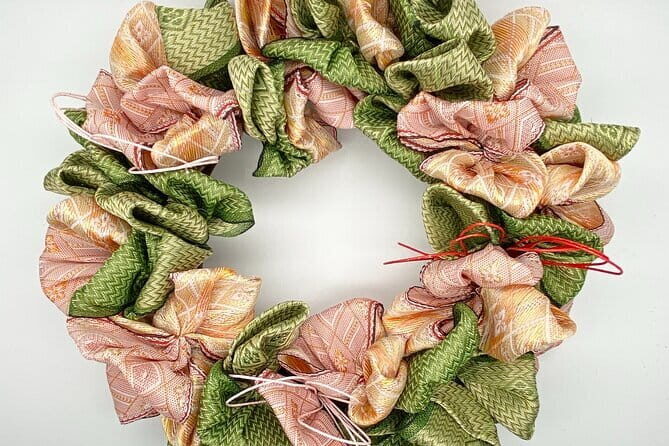
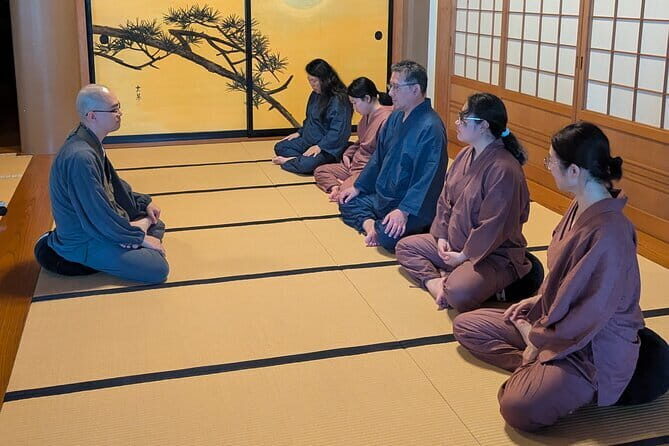
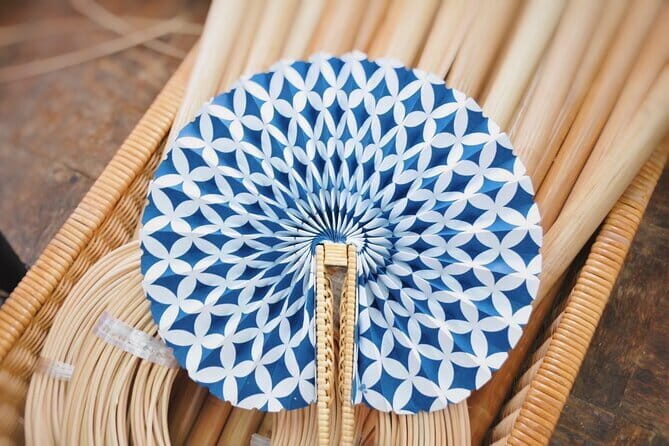
If you’re eager to add a uniquely Japanese touch to your trip, the Japanese Traditional Omamori Making Experience offers a charming peek into local customs. We haven’t tried it ourselves, but this hands-on activity at Shiomi Ryugu Shrine promises a personal connection with Japan’s spiritual craft. Think of it as a chance to create your own lucky charm—something tangible to remember Tokyo by, crafted with your own hands.
What’s particularly appealing is the opportunity to enjoy a cultural activity that’s both meaningful and memorable. We love the idea that it’s suitable for solo travelers, families, or groups—making it flexible for different travel styles. Plus, the fact that shrine staff communicate via translation device reassures us that language barriers won’t spoil the experience. However, it’s a short activity—about 45 minutes—so those looking for a full-day outing might want to pair it with other adventures.
The main consideration? The cost of additional Omamori if you want to make more than one. Still, at around $56.63, you’re paying for a personalized, cultural keepsake that’s more than just a souvenir—it’s a handcrafted piece of Japan’s spiritual tradition. This tour suits travelers interested in arts, crafts, or those seeking an offbeat cultural activity that’s both authentic and fun.
Key Points
- Authentic cultural activity centered on making a traditional Japanese omamori.
- Personalized experience with options to choose colors, stamps, and write wishes.
- Short, efficient 45-minute activity, suitable for a wide range of travelers.
- Inclusive and accessible, with translation support and near public transportation.
- Cost considerations: only one omamori included; additional ones are extra.
- Memorable keepsake that combines creativity with spiritual tradition.
You can also read our reviews of more tours and experiences in Tokyo.



What Is the Omamori Making Experience?
The Omamori making activity at Shiomi Ryugu Shrine invites you into a unique aspect of Japanese culture—creating your own amulet. These charms are believed to bring luck, protection, and good fortune, and making your own elevates the experience from touristy trinket to personal talisman.
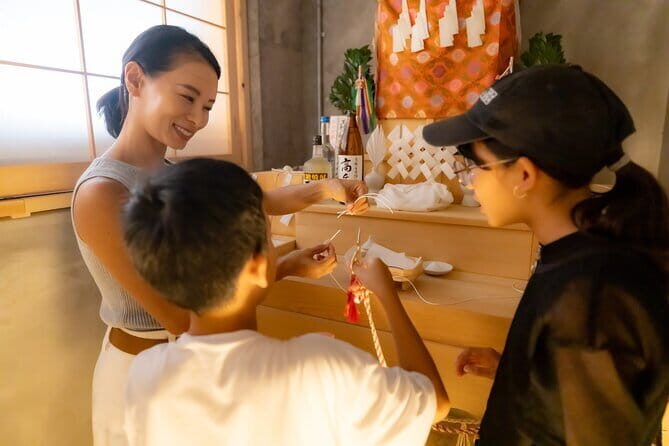
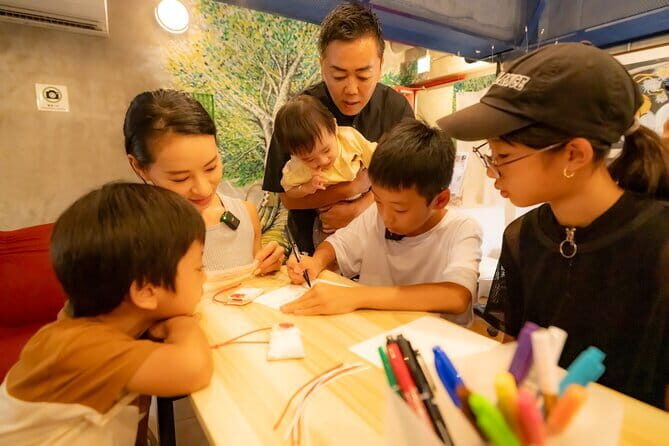
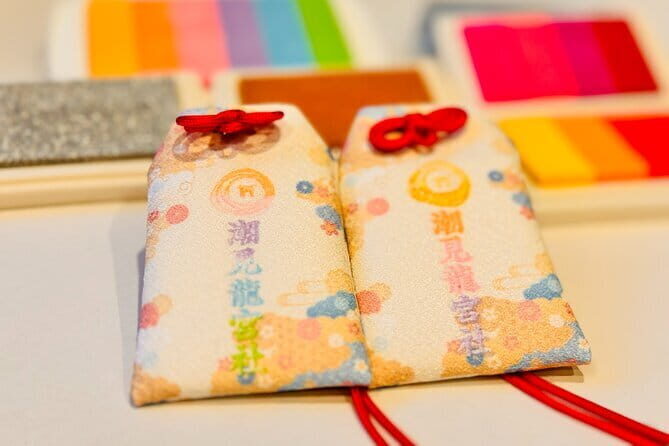
The process begins with selecting colors for your logo and shrine name, which you stamp onto the fabric. Then, you tie a red-white lucky beard to a 5-yen coin—a traditional symbol of good luck—and place it inside the charm. Next, you write your wishes or intentions on a sheet, then insert it into the Omamori. You’ll also stamp your initials or a special number to personalize it further. Finally, you can choose a string color to finish your creation, and the shrine staff will help you place the certificate of your craft at the main shrine.
Throughout the process, translation devices ensure clear communication, making this activity welcoming even for non-Japanese speakers. The entire experience is designed to be hands-on, meaningful, and fun—perfect for anyone wanting to connect more deeply with Japanese traditions.
The Itinerary: Step-by-Step
The tour’s flow is straightforward, maximizing your 45-minute window. First, you’ll meet at Shiomi Ryugu Shrine, a peaceful spot in Tokyo’s Koto ward, easily accessible via public transit. After a brief introduction, you’ll start by choosing your colors—these choices let you add a personal flair, making each Omamori unique.
Next, the tying of the red-white lucky beard to the coin is a charming ritual, symbolizing protection and good fortune. You place this inside your fabric, then move on to writing your wishes. This step is where your personal intentions come into play, turning your charm into a reflection of your hopes.
Stamping your name or initials adds a final touch of individuality—think of it as signing your own lucky talisman. Changing the string color is the last aesthetic decision, giving you control over the final look. Once completed, your crafted Omamori is sealed with a certificate, which you can take home or have placed at the shrine for spiritual blessing.
The entire process is guided and paced so that you leave with a tangible, handcrafted souvenir—something you created yourself and that embodies a piece of Japanese tradition.
The Experience: What You Can Expect
The activity’s inclusion of translation devices ensures smooth communication with shrine staff, which is reassuring for non-Japanese speakers. We imagine that the staff’s friendly demeanor, combined with the clear instructions, makes for an easy and enjoyable craft session.
Expect to spend most of your time selecting colors, tying knots, writing wishes, and stamping. The tactile nature of these steps makes for an engaging and meditative process. It’s an activity that emphasizes personalization, so no two Omamori will be exactly the same—each one becomes a tiny, portable symbol of your personal hopes.
The price of $56.63 per person seems reasonable considering you’re creating a handcrafted, authentic souvenir with cultural significance. The only extra costs are if you wish to make more than one Omamori, which is a thoughtful way to give or keep additional charms.
Travelers have enjoyed the activity for its authenticity and the chance to create something meaningful. One reviewer pointed out that the process was “fun and engaging,” adding that “it’s lovely to have a tangible reminder of the visit.” The focus on craftsmanship, along with the opportunity to craft your own charm, makes it a memorable part of your trip.
Practical Details and Tips
The activity lasts roughly 45 minutes, making it a perfect short break in your sightseeing schedule. The meeting point at Shiomi Ryugu Shrine is easily reachable via public transportation, and the shrine itself offers a tranquil setting away from Tokyo’s busy streets.
Since the activity involves some stairs to access the basement where the craft takes place, travelers with mobility issues should be aware. Service animals are allowed, and the activity is suitable for most travelers, including families.
Booking in advance—about 13 days on average—is recommended, especially during peak travel seasons. The tour is private, meaning only your group will participate, which adds a layer of intimacy and focus.
The cost includes one Omamori and its certificate, making it a good value for a culturally immersive experience. If you’re interested in creating more charms, be prepared for additional fees.





The Sum Up
The Japanese Traditional Omamori Making Experience offers a rare chance to craft a personal talisman rooted in Japanese tradition. It’s a hands-on activity that not only provides a memorable souvenir but also deepens your understanding of local customs. Perfect for those curious about Japanese spirituality, arts, or looking for an activity that combines creativity with cultural insight, this tour fits well into a broader Tokyo itinerary.
Travelers who appreciate authentic experiences, value craftsmanship, and want a meaningful keepsake will find this activity rewarding. It’s especially suited for people seeking a relaxed, engaging, and deeply personal way to connect with Japan’s spiritual culture.
While it’s a relatively short activity, the personal touch and cultural significance make it a standout option for a different kind of sightseeing—one that stays with you long after your trip is over.
Japanese Traditional Omamori Making Experience
FAQ
How long does the Omamori making experience take?
Expect around 45 minutes, which makes it a great short activity to include between sightseeing.
Is this experience suitable for children?
Yes, it’s appropriate for most travelers, including families, as it’s a hands-on craft. Check if children need assistance with small parts or writing.
Can I make multiple Omamori during this tour?
The price covers one Omamori. Additional charms can be made for extra fees.
Is the activity accessible for people with mobility issues?
There are stairs to access the basement where the activity takes place, so consider this if mobility is a concern.
Will there be language barriers?
No, shrine staff communicate via translation device, ensuring smooth understanding.
Is the activity private or group-based?
It’s a private tour, so only your group will participate, providing a more personalized experience.
What is included in the price?
The price includes your handcrafted Omamori and its certificate.
How far in advance should I book?
Booking about 13 days in advance is typical, but sooner is recommended during busy seasons.
Where is the meeting point?
The activity starts at Shiomi Ryugu Shrine, easily accessible by public transportation in Tokyo.
Whether you’re a culture seeker, craft lover, or simply looking for a meaningful souvenir, this Omamori making experience offers a wonderful way to connect with Japan’s spiritual craft in a fun, personal way.