Introducing a Japanese Tradition in a Cozy Tokyo Cafe
If you’re exploring Tokyo and looking for a taste of authentic Japanese culture without the crowds of major tourist spots, a matcha tea ceremony in Shimokitazawa might be just what you need. This experience, run by Takao Omori, offers a peaceful hour and twenty minutes to slow down, learn, and savor Japan’s centuries-old tea tradition in a charming, welcoming setting.
Two things we particularly love about this tour are its intimate size—limited to just five travelers—allowing for personalized attention and a genuine connection with the host. Plus, the setting at Cafe Stay Happy exudes the sort of cozy, unpretentious atmosphere that makes every sip of tea feel special.
One thing to consider is that some reviews mention the experience felt a tad rushed, and the matcha quality may not be outstanding for all.
Nonetheless, this tour feels well-suited for curious travelers eager to explore Japanese customs in a relaxed environment. It’s perfect for those who appreciate cultural authenticity and a slower pace away from Tokyo’s bustling streets.
Key Points
- Authentic Cultural Experience: Learn the historic tea ceremony rooted in 16th-century tradition.
- Intimate Group Size: Only five participants, ensuring personalized guidance.
- Peaceful Setting: Enjoy a cozy, welcoming cafe atmosphere that fosters reflection.
- Seasonal Appreciation: The ceremony emphasizes appreciating Japan’s changing seasons.
- Interactive & Imaginative: Guests are encouraged to visualize the tokonoma and choose decorations.
- Limited Reviews on Matcha Quality: Some find the matcha just “okay,” so don’t expect premium-grade tea, but rather the cultural ritual.
You can also read our reviews of more tours and experiences in Tokyo.



- Introducing a Japanese Tradition in a Cozy Tokyo Cafe
- Key Points
- An In-Depth Look at the Matcha Tea Ceremony Tour
- Starting in Shimokitazawa’s Cozy Cafe
- What to Expect During the Ceremony
- The Ritual and Its Meaning
- The Value of the Experience
- The Varied Guest Experience
- Group Size and Personal Touch
- Practical Details and Logistics
- Who Will Appreciate This Experience?
- The Cultural Significance of a Tea Ceremony
- The Benefit of a Cozy, Intimate Setting
- Final Thoughts: Who Should Consider This Tour?
- FAQs
- More Tour Reviews in Tokyo
An In-Depth Look at the Matcha Tea Ceremony Tour

Starting in Shimokitazawa’s Cozy Cafe
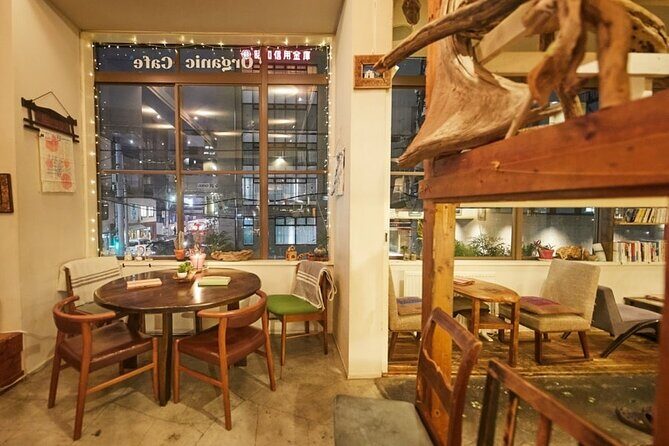
The tour kicks off at Cafe Stay Happy, a well-loved spot in the Tokyo neighborhood of Setagaya. The location is accessible by public transport, making it easy for visitors to find. The cafe’s atmosphere immediately sets a tone of warmth and intimacy—think inviting, understated decor and a quiet space perfect for slow moments. It’s a place where you might want to linger over your tea long after the ceremony ends.
What to Expect During the Ceremony
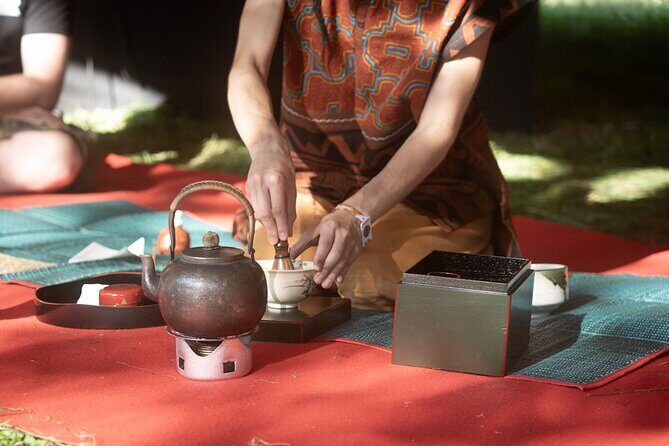
Takao Omori acts as your guide through the traditional matcha ritual that dates back hundreds of years. The ceremony is not just about drinking tea; it’s a poetic dance of gestures, symbolism, and aesthetics. The tokonoma—a decorative alcove featuring seasonal hanging scrolls—takes pride of place in the tea room. The host invites guests to imagine this space, reflecting on their own feelings and the passing seasons.
This emphasis on visualization and reflection is one of the ceremony’s most engaging elements. Guests are encouraged to think about what kind of scrolls or decorations would resonate with their current mood or season, fostering a personal connection to the ritual. It’s a gentle reminder of Japan’s aesthetic appreciation for nature and the changing seasons.
The Ritual and Its Meaning
Takao Omori’s approach to the ceremony is thoughtful and educational. He shares insights into the meticulous formalization of the tea ritual by Senno Rikyu, the 16th-century master credited with shaping what we now call chanoyu. Every movement in the ceremony carries meaning—graceful, deliberate, and full of symbolism.
The act of whisking the matcha, serving it in a specific bowl, and the handling of utensils are all part of a carefully choreographed dance. Guests get to observe and, if they wish, participate in these steps. The goal is to cultivate a mindful presence, appreciating each moment and action as a reflection of harmony.



The Value of the Experience
While the price of $116.35 per person might seem high at first glance, it includes more than just the tea. You’re paying for an hour and twenty minutes of culture, expert guidance, and a peaceful, contemplative environment. You’ll leave with a deeper appreciation for Japan’s aesthetic values and perhaps a renewed sense of calm.
The Varied Guest Experience
Reviews indicate that some visitors found the flavor of the matcha “just okay,” and the experience “felt a bit rushed.” These are worth considering. Because the focus is on the ritual and reflection rather than the tea’s flavor profile, don’t expect a premium tea tasting. Instead, think of it as a cultural meditation—more about the meaning than the taste.
Group Size and Personal Touch
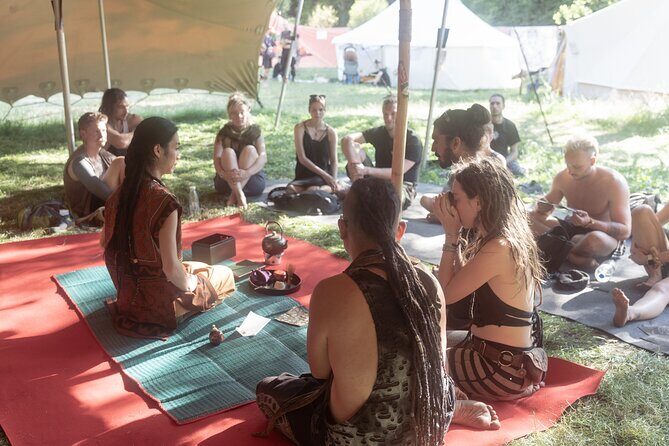
With only five travelers, this tour offers a rare chance for close interaction with Takao Omori. Guests have ample opportunity to ask questions, share their impressions, and participate in the ceremony. This small-group setting enhances the intimacy and allows each person to feel more engaged.
Practical Details and Logistics
The tour begins at the specified meeting point in Setagaya, near public transit, making it convenient for most travelers. The session lasts around 80 minutes, with the end returning to the original meeting spot. Confirmation is received within 48 hours of booking, and the tour is flexible with a full refund policy if canceled more than 24 hours in advance.
Who Will Appreciate This Experience?
This tour suits travelers who:
- Are genuinely interested in Japanese cultural traditions
- Appreciate small-group, personalized experiences
- Value mindfulness, reflection, and aesthetic beauty
- Are not overly concerned about the matcha’s flavor quality but more about the ritual and ambiance
- Want to enjoy a peaceful break from busy city sightseeing
The Cultural Significance of a Tea Ceremony
Understanding the backdrop of this ritual adds depth to the experience. The Japanese tea ceremony, or chanoyu, was formalized by Senno Rikyu in the 16th century as a spiritual practice emphasizing harmony, respect, purity, and tranquility. It was designed as an art form that elevates everyday act—drinking tea—into a moment of profound connection with oneself, others, and nature.
Today, participating in a ceremony like this offers more than just a taste of matcha; it’s an invitation to slow down, reflect, and appreciate the fleeting beauty of each season. It’s a soulful gesture at a time when many of us are seeking ways to find calm amid chaos.
The Benefit of a Cozy, Intimate Setting
Unlike large, commercialized tea experiences, this tour’s charm lies in its intimate setting. The cozy cafe environment ensures that guests don’t feel lost in a crowd. Instead, they enjoy personal interactions, detailed explanations, and the sensation of being part of a meaningful tradition.
While some may find the matcha “not exceptional” in terms of flavor, the environment and guidance help make the entire experience worthwhile. It’s about engaging all your senses—visualizing the tokonoma, feeling the warmth of the tea bowl, and savoring the quiet moment.
Final Thoughts: Who Should Consider This Tour?
This matcha tea ceremony in Shimokitazawa offers a genuine window into Japan’s cultural soul. It’s ideal for travelers who want more than just sightseeing—they seek an authentic, contemplative experience that deepens their understanding of Japanese aesthetics and philosophy. If you enjoy small, guided encounters that foster reflection and cultural appreciation, you’ll find this tour rewarding.
However, those looking for a high-end tea tasting with top-tier matcha or a lively, noisy social event may find this experience too subdued. It’s best suited for curious minds, culture lovers, and anyone in need of a peaceful pause in their Tokyo adventure.
Matcha Tea Ceremony in a Cosy Cafe in Shimokitazawa, Tokyo
FAQs
Is the tour suitable for all ages?
Yes, as long as participants are able to sit quietly and engage with the ritual. The experience is peaceful and contemplative, making it appropriate for most ages.
How long does the tour last?
About 1 hour and 20 minutes, providing enough time to learn, observe, and participate without feeling rushed.
What is included in the price?
The fee covers the guided matcha ceremony, the use of traditional tools, and the welcoming environment at Cafe Stay Happy.
Is the matcha high quality?
Some reviews suggest the matcha is “just okay” and not exceptional, but the focus is on the ceremony rather than the tea’s flavor.
Can I participate actively in the ceremony?
Yes, guests are encouraged to participate in the steps if they wish, guided by Takao Omori.
Is the experience accessible by public transportation?
Yes, the meeting point is near public transit in Tokyo, making it convenient for most travelers.
What should I wear?
Comfortable, casual clothing is fine. The atmosphere is relaxed, but it’s nice to dress neatly out of respect for the tradition.
To sum it up, this matcha tea ceremony in Shimokitazawa offers a gentle, authentic glimpse into Japanese cultural practices in a welcoming, cozy setting. It’s a meaningful activity for those who value quiet reflection, tradition, and a slower pace of travel. While the flavor of the matcha might not blow you away, the experience’s serenity and cultural richness will leave a lasting impression—especially if you’re eager to connect with Japan’s aesthetic sensibilities beyond the busy city streets.