This tour offers a rare glimpse into Tokyo’s local customs during Setsubun, Japan’s traditional spring festival. Unlike the usual tourist circuits, it combines authentic rituals, delicious street snacks, and a nostalgic tram ride through a lively neighborhood. If you’re keen to see a different side of Tokyo—away from crowded landmarks and into the heart of a community celebration—this experience could be just the ticket.
What we especially like about this tour is its balance of culture and tangible fun—from participating in a sacred ritual at Kogan-ji Temple to sampling Japanese sweets in a vintage café. Plus, the inclusion of Tokyo’s only remaining tram makes it a distinctive way to see the city’s retro charm. The main consideration? It’s a relatively short, 3-hour experience, which might leave some craving more time to explore Sugamo in depth.
This tour will appeal most to travelers interested in authentic Japanese traditions, local neighborhood vibes, and unique transportation experiences. Families, curious cultural explorers, or even seasoned Japan travelers looking for a different perspective on Tokyo’s festivities should find it engaging and worthwhile.
Key Points
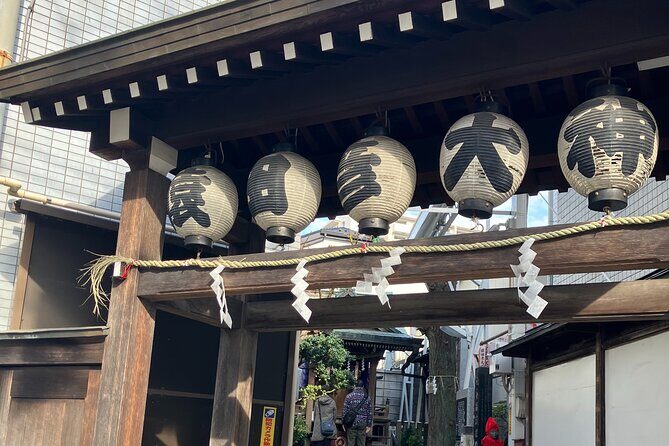
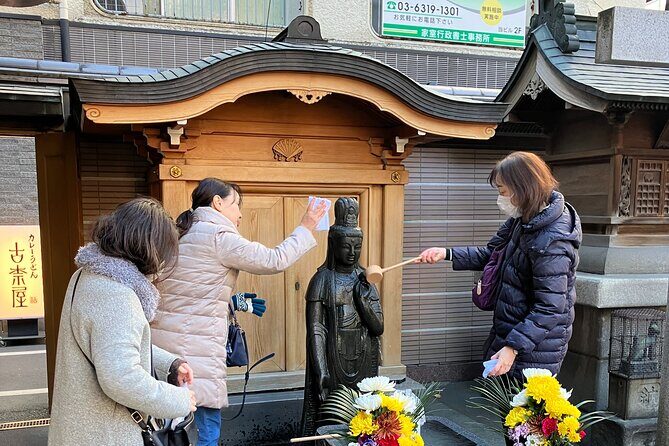
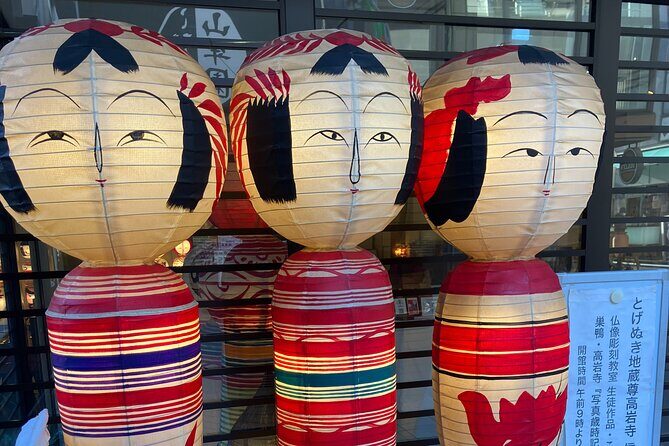
- Authentic Setsubun Ritual: Join locals at Kogan-ji Temple for a serious yet festive bean-throwing ceremony.
- Vintage Tram Ride: Experience Tokyo’s last remaining tram—an enjoyable way to see the retro townscape.
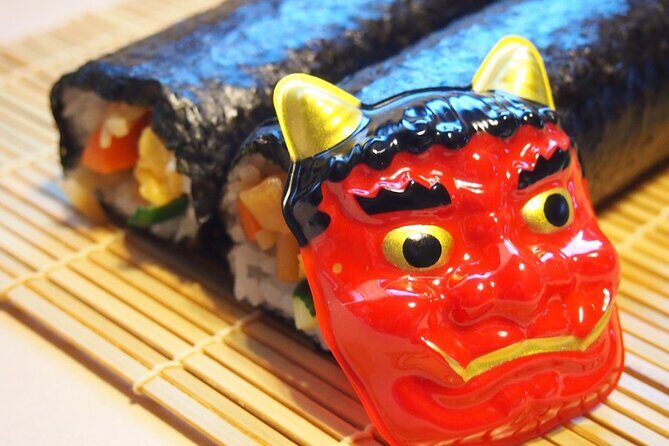
- Local Delights: Taste Ehomaki, Dorayaki, and dried soybeans, aligning with local customs.
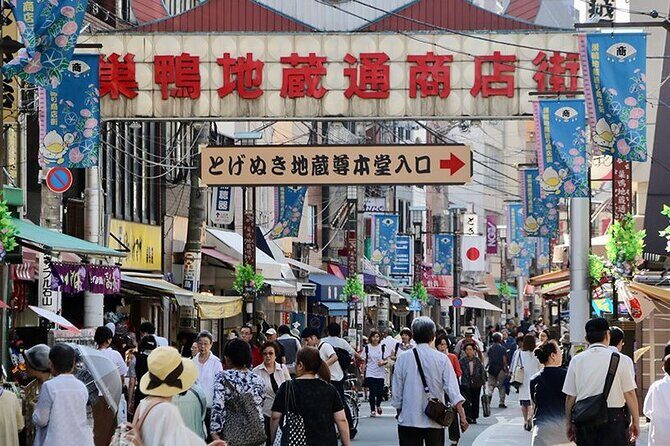
- Community Focus: Explore Sugamo’s lively shopping street filled with traditional shops and local crowd.
- Cultural Insight: Learn about the significance of Kannon and the temple’s role in bringing health and luck.
- Value for Money: At around $52, you get a mix of cultural, culinary, and transportation experiences in just three hours.
Why This Tour Could Be a Great Choice
We loved how this tour combines authentic local customs with fun sightseeing elements. Unlike typical guided tours that might focus solely on well-known landmarks, this experience digs into a neighborhood’s lively traditions. The Setsubun ritual at Kogan-ji Temple is a highlight—it’s both a cultural lesson and a chance to participate in Japan’s spring cleansing ritual. Watching the crowd’s participation in the bean-throwing ceremony offers a glimpse into how meaningful and community-oriented this celebration is.
The tram ride adds a layer of vintage charm, connecting you to the city’s transportation history while navigating through Sugamo’s nostalgic streets. It’s a rare chance to ride Tokyo’s only remaining tram, making the journey itself memorable. Plus, the short stop at a cozy coffee shop for Japanese sweets offers a calming counterpoint to the lively festival.
The included snacks—such as Ehomaki, a thick sushi roll eaten facing a specific direction for luck—are a delightful way to connect with Japanese customs. We appreciate that the Masu sake cup made of Japanese Cypress adds a tactile element to the experience, enhancing your understanding of traditional Japanese craftsmanship.
However, since the experience lasts just about three hours, it’s best suited for those with limited time who want a compact yet meaningful cultural snapshot. For travelers seeking an in-depth exploration of Tokyo neighborhoods or more extensive temple visits, this might feel a bit brief.
You can also read our reviews of more tours and experiences in Tokyo.



The Itinerary in Detail
Meet at Tsuka Station in the late afternoon, around 3:00 pm, when the neighborhood begins to buzz with activity. From there, the tour kicks off with a walk through the lively shopping street of Jizo-dori in Sugamo. This street is famously popular with locals of all ages, known for its traditional shops and casual atmosphere. It’s a lively, authentic part of Tokyo often overlooked by travelers, making it a perfect starting point for those eager to see everyday Japanese life.
The first highlight is a ride on Tokyo’s only remaining tram. It’s a short, five-minute journey that whisks you through the retro townscape, allowing you to see Sugamo from a nostalgic vantage point. The tram’s vintage feel offers a glimpse into Tokyo’s past—a charming contrast to the modern skyscrapers elsewhere.
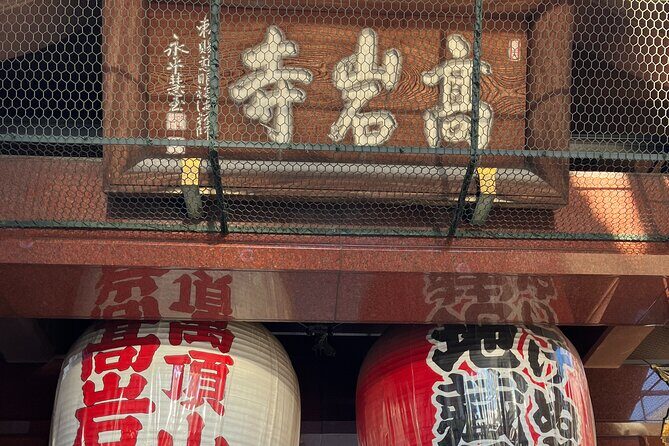
Following the ride, you’ll visit Kogan-ji Temple, renowned for its statue of Kannon, the Goddess of Mercy. This temple plays a vital role during Setsubun, hosting a solemn yet festive bean-throwing event. You’ll witness locals and visitors alike participating in the ritual—throwing roasted soybeans to ward off evil spirits and invite good health. The Setsubun event at Kogan-ji is especially meaningful because it’s steeped in tradition and community spirit, making it a worthwhile cultural experience.
Participation is encouraged—most participants face the direction of the year’s lucky direction and eat all the Ehomaki rolls in silence, facing the altar for blessings. This act, rooted in superstition, is believed to bring good fortune for the year ahead. The no-speaking rule during the Ehomaki eating is a fun tradition that adds a sense of mystique and focus.
After the ritual, the group moves to a cozy, retro coffee shop where you can enjoy a Japanese sweet treat—most likely Dorayaki, a pancake filled with sweet red bean paste—along with some dried soybeans and a cup of sake in your Masu cup. The setting complements the local vibe, offering a relaxed space to reflect on the festival and take photos.
Transportation and Group Size
The trams and walking are straightforward, but the key transportation element—the tram—is what makes this tour stand out. The tram ride is brief but packed with nostalgic charm, giving you a real sense of Tokyo’s vintage transit history. The group, with a maximum of 30 travelers, maintains an intimate atmosphere, allowing for easier interactions and questions. Meeting at Tsuka Station ensures you’re close to public transit, making it easy to access from elsewhere in Tokyo.
The Cost and Overall Value
At roughly $52, this tour offers a rich mix of culture, history, and local flavor. The inclusion of a traditional sake cup, snacks, and the tram ride amplifies the value—you’re not just paying for a walk or a lecture but for an immersive experience. Considering the short duration, it’s a cost-effective way to get a taste of real Tokyo life during a festive time.
Final Thoughts: Who Should Book This?
This experience is perfect for travelers wanting an authentic slice of Japanese culture outside the crowds. It suits those curious about local rituals and urban traditions, especially if you’re interested in festivals and community celebrations. Families, solo travelers, or even seasoned Japan visitors looking for a lighter, meaningful outing will find this tour rewarding.
If you enjoy delicious snacks, historical transportation, and participating in local customs, this tour ticks all those boxes. It’s a compact, well-balanced glimpse into how Tokyo locals celebrate Setsubun with reverence and joy.



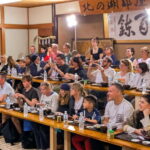
Feb3! Tokyo Setsubun soybean scattering Ehomaki hand roll sushi
FAQ
Is this tour suitable for children?
Yes, children often enjoy participating in the bean-throwing ritual and trying the local sweets. The tour’s short duration also makes it manageable for younger travelers.
Are the snacks included in the price?
Yes, the tour includes Dried soybeans, Dorayaki, and a Masu sake cup. Additional snacks or drinks are not specified but could be purchased separately.
How accessible is the tour for mobility-impaired travelers?
Since the tour involves walking and a tram ride, it’s best suited for those with good mobility. The tram itself is a short ride, but check with the provider for specific accessibility concerns.
What should I wear?
Comfortable walking shoes are recommended since you’ll be exploring shopping streets and participating in a temple ritual. Dress appropriately for the weather, especially if rain or cold is forecast.
Can I join if I don’t speak Japanese?
Absolutely. The tour is primarily about experiencing local customs and participating in rituals, which are quite visual and participatory. Guides may speak English, but the focus is on observation and participation.
What is the best time to join this tour?
Since it’s a Setsubun event, February 3rd is fixed. The late afternoon timing provides good light for photos and allows participation in evening festivities.
This tour offers a genuine insight into Tokyo’s local traditions, combining cultural rituals, tasty treats, and a nostalgic transportation ride—all in just a few hours. Whether you’re a seasoned traveler eager for something different or a first-timer wanting to see how everyday Japanese life feels during a festival, it’s a memorable way to connect with the heart of Tokyo.