If you’re looking to understand Tokyo beyond cherry blossoms and sushi, a walk through the Kabutocho financial district offers a fascinating glimpse into Japan’s economic pulse. This guided tour promises to take you inside some of the city’s most iconic financial institutions, revealing how Tokyo has evolved from a historic trading hub to a global financial powerhouse.
While it’s only three hours long, the experience is packed with sights and stories that make the price of $65 per person well worth it — especially if you’re curious about Japan’s financial scene or enjoy urban exploration.
What really makes this tour stand out are the inside visits to a working stock exchange and the central bank, plus thoughtful stops like a shrine dedicated to financiers. We love the way it balances historic sites with modern finance, giving travelers a true sense of Tokyo’s economic character. That said, it’s primarily a walking tour, so expect some steady footwork and a few narrow streets.
It’s best suited for those with a keen interest in finance, history buffs, or anyone wanting a different perspective on Tokyo’s bustling cityscape.
- Key Points
- A Closer Look at the Itinerary
- Stop 1: Kabuto One and the Iconic Kabuto-cho Display
- Stop 2: Inside the Tokyo Stock Exchange
- Stop 3: Kabuto Shrine
- Stop 4: Bank of Japan Head Office
- Stop 5: Currency Museum at the Bank of Japan
- End Point: Tokiwa Bridge Park
- What Travelers Say and Why It Matters
- Practical Details and Logistics
- Who Will Love This Tour?
- More Walking Tours in Tokyo
- More Tours in Tokyo
- More Tour Reviews in Tokyo
Key Points
 1 / 5
 2 / 5
 3 / 5
 4 / 5
 5 / 5
- Authentic access to Tokyo Stock Exchange and central banking facilities provides a rare peek behind the scenes.
- The combination of historic and modern sites offers a well-rounded view of Japan’s financial evolution.
- The tour’s focus on financial landmarks and symbolism, like the shrine and the statue of Eiichi Shibusawa, deepens understanding.
- It’s a short, efficient tour that packs in a variety of sights and stories within just three hours.
- The cost is reasonable for the level of access and insight, especially given the free entry to most sites.
- Participants receive bottled water, making the walk more comfortable, but you’ll need to handle your own lunch or transportation.
A Closer Look at the Itinerary
You can also read our reviews of more walking tours in Tokyo


Stop 1: Kabuto One and the Iconic Kabuto-cho Display
The tour begins at Kabuto One, where a large display of the area’s signboard offers a great photo opportunity. This initial stop sets the tone, giving travelers a visual anchor for the district’s identity. The large, striking signboard of Kabuto-cho makes for a good photo and a quick introduction to Tokyo’s financial center.
Time to spend: about 15 minutes, free entry. This short stop isn’t just for selfies; it’s a way to orient yourself with the district’s lively atmosphere.
Stop 2: Inside the Tokyo Stock Exchange
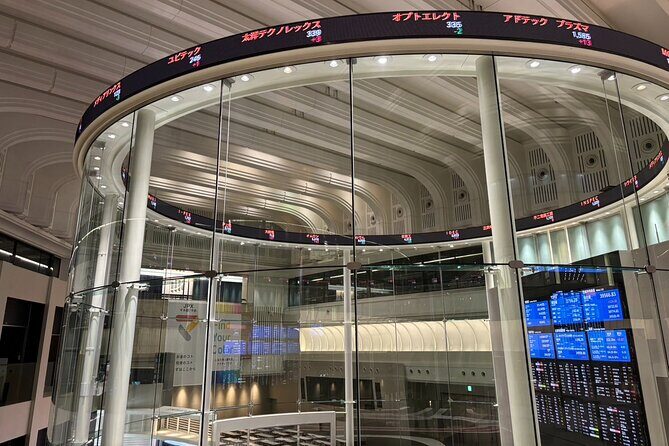
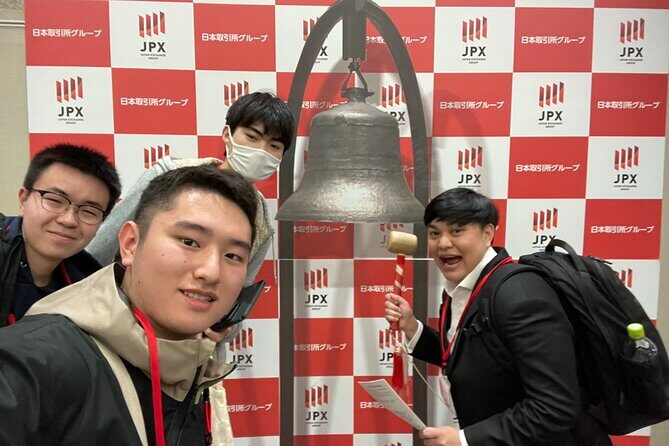
This is the highlight for many. You’ll step inside Japan’s largest stock exchange, where the atmosphere is both bustling and historic. You get to visit an active trading floor and see the platform where real financial decisions happen. It’s rare to get such direct access to a working exchange, making this a genuinely special feature.
The guide will explain the history of Japan’s financial markets, helping you connect old and new. You’ll learn how Japan’s economy grew from post-war recovery to a global player. One reviewer notes, “We loved the inside look at Tokyo Stock Exchange, it’s just not something you get every day.”
Time to spend: roughly 40 minutes, free entry. Be prepared for a lot of walking and standing — comfortable shoes are advised.
Stop 3: Kabuto Shrine
A short walk brings you to Kabuto Shrine, dedicated to the protector deity of securities. The shrine’s reputation as a “power spot” for financiers makes it a meaningful stop. It’s a peaceful escape amid the busy district, and you’ll see symbols of financial success and good fortune.
Visitors often comment on the serene atmosphere and the interesting blend of spirituality and commerce. It’s a meaningful pause that adds depth to your understanding of Japan’s approach to wealth and luck. Expect about 10 minutes here, free entry.
Stop 4: Bank of Japan Head Office
Next, you’ll tour around the Bank of Japan’s impressive headquarters. As the central bank responsible for the nation’s monetary policy, it’s a symbol of stability and influence. While the tour isn’t a deep dive into monetary policy, seeing this monumental building emphasizes Japan’s financial resilience.
The guide will give a brief overview of Japan’s monetary system, making this a visual and contextual highlight. Expect about 15 minutes here, free to walk around and observe.




Stop 5: Currency Museum at the Bank of Japan
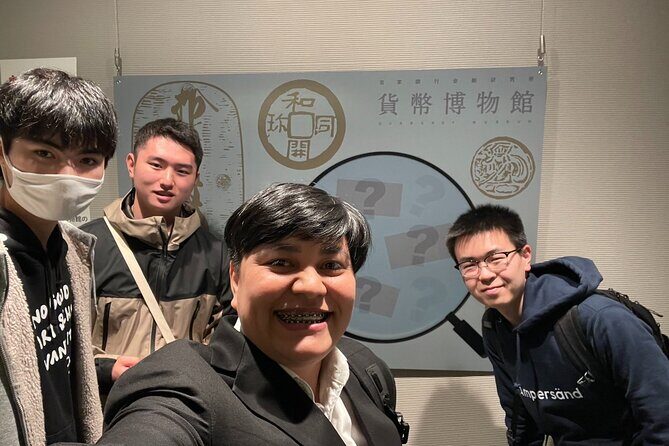
Finally, you’ll visit the Currency Museum, which is a treasure trove for currency enthusiasts. It displays a broad collection of coins and notes, from the Samurai era to modern currency. It’s a fascinating look at how Japan’s money has evolved, with some intriguing displays of ancient and modern currencies.
This visit provides visual context for the economic stories told earlier — a tangible link to Japan’s trading history. Expect about 30 minutes exploring the exhibits, free entry.
End Point: Tokiwa Bridge Park
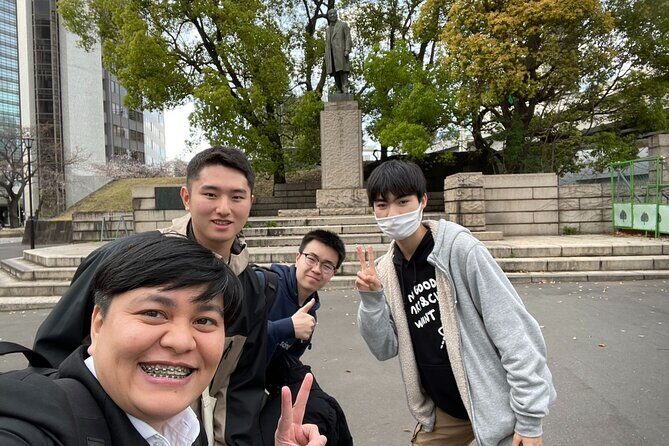
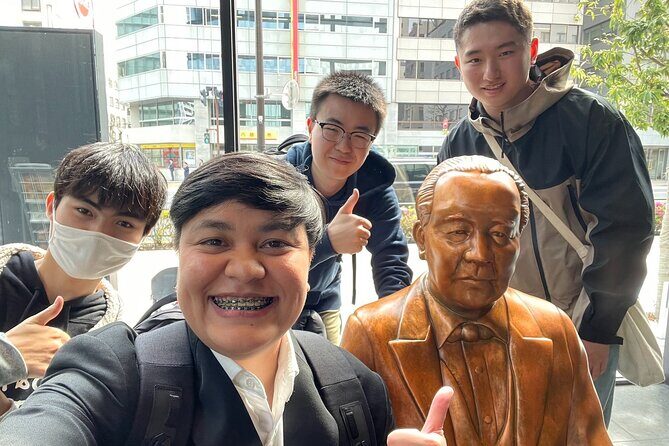
The tour concludes at Tokiwa Bridge Park, home to the statue of Eiichi Shibusawa, often called the father of Japanese capitalism. The park’s location near major stations like Otemachi and Mitsukoshimae makes it easy to continue your explorations or head to a meal. It’s a fitting spot to reflect on what you’ve seen and learned about Tokyo’s finance.
What Travelers Say and Why It Matters
While there are no formal reviews yet, the detailed itinerary and the inclusion of actual financial institutions suggest a high-value experience. The free cancellation policy offers peace of mind, and the fact that most sites are free to enter makes the overall cost quite reasonable.
One of the key strengths mentioned in similar experiences is the inside access — walking through a working stock exchange and seeing the bank’s building are opportunities few travelers get elsewhere. Plus, the stops at culturally significant sites like the shrine and the park add a layer of authenticity and local flavor.
Practical Details and Logistics
This is a private tour, meaning only your group will participate. That allows for a personalized experience, with the guide able to tailor conversations and insights. The tour is accessible via public transportation, starting at Kayabach Station, which is near the Nihonbashi area — a vibrant part of Tokyo.
At $65, it’s a cost-effective way to explore a specialized aspect of Tokyo. The tour’s duration of about three hours makes it perfect for a morning or early afternoon activity, freeing up the rest of your day for sightseeing, shopping, or dining.
The inclusion of bottled water is thoughtful, but travelers should plan their own lunch outside the tour, as no food is provided.
Tokyo Stock Exchange & Kabutocho Financial District Walking Tour
Who Will Love This Tour?
This experience is ideal for anyone interested in finance, history, or urban exploration. It’s especially suited for those who want a meaningful, behind-the-scenes look at Tokyo’s financial institutions without long hours or complicated logistics. It’s also perfect for travelers who appreciate cultural sites like shrines and parks and enjoy learning through visual and physical experiences.
If you’re not particularly interested in finance or prefer more leisurely sightseeing, this might feel a bit niche. But for curious minds, it offers a unique peek into Japan’s economic backbone.
The Tokyo Stock Exchange & Kabutocho Financial District Walking Tour offers a rare opportunity to step inside Japan’s financial institutions and explore the district’s historic and modern landmarks. It balances educational content with authentic sights, making it a worthwhile addition for travelers keen to understand Tokyo’s economic soul.
You’ll appreciate the inside access to the stock exchange, the cultural stops at the shrine and park, and the insights into Japan’s monetary history at the currency museum. While it’s a short tour, it’s packed with memorable moments that illuminate Tokyo’s financial world in a tangible way.
This tour is best suited for those with a genuine interest in finance or history, or travelers who simply want to see Tokyo’s cityscape from a different perspective. If you’re looking for a thoughtful, well-structured experience that goes beyond typical sightseeing, this tour could be a real highlight of your trip.
Is this tour suitable for children or families?
Most travelers can participate, and the tour is suitable for those interested in finance or history. Children with curiosity about Tokyo’s financial district will enjoy the sights, but keep in mind the walking and standing involved.
How long does the tour last?
The tour lasts about 3 hours, making it a manageable activity for most travelers without taking up a full day.
Do I need to prepare anything in advance?
You just need to book in advance (most trips are booked 17 days ahead), and wear comfortable shoes for walking.
Are there any age restrictions?
The tour is open to most travelers; most are suitable, but it’s best for those comfortable with walking and standing for periods.
What is included in the price?
The tour fee includes the guided walk, visits to multiple sites, and bottled water. Most sites are free to enter.
Are there any lunch options during the tour?
Lunch is not included, so plan to eat before or after the tour at your own convenience.
Can I cancel the tour if my plans change?
Yes, you can cancel up to 24 hours in advance for a full refund, making it a flexible option if your plans are uncertain.
Is transportation provided?
No, private transportation isn’t included — this is a walking tour, with convenient meeting points accessible by public transit.
How do I find the meeting point?
You meet at Kayabach Station, near Nihonbashi, which is well-connected and easy to access.
This tour offers a captivating and practical peek into Tokyo’s financial heartbeat, perfect for those who love learning about a city’s core industries while appreciating its cultural nuances. Whether you’re a finance enthusiast or simply curious about Japan’s economic strength, it’s a walk worth taking.