
The saffron seller held out a tiny spoon. “Smell,” he said. I leaned in and the scent hit me like a warm blanket — earthy, floral, and completely unlike the powdered stuff I buy at home for $15 a jar.
“One gram,” he said, scooping crimson threads into a paper envelope. “Three dollars.” I bought four grams. My wife bought eight. We regret nothing.
Old Dubai is what the city was before the skyscrapers. Creek-side trading posts, gold souks, spice markets, and narrow lanes where vendors still pour tea before talking price. It’s the best-kept secret in a city that doesn’t do secrets well.
In a Hurry? Our Top Picks
The complete Old Dubai experience. Museums, souks, creek crossing, and street food tastings.
The budget champion. Full walking tour with tastings for less than the price of a coffee in the Marina.
The highest-rated walking tour. Perfect five-star rating from nearly 4,000 reviews.
- What You’ll See in Old Dubai
- The Gold Souk
- The Spice Souk
- The Perfume Souk
- Dubai Creek and the Abra Crossing
- Al Fahidi Historical District
- Our Top Recommended Walking Tours
- 1. Old Town, Creek, Museums, Souks & Street Food Tour —
- 2. Old Town, Souks, Street Food & Abra Ride —
- 3. Aladdin Tour: Souks, Creek, Old Dubai & Tastings —
- What to Buy in the Souks
- Practical Tips for Your Walking Tour
- Best Time to Visit Old Dubai
- Getting to Old Dubai
- What Else to Do in Dubai
What You’ll See in Old Dubai
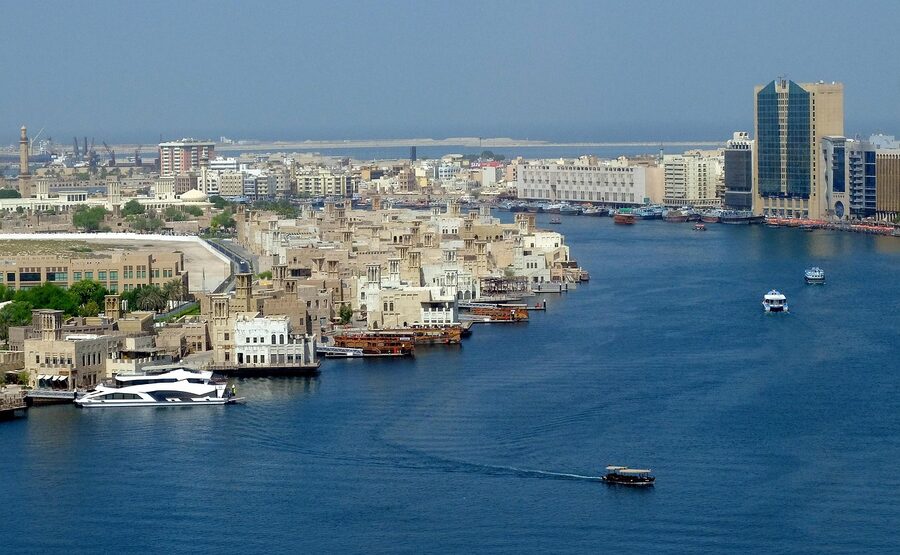
A good walking tour covers the Creek district — Deira on one side, Bur Dubai on the other — connected by traditional abra water taxis. Here’s what each area offers.
The Gold Souk
The Gold Souk in Deira is one of the largest gold markets in the world. Hundreds of shops line covered lanes, each window a wall of gold — necklaces, bracelets, earrings, and pieces so elaborate they look like sculptures.
Prices are based on the daily gold rate plus a making charge. Bargaining is expected and encouraged — the first price is never the final price. Even if you’re not buying, walking through is a sensory experience you won’t find anywhere else.
The Spice Souk
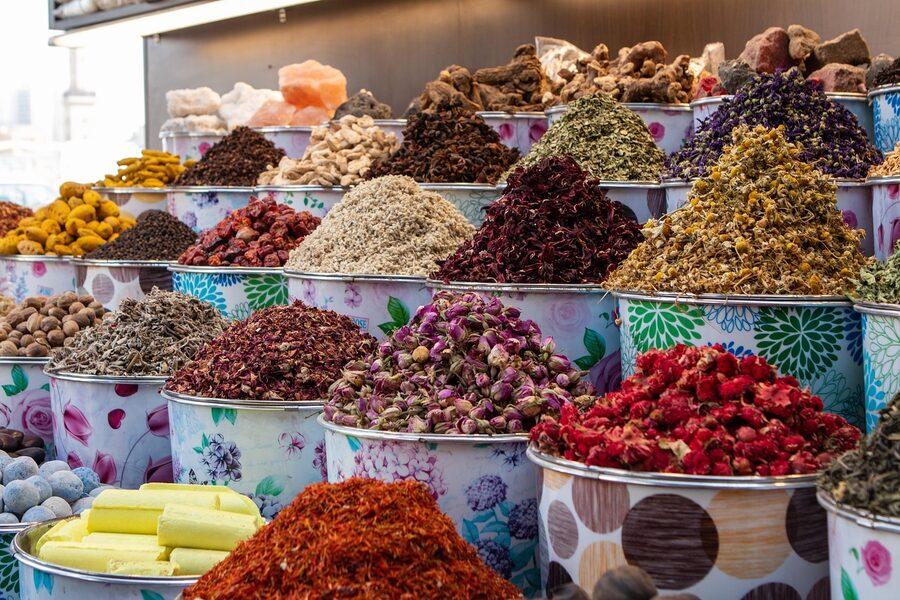
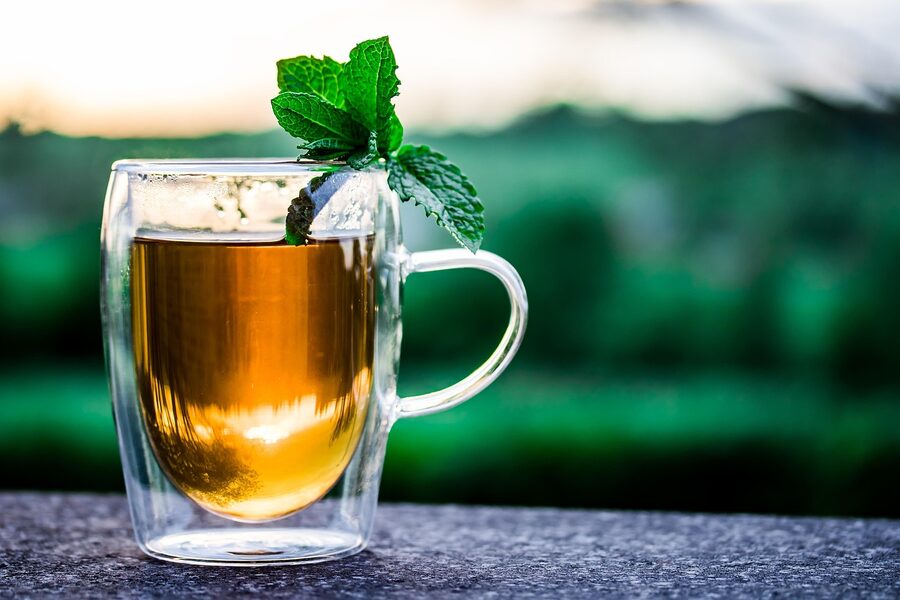
Two minutes from the Gold Souk, the Spice Souk hits you before you see it. Saffron, dried roses, cardamom, frankincense, and spice blends piled in open sacks along narrow lanes.
The vendors are friendly and knowledgeable. They’ll explain what each spice does, how to use it, and package everything customs-friendly for your flight home. The frankincense and oud are the star buys — genuine, aromatic, and a fraction of the price you’d pay in a mall.
The Perfume Souk
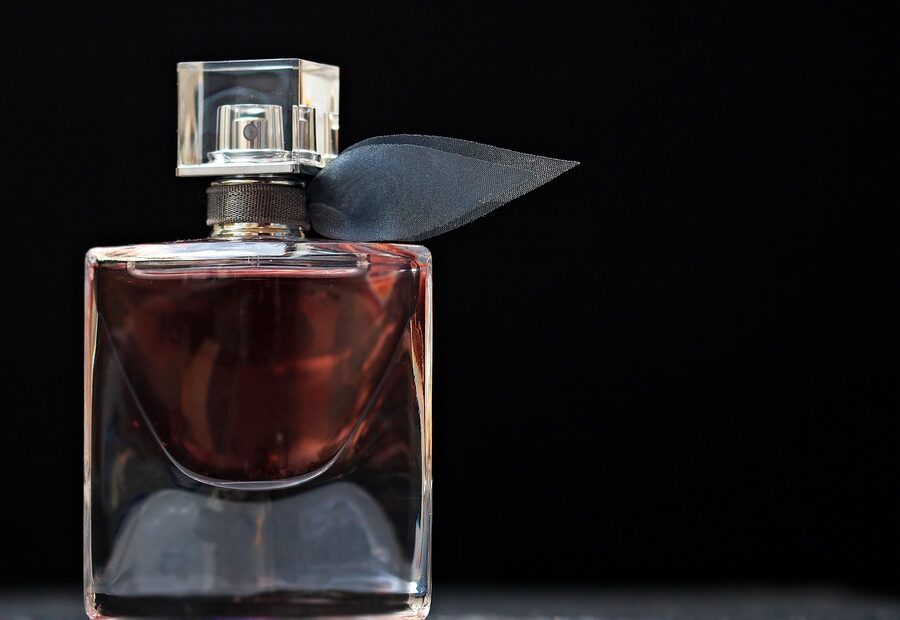
Tucked between the Gold and Spice souks, the Perfume Souk sells Arabic fragrances — oud, rose, musk, amber — in ornate bottles. The scents are intense and unfamiliar to most Western noses.
Dubai Creek and the Abra Crossing
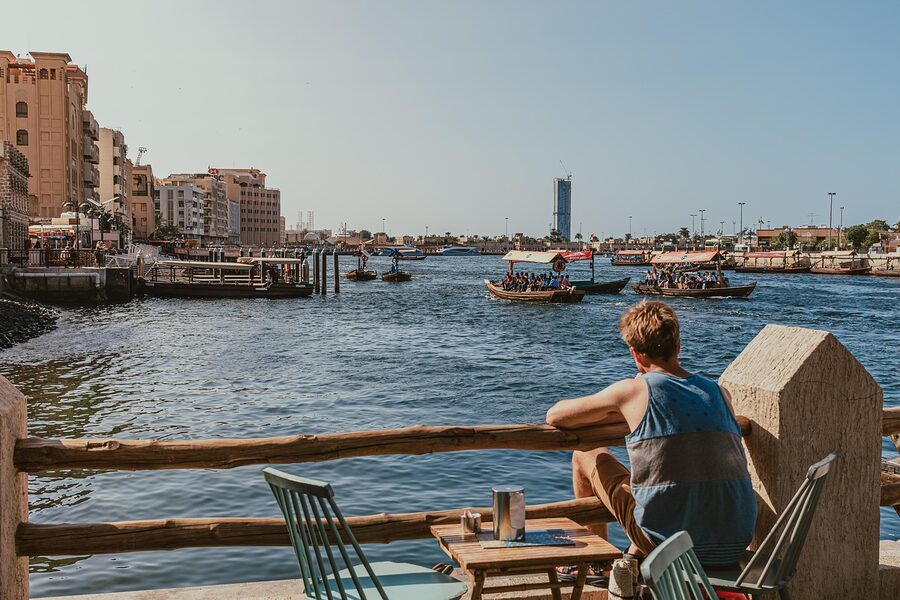
The Creek divides Old Dubai in half. The traditional way to cross is by abra — a small wooden water taxi that carries 20 passengers for about 25 cents. The ride takes 3 minutes and it’s the most authentic Dubai experience you can have for under a dollar.
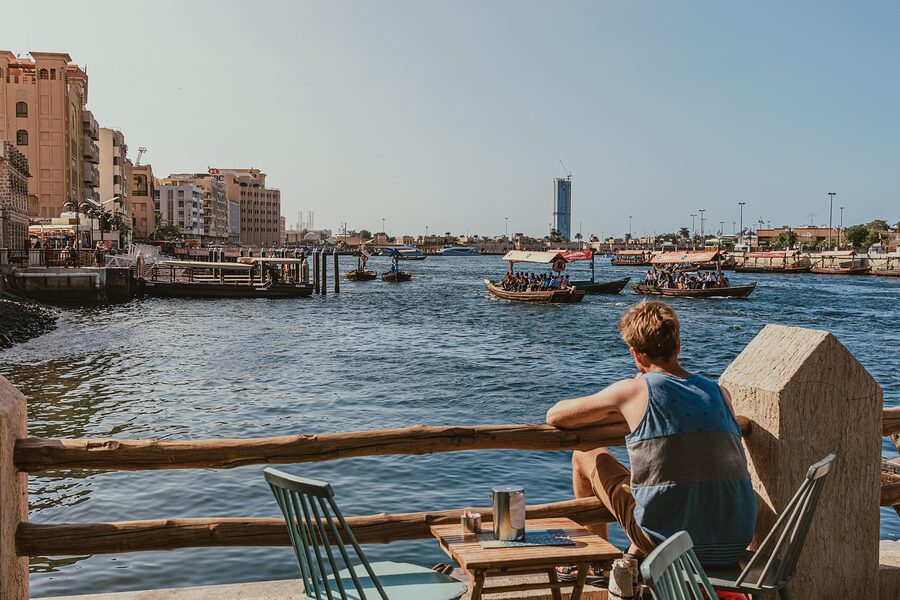
The abra stations are at Bur Dubai and Deira, directly connecting the two souk areas. Most walking tours include the crossing as part of the route — it’s a highlight, not just transport.
Al Fahidi Historical District
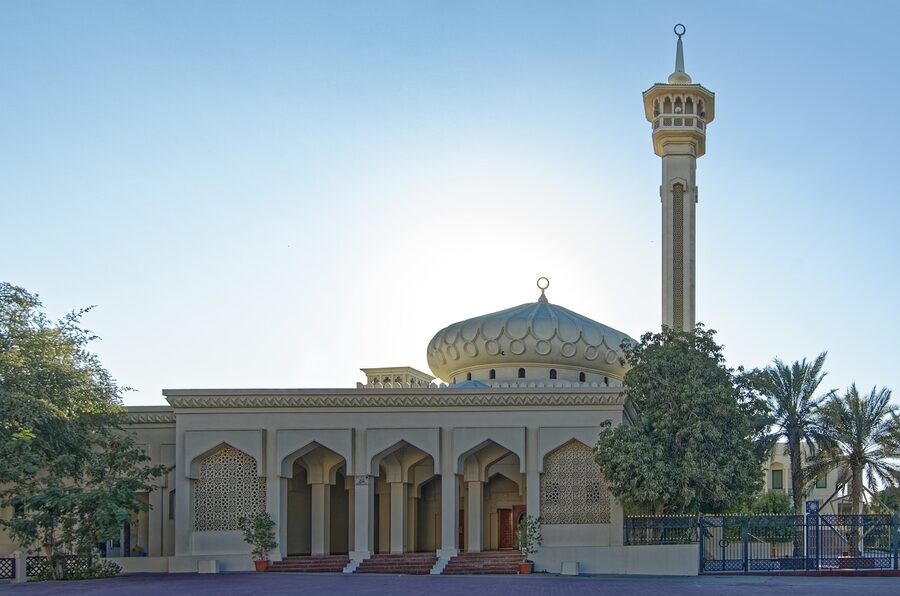
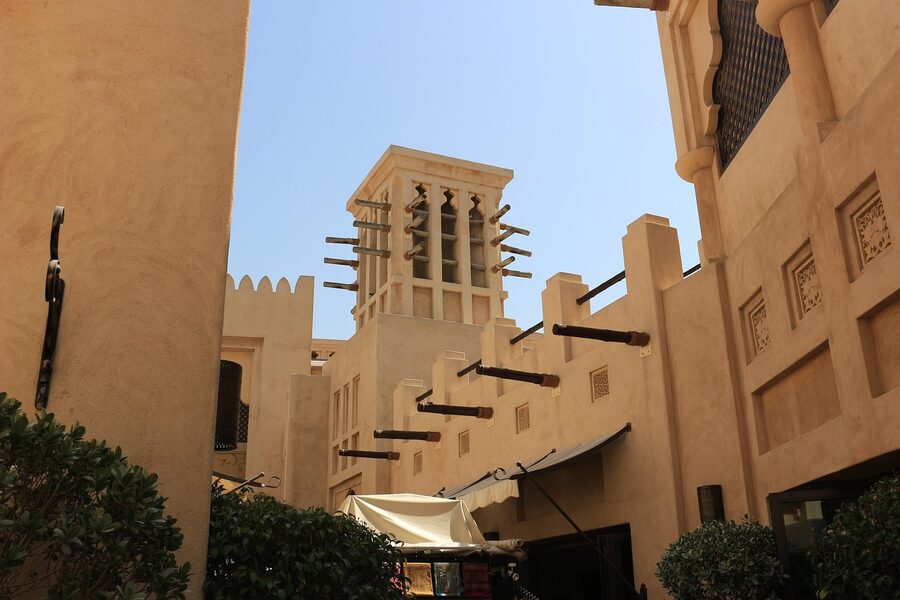
The oldest neighborhood in Dubai. Narrow lanes between coral-and-gypsum buildings with traditional wind towers — the original air conditioning of the Gulf. Art galleries, small museums, and cafés occupy the restored houses.
Our Top Recommended Walking Tours
1. Old Town, Creek, Museums, Souks & Street Food Tour — $18
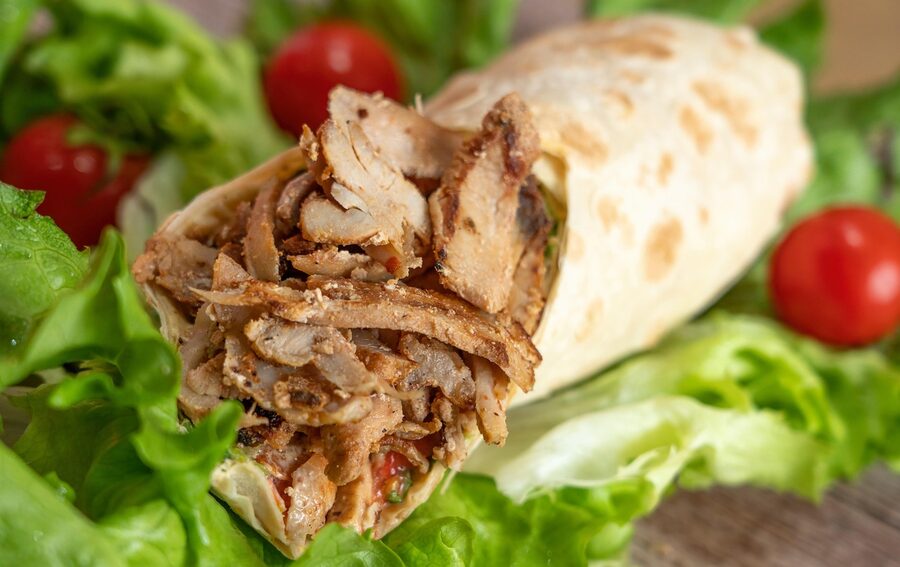
The most comprehensive Old Dubai tour. In 3 hours, you cover the Gold Souk, Spice Souk, Dubai Creek, the abra crossing, Al Fahidi district, and the Dubai Museum — all with a local guide who grew up in these neighborhoods.
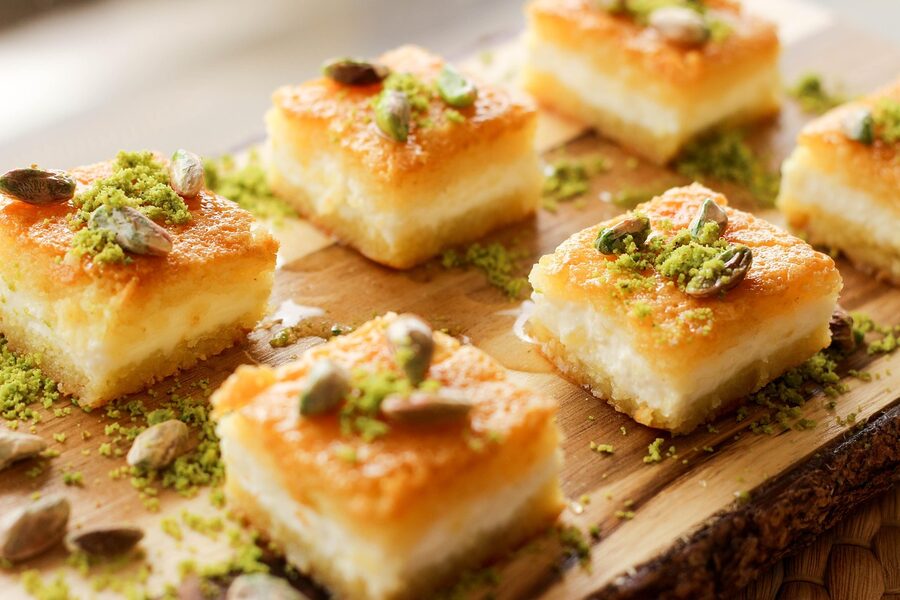
The street food tastings are included and they’re generous — shawarma, kunafa, fresh juices, and Arabic coffee. You’ll be full by the end. The guide also takes you to shops that travelers don’t find on their own. See our complete review of this walking tour.
2. Old Town, Souks, Street Food & Abra Ride — $9
Nine dollars for a guided walking tour with food tastings and an abra ride. That’s not a typo. This tour has over 7,000 reviews at a near-perfect rating because the value is genuinely absurd.
The tour covers the Textile Souk, Gold Souk, Spice Souk, the Creek crossing by abra, and street food stops along the way. The guides are enthusiastic locals who clearly love their city. Check our full review of the $9 Old Dubai tour.
3. Aladdin Tour: Souks, Creek, Old Dubai & Tastings — $21
The highest-rated Old Dubai tour on any platform — a perfect 5.0 from nearly 4,000 reviews. The “Aladdin Tour” branding sounds gimmicky but the experience is anything but. The guides are exceptional storytellers who bring Old Dubai’s history to life.
The tour includes tastings at traditional food stalls, the abra crossing, and visits to hidden corners of the souks that most travelers walk right past. At $21, it’s the sweet spot between budget and comprehensive. Read our full review of the Aladdin Tour.
What to Buy in the Souks
The souks are a shopping experience unlike anything in a mall. Here’s what’s actually worth buying.
Gold: Prices are based on the daily gold rate and are genuinely competitive with international markets. The making charge is where bargaining happens. Always check purity markings and ask for a certificate.
Saffron: Real Iranian saffron at a fraction of supermarket prices. Look for deep red threads, not powdered or dyed. The vendors will let you smell and taste before buying.
Oud and frankincense: The Perfume Souk has the real deal — not the synthetic versions you find in airport duty-free. Oud is expensive even here, but a small bottle of pure oud oil is a gift that will be remembered for years.
Spices and dates: Take them home. The spice vendors package everything for air travel. Medjool dates, za’atar, ras el hanout, sumac — they’re fresher and cheaper than anything at home.
Practical Tips for Your Walking Tour
Wear comfortable walking shoes. The souk lanes are uneven in places. Flip-flops and heels are a bad idea. Light sneakers or comfortable sandals with a strap work best.
Go in the morning or late afternoon. The souks open around 10am but the best time is 4-6pm when the heat drops and the evening light makes everything glow. Avoid 12-2pm — many shops close for afternoon prayers and the heat is oppressive.
Bring cash in small denominations. Most souk vendors accept cards but prefer cash. AED (dirhams) is best. Small bills make bargaining easier — “I only have 50 dirhams” is a classic negotiation tool.
Bargaining is expected in the souks. Never pay the first price. Start at 30-40% below asking and settle somewhere in the middle. Be friendly, enjoy the process, and walk away if the price doesn’t feel right — they’ll often call you back with a lower offer.
The walking tours are worth it even if you’ve explored independently. The guides know history, architecture, and hidden spots that you’d never find on your own. The street food stops alone are worth the tour price.
Best Time to Visit Old Dubai
October to March is ideal. The outdoor walking is comfortable, the souks are alive with tourist-season energy, and the Creek breeze keeps temperatures pleasant. This is when the area is at its best.
Late afternoon (4-7pm) is the magic window. The heat drops, the golden light fills the narrow lanes, the shops reopen after afternoon prayers, and the evening call to prayer echoes off the old walls. This is when Old Dubai feels most alive.
Friday mornings are quieter than usual — many shops open later. The souk is more atmospheric with fewer crowds, but some vendors may not be set up until noon.
Getting to Old Dubai
Metro: Take the Green Line to Al Fahidi station (for Bur Dubai side) or the Gold Souk station (for Deira side). Both stations put you within a 5-minute walk of the souk entrances.
Taxi: Ask for “Al Fahidi” or “Gold Souk.” Budget $10-$15 from the Marina or Downtown. The drivers know these landmarks by name.
Hop-on hop-off bus: Both Big Bus and City Sightseeing have stops in Old Dubai. The bus is a good way to get here if you’re combining with other sightseeing.
What Else to Do in Dubai
Old Dubai is the perfect contrast to the modern city. After walking the souks, head to the Burj Khalifa to see what those pearl diving profits eventually built. The desert safari adds another layer — the landscape that surrounded Old Dubai before the city expanded.
The yacht cruises and speedboat tours from the Marina show you the modern waterfront, but for a water experience with history, take a dhow dinner cruise on the Creek itself — wooden boats, Arabic food, and the old city glowing on both banks.