Planning a trek to Africa’s highest peak can be as exciting as it is intimidating. The 7-day Machame route offered by Tanzania Elsewhere Adventures and Safaris promises an adventure full of breathtaking vistas, physical challenge, and a sense of achievement. For those considering climbing Kilimanjaro, this tour combines a well-regarded route with a reputable local operator, aiming for a high success rate and authentic experience.
We love how this trek emphasizes proper acclimatization—a critical element for summit success—and offers a chance to enjoy diverse landscapes from lush rainforests to alpine moorlands. The expert guides and included logistics make the climb more manageable, especially for first-timers or those with moderate fitness levels.
A possible consideration is the price point—$2,880 per person—reflecting quality service, permits, and safety measures, but it might seem steep for budget travelers. Still, many find the value in the experience, especially given the comprehensive support and the stunning scenery. This tour suits those who are physically prepared, appreciate professional guidance, and want a genuine, well-organized Kilimanjaro adventure.
Expert guides and support help ensure safety and a better chance of reaching the summit.
Seven days on the mountain allow proper acclimatization, increasing success rates.
Stunning views of Mawenzi and Kibo peaks reward the effort with unforgettable panoramas.
All-inclusive logistics—meals, tents, oxygen—reduce worries, letting you focus on the climb.
Diverse landscapes from rainforest to alpine zones enrich the experience, making each day unique.
A high success rate (90%) indicates a well-managed trek designed to help most climbers reach Uhuru Peak.
- Starting Point: Moshi to Machame Gate
- Day 2: From Rainforest to Shira Plateau
- Day 3: Lava Tower and Barranco Camp
- Day 4: The Barranco Wall and Karanga Valley
- Day 5: To Barafu Camp — The Gateway to the Summit
- The Night Climb: Uhuru Peak
- Descent and Celebration
- The Best Of Kilimanjaro National Park!
- More 7-Day Experiences in Kilimanjaro National Park
- More Hiking & Trekking Tours in Kilimanjaro National Park
- More Tour Reviews in Kilimanjaro National Park
Starting Point: Moshi to Machame Gate
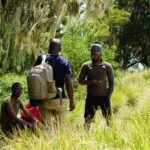
Your adventure begins in Moshi, a town buzzing with energy and serving as the gateway to Kilimanjaro. The journey to the Machame Gate involves a scenic drive through local villages and farmland, setting the stage for what’s ahead. Once inside the park, you’ll sign in and begin your trek through lush rainforest. The initial day’s walk is gentle but immersive, with chances to spot monkeys and other wildlife along the winding trail.
Travelers typically find this first day a pleasant introduction, with the rainforest’s humidity making it feel like a true jungle expedition. The ascent to Machame Camp is a perfect warm-up, and many reviews appreciate the way the guides manage pace and safety from the outset.
You can check availability for your dates here: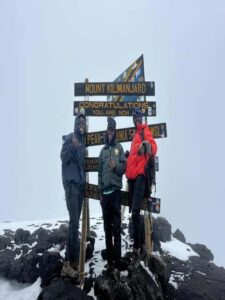
👉 See our pick of the What Are The Best Tours & Things To Do In Kilimanjaro National Park? Our Top 16 Picks
Day 2: From Rainforest to Shira Plateau
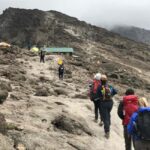
The second day is where the scenery starts to diversify. Leaving the rainforest behind, you’ll trek onto a steep, rocky ridge that leads to the Shira Plateau. This transition from dense greenery to open, high-altitude terrain is dramatic. The trail passes through heather and moorland, giving you a taste of the mountain’s diverse ecosystems.
This stage offers a chance for your body to begin adjusting to higher elevations, and the landscape’s sweeping views make it one of the most photogenic parts of the trek. Expect a steady climb with some challenging patches, but the panoramic vistas of the plateau are worth every step.
You can also read our reviews of more hiking tours in Kilimanjaro National Park
Day 3: Lava Tower and Barranco Camp
A pivotal day, the trek takes you toward the Lava Tower, a 300-foot volcanic formation that acts as both a scenic highlight and a key acclimatization point. After ascending the lava formation, you’ll descend to Barranco Camp, passing through the Senecio Forest—a unique botanical area filled with unusual plants.
This day is especially valued for its acclimatization benefit: starting and ending at similar altitudes helps your body get used to the thinner air. Multiple reviews praise this day’s route, noting how the Lava Tower trek “really helps with acclimatization” and “breaks up the climb nicely.”
Day 4: The Barranco Wall and Karanga Valley
Most climbers consider the Great Barranco Wall a highlight. It’s a steep, exposed rock face—though technically not a climb—offering an adrenaline rush and fantastic views. Many find it physically demanding but manageable with proper guidance.
After conquering the wall, the day continues with a descent into Karanga Valley. The terrain here is rugged and steep, but the sense of achievement is palpable. Reaching Karanga Camp provides a good resting point before the final push toward the summit.
Day 5: To Barafu Camp — The Gateway to the Summit
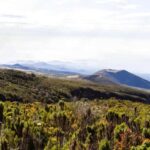
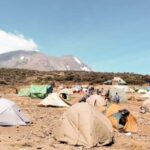
This day marks the transition from the southern circuits of Kilimanjaro to the more exposed, high-altitude zones. The trek toward Barafu Camp involves a gradual ascent, with magnificent views of Mawenzi and Kibo peaks. This camp is where you’ll rest before the midnight climb, so most days are spent resting, eating, and preparing gear.
Many reviews highlight how the campsites here are simple but comfortable, and the scenery is breathtaking. The Southern Circuit makes the route slightly less crowded and provides a more immersive experience.
More Great Tours NearbyThe Night Climb: Uhuru Peak
The most physically demanding part is the early morning ascent to the summit. Traditionally starting around midnight, you’ll walk in chilly darkness, with the guide leading you through the steep and stony terrain. The cold, wind, and altitude make this a true test of endurance.
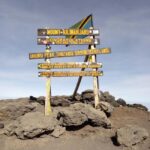
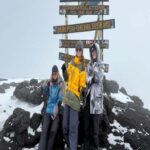
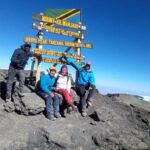
Reaching Stella Point just before sunrise feels like a moving moment—watching the sky brighten over Mawenzi, knowing you’ve come so far. From there, a final push to Uhuru Peak (19,341 feet) rewards you with the title of Africa’s highest point.
You can also read our reviews of more tours and experiences in Kilimanjaro National Park
Kilimanjaro: 7 Days Machame Trek with Tanzania Elsewhere
Descent and Celebration
After celebrating your achievement at the summit, the descent back to Mweka Camp is a long but downhill walk. Expect muddy patches, especially if recent weather has been wet. The walk down is a chance to reflect on the journey, and many travelers note that the descent feels quicker than the ascent.
On the final day, you’ll leave the park after breakfast, say goodbye to your porters, and head back to Moshi, often with a sense of accomplishment and new stories to tell.
The $2,880 price includes most essential elements: professional English-speaking guides, park and rescue fees, all meals on the mountain, tents, sleeping mattresses, oxygen for emergencies, and a pulse oximeter to monitor health. This comprehensive package means fewer surprises and additional costs, helping you focus on the climb.
What’s especially notable is the level of safety and support built into this trek. Many reviews mention how guides are knowledgeable, attentive, and adept at managing altitude sickness risks. The inclusion of oxygen and rescue fees underscores the seriousness with which they approach safety.
However, you’ll need to bring your own personal trekking gear. The tour doesn’t include gear like hiking poles, boots, or clothing, so your packing should be thorough. The suggested essentials include comfortable shoes, warm clothing, a hat, a camera, snacks, sunscreen, and water.
The tour’s 7-day schedule is designed to maximize your chances of reaching Uhuru Peak. Longer routes tend to have better success rates, and the 90% success rate here suggests that most climbers are well-supported. The frequent acclimatization days, combined with expert guides, make this an attractive choice for those serious about summiting.
This Kilimanjaro trek is well-suited for adventurers with a basic level of fitness who want a well-organized, guided experience. It’s not ideal for young children or pregnant women, nor for those with significant mobility, heart, or respiratory issues, given the physical demands.
If you’re someone who appreciates professional guidance, detailed logistical planning, and the opportunity to enjoy spectacular mountain views, this tour ticks many boxes. The chance to stand at the summit and look out over Africa’s vast landscape makes it a prize worth pursuing for many.
Climbing Kilimanjaro via the Machame route with Tanzania Elsewhere offers an engaging balance between challenge, scenery, and safety. The carefully arranged itinerary, high success rate, and experienced guides mean you’re in good hands. The views of Mawenzi and Kibo alone are worth the effort, and reaching Uhuru Peak is a moment few will forget.
While the price might seem substantial, it reflects the costs involved in organizing a safe, successful climb—permits, guides, rescue, and logistics. For travelers seeking a challenging but rewarding adventure and willing to invest in safety and support, this tour provides solid value.
If you’re ready for a serious mountain adventure and want to experience Kilimanjaro’s diverse landscapes and stunning views, this 7-day Machame trek is a compelling choice. Just prepare well, follow your guide’s advice, and keep your eyes on the summit.
What is included in the tour price?
The $2,880 fee covers professional English-speaking guides, all park and rescue fees, meals on the mountain, drinking water, tents, sleeping mattresses, oxygen for emergencies, and a pulse oximeter.
Do I need to bring my own gear?
Yes, personal trekking equipment is not included, so you should pack comfortable shoes, warm clothing, a hat, camera, snacks, sunscreen, and water.
Is this tour suitable for children or pregnant women?
No, it’s not recommended for children under 10, pregnant women, or people with mobility, heart, or respiratory issues due to the physical demands.
What kind of scenery will I see?
Expect lush rainforest at the start, then moorlands, volcanic formations like Lava Tower, and panoramic views of Mawenzi and Kibo peaks. The landscape changes dramatically each day.
How physically demanding is the climb?
It requires good physical fitness, with daily hikes ranging from 4 to 8 hours. The final summit push is especially tough because of the altitude and cold.
Is there a high success rate for reaching Uhuru Peak?
Yes, with a 90% success rate, most climbers who follow the guidance and prepare adequately can expect to reach the summit.
What is the best time of year to do this climb?
While not specified here, generally, dry seasons tend to offer better weather conditions—typically from late June to October and December to February—but check local climate patterns before booking.
In essence, this Kilimanjaro trek offers a carefully managed, high-quality experience that balances physical challenge with safety and stunning scenery. It’s perfect for those who want to tick Africa’s highest mountain off their bucket list with expert support and authentic adventure.
You can check availability for your dates here: