Climbing Mount Kilimanjaro is a dream for many adventurers, and if you’re eyeing the less crowded, more scenic path, the Lemosho Route offers a compelling option. We haven’t personally tackled this route, but based on extensive research, it’s clear that this 7-day trek provides a balanced blend of stunning landscapes, gradual ascent, and good chances of reaching the summit.
What we love about the Lemosho Route is its diverse scenery—from lush rainforests at the start to the stark beauty of the alpine desert—and its longer, more gradual climb, which helps with acclimatization. These features, combined with expert guides and inclusive logistics, make it a top choice for serious hikers.
A potential downside? It’s not the cheapest option out there, with a price tag of $2,500 per person, but that fee covers many essentials like park fees, guides, and accommodations. Still, travelers should budget for personal gear and extra expenses.
This trek suits those who are physically prepared, eager for an authentic experience, and keen to avoid the crowded routes. If you’re looking for a journey that’s as much about the landscapes and local wildlife as it is about the summit, this route could be a perfect fit.
- Extended 7-day itinerary offers better acclimatization and higher success chances.
- Diverse landscapes—from rainforest to alpine desert—offer stunning photo opportunities.
- Includes all park and rescue fees, plus full board accommodations during the trek.
- Expert English-speaking guides enhance safety, navigation, and cultural insights.
Limited crowding makes for a more peaceful, immersive experience.
- Best months: June to October, January to March, avoiding rainy seasons.
- The Journey Begins: From the Forest to the Shira Plateau
- Mid-Altitude: The Alpine Desert and Lava Fields
- The Final Ascent: Barafu Camp and Uhuru Peak
- Returning and Celebrating at the Base
- When to Go
- The Best Of Kilimanjaro National Park!
- More 7-Day Experiences in Kilimanjaro National Park
- More Hiking & Trekking Tours in Kilimanjaro National Park
- More Tour Reviews in Kilimanjaro National Park
The Journey Begins: From the Forest to the Shira Plateau
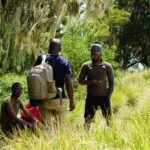
Starting on the western side of Kilimanjaro, the Lemosho Route begins in lush rainforest, full of vibrant greenery and the sounds of birdcalls. This early stage is one of the most scenic, with towering trees and sometimes glimpses of wildlife. It’s also where your guides emphasize safety and acclimatization, setting a steady pace to prepare you for the days ahead.
Many trekkers mention the thrill of walking through such a vibrant environment. One reviewer noted, “We loved the way the trail gradually opened up as we ascended, giving us ample time to adjust and soak in the natural beauty.”
As you leave the rainforest behind, the landscape transitions to the Shira Plateau, a moonscape of volcanic rock and rolling hills. Here, the views become more expansive, and the sense of adventure deepens. This part of the route is less crowded than other paths, which many find appealing, offering a sense of solitude amid stunning scenery.
You can check availability for your dates here: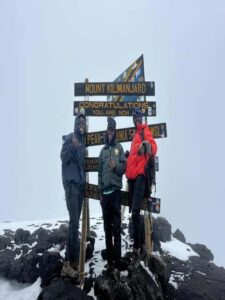
👉 See our pick of the What Are The Best Tours & Things To Do In Kilimanjaro National Park? Our Top 16 Picks
Mid-Altitude: The Alpine Desert and Lava Fields
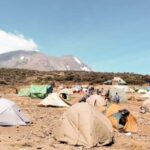
Moving higher, you’ll cross the Lava Tower and enjoy sweeping vistas of Kilimanjaro’s glaciers and summit in the distance. The alpine desert terrain becomes stark but fascinating, with volcanic scree and hardy plants clinging to survival.
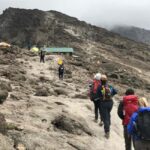
This section can be physically demanding, but your guides will monitor your acclimatization closely, spacing the days to prevent altitude sickness. Many reviews highlight how the longer, more gradual ascent on this route significantly boosts the chance of reaching the summit.
You can also read our reviews of more hiking tours in Kilimanjaro National Park
The Final Ascent: Barafu Camp and Uhuru Peak
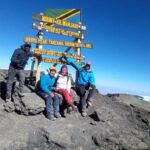
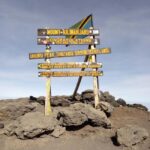
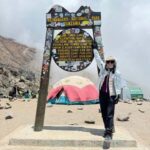
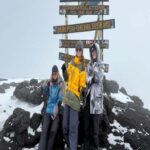
The last stretch begins from Barafu Camp, where you’ll rest briefly before heading under the stars in a cold, determined push to the summit at 5,895 meters (19,341 feet). The early morning start is tough but rewarding—with panoramic views that stretch across Africa’s plains—and the sense of achievement is immense.
Many who’ve climbed Kilimanjaro via the Lemosho Route mention that the team’s professionalism and the well-planned itinerary made all the difference. The route’s emphasis on acclimatization, combined with its scenery, makes it a favorite among those looking for a genuine adventure rather than a quick hike.
Returning and Celebrating at the Base
After summiting, you’ll descend back to the park gate, passing through different ecosystems and reflecting on the journey. The trek ends with a sense of accomplishment and unforgettable memories.
The cost of $2,500 covers much of what you’ll need for a smooth experience: a professional guide who speaks English, all park and rescue fees, full board during the trek, transfers, and purified drinking water. It’s a package designed to reduce surprises, allowing you to focus on the adventure.
However, extras like your personal trekking equipment, Tanzania visa, and additional expenses such as laundry or souvenirs aren’t included. Also, you’ll want travel insurance that covers high-altitude trekking, especially since this route climbs as high as 6,000 meters.
The value here is clear. Paying this amount ensures knowledgeable guides and all necessary permits, which are critical for a safe and successful climb. Plus, the full board accommodation during the trek means you won’t be scrambling for meals or worrying about logistics—they’ve got it covered.
Kilimanjaro: Lemosho Route 7-Day Trek
When to Go
The best months to tackle Kilimanjaro via the Lemosho Route are January to March and June to October, aligning with the dry seasons. Avoid the rainy months—April, May, November, and December—when trails can become muddy and visibility poor.
- Training: A solid two-month prep helps, especially to build endurance and strength.
- Acclimatization days: Can be added if you want extra time to adjust, improving chances of success.
- Packing: Pack light but bring all necessary gear—think layered clothing, good hiking boots, headlamp, and sunglasses.
- Group size: Expect small groups, which enhance safety and personalize your experience.
- Language options: Guides can speak multiple languages, making for easier communication if you’re not English.
Travelers consistently mention the stunning views and the route’s less crowded atmosphere as major perks. The landscape is arguably the most varied on Kilimanjaro, providing a different scenery every day—from lush forests to volcanic moonscapes.
The longer, more gradual ascent is one of its biggest selling points. As one reviewer put it, “The extra days made all the difference; I felt more confident and less sick than on shorter routes.” That’s worth considering if summit success is your goal.
On top of that, the route’s natural beauty and biodiversity add an extra layer of richness to the experience. Seeing local flora and occasional wildlife enriches the journey beyond just reaching the top.
This adventure suits fit, adventurous travelers prepared for high-altitude trekking. It’s ideal if you want a more authentic, less crowded experience with better chances of success. If you’re looking for a challenge that rewards patience and perseverance with breathtaking landscapes, this could be your perfect Kilimanjaro journey.
It’s also a good choice for those who value good logistics and safety—since the package covers all necessary permits, rescue fees, and guides. However, it’s important to be realistic about the physical demands and prepare accordingly.
The Kilimanjaro Lemosho Route 7-Day Trek offers a compelling way to experience Africa’s tallest mountain. The route’s focus on scenery, gradual ascent, and fewer crowds make it stand out. For travelers who are physically ready and eager for a genuine adventure, it provides a high likelihood of reaching the summit while enjoying diverse landscapes along the way.
While the price might seem steep, the comprehensive inclusion of guides, park fees, and accommodations makes it a solid value for those seeking a well-organized, memorable climb. This trek is best suited for those who want more than just a quick hike—those seeking a meaningful, scenic, and safe experience that truly immerses them in Kilimanjaro’s natural beauty.
What is included in the $2,500 price?
It covers professional English-speaking guides, all park and rescue fees, full board accommodation during the trek, transfers, and purified drinking water.
Do I need to add extra days for acclimatization?
They can be added upon request, offering additional time to adjust to altitude, which can improve your chances of summiting successfully.
Is this route suitable for beginners?
While it’s accessible for many, it’s still a high-altitude trek requiring good fitness and preparation. Training for at least 2 months is recommended.
What is the best time of year to climb?
The most favorable months are January to March and June to October, avoiding the rainy seasons.
What should I pack?
Pack light but ensure you have layered clothing, good hiking boots, a headlamp, sunglasses, and all necessary gear.
Are guides multilingual?
Yes, guides can communicate in several languages including English, German, Danish, Swedish, Chinese, Arabic, and Spanish.
How long is the trek?
It lasts 7 days, with options to extend for additional acclimatization days if desired.
What scenery can I expect?
From lush rainforest at the start to volcanic landscapes on the Shira Plateau, then the stark alpine desert near the summit.
How crowded is this route?
Much less crowded than some other paths, offering a more peaceful experience along with scenic variety.
What about the safety and support?
All park and rescue fees are included, and guides are experienced, making safety a priority throughout your journey.
You can also read our reviews of more tours and experiences in Kilimanjaro National Park