Exploring the Machame Route: The 7-Day Kilimanjaro Climb
If you’re thinking about conquering Africa’s highest peak, the Machame Route offers an adventure filled with stunning scenery and varied terrain. This tour, organized by Kilimanjaro Explore, promises a well-rounded experience that balances excitement with safety, making it an attractive option for many trekkers.
We’ve gathered details from the tour provider to help you understand what to expect, the strengths of this route, and some considerations to keep in mind.
What immediately draws us to this trek is the spectacular scenery—from lush rainforests to barren volcanic landscapes—and its reputation for good acclimatization. A second highlight is the comfortable camping setup, which means you’ll be able to rest well after each day’s challenge. On the flip side, the price point of $2,750 per person is not inexpensive, but it covers most essentials with quality support and permits included.
This trek suits those who are eager for a challenging but rewarding climb, especially if they value authentic outdoor experience in a well-supported environment.
Key Points
- Diverse Scenery: From rainforest to semi-desert, each day offers new vistas.
- Strong Acclimatization: The route’s design aids your body in adjusting to high altitude.
- Quality Support: Guided by professional guides, porters, and cooks with proper permits.
- Comfortable Camping: Good equipment and setup enhance rest and overall comfort.
- Price & Value: Includes permits, park fees, accommodations, and meals, making it a comprehensive package.
- Challenging Terrain: Expect steep sections, altitude gains, and some scrambling, suitable for active travelers.
👉 See our pick of the What Are The Best Tours & Things To Do In Kilimanjaro National Park? Our Top 16 Picks
- Key Points
- The Route in Detail
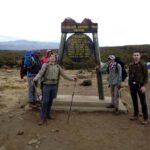
- Day 1: From Machame Gate to Machame Camp
- Day 2: Machame Camp to Shira Camp
- Day 3: Shira Camp to Lava Tower then Barranco Camp
- Day 4: Barranco Camp to Karanga Camp
- Day 5: Karanga Camp to Barafu Camp
- Day 6: The Summit Night — Barafu to Uhuru Peak and Mweka Camp
- Day 7: Mweka Camp to Mweka Gate
- What Makes This Tour Stand Out
- The Price and Value
- Who Is This Tour Best For?
- Practical Tips for Your Kilimanjaro Journey
- Frequently Asked Questions
- The Best Of Kilimanjaro National Park!
- More Tour Reviews in Kilimanjaro National Park
The Route in Detail
You can also read our reviews of more tours and experiences in Kilimanjaro National Park.
Day 1: From Machame Gate to Machame Camp
Starting at 1,800 meters (about 5,905 feet), the trek begins in a lush rainforest that feels almost like a tropical jungle. The trail winds through dense vegetation, streams, and possibly some wildlife like colobus monkeys or colorful birds. We loved the way the trail felt like an adventure into nature’s garden. The hike covers about 11 km (around 7 miles) and takes around 5-7 hours.
The rainforest habitat is a striking way to kick off the journey—it’s lush, humid, and teeming with life. Many reviews mention how this first day sets a peaceful, immersive tone for the trip. The arrival at Machame Camp allows for a good rest before the more demanding days ahead.
Day 2: Machame Camp to Shira Camp
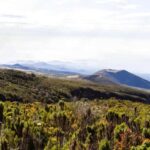
Today’s ascent takes you into moorland zone—a transition from dense jungle to open, grassy landscapes. Covering just 5 km (3 miles) in 4-6 hours, the trail becomes steeper, but the payoff is the panoramic views of the Shira Plateau. The scenery opens up significantly here, with sweeping vistas that are perfect for photography.
The terrain shifts to more exposed, semi-arid conditions, so expect the weather to be sunnier and windier. This day helps your body start adjusting to higher altitudes, an essential step for later summit success. Travelers often comment on the remarkable views and the sense of space they feel in this section.
Day 3: Shira Camp to Lava Tower then Barranco Camp
This is one of the most significant days for acclimatization. The route passes Lava Tower at 4,600 meters (around 15,091 feet), a volcanic formation that offers a good opportunity for your body to adapt with a slight altitude gain. After reaching the tower, you’ll descend to Barranco Camp at about 3,900 meters.
You can expect a 10 km (6 miles) trek that takes 6-8 hours, with some challenging sections. The day includes a steep climb over the Barranco Wall, a scramble that many find exhilarating—manageable with guidance but demanding physically. The descent afterward makes the day both demanding and crucial for your acclimatization. Many trekkers appreciate this day for its dramatic landscape and the sense of accomplishment.
More Great Tours NearbyDay 4: Barranco Camp to Karanga Camp
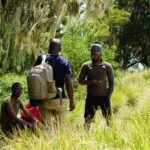
Today involves a relatively short hike of 5 km over 4-5 hours, but don’t underestimate its importance. The trail undulates through alpine desert terrain, with stunning views of the Barranco Valley. This day’s highlight is climbing the Barranco Wall, a steep but straightforward scramble that tests your confidence and strength.
The trail’s terrain is exposed, so sun protection and layered clothing are a must. The scenery is striking—rock formations and panoramic views make it a memorable part of the journey. Reviewers note that this day is manageable but still physically engaging.
Day 5: Karanga Camp to Barafu Camp
This is a shorter, easier day—only 4 km over about 4-5 hours—but it marks your final stop before the summit push. The landscape still feels alpine and stark, with volcanic rock and sparse vegetation. You’ll arrive at Barafu Camp at 4,673 meters, the base camp for the final ascent.
Most climbers find this day a good chance to rest and prepare mentally for the long night ahead. The camp is equipped enough for a good rest, and the crew’s support ensures you’re well-fed and hydrated. Many guests mention feeling a mix of anticipation and fatigue at this point, but the views from the camp are still impressive.
Day 6: The Summit Night — Barafu to Uhuru Peak and Mweka Camp
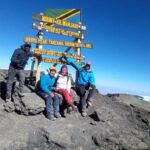
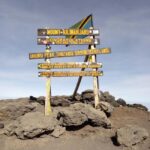
The most nerve-wracking part of the climb begins around midnight. You’ll trek for about 7-8 hours in the dark, with the goal of reaching Uhuru Peak at 5,895 meters. The route requires steady pacing, a headlamp, and patience, as the cold and thin air challenge even the most prepared.
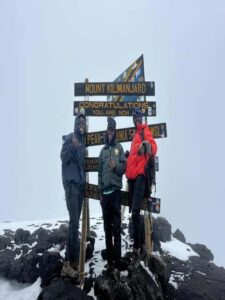
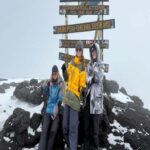
Reaching the summit is a triumph—standing at the highest point in Africa, with stunning views and a profound sense of achievement. Many reviews describe this moment as unforgettable, though some mention the effort required. The descent to Mweka Camp is just as long, around 6-8 hours, and is physically taxing but rewarding as you leave the high altitudes behind.
Day 7: Mweka Camp to Mweka Gate
The final day is a gentle trail downhill, about 10 km (6 miles) through rainforest. The scenery again becomes lush and vibrant as you approach the gate. Expect a relaxed pace—perfect for reflecting on your achievement. Once at the gate, you’ll receive your certificate of achievement, a tangible reminder of your climb. Many travelers describe this as a happy, peaceful walk after the previous night’s exertion.
What Makes This Tour Stand Out
Support and inclusivity are among the top benefits. The team includes qualified guides, assistant guides, porters, and cooks, all working to support your safety and comfort. The permit and park fees are included, removing a common source of hassle and additional expense.
The camping equipment provided is high quality, and the porter support—carrying a maximum of 15 kg (32 lbs.) per person—helps reduce the load and fatigue. The meals and hot drinks offered provide necessary energy and comfort during the trek.
The route’s design is especially advantageous for better acclimatization, thanks to the strategic passes over Lava Tower and Barranco Wall. This means your chances of reaching the summit are higher, with less risk of altitude sickness.
The Price and Value
At $2,750, this package covers nearly everything you need: park fees, permits, accommodations, meals, equipment, and expert guidance. Considering the logistics, support, and permits included, it provides solid value. The inclusive nature of the package reduces stress and surprises, allowing you to focus on the experience.
However, it’s worth noting that this is not the cheapest option—other operators might offer lower prices, but often without the same level of support, equipment, or permits included. The quality of guides and support staff, plus the emphasis on proper acclimatization, justifies the price for many.
Who Is This Tour Best For?
This climb suits adventurous travelers with a decent level of fitness, ready for a challenging trek that includes steep climbs and altitude gains. It’s ideal if you want a route with diverse landscapes and scenic variety. Families with teenagers over 13 can also consider it, especially if they’re comfortable with physical activity.
If you’re concerned about altitude sickness or prefer a less physically demanding climb, this might be less suitable. Likewise, if you prefer private accommodations rather than camping, you’ll need to consider additional costs or look for alternative options.
Practical Tips for Your Kilimanjaro Journey
- Pack smart: Bring layered clothing, sun protection, a good headlamp, and a reusable water bottle.
- Prepare physically: While you don’t need to be an athlete, good endurance helps.
- Respect the environment: Follow park rules, leave no trace, and carry out all waste.
- Stay flexible: Weather and health can affect plans, so maintain patience.
- Book early: Limited spots and high demand mean advance planning is wise.
Machame Route: Kilimanjaro Climb (7-Days)
Frequently Asked Questions
Is the Machame Route suitable for beginners?
While it’s popular for its scenic diversity, it’s a challenging trek suited for those with good fitness levels and some hiking experience. It’s not recommended for complete novice or those with altitude sickness concerns.
What does the price of $2,750 include?
It covers park entrance fees, permits, accommodations in Moshi or Arusha, all meals and hot drinks on the mountain, camping equipment, support staff, and guiding services.
Are meals and camping gear provided?
Yes, the tour includes all meals, hot drinks, and quality camping gear, along with a porter to carry your duffel (up to 15 kg).
What is the main advantage of this route?
The diverse scenery and improved acclimatization due to the route’s design increase your chances of summiting successfully while enjoying spectacular views.
How physically demanding is the trek?
Expect steep sections, altitude gains, and some scrambling, especially over Barranco Wall. It’s physically demanding but manageable with proper preparation and guidance.
Are there options to extend or customize this trip?
The current package is fixed, but you might find options to add days or private accommodations through other operators. Check with the provider for tailored arrangements.
What should I bring?
Essential gear includes hiking shoes, layered clothing, sun protection, a sleeping bag, a headlamp, a daypack, and personal items like cash and toiletries. Avoid bringing alcohol or making noise as per park rules.
To sum it up, the Machame Route offers a challenging yet scenic way to reach the roof of Africa. Its combination of stunning landscapes, good acclimatization potential, and professional support makes it a smart choice for travelers prepared for a physical adventure. While the cost might seem significant, the quality of experience and support provided justifies the investment for most serious trekkers. If you’re looking for a route that balances spectacular views with a solid support system, this tour is worth considering.
Whether you’re chasing that first African sunrise from the summit or simply eager to test your endurance in a breathtaking setting, this Kilimanjaro climb is a journey you won’t forget.
You can check availability for your dates here: