What if you could combine a sensory journey through fragrant spice plantations with a peek into Pemba’s ancient past? That’s exactly what the Pemba Island: Spice Farm, Chake Chake & Mkama Ndume Tour offers. For just $150 per person, you get an immersive experience that brings you into contact with the island’s farming traditions, historic landmarks, and centuries-old ruins.
We like that this tour isn’t just about taking pretty photos; it’s about understanding how Pemba’s landscape and history shape its culture. The chance to see over 80% of Tanzania’s cloves cultivated locally and to learn about traditional spice-growing techniques is a real highlight. Plus, the visit to Mkama Ndume’s fortress ruins adds a layer of intrigue with stories of power and resistance.
One thing to keep in mind is that this tour involves a fair amount of walking and exploring in rural settings, which might not suit everyone, especially those with limited mobility or sensitivity to heat. Also, because it’s a full-day experience, it’s best suited for travelers who enjoy active, hands-on outings rather than those seeking a relaxed lounge-around day.
This experience works well for curious travelers eager to understand Pemba beyond its beaches—those interested in local agriculture, history buffs, and anyone looking for an authentic taste of island life.
- Key Points
- Introduction: Why This Tour Matters
- Exploring the Spice Farms: A Fragrant Journey
- The Essential Oil Distillery: Fragrance and Tradition
- Chake Chake: The Historic Heart of Pemba
- The Haunting Ruins of Mkama Ndume: Echoes of Power
- Practical Details and Value
- The Sum Up: Who Will Love This Tour?
- FAQ
- The Best Of Zanzibar City!
- More Farms in Zanzibar City
- More Tours in Zanzibar City
- More Tour Reviews in Zanzibar City
Key Points
 1 / 5
1 / 5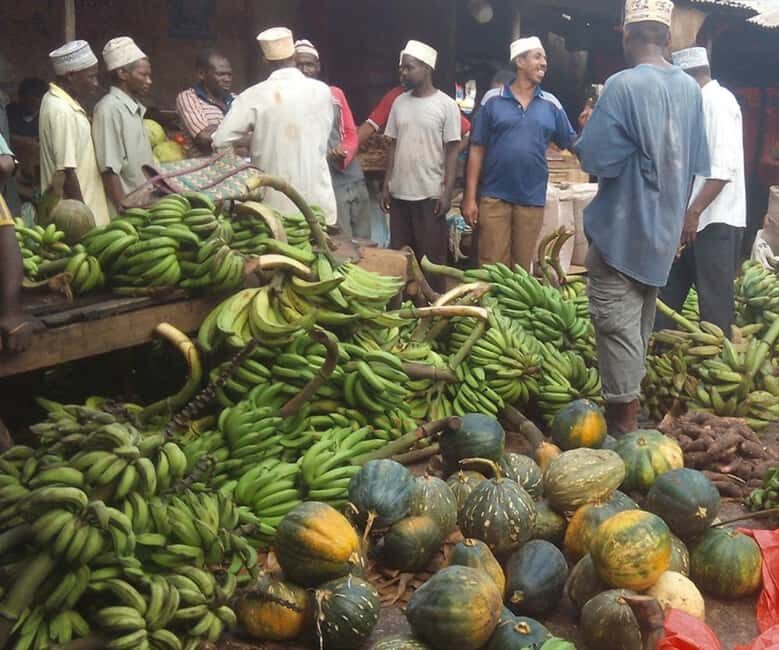 2 / 5
2 / 5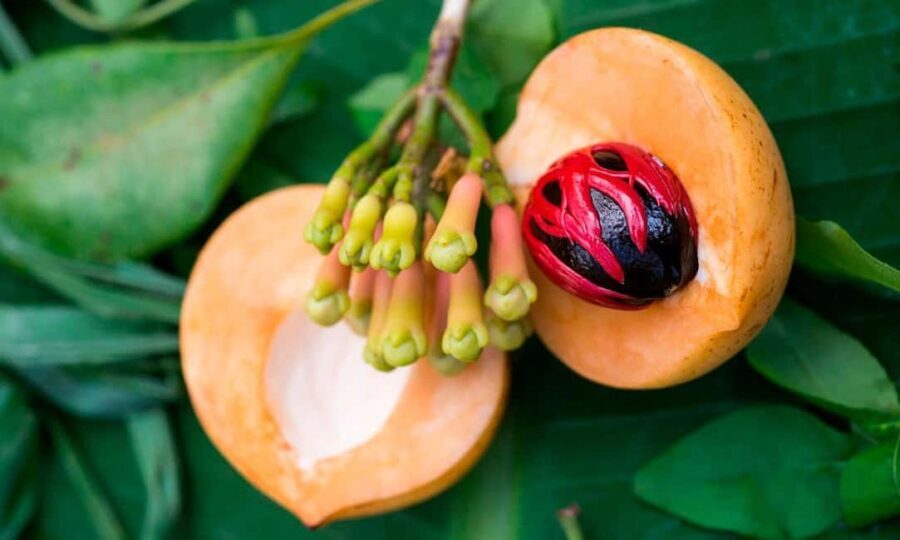 3 / 5
3 / 5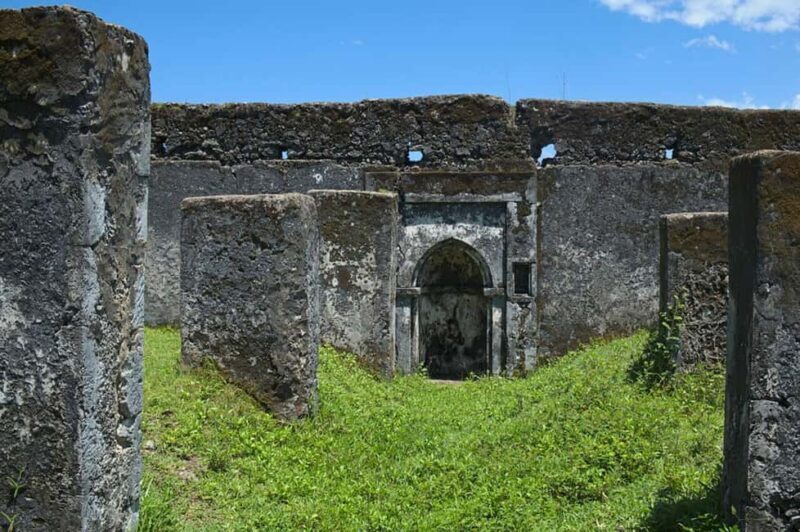 4 / 5
4 / 5 5 / 5
5 / 5- Authentic culture in local spice plantations and historic sites
- Hands-on learning about traditional cultivation and essential oil production
- Insight into Pemba’s strategic history through ruins of Mkama Ndume’s fortress
- Cost-effective value at $150 for a full-day, well-rounded experience
- Small-group atmosphere promotes genuine interaction with local guides
- Ideal for active explorers interested in history, agriculture, and authentic experiences

👉 See our pick of the The 2 Best Tours & Things To Do In Zanzibar City
Introduction: Why This Tour Matters
If you’re visiting Pemba Island, chances are you’re drawn by its stunning beaches and tranquil vibe. But what makes this tour special is its focus on local culture and history, which often gets overlooked in beach-centric itineraries. Exploring spice farms, ancient ruins, and Chake Chake’s vibrant streets helps you see Pemba as more than just a slice of paradise—it’s a place with stories to tell.
Two aspects we particularly love about this experience: First, the opportunity to learn about the island’s dominant spice exports, especially cloves, which dominate Tanzania’s spice trade. Second, the visit to the haunting ruins of Mkama Ndume—a site that invites curiosity about precolonial power dynamics and legendary governance.
The main consideration? The tour is fairly active, involving walking through plantations and exploring historical sites perched on hills and near mangrove creeks. Travelers with mobility issues or those seeking a very relaxed day might need to plan accordingly.
Designed for those who crave authentic cultural encounters, this tour suits travelers keen on understanding Pemba’s agricultural roots and historic depth. It’s perfect for history buffs, food lovers, and curious explorers eager for a full day of discovery.
You can also read our reviews of more tours and experiences in Zanzibar City

Exploring the Spice Farms: A Fragrant Journey
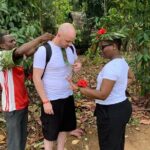
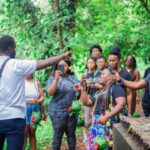
Our journey begins in the lush villages near Mtambwe and Wawi, the heart of Pemba’s spice production. We loved the way local farmers welcomed us as partners in their daily routines. Engaging directly with them, we learned that Pemba produces over 80% of Tanzania’s cloves, which immediately underscores the island’s importance in global spice markets.
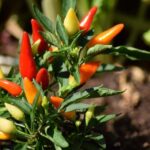
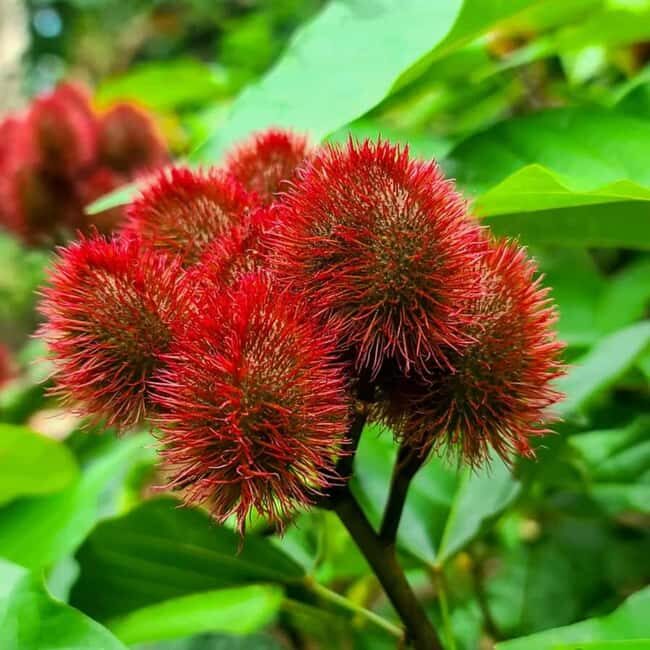
Walking through the green, aromatic plantations, we saw familiar spices like cinnamon, nutmeg, and lemongrass, alongside less common ones such as cardamom. The guides, often local farmers, shared stories about traditional cultivation techniques that have been passed down for generations. We sampled fresh spices—there’s nothing quite like the burst of flavor from a freshly plucked clove or cinnamon stick.
What’s especially valuable here is the hands-on approach. You might find yourself gently crushing a nutmeg seed or smelling the oils extracted from lemongrass. This interactive element makes the experience both educational and memorable. Plus, learning about the art of spice harvesting provides a deeper appreciation for the culinary and medicinal uses of these plants.
Reviews from previous participants praise the informative guides and the opportunity to see the real farming life outside tourist hotspots. One traveler noted, “I loved the authenticity of the experience—getting my hands dirty and tasting fresh spices.”
While the tour doesn’t specify the exact duration at each farm, expect to spend a significant part of the morning wandering through plantations with plenty of opportunities to ask questions and take photos. That said, be prepared for warm weather, and wear comfortable shoes.
The Essential Oil Distillery: Fragrance and Tradition
After the aromatic spice farms, the tour moves on to an essential oil distillery near Chake Chake. Here, you’ll learn how local artisans transform spices into fragrant oils used both in cooking and traditional medicine. We found this part particularly fascinating because it connects agriculture directly with daily life—everyone uses these oils, and their production is rooted in centuries-old practices.
Guides explain the distillation process, which involves steaming spices to extract their oils, a technique that has remained largely unchanged. You’ll see large copper stills and learn how different spices produce unique fragrances. Sampling the oils, you’ll understand how Aromatherapy and herbal remedies are intertwined with Pemba’s culture.
Reviews highlight how informative and aromatic this stop is. One participant said, “I never realized how much work goes into making essential oils, and the scents are simply delightful.”
This visit is more than just a smell session; it’s a window into local craftsmanship. If you enjoy scents and natural products, you’ll appreciate the authenticity of this stop. It’s also a good opportunity to buy locally made products if you’re interested.
Chake Chake: The Historic Heart of Pemba
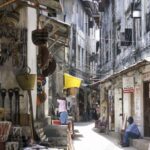
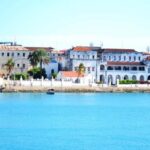
Next, the tour shifts to Chake Chake, the island’s administrative center, where colonial-era architecture and lively markets tell stories of Pemba’s past. We loved wandering through the market stalls, which offer everything from fresh produce to handcrafted souvenirs. It’s a vibrant place that captures the island’s lively spirit.
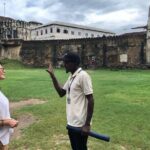
The Old Fort is a key highlight here—built in the colonial period, it offers panoramic views of the town and the coastline. Exploring its stone walls, you get a sense of the strategic importance of Pemba in regional trade routes. From the fort’s vantage point, the mangrove creeks and distant islands seem to whisper stories of seafarers and traders.
Previous reviews frequently mention the charm of Chake Chake’s streets, with visitors appreciating the chance to see Swahili-Arab influences visible in architecture and local customs. One reviewer noted, “Walking through Chake Chake felt like stepping back in time—so many layers of history in every corner.”
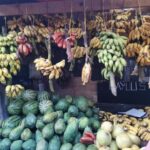
Time permitting, you might visit the bustling local market, where traders offer spices, fruits, and textiles. It’s an excellent way to observe daily life and perhaps pick up a souvenir or two.
More Great Tours NearbyThe Haunting Ruins of Mkama Ndume: Echoes of Power
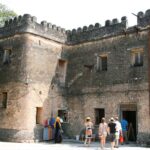
The final stop on the tour is the Pujini village, home to the ruins of Mkama Ndume’s fortress. These 15th-century stone walls are evocative of a bygone era, and the stories surrounding their builder add an extra layer of intrigue. Known for his fierce governance and strategic defenses, Mkama Ndume’s fortress is a testament to Pemba’s precolonial legacy.
Perched on a hill overlooking mangrove creeks and lush landscapes, the ruins offer spectacular panoramic views, perfect for photos and reflection. Guides recount tales of resistance and power, helping visitors understand the strategic importance of this ancient citadel.
Visitors consistently describe the site as haunting and evocative, with one reviewer saying, “Standing among the ruins, you feel the weight of history—powerful and somewhat haunting.” It’s a quiet, contemplative spot that rewards those interested in archaeology and local legends.
The site is accessible by a short walk from the village, and the elevated position provides a cool breeze and expansive vistas—ideal for a break after the more active parts of the tour.



Practical Details and Value
For $150, this tour offers a comprehensive look into Pemba’s agricultural, historical, and cultural tapestry. The price covers a full day’s guided exploration, including visits to spice farms, an essential oil distillery, Chake Chake’s historic sites, and Mkama Ndume’s fortress ruins. Considering the depth of experience and local guides’ knowledge, the cost is quite reasonable.
While transportation is not included to and from Pemba Island, the tour itself provides transportation within the island, making logistics smooth. Entry fees are not included, so be prepared to pay for any additional museum or site entrance costs—though these are typically modest.
The tour is conducted in multiple languages including English, French, Arabic, and Swahili, making it accessible for diverse travelers. The keep your spot and pay later option adds flexibility, and a 24-hour cancellation policy ensures you can plan with confidence.
Most reviews mention the small group size, which enhances interaction with guides and creates a more personal experience. Expect a full day of activity—wear comfortable shoes, bring water, and be ready for warm weather.
The Sum Up: Who Will Love This Tour?
This tour is ideal for travelers who want more than just beaches—those who are curious about local agriculture, history, and architecture. It offers a balanced mix of sensory experiences, historical insights, and authentic cultural interaction. If you enjoy being active during your sightseeing and value learning from local guides, you’ll find this experience rewarding.
It’s especially suitable for visitors interested in spice cultivation, precolonial sites, and Swahili heritage. The tour’s value lies in its depth and authenticity, making it a worthwhile addition for those keen to understand Pemba’s identity beyond its natural beauty.
However, if you prefer a very relaxed day with minimal walking or are traveling with very young children or mobility challenges, this might be a bit too energetic. Also, those relying on strict schedules should note the full-day commitment.
Ultimately, this experience is a chance to connect with Pemba’s land, history, and local people—a rich, engaging way to deepen your understanding of this fascinating island.
Pemba Island: Spice Farm, Chake Chake & Mkama Ndume Tour
FAQ
Is transportation included in the tour?
Transportation within Pemba Island for sightseeing is included in the tour price. However, transportation to and from the island itself is not covered.
Are there any additional costs I should be aware of?
Yes, entry fees to sites are not included, so you may need to pay small fees at some locations like the fortress ruins or local markets.
What languages does the tour support?
The tour is offered in multiple languages, including English, French, Arabic, and Swahili.
Is this tour suitable for children or those with mobility issues?
The tour involves walking through plantations and historic sites on uneven terrain, so it may not be suitable for mobility-limited travelers or very young children.
How long does each part of the tour last?
The tour is designed as a full-day experience, with specific times allocated to each stop, though exact durations can vary depending on group interest and pace.
Can I book this tour with flexible payment options?
Yes, you can reserve your spot and pay later, with full cancellation available up to 24 hours in advance.
Is this tour a good value for the price?
Given the diverse experiences—from spice farming to historic ruins—$150 offers a solid value for a full day of guided exploration led by knowledgeable locals.
What should I bring for this tour?
Bring comfortable walking shoes, sun protection, water, and a camera. Be prepared for warm weather and some outdoor exposure.
This Pemba Island tour offers a genuine slice of local life and history, perfect for travelers who love exploring and learning. It encourages curiosity, supports local communities, and leaves you with stories—and scents—to remember.
You can check availability for your dates here: