Exploring Zanzibar’s Stone Town and Spice Farms: A Balanced Look at the Experience
Travelers curious about Zanzibar’s historic charm and aromatic markets often look for tours that blend cultural sights with authentic local experiences. This particular tour, offered by AClass Travel, promises a journey through Stone Town’s architecture and history, coupled with a visit to a lively spice farm complete with tasting and local cuisine.
What we really appreciate about this trip is its affordability—at just around $32 per person, it offers a surprisingly comprehensive look at Zanzibar’s rich cultural tapestry. The guided walk through the old city reveals the area’s diverse influences, from Arab to European, which makes it a worthwhile exploration for history buffs or anyone wanting to understand the island’s unique identity.
On the other hand, some travelers have experienced timing issues—notably delayed pickups and shorter-than-expected tours—which can impact the overall enjoyment. Depending on your expectations, this might be a consideration.
This tour suits those wanting to see the heart of Zanzibar without breaking the bank, especially if you’re keen on local markets, historical landmarks, and authentic spice tastings. However, patience for logistical hiccups is recommended, and cash should be prepared for entrance fees and purchases.
Key Points
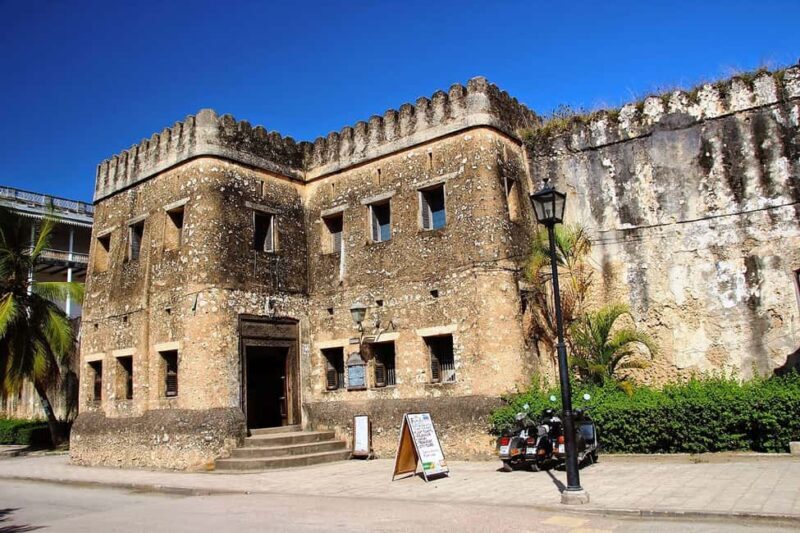
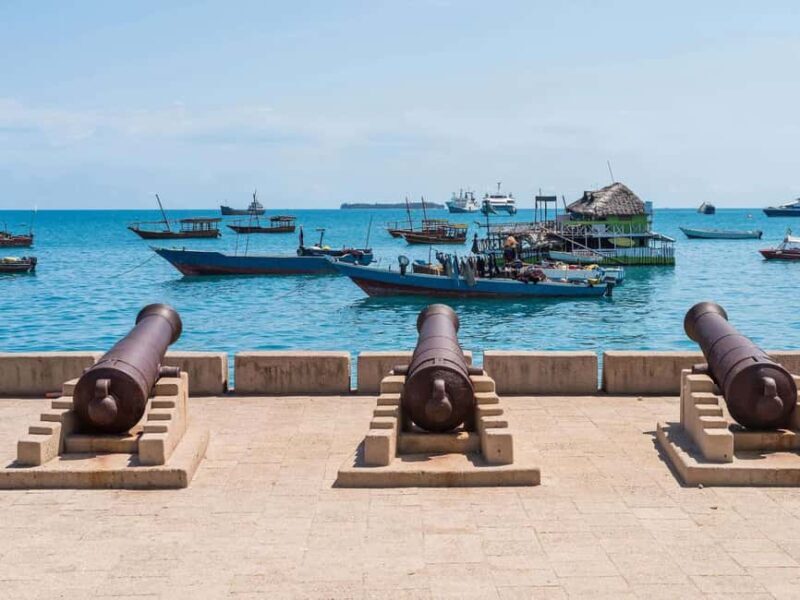
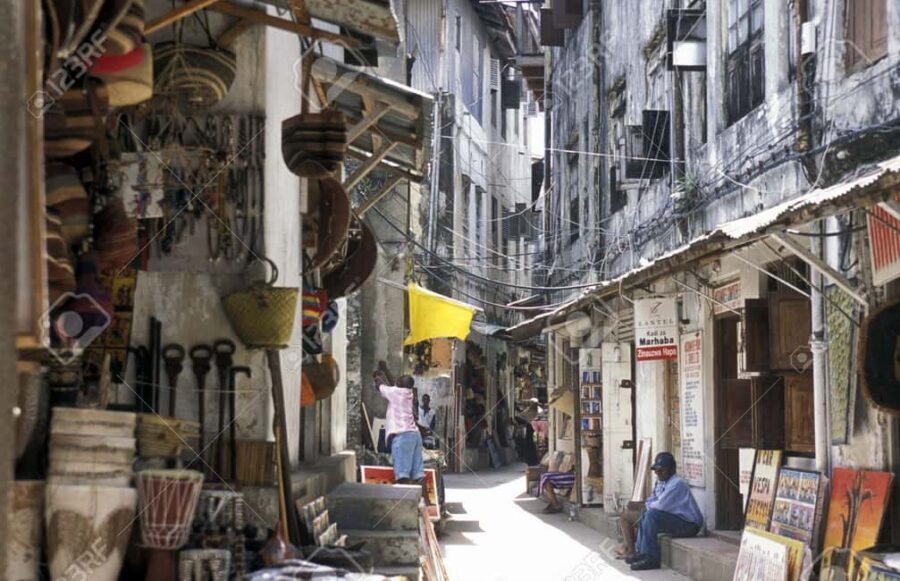

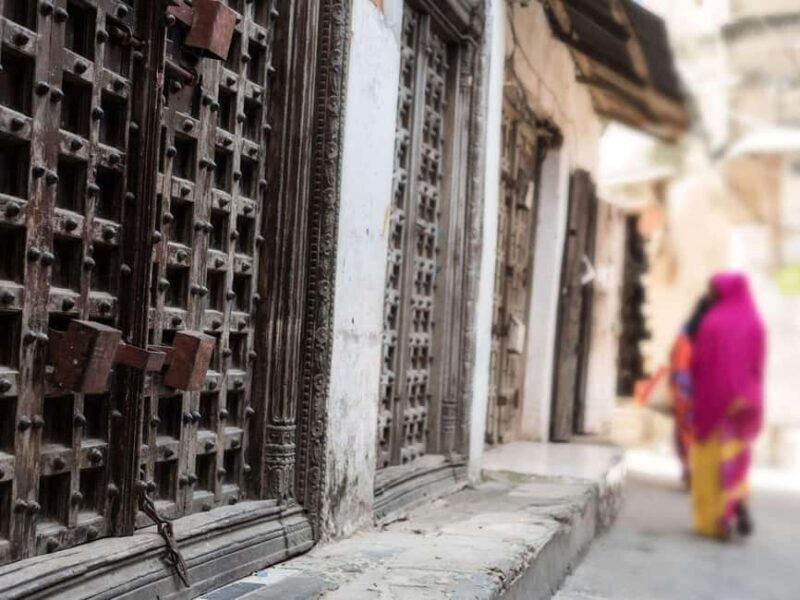
- Authentic Cultural Insights: Explore Stone Town’s architecture and landmarks, gaining a sense of its Swahili, Arab, and European influences.
- Sensory Spice Experience: Taste, smell, and touch spices directly from the farm, learning how they’re used in local cooking and medicine.
- Lively Local Markets: Witness fish auctions, browse fresh produce, and experience the hustle of Zanzibar’s vibrant food scene.
- Authentic Local Food: Enjoy a traditional lunch at the spice farm, with the added chance to buy local spices to take home.
- Guided Expertise: Knowledgeable guides enhance the experience, sharing stories and details that bring the sights to life.
- Value for Money: The price includes transport, entry fees (cash for entrance), and lunch, making it a cost-effective way to see key highlights.

👉 See our pick of the The 2 Best Tours & Things To Do In Zanzibar City
In-Depth Look at the Tour Experience
Starting Point: Stone Town
Your day begins with a hotel pickup if you’ve chosen that option, setting the stage for a dive into one of East Africa’s most distinctive towns. As one traveler noted, “the tour only started around 1 PM,” which highlights the importance of managing expectations about timing. Once in Stone Town, the guide leads you through narrow alleys and bustling markets, revealing the town’s architectural charm—from the intricately carved wooden doors to the grand old buildings like the House of Wonders and Old Fort. These sites aren’t just photo ops; they tell stories of Zanzibar’s past as a trading hub and slave market.
You’ll visit the Old Slave Market site and the Anglican Church, providing a sobering reminder of the island’s darker history. The City Market is a feast for the senses—stalls bursting with fresh fruit, vegetables, and seafood. Here, fish auctions are a lively spectacle that give insight into local daily life, as noted by travelers who appreciated witnessing these authentic scenes.
Highlights of the City Tour
Walking through the streets, you’ll see landmarks like the Palace Museum and the Tippu Tips House, each representing different eras and influences. The Freddie Mercury House adds a pop-culture touch, reminding visitors of Zanzibar’s diverse cultural roots. The Natural History Museum and Peace Memorial round out the tour’s historical and cultural offerings.
The Spice Farm Experience
After exploring the town, the trip shifts to one of Zanzibar’s most famous industries: spices. Visiting an organic spice farm, you’ll encounter the lush plants that produce cloves, nutmeg, cinnamon, and black pepper—names that have earned Zanzibar the nickname “Spice Islands.” Guides here are passionate about explaining how these spices are cultivated and their uses in both cuisine and traditional medicine.
Sensory Learning
What stands out is the tactile and aromatic aspect of the visit. You’ll touch, smell, and taste spices right from the plants, which makes the experience memorable. A coconut tree climber might even pick fresh coconuts for you to sample, a fun and photo-worthy moment. You’ll also learn how to make coconut milk and see cassava leaves being harvested, giving you a glimpse into local food preparation techniques.
Lunch and Shopping
The tour ends with a delicious lunch at the spice farm, typically featuring local flavors and ingredients. Afterward, there’s an opportunity to purchase spices from the farm shop—be prepared with cash, as card payments are rarely accepted. Many travelers value this part of the experience, as it allows them to bring home a taste of Zanzibar.
You can also read our reviews of more city tours in Zanzibar City


Practicalities and Considerations
Timing and Duration
Many reviews, including one from a traveler upset about a delayed pickup, highlight the importance of clarity on start times. The tour typically begins in the early afternoon, but delays can push your day later than planned—some travelers reported arriving back after 8 PM. If you’re on a tight schedule or not accustomed to last-minute adjustments, this could be frustrating.
Cost and Value
At $32 per person, including hotel pickup (if selected), guide, water, and lunch, the tour offers good value—especially considering entrance fees to sites like the slave market and spice farm are extra ($10 cash per person). The reviews are mixed: some travelers find the experience well worth the price, especially for the chance to see local markets and spice farms firsthand, while others feel it’s overly commercialized or lacking in depth.
Guide Quality
Many praise the knowledgeable guides who explain the sights with enthusiasm and context. For instance, a traveler named Celia shared that “Capuchino was an AMAZING guide,” emphasizing the importance of a good guide in enriching the experience. Conversely, some reviews mention guides who pressure for tips or appear unprepared, so your experience may depend on luck or specific guide assignment.
Logistics and Extras
Remember, entrance fees are paid in cash, and if you want to support the local farms or buy souvenirs, be prepared with enough local currency. Also, if you’re staying outside Stone Town, additional transfer costs may apply.
Who Should Consider This Tour?
This experience is ideal for travelers who want a cost-effective, comprehensive introduction to Zanzibar’s culture and spice industry. It’s suited for history enthusiasts, food lovers, or those who simply want a snapshot of local life.
However, if you’re expecting a perfectly punctual, tightly scheduled tour, or a more in-depth culture, you might find some of the logistical issues and hard sales tactics a bit off-putting. The tour’s charm lies in its authenticity and variety, but patience and flexibility will serve you well.
The Sum Up
The Zanzibar: Stone Town City Tour and Spice Farm with Lunch offers a well-rounded glimpse into the island’s cultural fabric. For a modest price, you gain access to historic sites, lively markets, and fragrant spice farms, all guided by knowledgeable locals. The tour’s highlights—such as touching spices fresh from the plants, sampling coconuts, and walking through centuries-old streets—make it a memorable experience for many.
That said, it’s not without its flaws. Logistical delays and the occasional feeling of commercial pressure mean you’ll want to set expectations accordingly. If you’re flexible, open to authentic local scenes, and prepared with cash, this tour can be a meaningful part of your Zanzibar adventure.
It’s particularly suited to those craving an affordable, lively tour that balances history, culture, and flavor—perfect for first-time visitors eager to get a taste of Zanzibar’s soul.
Zanzibar: Stone Town City Tour and Spice Farm with Lunch
You can also read our reviews of more tours and experiences in Zanzibar City






FAQ
Is hotel pickup included?
Yes, if you choose the option, the tour includes hotel pickup and drop-off, making logistics easier.
How much cash should I bring?
You should have cash for entrance fees ($10 per person), and if you want to buy spices or support local vendors, bring extra cash as cards are not accepted at the shop.
What time does the tour start?
The tour usually starts in the early afternoon, around 1 PM, but reviews warn that pickups can be delayed, so be prepared for a potentially later start.
How long does the tour last?
Expect a full day, with some travelers reporting arriving back after 8 PM due to delays. The core activities typically span several hours, but timing can vary.
Is this tour suitable for families?
While it’s generally suitable for older children who enjoy markets and spices, young kids might find the long hours and walking tiring.
Are there any additional costs?
Yes, entrance fees to the slave market and spice farm are paid separately ($10 cash), and extra costs may apply for transfers outside Stone Town.
What should I wear?
Comfortable clothes, breathable fabrics, and sturdy shoes are recommended for walking on uneven streets and farm paths.
Can I buy souvenirs?
Yes, the spice farm shop offers spices to purchase, but bring cash and remember prices are cash-only.
This tour offers a lively, authentic taste of Zanzibar’s history and flavors, perfect for travelers eager to see the island’s heart at a reasonable price.
You can check availability for your dates here: