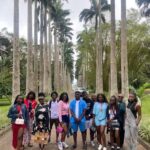
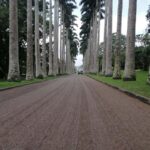
If you’re dreaming of a peaceful escape into nature while gaining authentic insights into Ghana’s rich agricultural heritage, this tour promises a delightful combination. While I haven’t personally taken it, the detailed reviews and offerings make it clear—this experience is packed with vibrant sights, fascinating stories, and a touch of history.
Two things we love: First, the chance to walk among thousands of tropical plants, many planted by world leaders, offers a sense of connection to international history. Second, the breathtaking bird’s-eye view of Accra provides a perspective you just can’t get from the city streets.
One possible consideration? The tour’s pace and focus are primarily on the sights and learning opportunities, so if you’re looking for a more adventurous or lengthy trek, this might feel a little gentle. But if you’re after an authentic, educational, and scenic escape, this trip is just right.
This tour is perfect for nature lovers, history buffs, and those curious about Ghana’s iconic cocoa industry. It’s also a solid choice if you want a comprehensive day tour without the hassle of planning transportation or entry logistics yourself.
This experience made our article of 13 Fantastic Tours & Things To Do In Aburi.
- Key Points
- The Itinerary: A Deep Dive into Ghana’s Natural and Cultural Treasures
- Starting Point: Aburi, Just 30 Kilometers from Accra
- Exploring the Gardens
- The Cocoa Heritage: Mampong Tetteh Quarshie Farm
- Scenic Overlook of Accra
- Optional Craft Shopping
- Practical Details & Value
- Authentic Experiences and Authentic Value
- Who Should Consider This Tour?
- Frequently Asked Questions
- The Best Of Aburi!
- More Farms in Aburi
- More Tour Reviews in Aburi
Key Points
- Stunning Gardens: Walk through the historic Aburi Botanical Gardens, home to a vast collection of tropical plants and trees planted by notable world leaders.
- Cultural & Historical Insights: Learn about the significance of various plants, spices, and Ghana’s important cocoa history.
- Beautiful Views: Enjoy a panoramic bird’s-eye view of Accra, perfect for photos and appreciating the city’s layout.
- Cocoa Heritage: Visit the First Cocoa Farm, Ghana’s oldest cocoa farm, to see original cocoa trees and understand the processing process.
- All-Inclusive Convenience: The tour covers entrance fees, transportation, guide, and hotel pickup/drop-off, offering great value.
- Limited Food Options: Food and drinks are not included, so plan for a snack or meal before or after the tour if needed.
👉 See our pick of the 13 Fantastic Tours & Things To Do In Aburi
The Itinerary: A Deep Dive into Ghana’s Natural and Cultural Treasures
You can also read our reviews of more tours and experiences in Aburi
Starting Point: Aburi, Just 30 Kilometers from Accra
Traveling north from Accra, the drive to Aburi takes a little over half an hour, depending on traffic. The journey itself offers a refreshing change from the hustle of the city, with the road winding into greener, cooler climes. Once you arrive, the first stop is the Aburi Botanical Gardens, established in 1890 by the British as a sanatorium. This is not just a garden; it’s a living museum of tropical plants, many of which were planted by visiting world leaders, adding a layer of history and prestige to the lush surroundings.
Exploring the Gardens
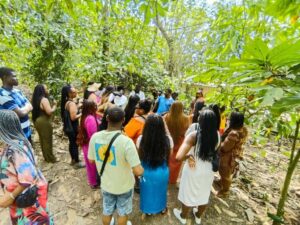
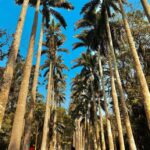
We loved the way the gardens are laid out; walking among the towering Mahogany, Cedar, Silver Oak, and other trees feels like stepping into a living postcard. The gardens are serene, well-maintained, and quite expansive, making them perfect for a leisurely stroll. Guides often share stories about the trees’ origins and uses, emphasizing their medicinal and spice-related purposes.
The variety of plants is impressive, and the guide’s insights help deepen your appreciation for their role in local life and global trade. Plus, the gardens offer fantastic views of the surrounding hills and the city of Accra beyond, giving you a bird’s-eye perspective—an unexpected highlight.
The Cocoa Heritage: Mampong Tetteh Quarshie Farm
A short drive from the gardens, you arrive at the First Cocoa Farm, which dates back to 1879. This farm is a living relic of Ghana’s most famous crop. Here, you can see some of the original cocoa trees brought over from Fernando Po by Tetteh Quarshie, a blacksmith from Osu, Accra.
What makes this visit special is not just the historic trees but the chance to learn about cocoa processing. You’ll get a glimpse into how cocoa beans are harvested, fermented, and turned into the chocolate products we all love. The farm’s tour offers a tangible connection to Ghana’s status as a leading cocoa producer, and it’s a chance to appreciate the hard work behind your favorite sweet treat.
More Great Tours NearbyScenic Overlook of Accra
On the way back, the tour includes a stop at a viewpoint where you’ll get a breathtaking view of Accra. The city spreads out below, with a sprawling, vibrant landscape that hints at Ghana’s energetic pace balanced by the calm of the surrounding hills. It’s a perfect photo-op and a great way to understand the city’s layout from above.


Optional Craft Shopping
Before concluding, many tours include a visit to the Aburi Craft Market. Here, you can browse local crafts—wooden carvings, textiles, and souvenirs—that make for unique and meaningful keepsakes of your trip.
Practical Details & Value
At $140 per person, this tour offers a compelling mix of nature, history, and culture. The price includes entrance fees, air-conditioned transport, a knowledgeable guide, fuel, and hotel pickup and drop-off—all critical factors that simplify your day and ensure comfort.
While food and drinks are not included, this isn’t an obstacle; the tour’s timing usually allows for a meal beforehand or to grab a snack afterward. The small group size, combined with expert guiding, makes for an engaging, personalized experience, where questions are encouraged, and stories flow easily.
The tour is flexible enough to suit most travelers interested in Ghana’s natural beauty and cocoa history, making it an excellent family outing or a solo adventure. The focus on authentic sites and scenic vistas means you’ll leave with a richer understanding of Ghanaian culture and a camera full of stunning images.
Authentic Experiences and Authentic Value
We loved the way this trip combines scenic beauty with educational value. The gardens are more than just botanical specimens; they’re a history lesson in living form, some trees having witnessed nearly a century of history. The cocoa farm, meanwhile, connects you to Ghana’s economic heartbeat and offers a taste of local agricultural ingenuity.
The views from the overlook bring a sense of scale to your time in Ghana, reminding you of the country’s vibrant energy below. The tour’s comprehensive inclusions mean you can relax knowing transportation, entrance fees, and guiding are all sorted—no hidden costs or logistics to worry about.
What critics might point out is that the tour doesn’t include meals, so planning ahead is advisable. Also, if you’re seeking intense physical activity or a longer hike, this might feel a bit mellow, but for most, it hits a sweet spot of relaxation and discovery.
Who Should Consider This Tour?
This experience is ideal for travelers who want a balanced mix of nature, history, and stunning views. It suits those interested in botany, agriculture, or Ghanaian culture but who prefer a comfortable, well-organized day. Families, older travelers, or solo explorers will find enough engaging content without feeling rushed or overwhelmed.
If you’re curious about how Ghana’s landscape and economy are intertwined with cocoa and tropical plants, this tour will deepen your appreciation. It’s also perfect for anyone seeking a nice day out that’s both relaxing and educational—without needing to worry about transportation or entry logistics.
Aburi Botanical Gardens & First Cocoa Farm
Frequently Asked Questions
Is the tour suitable for children?
Yes, children who enjoy nature, scenic views, and learning about plants and cocoa will find this engaging. The manageable pace and outdoor setting are family-friendly.
How long does the tour last?
While not explicitly stated, the entire experience, including travel, visits, and views, is designed as a full-day activity—roughly a few hours each at the gardens, farm, and viewpoint.
What should I bring?
Bring comfortable walking shoes, sun protection (hat, sunscreen), a camera, and maybe a light snack since meals are not included.
Is the tour accessible for mobility-impaired travelers?
The description doesn’t specify accessibility details, so it’s best to inquire directly with the provider if mobility is a concern.
Can I book this tour last minute?
Yes, the booking policy allows you to reserve and pay later, offering flexibility. Cancelations are accepted up to 24 hours in advance.
Are there opportunities to buy souvenirs?
Yes, at the Aburi Craft Market, you can find local crafts and souvenirs, perfect for gifts or keepsakes.
Is the tour guided in English?
Yes, the tour guide speaks English, making explanations clear and engaging.
What if it rains?
The tour is primarily outdoor, so weather could impact your experience. Check the forecast and ask the provider about cancellation or rescheduling options.
This tour to Aburi Botanical Gardens and the First Cocoa Farm offers an excellent way to connect with Ghana’s natural beauty and cultural heritage. It’s a well-rounded, thoughtfully organized outing that balances stunning scenery, educational content, and historical insights, all without breaking the bank.
Most travelers will leave with a greater appreciation for Ghana’s lush landscapes and a deeper understanding of its celebrated cocoa industry. It’s a chance to enjoy Ghana’s greenery, indulge your curiosity, and capture memorable views—perfect for those who want a taste of authentic Ghana beyond the city streets.
If you’re after a relaxed yet enriching day with great value, this tour is definitely worth considering. It’s especially suited for those who appreciate scenic vistas, botanical history, and local craftsmanship, making it a highlight in any Ghanaian itinerary.
You can check availability for your dates here: