
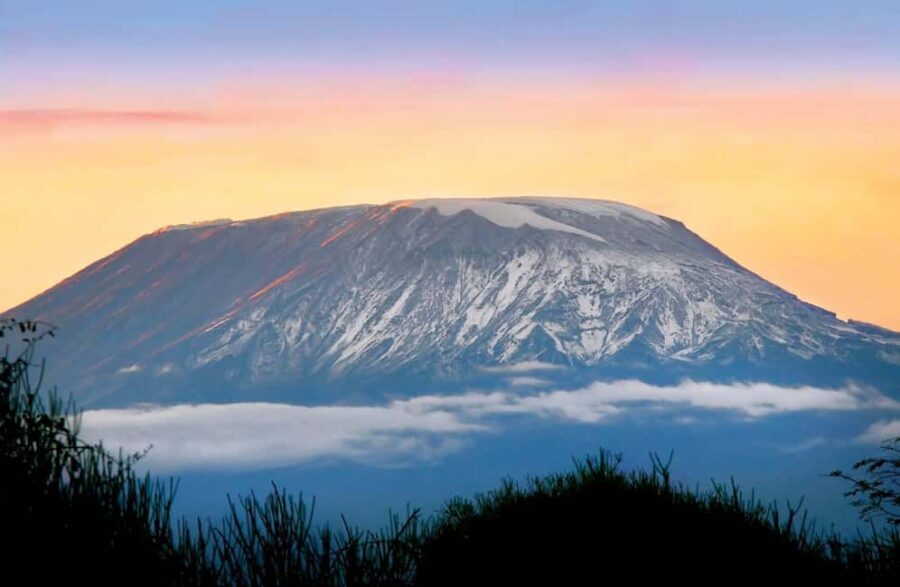
Climbing Mount Kilimanjaro is often painted as a once-in-a-lifetime feat, and this 6-day Rongai Route trek offers a well-balanced way to reach the continent’s highest point. While I haven’t personally summited Kilimanjaro, the detailed itinerary and traveler feedback suggest it’s an experience worth considering if you’re craving a genuine challenge with the support of seasoned guides.
What sets this trek apart? First, the route starts at the less traveled Rongai Gate, promising fewer crowds and a more intimate connection with the mountain’s natural beauty. Second, the inclusion of acclimatization days and experienced guides hints at a thoughtful, safety-conscious approach.
However, be prepared for some physically demanding days, especially the summit push at midnight. This tour suits active travelers eager for adventure and willing to carry both physical and mental stamina.
Two things we love about this experience are the focus on authentic natural scenery—like the lush rainforests and lunar-like landscapes—and the professionalism of the guides and porters, who are well-compensated and experienced. A possible consideration is the overall cost, which at $2,629 a person, is a significant investment, but one that many say provides good value considering the inclusions.
Who should consider this tour? It’s best for those in good physical shape who want a guided, well-organized climb that balances challenge and safety, with plenty of opportunities to enjoy Kilimanjaro’s breathtaking vistas.
- Key Points
- Exploring the Itinerary: What to Expect Each Day
- Day 1: From Rongai Gate to Simba Camp
- Day 2: Simba Camp to Kikelewa Caves
- Day 3: To Mawenzi Tarn
- Day 4: Mawenzi Tarn to Kibo Hut
- Day 5: The Summit Push — Kibo to Uhuru Peak
- Day 6: Descent to Marangu Gate
- The Value of This Trek
- Practical Tips for Your Trek
- What’s Included and What’s Not
- Meeting and Ending Your Adventure
- Final Thoughts: Is This Climb for You?
- FAQs
- More Tour Reviews in Nalemoru
Key Points
- Authentic Experience: Starts at the less crowded Rongai Gate, offering a more secluded trek.
- Expert Guides: Highly experienced guides, porters, and cooks ensure safety and comfort.
- Rich Scenery: From rainforest to lunar landscapes, each day offers diverse, stunning views.
- Acclimatization Days: Built-in stops help reduce altitude sickness risk.
- Value for Money: The price includes nearly all essentials—guides, permits, camping gear, and meals.
- Challenging but Rewarding: Long days with steep sections, culminating in the triumphant sunrise at Uhuru Peak.
Exploring the Itinerary: What to Expect Each Day
You can also read our reviews of more tours and experiences in Nalemoru.
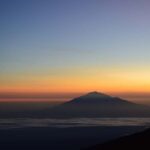
Day 1: From Rongai Gate to Simba Camp
This initial leg is about easing into the climb. You’ll be picked up from your hotel in Arusha and driven to the Rongai Gate, where the adventure begins. After park registration, you meet your crew—guides, porters, cooks—and enjoy a hot lunch. The walk itself is roughly 3-4 hours over 6.5 km, gaining about 700 meters in altitude.
Imagine starting in a lush forest where the canopy shields you from the sun, and the air feels fresh. The path twists through maize fields before entering the vibrant cloud forest. This first day sets a relaxed tone, and many find the lush greenery and birdlife here enchanting.
Day 2: Simba Camp to Kikelewa Caves
Today, the trek turns a bit more rugged as you ascend toward the moorland zone. The walk takes about 6-7 hours over 9 km, with an altitude gain of 950 meters. Midway, you’ll stop for lunch at the third caves, which historically served as shelter for early explorers.
Expect to traverse sections of barren dunes and heather-covered terrain, with lobelias and giant groundsels framing the landscape. We loved the way the scenery shifts from lush forest to an open, windswept landscape—each step revealing a different facet of Kilimanjaro’s diverse environment.
Day 3: To Mawenzi Tarn
This day involves a shorter, more manageable 3-4 hour walk covering 6 km, with a gentle climb to 4,330 meters. The highlight? The arrival at Mawenzi Tarn Hut, perched amid rocky terrain. The landscape here is stark but striking—an expansive wilderness that feels truly remote.
Traveler reviews often mention the impressive views of the mountain’s upper reaches and the sense of solitude in this high-altitude wilderness. We appreciated the chance to rest and acclimatize before pushing further.
More Great Tours NearbyDay 4: Mawenzi Tarn to Kibo Hut
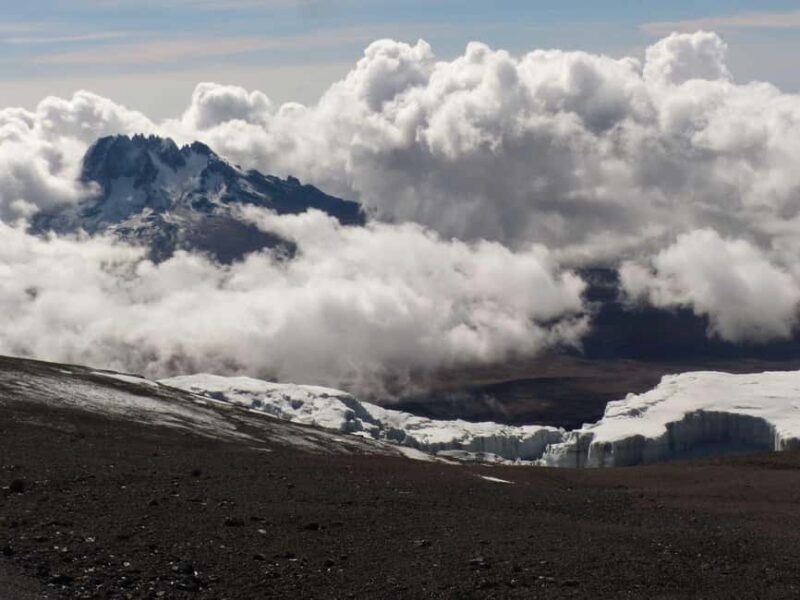
The ascent to Kibo Hut involves about 4-5 hours over 9 km, with a steady 370-meter climb. As you leave Mawenzi behind, the terrain becomes more stony, leading to The Saddle—a vast, lunar-like landscape that stretches between Mawenzi and Kibo.
This section is where the mountain’s grandeur really hits home, with panoramic vistas that showcase Kilimanjaro’s volcanic majesty. The trail gets steeper and more challenging, but the spectacular scenery compensates for the effort.
Day 5: The Summit Push — Kibo to Uhuru Peak
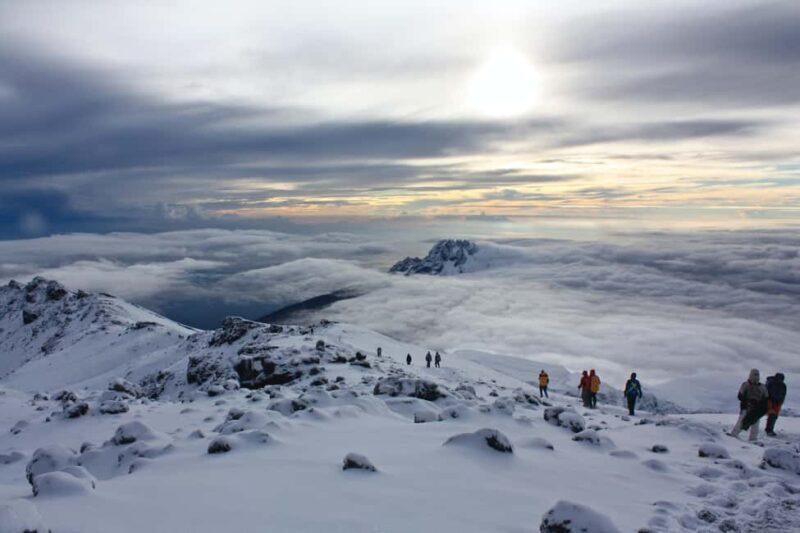
This is the most intense part of the journey. Starting around midnight, you’ll hike for 6-8 hours, covering roughly 5 km uphill to Uhuru Peak at 5895 meters. The trail is steep, icy in parts, and requires mental resilience.
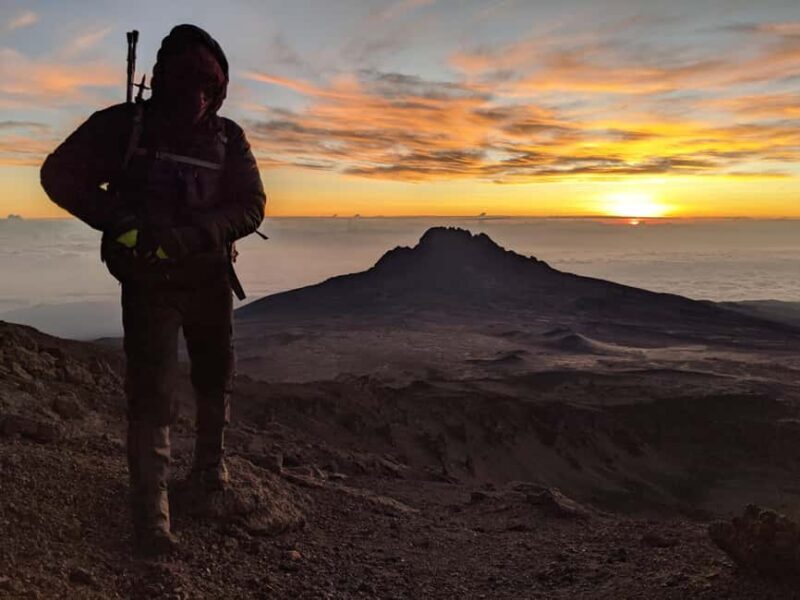
Reaching Uhuru Peak as dawn breaks is a moment many describe as life-changing. The first rays of sunlight cast a warm glow on glaciers and volcanic ridges, and the sense of achievement is palpable. This is the culmination of all your effort.
Day 6: Descent to Marangu Gate
The descent is about 5-6 hours over 20 km, passing through the lush rainforest again. You’ll stop at Mandara Hut along the way before reaching the gate, where you’ll receive your well-earned certificate. The walk down offers a different perspective—more relaxed, with opportunities for reflection and sightseeing.
The Value of This Trek
At $2,629 per person, this package provides a comprehensive experience. It covers park fees, permits, experienced guides, porters, meals, camping gear, rescue services, and more. This level of inclusion is significant because it ensures your safety and comfort, which are paramount at high altitudes.
The use of camping rather than lodge accommodation keeps costs down while immersing you in the mountain environment. Many reviews praise the guides’ knowledge and professionalism, noting that their guidance makes a difference in navigating the physical and mental demands of Kilimanjaro.
Pricing aside, travelers should consider the physical preparation required. The days are long, and the summit night is physically taxing. However, the inclusion of acclimatization days helps mitigate altitude sickness, making success more attainable.
Practical Tips for Your Trek
Bring comfortable hiking shoes and warm clothing—they’ll be essential as temperatures drop significantly at higher elevations. Don’t forget sun protection, snacks, and a camera to capture the awe-inspiring views. Hydration is crucial; unlimited drinking water is provided, but bringing extra is always wise.
The tour emphasizes respecting the mountain’s environment and regulations—littering and smoking are not allowed, and adherence to the guide’s instructions is vital. Since this trek involves high altitudes, a good level of fitness is recommended, and travelers should consider travel insurance that covers high-altitude activities.
What’s Included and What’s Not
This package covers virtually everything you need on the mountain, including all park fees, permits, guides, porters, meals, camping equipment, and emergency services like rescue fees and oxygen. It’s designed for convenience and safety.
Extras such as international flights, personal insurance, pre- and post-climb accommodations, and souvenirs are not included, so plan accordingly. Carrying a small amount of Tanzanian shillings for personal expenses is advisable.
Meeting and Ending Your Adventure
Your journey begins with a pickup in Arusha, where your guide will meet you at the airport or hotel. After your climb, you’ll be dropped back at the meeting point—ready to share stories of your ascent and perhaps plan the next adventure.
Final Thoughts: Is This Climb for You?
This trek offers a solid, well-organized approach to Kilimanjaro, especially suited for travelers who want to avoid the crowds and enjoy a more personal experience. The combination of diverse scenery, expert guides, and well-planned logistics makes it a good choice for those ready to take on a physical challenge in pursuit of an iconic summit.
While the price may seem steep, the value is in the comprehensive inclusions and the professionalism of the team guiding you. The experience is demanding—mentally, physically, and emotionally—but the reward of standing on Uhuru Peak and witnessing the sunrise over Africa’s highest point is priceless.
For active travelers, outdoor enthusiasts, or those seeking a meaningful adventure, this climb promises authentic, inspiring moments that are hard to find elsewhere. Prepare well, listen to your guides, and Kilimanjaro’s breathtaking vistas will reward your effort.
Arusha: 6-Day Rongai Route Mountain Trekking Trip
FAQs
Is this trek suitable for beginners?
While the itinerary includes acclimatization days, the climb is still physically demanding. A good fitness level and preparation are recommended.
What is the main challenge of this route?
The most difficult part is the summit night, which involves a long, cold, and steep ascent starting at midnight. Proper acclimatization and stamina are essential.
Are the guides experienced?
Yes, the guides are described as highly experienced, and their knowledge significantly enhances safety and the overall experience.
What does the price include?
All park entry fees, permits, professional guides, porters, meals, camping equipment, rescue fees, and emergency oxygen are included.
Can I pay later or reserve without commitment?
Yes, you can reserve your spot and pay later, offering flexibility for your travel planning.
What should I bring?
Comfortable shoes, warm clothing, hat, camera, snacks, sunscreen, and gloves are recommended. Personal items and souvenirs are extra.
To sum it up, this 6-day Rongai Route Kilimanjaro trek offers an excellent blend of natural beauty, expert guidance, and organized logistics. It’s ideal for adventurous travelers who want a guided experience with a good chance of summiting successfully. While physically challenging, the route’s varied scenery and the team’s professionalism promise an unforgettable journey—worthy of the effort and investment.
You can check availability for your dates here: