Imagine combining a walk through Tokyo’s oldest temple with an insider visit to Japanese kitchen knife stores—sounds like a foodie’s and history buff’s dream, right? This tour promises just that, guiding you through Asakusa’s historic streets before taking you to the famous Kappabashi Street, where culinary professionals shop for top-quality knives.
Our review is based on real traveler feedback and detailed knowledge of the itinerary, offering you an honest picture of what to expect.
What we love about this experience is the seamless blend of cultural exploration and practical shopping. You’ll get to enjoy a thorough history tour of Asakusa, with inspiring views and fascinating sights, then directly visit shops specializing in the very knives used by chefs across Japan.
The second highlight? The knowledgeable guides, who enhance your understanding of each site, and the opportunity to buy authentic Japanese knives—perfect for culinary fans or souvenir hunters.
A potential consideration? The tour’s duration is about three and a half hours, so it’s a fairly packed schedule. If you prefer a relaxed pace or want to linger longer at specific spots, you might find this tour moves briskly. Also, note that while the guide system is great for groups, it’s best suited for those who appreciate clear audio and close communication.
This experience suits travelers who love cultural insights combined with hands-on shopping, especially those interested in Japanese cuisine, traditional crafts, or simply wanting to enjoy a well-organized, authentic walking tour of Tokyo’s famous sights. It’s perfect for curious explorers who enjoy a mix of history, scenery, and culinary shopping with a knowledgeable guide leading the way.
- Key Points
- In-Depth Review of the Tour Experience
- Starting Point and Morning Atmosphere
- Exploring Sumida Park and the Asakusa Information Center
- Iconic Sights: Kaminarimon, Nakamise Street, and Hozomon
- Sensoji Temple and Asakusa Shrine
- Rokku and the Nostalgic Streets of Asakusa
- The Heart of the Tour: Kappabashi Street and Kitchen Knives
- Practical Aspects and Value
- What Travelers Say
- Who Should Consider This Tour?
- The Sum Up
- FAQ
- More Historical Tours in Tokyo
- More Tours in Tokyo
- More Tour Reviews in Tokyo
Key Points



- Ideal for foodies and culture lovers seeking an immersive, guided experience of Asakusa and Kappabashi.
- Includes a comprehensive history walk of Tokyo’s oldest neighborhood, with stunning views and cultural insights.
- Direct access to specialized stores on Kappabashi Street, saving you research time and offering a wide selection of Japanese knives.
- Knowledgeable guides enhance your understanding of the history and significance of each site.
- Group audio headsets improve communication in larger groups, ensuring you don’t miss a detail.
- Good value considering the blend of sightseeing, shop visits, and expert guidance for $85.21.
In-Depth Review of the Tour Experience
You can also read our reviews of more historical tours in Tokyo


Starting Point and Morning Atmosphere
The tour begins early at 9:30 am, starting at the iconic Kaminarimon Gate, the gateway to Tokyo’s oldest temple, Sensoji. The meeting point at 2-chome Kaminarimon is easy to find, right in the thick of Asakusa’s bustling streets. From the start, you’ll notice the lively, historic ambiance that characterizes this area—vibrant shops, street vendors, and locals going about their day.
Exploring Sumida Park and the Asakusa Information Center
Our first stop is Sumida Park, where the focus is on Tokyo’s river history. Though only about 15 minutes with no admission fee, it’s a worthwhile stretch to appreciate the river that gave birth to Sensoji’s story 1400 years ago. Travelers appreciate the peaceful views and the chance to snap some photos of the Sumida River and nearby bridges.
Next, at the Asakusa Culture Tourist Information Center, you’ll ascend to the open terrace. From here, you get a panoramic view of the Kaminarimon Gate, Nakamise street, and Sensoji Temple. The views are stunning, and the information center is a modern architectural highlight contrasting with the old-world charm below. The free 30-minute stop allows you to appreciate Tokyo’s layered history and spectacular cityscape.
Iconic Sights: Kaminarimon, Nakamise Street, and Hozomon
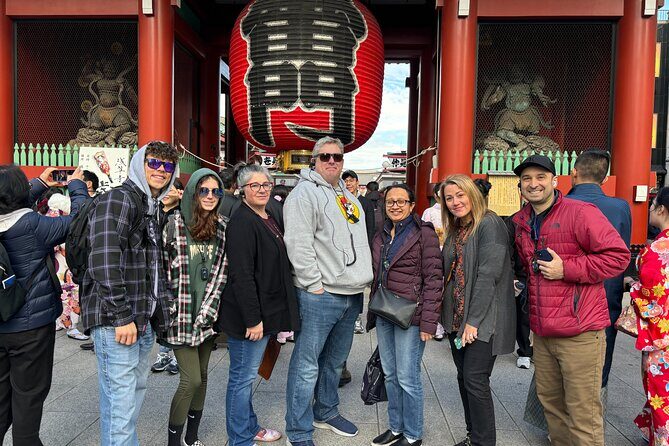
Walking through the Kaminarimon Gate with its enormous red lantern, you immediately feel the weight of tradition. It’s great for photos and sets the tone for the rest of your walk. The friendly, inviting atmosphere of Nakamise Shopping Street surprises many visitors who expect a solemn, purely religious environment. Instead, it’s lively, full of colorful shops selling souvenirs, snacks, and “history tablets” that tell Asakusa’s story—adding a layer of educational charm.
Hozomon, the inner gate, offers a glimpse into Japan’s religious and artistic treasures. The statues, lanterns, and sandals, along with the temple’s treasures housed on the second floor, make this a visually captivating stop that’s often highlighted in traveler reviews.
Sensoji Temple and Asakusa Shrine
The highlight is, of course, Sensoji Temple itself—the oldest in Tokyo. You can participate in centuries-old rituals like drawing a paper fortune or simply enjoy the vibrant atmosphere. Adjacent to the temple, the Asakusa Shrine showcases Japan’s religious coexistence—Shinto and Buddhist traditions sharing the same space, a fact that often intrigues visitors. It’s a peaceful contrast to the busy temple grounds, and guides often explain the cultural significance behind this coexistence.
You can also read our reviews of more shopping tours in Tokyo



Rokku and the Nostalgic Streets of Asakusa
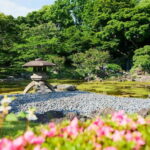
From Sensoji, we stroll into Sens-ji Denboin Garden and then into the Rokku district, which once boasted theaters, comedy clubs, and exotic animals. Today, Rokku is a blend of nostalgia and modern craft, with narrow winding streets filled with snack stands, boutique shops, and cozy bars. It’s a favorite among travelers for its lively yet relaxed atmosphere. Expect to see architecture and sights that “aren’t there anymore,” according to past reviews, adding a touch of history to the walk.
The Heart of the Tour: Kappabashi Street and Kitchen Knives
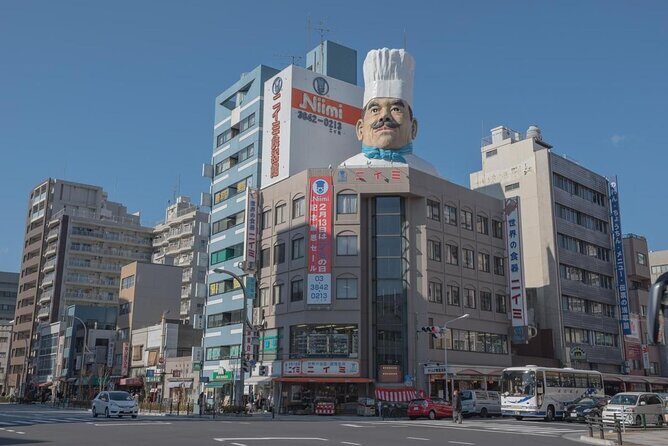
Finally, your journey culminates in Kappabashi Street, just next to Asakusa. This street, often called “Kitchen Town,” is lined with shops selling everything from restaurant supplies to elaborate plastic food displays. What makes this stop unique is the focus on kitchen knives—a true haven for culinary enthusiasts.
For about an hour, guided by experts, you’ll explore shops showcasing a full lineup of Japanese knives—essential tools for chefs and home cooks alike. The guides help you understand the nuances of different blades, their craftsmanship, and their uses. Past travelers have found this part especially valuable—one even bought knives as gifts for chef friends, noting how the experience made the purchase meaningful.
The guides rely on an earphone system for groups of three or more, ensuring you hear every detail clearly, even in a noisy street environment. This enhances the learning experience and makes it easier to ask questions.
Practical Aspects and Value
This tour is priced at $85.21 per person, which may seem modest given the depth of exploration and expert guidance. It includes a full tour of historic Tokyo, a visit to premium knife shops, and the use of headsets for groups. Since hotel pickup or dropoff isn’t included, you’ll need to meet at the designated spot, which is conveniently located near public transportation.
The tour duration of around three and a half hours offers a balanced pace—enough to enjoy the sights without feeling rushed. Reviewers consistently praise the guides, with comments like “Kay was so informative” and “Amy helped us understand the history,” highlighting the value of knowledgeable leadership.
What Travelers Say
Feedback from travelers highlights how much they appreciated the guides’ expertise and the stunning views from the observation deck. One reviewer shared, “I was staying in Asakusa and Amy’s help made understanding the temple’s history much richer,” emphasizing the educational aspect. Others enjoyed the shopping opportunity—buying high-quality knives as souvenirs or gifts, making the entire experience practical as well as cultural.
Who Should Consider This Tour?
If you’re someone who loves a well-organized mix of history, scenery, and shopping, this tour should appeal. It’s particularly ideal if you’re interested in culinary tools or traditional crafts, as the knife shop visits are the highlight for many. Travelers wanting a comprehensive, engaging overview of Asakusa’s cultural landscape will find the guide-led approach both informative and enjoyable.
However, if you prefer a slow-paced, unhurried exploration or planning to spend extra time at each site, this tour’s brisk schedule might seem a little rushed. It’s best for those who enjoy a blend of sightseeing and shopping with a trusted guide leading the way.
The Sum Up
This tour offers a rare opportunity to combine cultural storytelling with practical shopping in Tokyo’s historic neighborhood. With expert guides enhancing your understanding, you’ll walk away with not just photos, but a deeper appreciation of the sights, stories, and culinary tools that define Asakusa and Kappabashi.
The value is clear: for a reasonable price, you get a full morning of sightseeing, cultural insight, and access to Japan’s renowned kitchen knives—perfect for food lovers, craft aficionados, or anyone curious about Tokyo’s authentic side. The guided experience helps travelers navigate busy streets and shop confidently, making it an excellent choice for first-time visitors who want more than just a quick walk-by.
If you’re seeking a thoughtfully curated tour that balances history, views, and practical shopping, this experience fits the bill beautifully. Whether you’re shopping for souvenirs or simply want to understand more about Japan’s culinary culture, this tour is sure to leave a lasting impression.
Asakusa: Japanese kitchen knife store visits after history tour
FAQ
What is the starting point of the tour?
The tour begins at 9:30 am at 2-chome Kaminarimon, close to the famous Kaminarimon Gate in Asakusa.
How long does the tour last?
It lasts approximately 3 hours and 30 minutes, providing a well-paced exploration of key sights and shopping.
Are there any admission fees for the stops?
Most sites, including Sensoji Temple, Nakamise Street, Hozomon, and Asakusa Shrine, are free to enter. The only paid entry is at Sumida Park, but that’s optional.
Is transportation included?
No, hotel pick-up or drop-off is not provided. Participants meet at the designated starting point.
Is the guide system suitable for groups?
Yes, for groups of three or more, headsets are used to clearly transmit the guide’s voice, making it easy to follow along even in noisy environments.
Can I buy souvenirs during the tour?
Absolutely. During the walk through Nakamise Street and Kappabashi, you’ll find plenty of shops for souvenirs, traditional crafts, and culinary tools.
Is this tour suitable for children?
While the info isn’t specified, the pace and content are generally accessible for most ages, especially those interested in culture and food.
Can I cancel if my plans change?
Yes, cancellation is free if done at least 24 hours before the tour. Refunds are provided accordingly.
This in-depth, balanced tour review aims to help you decide if exploring Asakusa’s sights and Kappabashi’s knife shops makes sense for your Tokyo visit. For those seeking an engaging, well-guided experience with a focus on authentic sights and practical shopping, it’s a solid choice that offers real value.