If you’re interested in how a city’s transit system shapes its identity and growth, the Cincinnati Streetcar Transportation and Infrastructure Tour offers a unique look behind the scenes. Unlike typical sightseeing tours that focus solely on attractions and history, this experience zeroes in on urban development, transit projects, and infrastructure successes and failures.
Led by a knowledgeable local and university student, Fenley, this small-group tour combines practical insights with a dash of local color—a must for travelers curious about the city’s evolving urban landscape.
What we love about this tour is its focus on authentic urban planning stories, from the ambitious Cincinnati Subway to the modern streetcar loop. The tour also offers a chance to see many of Cincinnati’s iconic sites while learning about the city’s efforts to improve transit and manage its growth. A second highlight is Fenley’s expertise, which brings clarity and context to complex topics like highway expansion and urban renewal.
The main consideration? The tour’s price of $40 per person is decent value, but it’s also about the interest in infrastructure; if your focus is purely sightseeing, it might not satisfy all your cravings.
This experience suits urban enthusiasts, history buffs, or anyone interested in how cities develop—and especially those who appreciate a local’s perspective.
- Key Points
- An In-Depth Look at the Cincinnati Streetcar Infrastructure Tour
- Starting Point: A View of Cincinnati’s Historic Riverfront
- Exploring the Banks and Neighborhoods
- Baseball and Transit: Great American Ball Park
- The Riverfront Transit Center: Cincinnati’s Second Abandoned Subway?
- Highway Construction and Urban Renewal: Queensgate
- Art Deco and Architectural Gems: Carew Tower
- The Heart of Downtown: Fountain Square
- Rest and Reflection at Procter & Gamble Lawn Park
- Tallest Buildings and Sports Venues
- The Historic East 8th & Main Streets and the Subway’s Hidden Past
- Cincinnati Union Terminal: A Grand Architectural Marvel
- Wrapping Up at Findlay Market
- Practical Details and Value
- What’s Missing or to Consider
- Who Will Love This Tour?
- The Sum Up
- FAQ
- The Best Of Cincinnati!
- More Tours in Cincinnati
- More Tour Reviews in Cincinnati
Key Points
 1 / 5
1 / 5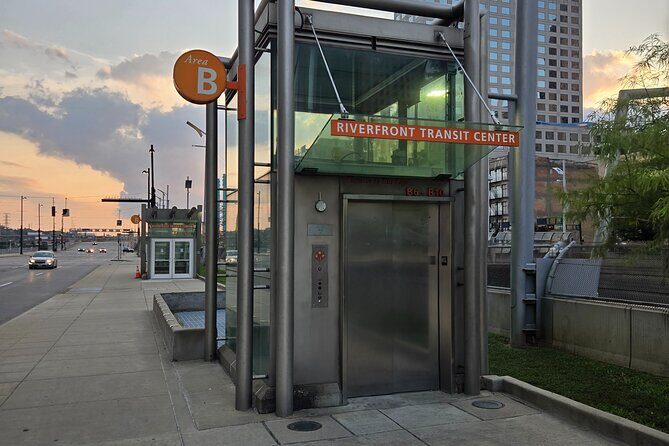 2 / 5
2 / 5 3 / 5
3 / 5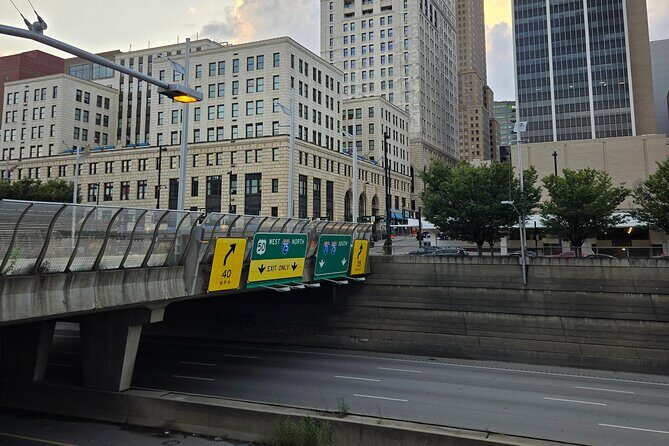 4 / 5
4 / 5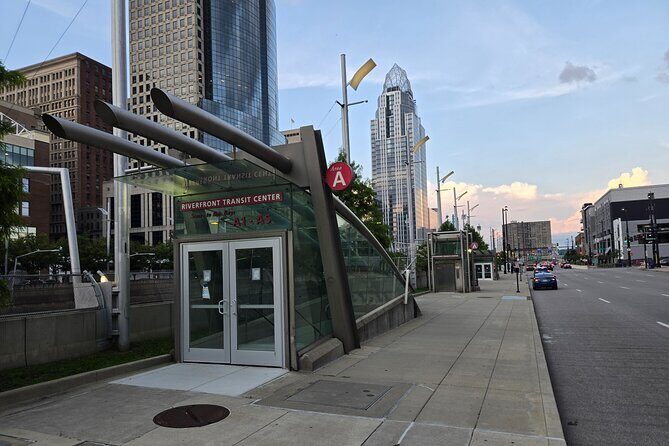 5 / 5
5 / 5- Focused on Transit and Infrastructure: Unlike typical city tours, this one explores Cincinnati’s transport projects, successes, and failures.
- Led by a Local Expert: Fenley’s knowledge about urban planning adds depth and clarity.
- Rich Visuals and Stories: From the Cincinnati Subway to the Union Terminal, expect engaging visual history and real-world examples.
- Small Group Experience: With fewer than 8 travelers, expect personalized attention and more meaningful conversations.
- Walks and Rides: The tour includes riding about 2/3 of the streetcar loop, with plenty of stops for explanations and photos.
- Educational and Practical: You’ll come away with maps, plans for future projects, and a deeper understanding of Cincinnati’s development.

👉 See our pick of the Cincinnati’s 8 Top Walking Tours (With Prices)
An In-Depth Look at the Cincinnati Streetcar Infrastructure Tour
You can also read our reviews of more tours and experiences in Cincinnati.



Starting Point: A View of Cincinnati’s Historic Riverfront
The tour begins at the National Underground Railroad Freedom Center, a powerful symbol of Cincinnati’s history and resilience. From here, Fenley introduces the city, offering a brief but lively overview of Cincinnati’s development. We get our first glimpse of the Roebling Suspension Bridge, a masterwork from the 19th century that still connects Cincinnati to Kentucky. Seeing it from afar reminds us of Cincinnati’s longstanding importance as a transportation hub.
Exploring the Banks and Neighborhoods
Our first stop is the Banks, a lively waterfront district. Fenley shares snippets about the city’s history and urban renewal efforts while pointing out the bridge from a distance. This area is vibrant today, but it’s also a testament to Cincinnati’s ongoing transformation. The proximity to the Ohio River adds a scenic backdrop, making it a fine introduction to the city’s geography.
Baseball and Transit: Great American Ball Park
A quick stop at Great American Ball Park allows visitors to snap a photo near the stadium’s entrance. While brief—just a couple of minutes—it’s a great way to connect Cincinnati’s sports culture with its urban fabric. The stadium is a focal point for the city’s entertainment scene and a reminder of how sports can influence urban identity.
The Riverfront Transit Center: Cincinnati’s Second Abandoned Subway?
One of the most intriguing stops is the Riverfront Transit Center. Fenley discusses Cincinnati’s efforts to reintroduce transit to the downtown core, highlighting the transit center dubbed “Cincinnati’s Second Abandoned Subway” due to its troubled history. We see the facility from afar, but the real value lies in learning about the ongoing debates and plans to turn this space into a functional transit hub again. This stop demystifies urban transit challenges and successes, making it a highlight for transportation enthusiasts.






Highway Construction and Urban Renewal: Queensgate
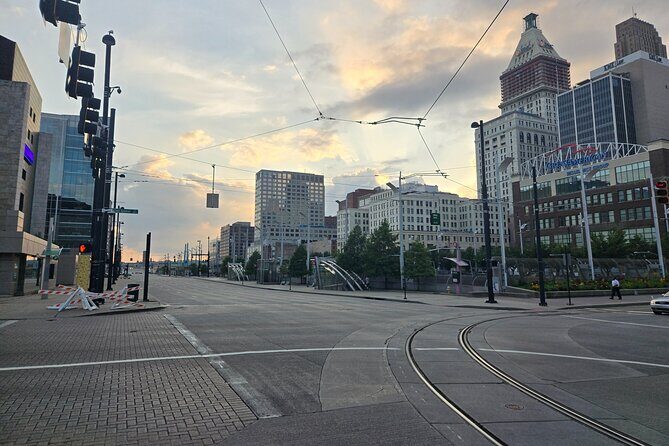
Next, we head to Queensgate, where Fenley discusses the massive highway construction and expansion projects that have shaped Cincinnati. The project Kenyon-Barr is notable for demolishing nearly half the neighborhood in the 1960s—a controversial urban renewal effort that still sparks debate today. Walking by, you can see how highways carve through urban neighborhoods; Fenley explains the trade-offs between mobility and community impact. This stop is eye-opening for those interested in city planning and the long-term effects of infrastructure projects.
Art Deco and Architectural Gems: Carew Tower
The tour takes a moment at the Carew Tower, one of Cincinnati’s architectural treasures. From a nearby vantage point, you’ll appreciate its detailed Art Deco design—an elegant contrast to the more utilitarian transit structures. Passing through the Hilton Netherland Plaza lobby, you get a taste of Cincinnati’s flair for design and architecture. Fenley emphasizes how architecture reflects the city’s ambitions and history, making this a visually and culturally rich stop.
The Heart of Downtown: Fountain Square
No Cincinnati tour would be complete without a stop at Fountain Square, the city’s central hub. Fenley points out the Tyler Davidson Fountain, a beloved symbol of Cincinnati. This lively gathering spot is also the hub of the city’s bus network, which Fenley discusses with some insight into current challenges facing public transit. Visitors can soak in the atmosphere, take photos, and grasp how the city’s social and transit life intersect.
Rest and Reflection at Procter & Gamble Lawn Park
A quick break at Procter & Gamble Lawn Park allows everyone to stretch and rehydrate. Fenley uses this moment to share more stories about Cincinnati’s urban planning, making the rest period both relaxing and educational.
Tallest Buildings and Sports Venues
From the Great American Tower to the Heritage Bank Center, we get a quick visual tour of Cincinnati’s modern skyline and entertainment venues. Fenley shares current plans involving the arena, giving a sense of ongoing development and urban revitalization.
The Historic East 8th & Main Streets and the Subway’s Hidden Past
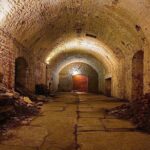
One of the most fascinating parts of the tour is the visit to East 8th Street & Main Street, where Fenley explains the city’s abandoned subway—the largest in the world, buried beneath Cincinnati. Using photos and maps, Fenley reveals how the subway was planned and why it was abandoned, giving travelers an insider’s look at Cincinnati’s ambitious transit dreams.
Cincinnati Union Terminal: A Grand Architectural Marvel
The tour’s highlight is the distant view of the Cincinnati Union Terminal. Fenley describes it as “the last great passenger train station built in the country,” a true architectural masterpiece. Standing outside Robert A. Taft High School, we admire its Art Deco design and learn about its significance in Cincinnati’s transportation history. This stop offers a powerful visual and historical perspective, connecting past ambitions with present realities.
Wrapping Up at Findlay Market
Our journey concludes at Findlay Market, a vibrant hub of local food and culture in Over-the-Rhine. Fenley encourages exploring nearby eateries—perfect for a bite after the tour—and reflects on how the neighborhood’s revitalization is intertwined with transportation and urban planning. It’s a fitting end, leaving visitors with a sense of Cincinnati’s ongoing evolution.
Practical Details and Value
At $40 per person, this tour offers good value for those eager to understand Cincinnati’s transit story from a local perspective. The tour lasts roughly three hours and includes about two-thirds of the streetcar loop, with plenty of opportunities to take photos and ask questions. The small group size (maximum 8 travelers) ensures an engaging experience, and the inclusion of maps—such as the streetcar map, metro bus map, TANK bus map, and abandoned subway map—adds extra value for future exploration.
Fenley’s expertise as an urban planning student shines through with clear explanations, thoughtful commentary, and a genuine passion for Cincinnati’s growth. The tour is especially rewarding for travelers interested in urban development, transportation projects, and city history—not just the tourist sites.
What’s Missing or to Consider
While the tour covers many significant sites and stories, it’s not a traditional sightseeing experience; it’s more about the urban fabric and infrastructure. If you’re looking for a leisurely sightseeing tour with extensive history or architecture details, you might find it somewhat focused. Also, the tour is weather-dependent, so check the forecast for rain or snow.
Who Will Love This Tour?
This experience is perfect for urban enthusiasts, history buffs, planning students, or transit advocates. It’s also suited for travelers who want a behind-the-scenes look at Cincinnati’s development efforts. If you’re curious about how cities evolve and want to see tangible projects that shape urban life, you’ll find this tour engaging and insightful. It offers a perspective that many typical city tours overlook—making it a genuinely educational addition to any Cincinnati visit.
The Sum Up
The Cincinnati Streetcar Transportation and Infrastructure Tour is a rare opportunity to explore the city’s development through the lens of transit and planning. It’s not just about seeing the sights but understanding the stories of ambition, challenge, and innovation that have shaped Cincinnati. Led by a passionate local and university student, Fenley, this small-group tour offers a detailed, balanced look at everything from historic subway plans to modern streetcar initiatives.
Whether you’re a transit enthusiast, urban planning student, or simply someone curious about Cincinnati’s future, this tour provides ample insights and visual treats. It’s an experience that will leave you with a deeper appreciation of how infrastructure influences a city’s identity and growth—and with plenty of ideas to explore more on your own.
Cincinnati Streetcar Transportation and Infrastructure Tour
FAQ
How long is the Cincinnati Streetcar Infrastructure Tour?
It lasts approximately 3 hours, including riding about two-thirds of the streetcar loop and several stops for explanation and photos.
What is the starting point of the tour?
The tour begins at the National Underground Railroad Freedom Center in downtown Cincinnati.
Is the tour suitable for all ages?
Most travelers can participate, and service animals are allowed. It’s best suited for those interested in urban development and transit.
How many people are in each group?
The tour is limited to a maximum of 8 travelers, ensuring a small, personalized experience.
What is included in the tour?
Your ticket covers the streetcar ride, a guide knowledgeable about Cincinnati’s transit projects, maps (streetcar, metro bus, TANK bus, and abandoned subway), and a small-group environment.
Are gratuities included?
No, tips are not included or encouraged but are appreciated if you feel the guide added value to your experience.
Can I see the major attractions on the tour?
Yes, the tour covers many key sites like Fountain Square, Carew Tower, Union Terminal, and the abandoned subway, all from a transit and infrastructure perspective.
What should I bring?
Comfortable walking shoes, weather-appropriate clothing, and curiosity about Cincinnati’s transit story.
This tour offers a compelling way to see Cincinnati beyond the usual. It’s an enlightening journey into urban planning that’s as much about understanding a city’s past as it is about envisioning its future.