Climbing Mt. Kilimanjaro via Lemosho Route 7 days: A detailed review
Travelers eyeing the chance to stand atop Africa’s highest peak often face a choice: which route to take? The 7-day Lemosho Route offers a compelling balance of breathtaking scenery, gradual acclimatization, and off-the-beaten-path adventure.
While it’s not the cheapest option, the value comes in the form of high-quality gear, experienced guides, and a route that emphasizes safety and comfort—making it suitable for those willing to invest a bit more for an authentic and rewarding experience.
We’re impressed by how this trek manages to showcase Kilimanjaro’s incredible diversity of landscapes—from lush rainforests to lunar-like volcanic craters—without feeling rushed. The route’s slower pace, combined with its impressive scenery, means you’ll be able to enjoy the journey as much as the summit.
One consideration? The price tag of $1,990 per person might be a stretch for backpackers or budget travelers, but in return, you get a well-supported, thorough climb with all essentials included.
This experience is ideal for those who love natural beauty and are up for a physical challenge, but also value safety, comfort, and a touch of adventure. If you’re seeking a well-organized trek with a more scenic and less crowded path, the Lemosho Route could be just the ticket.
Key Points
- Diverse landscapes: From rainforest to volcanic craters, each day offers a new visual feast.
- Gradual acclimatization: The longer route helps your body adjust to high altitudes, improving your chances of reaching the summit.
- Excellent safety measures: Includes oxygen, rescue fees, and blood oxygen monitoring, essential for peace of mind.
Comfortable gear: Quality tents, mess tents, and sanitation facilities ensure a reasonable level of comfort during challenging days.
Off-the-beaten-path: Less crowded than other routes, providing a more intimate experience with nature.
- Comprehensive support: Experienced guides, park fees, meals, and porters are included for a smooth climb.
👉 See our pick of the What Are The Best Tours & Things To Do In Kilimanjaro National Park? Our Top 16 Picks
- Key Points
- An in-depth look at the 7-day Lemosho Route experience
- Starting at the Western Slopes: Entering the Rainforest
- Ascending to the Shira Plateau: A High-Altitude Moorland
- Geology and Lunar Landscapes: A Geological Wonder
- The Semi-Desert and Barranco Wall: Testing Your Resilience
- Proper Acclimatization at Barranco Camp
- Approaching the Summit: Karanga Camp and Beyond
- The Summit Night: A Test of Will and Endurance
- Descent and Final Day: Scenic and Rewarding
- The value of this adventure
- What’s not included?
- Who is this trek best for?
- Final thoughts
- FAQ
- The Best Of Kilimanjaro National Park!
- More 7-Day Experiences in Kilimanjaro National Park
- More Tour Reviews in Kilimanjaro National Park
An in-depth look at the 7-day Lemosho Route experience
You can also read our reviews of more tours and experiences in Kilimanjaro National Park
Starting at the Western Slopes: Entering the Rainforest
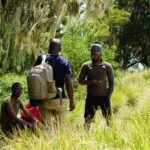
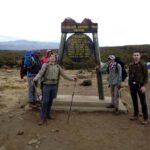
Your adventure begins at the lush, dense rainforests of Kilimanjaro’s western slopes. It’s an environment teeming with life—exotic birds, vibrant butterflies, and towering trees. The trek through this jungle-like zone is relatively gentle, but the crisp air and the canopy’s dappled sunlight instantly set a sense of anticipation. We appreciate how this initial stretch helps acclimate travelers, giving your body a chance to warm up before the more demanding sections.
Ascending to the Shira Plateau: A High-Altitude Moorland
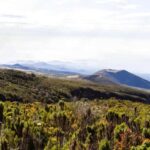
By day 2, the scenery shifts dramatically as you ascend onto the Shira Plateau, a high-altitude, volcanic landscape dotted with lava towers and craters. The view here is spectacular, with rolling hills and snow-capped peaks framing the horizon. The route’s gradual climb allows your body to adapt, which is crucial for avoiding altitude sickness. You might spot shy antelope or elusive rock hyraxes—a reminder that this is a still-active wildlife corridor.
Geology and Lunar Landscapes: A Geological Wonder
One of the route’s highlights is crossing the Shira Calderea, a collapsed volcanic caldera that resembles a moonscape. It’s a fascinating terrain where volcanic forces have shaped the land in ways that almost seem extraterrestrial. Walking through this dramatic landscape offers both a physical and mental reward—an opportunity to reflect on the earth’s fiery past while marveling at the terrain.
More Great Tours NearbyThe Semi-Desert and Barranco Wall: Testing Your Resilience
Days 3 and 4 take you through semi-desert regions, where the terrain is rocky, sparse, and challenging. The Barranco Wall is a notable feature—an almost-vertical cliff that adds a dash of adventure to the hike. Climbing it requires some effort, but the payoff is incredible views from the top. It’s a perfect example of the route balancing physical challenge with scenic reward.
Proper Acclimatization at Barranco Camp
Arriving at Barranco Camp, you’re in a boulder-strewn landscape that fosters acclimatization. Here, many guides recommend a short hike to further prepare for the summit push. You’ll find this an essential step—covering altitude gradually helps prevent altitude sickness, which is a real threat on Kilimanjaro.
Approaching the Summit: Karanga Camp and Beyond
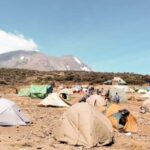
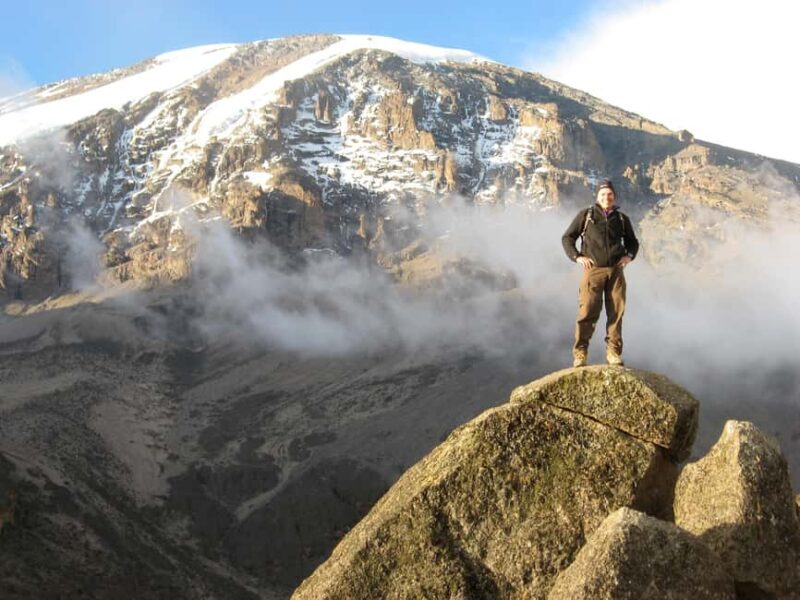
On day 5, you reach Karanga Camp, a high-altitude plateau with stunning views of Kibo, Kilimanjaro’s volcanic cone. The thin air here is a reminder that you’re close to the top. The pace remains steady, allowing your body to adjust further before the final ascent.
The Summit Night: A Test of Will and Endurance
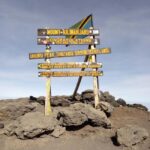
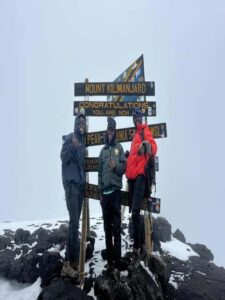
The climax comes in the pre-dawn hours of the final day—departing Barafu Camp under darkness, tackling scree slopes, and navigating icy patches. It’s a long, demanding climb, with many hikers describing it as both physically exhausting and emotionally exhilarating. The ascent to Uhuru Peak involves a mix of steep inclines, loose rock, and low temperatures. The support from experienced guides and the safety equipment—like oxygen and blood oxygen monitors—are invaluable here.
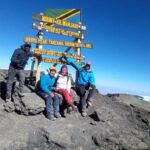
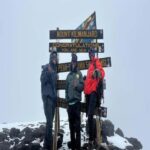
Reaching the summit just as the sun rises is a moment filled with triumph. Looking out over the clouds and witnessing an African sunrise from the “Roof of Africa” is unforgettable. It’s a reminder that perseverance pays off.
Descent and Final Day: Scenic and Rewarding
The descent through the Mweka Camp zone reveals more diverse vegetation, as your body begins to recover from the altitude and exertion. The lush lower slopes are a stark contrast to the barren upper reaches. The final walk to the Mweka Gate marks the end of your physical challenge but leaves you with a sense of achievement that lasts long after.
The value of this adventure
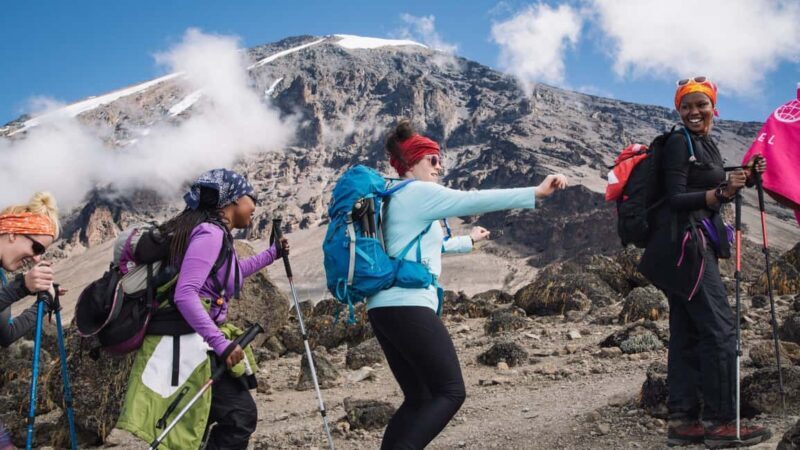
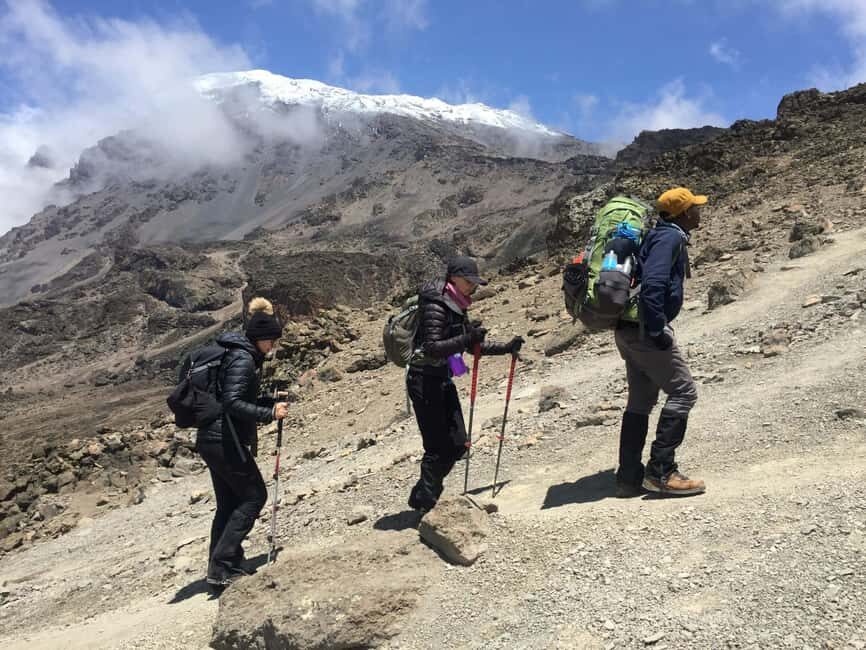
For $1,990, the package includes not only the climb but also a comprehensive safety and comfort setup. The experienced guides, high-quality gear, meals, and porter support mean you won’t have to worry about the logistics—just focus on your journey. The inclusion of rescue fees, oxygen, and medical supplies underscores the professionalism of Kili Peak, which is crucial for such a demanding climb.
The route’s emphasis on gradual altitude gain makes it better suited for those concerned about altitude sickness. Plus, the less crowded trails of the Lemosho Route offer a more peaceful, contemplative experience—perfect for travelers who want a mix of adventure and solitude.
What’s not included?
Travelers should budget for international flights, visas, insurance, gear, and personal expenses. Some might find the overall price comparable to other Kilimanjaro climbs, but the added safety, comfort, and scenic variety make it a worthwhile investment.
Who is this trek best for?
This climb suits active travelers who appreciate scenic diversity and want a less crowded route. It’s ideal for those who value safety and comfort but are also eager for a challenge. The route’s gradual ascent and professional support make it a good choice for first-timers with a good fitness level who want to maximize their chances of reaching the summit.
If you’re looking for an authentic adventure with a focus on nature and geology, this is a strong contender. But if your priority is budget or a quick, less demanding experience, other routes might suit better.
Final thoughts
The 7-day Lemosho Route provides a comprehensive, scenic, and well-supported way to reach the top of Africa. You’ll traverse a stunning variety of landscapes—rainforests, volcanic craters, semi-desert, and alpine zones—each offering its own unique perspective on this majestic mountain. The route’s emphasis on gradual acclimatization means you’ll have a better shot at summit success, and the included safety measures offer peace of mind in this challenging environment.
While the cost might seem high, the focus on quality gear, experienced guides, and safety equipment makes it a worthwhile investment for serious trekkers. It’s particularly well-suited for those who want a more remote and scenic route with fewer crowds and more authentic encounters with the mountain’s diverse habitats.
In all, this trek is a fitting choice for adventurers seeking a challenging, scenic, and safe Kilimanjaro experience—one that stays with you long after you’ve returned home.
Climbing Mt.Kilimanjaro via Lemosho Route 7 days
FAQ
What is included in the tour price?
The $1,990 package covers professional guides, park fees, rescue fees, meals, high-quality tents, toilets, water, oxygen, medical supplies, and porter support.
Are airport transfers included?
Yes, your transfers in Arusha are included, making the start and end of your trip seamless.
What about safety measures?
Safety is prioritized with oxygen support, blood oxygen monitors, and rescue fees included, along with experienced guides.
Is this route suitable for beginners?
While the route’s gradual ascent helps, some level of physical fitness is recommended. It’s better suited for those with some trekking experience or good fitness levels.
What’s the typical terrain like?
Expect rainforest, volcanic landscapes, semi-desert, and alpine zones. The climb involves walking on rocky, sometimes steep terrain, especially near Barranco Wall.
How physically demanding is the climb?
It’s a challenging trek that requires stamina and acclimatization. The route’s pace is designed to help your body adjust gradually.
What is the atmosphere like on the route?
The trails are quieter than busier routes, offering more solitude and a closer connection to nature—ideal for those seeking peace amid adventure.
Are meals provided?
Yes, nutritious meals are included throughout the trek, prepared by a dedicated cook.
Can I customize this experience?
Some packages might offer options, but this specific tour is structured as a 7-day guided climb with set inclusions.
To sum it up, if you’re after a scenic, well-supported Kilimanjaro climb that emphasizes safety, comfort, and natural beauty, the 7-day Lemosho Route is a top choice. It’s perfect for travelers who want to experience the mountain’s incredible vistas and geological wonders without feeling rushed or crowded. While it’s a pricier option, the quality of support and scenery makes it a worthwhile investment for a once-in-a-lifetime adventure.
You can check availability for your dates here: