Traveling through West Africa offers a vibrant mix of history, culture, and natural beauty, and this 11-day tour from Dakar to Accra promises just that. While we haven’t personally taken this journey, the detailed itinerary and glowing reviews suggest it’s an excellent choice for those eager to explore Senegal and Ghana’s highlights in a manageable, well-organized package.
What we love about this tour? First, the excellent guides—their knowledge and local insights seem to elevate the experience well beyond a checklist of sights. Second, the inclusion of authentic cultural encounters like visiting villages, markets, and historic sites adds depth to the trip.
A potential consideration is the price point—at $6,200 per person, it’s an investment, but many find the comprehensive inclusion of accommodation, flights, and site fees to be good value. This isn’t a quick glance at West Africa; it’s an immersive, well-structured introduction tailored for travelers who appreciate comfort but also want genuine, hands-on experiences.
This tour suits travelers who aren’t just ticking boxes but want to understand the soul of West Africa through its people, history, and landscapes. It’s perfect for those who want a guided, insightful journey with enough flexibility to feel personalized.
- Key Points
- An In-Depth Look at the 11-Day West Africa Journey
- Starting in Dakar: A Gateway to Africa’s Spirit
- Day 2: Goree Island—A Must-Visit UNESCO Site
- Day 3: Pink Lake and Local Villages
- Day 4: Flying to Ghana and Accra’s Highlights
- Day 5-6: Exploring Accra and Local Cultures
- Day 7: Journey to the Eastern Regions—Coffins and Culture
- Day 8: Ashanti Villages and Kente Weaving
- Day 9-10: Slave Forts and Coastline
- Day 11: Nature and Reflection at Kakum National Park
- What the Tour Really Offers
- Who Should Consider This Tour?
- FAQs
- Final Thoughts
- The Best Of Dakar!
- More Tour Reviews in Dakar
Key Points
- Cultural depth: Visits to iconic sites like Goree Island and Cape Coast Castle provide a meaningful look into the region’s past.
- Authentic experiences: Interacting with local communities, salt harvesters, and artisans enriches the journey.
- Well-organized logistics: Private transportation, local guides, and included flights make the trip smooth and hassle-free.
- Balanced itinerary: A mix of historical landmarks, natural wonders, and vibrant city life keeps the experience lively.
- Luxury with purpose: Comfortable accommodations and thoughtful site admissions ensure a memorable yet authentic stay.
- Small group size: With a maximum of 10 travelers, there’s room for personalized attention and flexible exploration.

👉 See our pick of the We Rank Dakar’s 16 Top Tours & Things To Do
An In-Depth Look at the 11-Day West Africa Journey
You can also read our reviews of more tours and experiences in Dakar.


Starting in Dakar: A Gateway to Africa’s Spirit
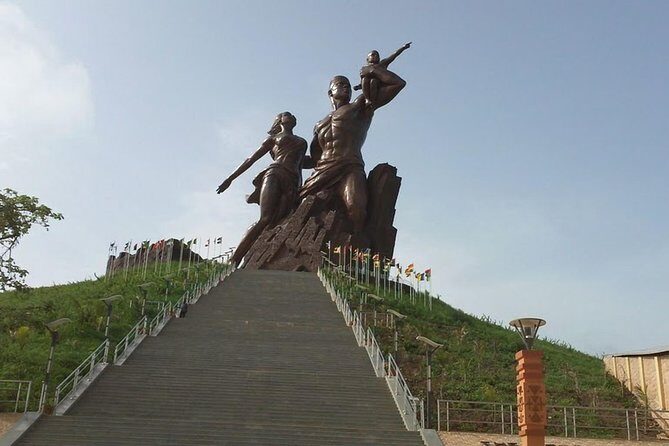
The tour begins in Dakar, Senegal’s energetic capital. Upon arrival, you’ll be greeted and transferred to your hotel— a smooth start that sets the tone for the journey ahead. The first full day offers a city tour featuring the Monument de la Renaissance Africaine, a striking landmark standing 164 feet tall, symbolizing African hope and resilience. We loved the way the guide explained how the monument’s controversial past led to its current popular status among locals, emphasizing the importance of understanding history’s layers.
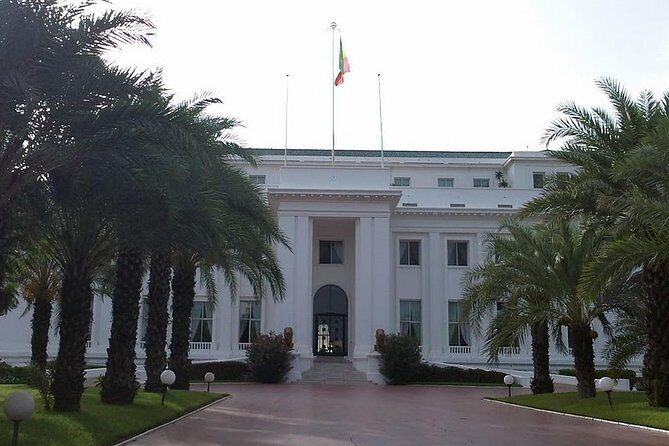
You’ll also pass through Independence Place and are likely to appreciate the mix of modern and colonial architecture. The tour’s focus on local symbols and history helps travelers gain context that makes subsequent visits more meaningful.
Day 2: Goree Island—A Must-Visit UNESCO Site
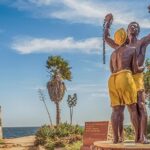
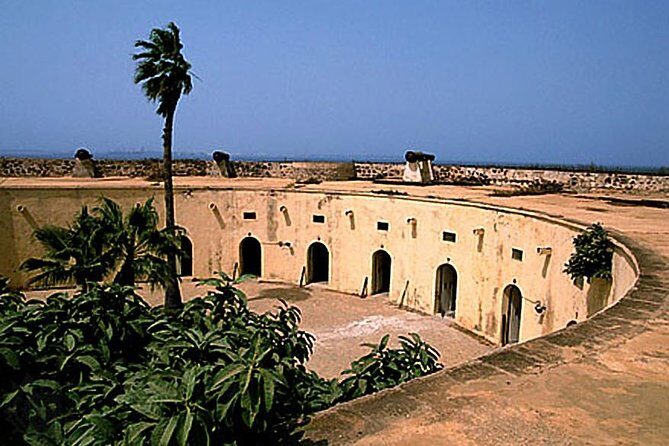
The boat ride to Goree Island is just 20 minutes, but the impact of this UNESCO World Heritage Site lasts a lifetime. Walking among pastel-colored colonial buildings and the haunting House of Slaves, you’ll feel a profound connection to the tragic history of the transatlantic slave trade. The Door of No Return remains a powerful symbol, as millions of Africans passed through here on their way to slavery in the Americas.
The ethnographic museum and curator’s lecture provide depth, not just sightseeing, giving you a clearer picture of Goree’s complex past. As one reviewer noted, the tour includes “a visit to the ethnographic museum and a lecture by the curator on the history of Goree,” which helps contextualize what you see.
Day 3: Pink Lake and Local Villages
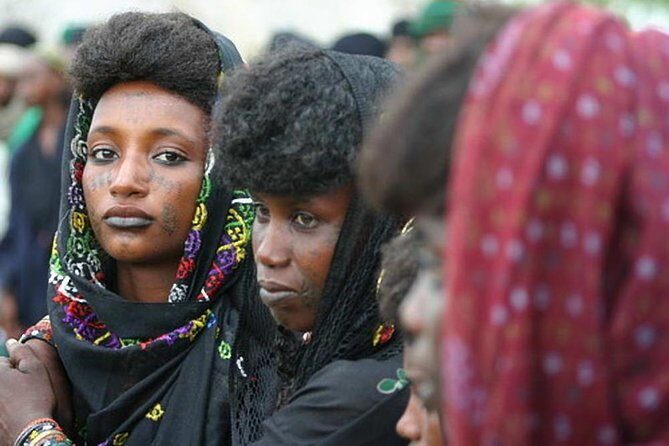
A highlight is the visit to Lake Retba, famously pink due to microorganisms and salt concentrations. The salt harvesters—women working diligently—show the real-life livelihood connected to this natural wonder. Visiting Fulani villages and Bambilor, known as “Tortoise Village,” offers interactions with local communities, revealing their traditional lifestyles.
The salt lake’s visual spectacle is complemented by cultural insights, making this stop both scenic and educational. The tour notes that the salt harvest is a community activity, offering a glimpse into local economy and tradition.
Day 4: Flying to Ghana and Accra’s Highlights
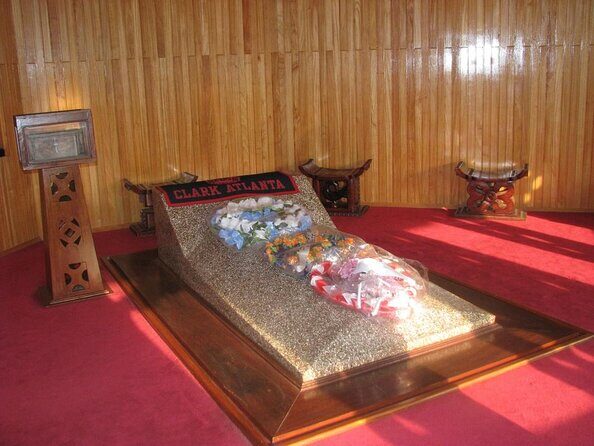
After a morning at leisure, the group flies to Ghana’s capital, Accra. The city blends modern skyscrapers with colonial relics and bustling markets. The W.E.B. Du Bois Centre stands out as a tribute to Ghana’s role in Pan-African history, honoring a man who chose to live here after fleeing racism in the U.S.
The visit to Independence Square and the Kwame Nkrumah Memorial Park encapsulates Ghana’s independence story. Reviews praise the guides’ expertise—”their knowledge and professionalism were outstanding,” one reviewer states—adding depth to the sightseeing.

Day 5-6: Exploring Accra and Local Cultures
Beyond the monuments, the tour ventures into the James Town Fishing Community, giving insight into local livelihoods. The city’s vibrant street life, markets, and historic neighborhoods provide a layered understanding of Ghana’s bustling capital.
Day 7: Journey to the Eastern Regions—Coffins and Culture
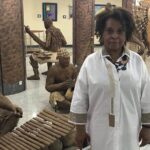
The trip takes you eastward, stopping at the Teshie Fancy Coffin Shop, where artisans craft uniquely designed caskets reflecting local beliefs and artistry. The intricate craftsmanship and symbolism make these coffins a fascinating aspect of Ghanaian culture. As a traveler noted, seeing the “Palankin-shaped coffins for chiefs” is a vivid reminder of the cultural richness in Ghana’s traditions.
Day 8: Ashanti Villages and Kente Weaving
Driving through the lush countryside, you’ll visit Adanwomase, a village known for Kente cloth weaving. Watching artisans at work, with patterns that carry meaning and history, adds a tangible connection to Ghanaian heritage. The guide’s explanation of the symbolism behind patterns enriches the experience, and many reviews mention the guides’ expertise as a real highlight.
Day 9-10: Slave Forts and Coastline
A visit to Assin Manso and the Slave River shows the region’s tragic history, reuniting travelers with the stories of ancestors. The Cape Coast and Elmina castles are sobering visits, with detailed dungeons and the infamous Door of No Return. One reviewer described the experience as “an emotional journey,” highlighting its impact.
Day 11: Nature and Reflection at Kakum National Park
The tour concludes with a walk in Kakum National Park, home to the only aerial canopy walkway in Africa. Suspended high above the forest floor, the walk offers a different perspective on the region’s biodiversity, with chances to see monkeys, forest elephants, and colorful birds. Visiting Abandze Town on the way back adds a cultural touch to the natural beauty.
What the Tour Really Offers
This journey is designed to balance comprehensive sightseeing with authentic local engagement. The private transportation combined with experienced guides ensures you’re not just a passive observer but someone who learns and interacts along the way.
The admission fees and site entries are included, streamlining your experience and removing hassle. The hotel accommodations are described as comfortable, and the included breakfasts help start your days energized for the adventures ahead.
Beyond the sights, the tour’s strength lies in the local guides’ knowledge. As one reviewer praised, “Their expertise, knowledge, and professionalism were outstanding.” This depth makes the experience resonate longer after your return home.
The cost of $6,200 per person reflects a high-value package—covering flights from Senegal to Ghana, all major site visits, accommodations, and transportation. While it’s certainly an investment, many travelers find it justifies itself through the convenience, inclusivity, and enriching experiences.
Who Should Consider This Tour?
This trip is best suited for travelers who want a guided, all-in-one introduction to West Africa, with a focus on history, culture, and natural beauty. It’s ideal for those who appreciate a small group setting for more personalized attention, and for travelers willing to invest in a comprehensive experience.
If you’re interested in history and culture, enjoy interacting with local communities, and prefer organized logistics that reduce planning stress, this tour could be a great fit. It’s also suitable for those with some travel experience, as the itinerary covers diverse environments—from busy cities to remote villages and natural parks.
FAQs
Is this tour suitable for solo travelers?
Yes, especially since the tour has a maximum of 10 travelers, which fosters a friendly atmosphere. Solo travelers will find it easy to connect with others, and the organized structure makes for a safe, hassle-free trip.
Are flights between Senegal and Ghana included?
Yes, the tour price covers the flight from Dakar to Accra. This saves travelers the headache of booking separate flights and ensures smooth transitions between countries.
What type of accommodation is provided?
The package includes hotel stays with breakfast each morning. Though specific hotel brands aren’t listed, reviews suggest they are comfortable and well-located for sightseeing.
How much free time is there during the trip?
Aside from scheduled site visits, there’s some leisure time, such as the morning before flying to Ghana. The itinerary balances guided tours with opportunities to explore on your own.
Is transportation comfortable and reliable?
Yes, private vehicle transportation is included, and drivers are described as skillful. The small group size facilitates a relaxed pace, reducing the stress of long bus rides.
Are the site visits accessible for all travelers?
Most sites are accessible with some walking involved. The itinerary includes visits to historic castles, villages, and parks, which might require moderate walking or standing.
What’s the best time to take this tour?
While not specified, West Africa’s dry season from November to March typically offers the best weather for exploring, but always check local climate patterns closer to your planned dates.
Discover Senegal and Ghana, 11 Days
Final Thoughts
This 11-day tour offers a thorough, well-rounded introduction to West Africa’s most compelling sights and stories. From the poignant history of Goree Island and Cape Coast to the vibrant cultures of Accra and the Ashanti villages, travelers get a balanced mix of education, immersion, and natural beauty.
The guides’ expertise seems to be a standout feature, transforming sightseeing into meaningful learning. The inclusion of authentic experiences like salt harvesting, traditional weaving, and community visits means you’ll leave not just with photos but with a deeper understanding of the region’s soul.
While the price tag may seem steep, the all-inclusive nature—flights, accommodations, site entries—makes it a worry-free, enriching journey. It’s a perfect choice for travelers who want a guided adventure that feels both authentic and comfortable.
If you’re curious about West Africa’s rich history, diverse cultures, and stunning landscapes, this tour offers a comprehensive yet accessible way to experience its essence. It’s ideal for those who value expert-guided storytelling, cultural engagement, and a thoughtfully curated itinerary.