If you’re planning a trip to Senegal, a visit to Goree Island is almost unavoidable—and for good reason. This small island off Dakar’s coast packs an emotional punch and offers a deep look into a chapter of history that shaped the Atlantic world. We’ve reviewed a well-regarded tour that takes you through the key sites, bringing the island’s stories to life with knowledgeable guides, stunning views, and meaningful monuments.
What we love most about this experience is how it balances education with reflection and offers authentic insights into the slave trade and the resilience of Senegalese culture.
Plus, the tour includes visits to notable landmarks like the House of Slaves, the Statue of Liberation from Slavery, and other historic sites, all at a price that represents good value. However, one thing to consider is that some sites might be closed on certain days, so planning ahead is wise.
This tour is perfect for travelers who want to understand the gravity of Goree’s history without sacrificing comfort or depth. It suits history buffs, culture seekers, and those looking for an emotionally impactful experience that’s both educational and respectful.
This experience made our article of We Rank Dakar’s 16 Top Tours & Things To Do.
- Key Points
- What to Expect on the Goree Island Tour
- Discovering Goree’s History
- The House of Slaves
- Religious and Military Sites
- Symbols of Liberation
- The Overall Experience
- Transportation, Timing, and Value
- What’s Included
- What to Bring
- Authenticity and Guides
- Food and Local Culture
- Practical Tips for Travelers
- Who Will Love This Tour?
- The Sum Up
- FAQ
- The Best Of Dakar!
- More Historical Tours in Dakar
- More Tour Reviews in Dakar
Key Points
- Authentic storytelling and knowledgeable guides enhance the emotional impact of the tour.
- Visiting historic sites like the House of Slaves and the Statue of Liberation** offers profound insight into Senegal’s past.
- The early start helps avoid crowds and enhances the experience.
- The tour includes local food tasting, enriching the cultural journey.
- Flexible booking options and cancellation policies make planning easier.
- The tour offers stunning views and a chance to explore Dakar’s surroundings.

👉 See our pick of the We Rank Dakar’s 16 Top Tours & Things To Do
What to Expect on the Goree Island Tour
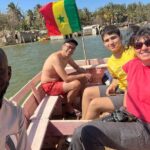
We found that this tour provides a thoughtful and comprehensive look at Goree Island’s layered history. The experience begins with a hotel pickup and drop-off, making logistics smooth and hassle-free. Once you arrive at the ferry terminal, you’ll board a boat that whisks you across the Atlantic to this historically charged island.
You can also read our reviews of more historical tours in Dakar

Discovering Goree’s History
The tour kicks off with an introduction to the island, explaining its role as a bustling port during colonial times and its central place in the transatlantic slave trade. Our guides do a great job of contextualizing Goree’s significance—not just as a tragic site, but as a symbol of resilience.
The House of Slaves
The House of Slaves is the tour’s centerpiece and undoubtedly the most resonant site. It’s a museum with somber exhibits and dark cells meant to evoke the suffering endured by countless Africans. We appreciated that guides shared not only the facts but also the emotional weight of this place, making it a moving experience.
A reviewer noted, “The House of Slaves is a poignant museum that recalls the dark history of the transatlantic slave trade. Explore its dark cells and moving exhibits.” Be prepared for an emotionally intense visit—this site is a stark reminder of history’s cruelty, and it’s important to approach it with respect.
Religious and Military Sites
Next, you’ll visit the Saint Charles Church, built around 1830. Its architecture is charming, and it offers a peaceful contrast to the House of Slaves. The Goree Mosque, constructed in 1860, highlights the island’s religious harmony and tight-knit community. Both sites offer insight into the spiritual lives of residents—something many visitors find surprisingly warm and welcoming.
The Old military fort, Le Castel, offers panoramic views of the Atlantic and the island’s defenses. Its imposing walls and strategic position make it a highlight for history buffs and photographers alike. Several reviews mention the “stunning views” and “imposing architecture” as memorable parts of the visit.
Symbols of Liberation
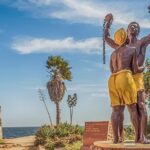
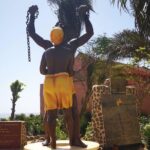
Finally, the tour culminates with a stop at the Statue of Liberation from Slavery. Erected in 2007, this modern sculpture embodies hope and resilience. It’s a striking contrast to the dark history explored earlier, symbolizing Senegal’s progress and ongoing journey toward freedom.




The Overall Experience
The entire tour lasts about half a day and includes ferry rides, guided visits, and food tasting—a perfect combination of history, culture, and taste. Many reviewers appreciated the early start, which helped them sidestep the crowds and enjoy a more contemplative experience. As one said, “Even with a full ferry going over with us, we almost always had where ever we were all to ourselves, which made it more relaxing and enjoyable.”
Transportation, Timing, and Value
The tour includes hotel pickup and drop-off, which means you don’t have to worry about transportation logistics. The ferry ride is quick and offers scenic views that set the tone for the historic journey ahead. The price of $140 per person is reasonable given the depth of sites visited, the guided commentary, and the food tasting included.
Timing-wise, an early departure (recommended in reviews) helps avoid crowded sites and long lines. Guides are praised for their flexibility, adjusting plans when sites like the House of Slaves are closed on certain days, which shows their commitment to providing a meaningful experience.
What’s Included
- Guided visits to all major sites
- Entry ticket to the House of Slaves
- Food tasting (local dishes, adding flavor to the culture)
- Pickup and drop-off from your hotel
What to Bring
A passport or ID card is essential for the ferry crossing and to facilitate smooth entry to sites. Comfortable walking shoes, water, and respectful attire (especially for religious sites) are recommended.
Authenticity and Guides
One of the most praised aspects of this tour is the guides’ knowledge and storytelling skills. Multiple reviewers highlighted their guides’ ability to share complex, often painful history with sensitivity and depth. Several mentioned guides like Ousmane as being “phenomenal,” “informative,” and “compassionate,” making the experience not just educational but also emotionally resonant.
As one reviewer shared, “Ousmane’s storytelling was not only informative but soulful, blending history, cultural pride, and a message of resilience that truly touched me.” That kind of connection makes the tour stand out from merely ticking off historic sites.
Food and Local Culture
The included food tasting offers a taste of local cuisine, often with a focus on fresh, authentic Senegalese dishes. Many travelers enjoyed sharing a meal after the tour, which further enriches the cultural experience. Some reviews mentioned delicious seafood options, like shrimp and fish, served in local cafes—highlighting the culinary side of Senegal’s vibrant culture.
Practical Tips for Travelers
- Book early and consider the “pay later” option to lock in your spot and avoid last-minute stress.
- Aim for the earliest ferry to beat the crowds, as recommended by experienced travelers.
- Bring your passport or ID, especially for ferry crossings.
- Be prepared for an emotional experience—this tour doesn’t shy away from the somber aspects of Goree’s history.
- Dress modestly when visiting religious sites.
- Allocate about half a day for this tour, including travel time, so plan your day accordingly.
Who Will Love This Tour?
This experience is ideal for those with a curiosity about history, especially the transatlantic slave trade, or anyone interested in cultural and political resilience. It’s suitable for respectful travelers who want an authentic, meaningful encounter rather than just sightseeing. Families, history enthusiasts, and those seeking a deeper understanding of Senegal’s past will find this tour particularly rewarding.
The Sum Up
A visit to Goree Island with this guided tour offers a profound glimpse into Senegal’s history of suffering and resilience. The combination of emotional sites, expert guides, and culture makes it a valuable addition to any trip to Dakar. It’s educational, respectful, and impactful—an experience that leaves a lasting impression.
While it’s not a lighthearted day out, the stories and sights you’ll see are worth every moment. This tour strikes a rare balance between somber reflection and hope, perfectly suited for travelers who want to understand the full story behind Senegal’s identity. Expect to leave with a deeper respect for the resilience of its people and a clearer perspective on the history that shaped the Atlantic world.
Goree Island: discover Senegalese history and culture
FAQ
Is transportation included? Yes, the tour includes hotel pickup and drop-off, plus ferry rides to and from Goree Island.
How long does the tour last? Expect about half a day, covering ferry crossings, site visits, and a meal.
What sites are visited? Major highlights include the House of Slaves, Saint Charles Church, Le Castel, the Mosque, and the Statue of Liberation from Slavery.
Is the tour suitable for all ages? It generally is, but be prepared for emotionally intense content—ideal for respectful, mature travelers.
Can I cancel the tour? Yes, you can cancel up to 24 hours in advance for a full refund.
What should I bring? Bring your passport or ID, comfortable shoes, water, and respectful clothing, especially for religious sites.
Are guides multilingual? Guides can speak both French and English, making the tour accessible for many travelers.
What about site closures? The guides are flexible; if some sites like the House of Slaves are closed, they will suggest alternative meaningful stops.
Is food included? Yes, a local food tasting is part of the experience, offering a delicious cultural taste.
What makes this tour stand out? The combination of expert storytelling, emotional depth, well-chosen sites, and the chance to reflect on difficult history in a respectful setting.
You can check availability for your dates here: