Planning a trek to the world’s highest mountain is no small feat. The Everest Base Camp (EBC) Trek offers intrepid travelers a chance to witness the mighty Everest from its foot, surrounded by towering peaks, ancient monasteries, and Sherpa hospitality. This 12-day guided experience from Adventure Glacier Treks and Expeditions promises a balance of adventure, culture, and stunning scenery.
While the price tag of $838 per person might seem modest for such a grand adventure, it’s worth unpacking what that gets you—and what it doesn’t.
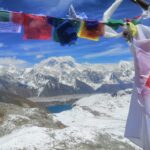
We’re impressed by how this trek combines affordable pricing with authentic experiences, making it attractive for budget-conscious travelers eager to see Everest’s grandeur. Two aspects we love: the opportunity to see Everest from Kala Patthar (a favorite spot for panoramic views) and the chance to walk through remote Sherpa villages.
On the flip side, a potential consideration is that lodging during the trek is basic, which may not suit those expecting luxury or comfort.
This trip seems best suited for adventurers who value genuine Himalayan encounters over plush accommodations or a highly luxurious experience.
- Key Points
- What Makes This Trek Stand Out
- The Itinerary in Detail
- Day 1: Arrival and Transfer to Lukla
- Days 2-3: Trek to Namche Bazaar
- Day 4: Rest Day in Namche Bazaar
- Days 5-6: Trek to Dingboche
- Days 7: Rest Day in Dingboche
- Days 8-9: Trek to Lobuche and Gorak Shep
- Day 10: Climb to Kala Patthar and Trek to Everest Base Camp
- Days 11-12: Return Journey
- What to Expect Along the Way
- Views and Cultural Encounters
- Physical Demands and Support
- Analyzing the Cost and Value
- Who Is This Trek Best For?
- Final Thoughts
- FAQ
- More Hiking & Trekking Tours in Namche Bazar
- More Guided Tours in Namche Bazar
- More Tour Reviews in Namche Bazar
Key Points
 1 / 8
1 / 8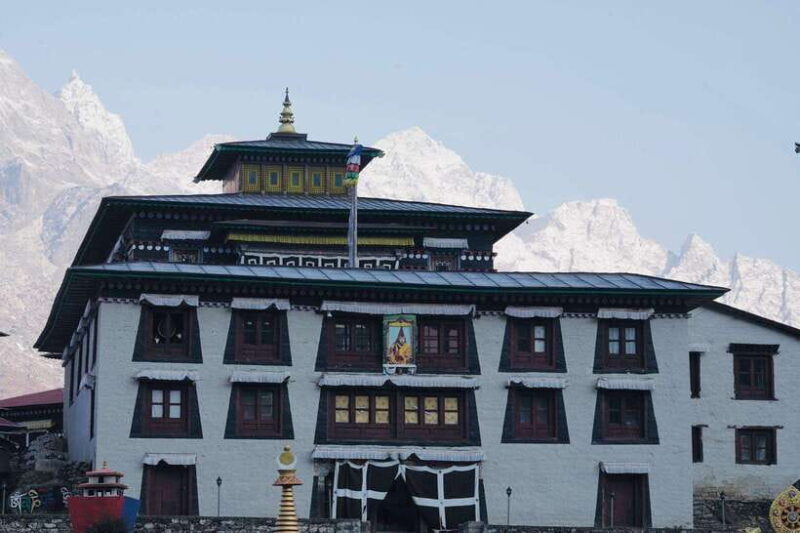 2 / 8
2 / 8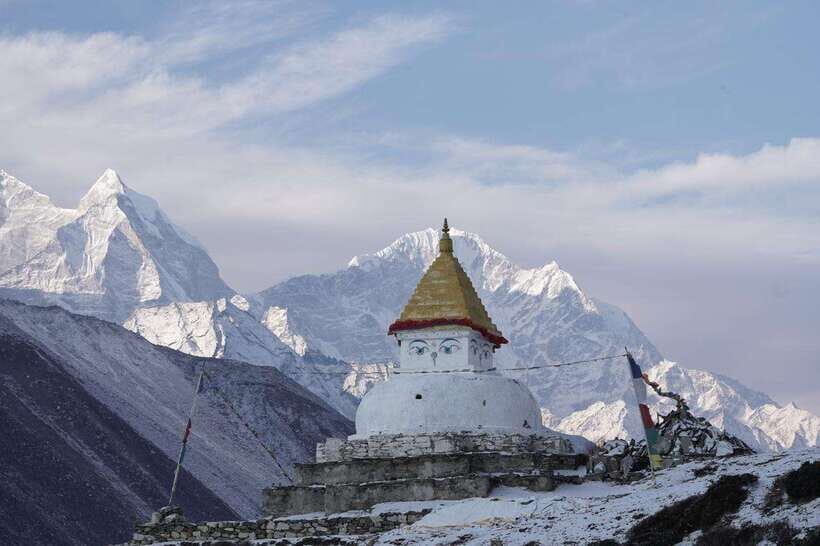 3 / 8
3 / 8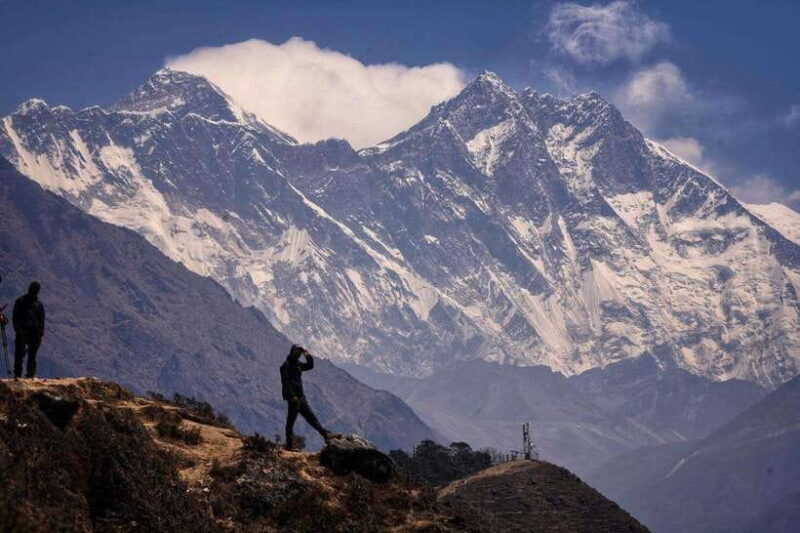 4 / 8
4 / 8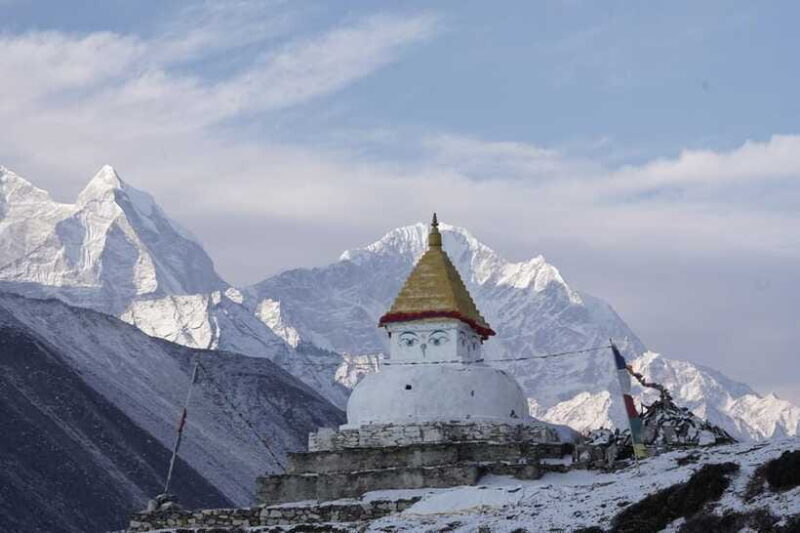 5 / 8
5 / 8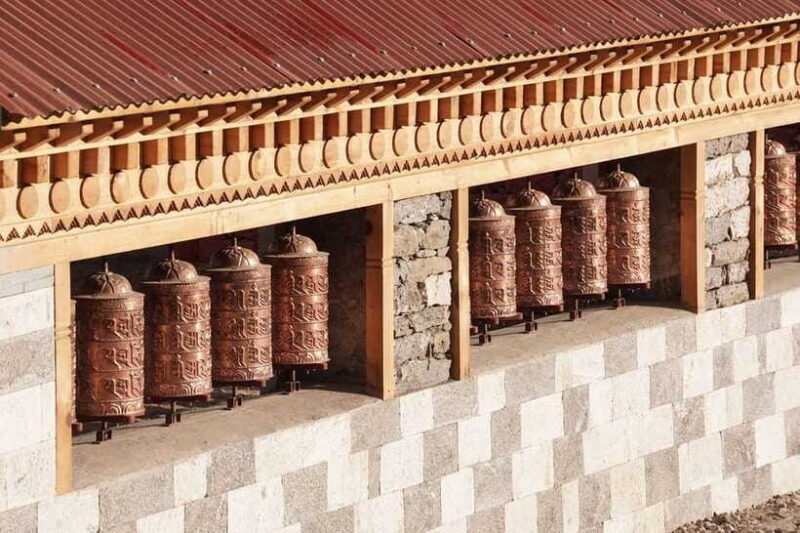 6 / 8
6 / 8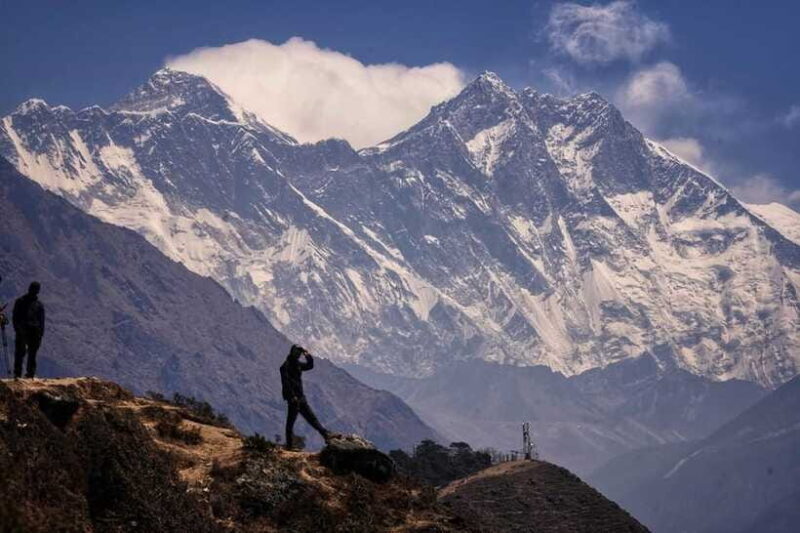 7 / 8
7 / 8 8 / 8
8 / 8- Stunning Himalayan vistas and close-up views of Everest make this trek worthwhile.
- The Sherpa culture and villages add an authentic touch to your journey.
- The itinerary includes acclimatization days to help prevent altitude sickness.
- Expect basic but comfortable lodge accommodations along the route.
- The price is competitive, with almost everything included, making it a good value.
- The trek is suitable for those prepared for physical exertion and altitude challenges.
What Makes This Trek Stand Out
Our review of this Everest Base Camp trekking experience centers on its balance of value, adventure, and cultural richness. For many, the allure of standing at the foot of Everest is enough to justify the physical effort involved. This trek’s itinerary is carefully designed to maximize the experience without rushing, including important rest days for acclimatization—a crucial aspect when dealing with high elevations.
This journey is a solid choice for travelers who want to experience Nepal’s Himalayas without breaking the bank. At $838, the price covers most essentials including permits, transportation, guides, porters, and meals. That’s a good deal considering what’s included. Budget travelers especially will appreciate that the package encompasses airport transfers, local transportation, and lodging at basic but comfortable lodges.
However, it’s important to remember that the trek involves rough terrain and basic accommodations, which might not appeal to everyone. Also, flight costs to Lukla, the starting point, are not included, so keep that in mind when budgeting.
You can also read our reviews of more guided tours in Namche Bazar
The Itinerary in Detail
Day 1: Arrival and Transfer to Lukla
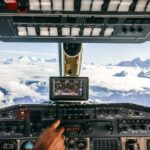
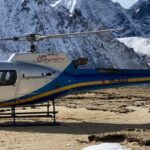
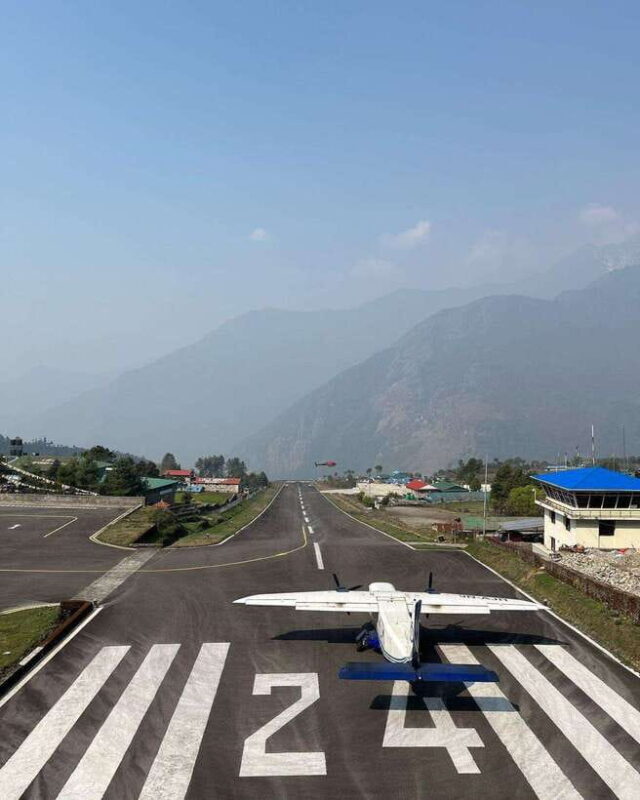
Most treks start with a flight from Kathmandu to Lukla, a tiny airstrip perched at 2,860 meters (9,383 feet). The small plane ride offers spectacular views of Himalayan peaks, and it’s often the most exciting part of the journey. After landing, you begin your trek along the Dudh Koshi river valley, heading toward Phakding. Expect a gentle start, giving your body time to adjust and enjoy your first glimpses of mountain scenery.
Days 2-3: Trek to Namche Bazaar
Climbing from Phakding, you’ll walk through lush forests and traditional villages, gradually ascending to Namche Bazaar, the Sherpa capital at 3,440 meters (11,290 feet). This is the heart of Everest trekking, a bustling hub with shops, markets, and plenty of opportunities to soak in Sherpa culture. The two-day trek here allows for proper acclimatization, a vital step to prevent altitude sickness.
More Great Tours NearbyDay 4: Rest Day in Namche Bazaar
This rest day is more than just a break; it’s an essential part of the journey. Many travelers choose to hike to nearby viewpoints or visit local monasteries. According to reviews, the views of Everest and other giants like Lhotse and Ama Dablam are breathtaking from here.
You can also read our reviews of more hiking tours in Namche Bazar
Days 5-6: Trek to Dingboche
From Namche, you head toward Dingboche, at 4,260 meters (13,980 feet). The trail continues through pine forests and traditional Sherpa dwellings. Dingboche, often called the “potato capital,” offers stunning mountain views and a chance to continue acclimatizing.
Days 7: Rest Day in Dingboche
Another rest day helps your body adapt to the increasing altitude. You might find that your energy improves, and your chances of avoiding altitude sickness increase. The scenery here, particularly at sunset over mountains like Pumori and Nuptse, is memorable.
Days 8-9: Trek to Lobuche and Gorak Shep
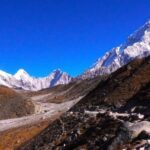
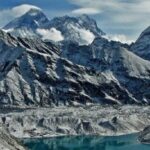
As you ascend to Lobuche (4,940 meters), the terrain becomes more rugged and arid. The trail offers striking views of Everest’s glaciers. Staying overnight at Gorak Shep prepares you for the next day’s big climb.
Day 10: Climb to Kala Patthar and Trek to Everest Base Camp
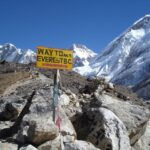
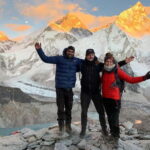
This is the highlight for many: an early morning climb up Kala Patthar (5,545 meters) for close-up views of Everest. It’s a challenging but rewarding trek, often praised for its breathtaking vistas. After soaking in the panorama, you’ll trek down to Everest Base Camp—an iconic spot where mountaineers gather to begin their summit push.
Days 11-12: Return Journey
Descending back through Lobuche, Dingboche, and Namche, you’ll retrace your steps, with plenty of chances to reflect on the journey. The trip wraps up with a flight back to Kathmandu, leaving you with memories of towering peaks and Sherpa warmth.
What to Expect Along the Way
This trek offers a mix of spectacular mountain views, culture, and physical challenge. Expect basic lodge accommodations—simple, clean, and functional, but not luxurious. The meals, usually consisting of local staples like dal bhat (lentil soup and rice), are filling and hearty, crucial for energy.
Altitude acclimatization is built into the itinerary, which we consider essential. The included rest days at Namche and Dingboche allow your body to adjust, reducing the risk of altitude sickness. However, travelers should be prepared for cold mornings and evenings, especially at higher altitudes, and the unpredictable weather that can shift quickly in the Himalayas.
Views and Cultural Encounters
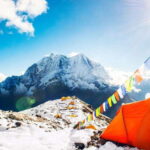
Many reviews highlight how stunning the mountain vistas are—particularly from Kala Patthar and at Everest Base Camp itself. The Sherpa villages introduce you to a culture that has thrived in this harsh environment for generations. Visiting monasteries and local markets offers a window into their traditions and way of life.
Physical Demands and Support
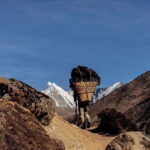
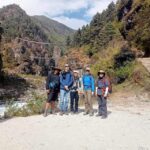
While the trek isn’t technically difficult, the altitude, rugged terrain, and daily elevation gains require good physical fitness. The guides and porters are well-regarded, and their presence makes a significant difference. They carry most of the gear, allowing you to focus on your pace and enjoyment.
The group size is private, which means a more personalized experience—an advantage for those seeking flexibility and tailored attention.
Analyzing the Cost and Value
At $838 per person, the price is quite competitive for a guided Everest trek, especially given that it includes your permits, transportation, accommodation, guides, and meals. Compared to other options that might charge more for similar services, this represents good value. The trip doesn’t include international flights to Kathmandu or the Lukla flight, so those expenses are extra but expected.
The basic lodge accommodations are part of what keeps costs low, but travelers should be aware that comfort levels are modest—expect shared rooms, communal bathrooms, and simple dining areas. For many, this is part of the authentic Himalayan experience, not a luxury resort.
Who Is This Trek Best For?
This journey appeals most to travelers who are fit and eager for a genuine adventure. It’s ideal for those who want to see Everest up close without overspending, and who are comfortable with basic accommodations. Because of the included acclimatization days, it’s suitable for most healthy adults, but not recommended for children under 12, pregnant women, or those with significant health issues related to altitude or mobility.
If you’re someone who appreciates cultural exposure, stunning scenery, and physical challenge, this trek will suit you perfectly. However, if comfort, luxury, or a completely guided, hassle-free experience is a priority, you might want to explore other options.
Final Thoughts
The Everest Base Camp Trek offered by Adventure Glacier Treks and Expeditions is a solid, budget-friendly way to experience some of the Himalayas’ most awe-inspiring scenery. Its carefully planned itinerary, including acclimatization days and visits to Sherpa villages and monasteries, ensures an enriching journey that balances adventure with cultural insight.
Many travelers have praised the spectacular views, especially from Kala Patthar, and the authentic Himalayan atmosphere. The included meals, permits, and logistics make it a hassle-free experience, especially for those comfortable with basic lodge living and rough terrain. It’s a trip that offers genuine value for those prepared to embrace the physical and logistical aspects of high-altitude trekking.
If you’re looking for an affordable, well-organized trek to Everest’s doorstep, with plenty of opportunities for unforgettable vistas and cultural interactions, this guided journey will likely check all your boxes.
Everest Base Camp Trek – 12 Days Guided Trek
FAQ
Is this trek suitable for beginners?
While it’s accessible for most healthy adults, the high altitude and physical demands mean some trekking experience or good fitness is recommended. Rest days are included to help acclimatize.
What is included in the package?
The package covers airport transfers, ground transportation, necessary permits and entrance fees, professional guide and porters, lodges during the trek, and three meals daily.
Are accommodations comfortable?
Expect basic lodge-style accommodations that are functional but not luxurious. They are clean and suitable for the rugged environment, with shared bathrooms and communal dining.
What should I bring?
Pack warm clothing, comfortable shoes, sunglasses, sunblock, a camera, snacks, water bottle, rain gear, and personal items. A sleeping bag and travel insurance are also recommended.
Do I need to worry about altitude sickness?
Altitude sickness is a real concern, but the itinerary’s acclimatization days are designed to minimize risks. Still, travelers should be alert to symptoms and take it slow at higher elevations.
What are the main highlights?
Expect stunning views of Everest from Kala Patthar, visits to Sherpa villages like Namche Bazaar, and the chance to see ancient monasteries. The scenery along the Dudh Koshi valley is equally memorable.
Is the flight from Kathmandu included?
No, the trek price does not include the flight to Lukla; this must be booked separately. The flight offers spectacular mountain views but can be affected by weather.
This guided Everest Base Camp trek is an excellent choice for those seeking authentic Himalayan experiences at a reasonable price. It offers plenty of photo-worthy moments, cultural insights, and a true sense of adventure—perfect for travelers ready to tackle the heights of Nepal.
You can check availability for your dates here: