For many travelers, the idea of standing at the foot of the world’s highest peak is a dream worth pursuing. The Short Everest Base Camp Trek offers a condensed but equally breathtaking route through Nepal’s iconic mountains, perfect for those shorter on time but eager to experience the majesty of the Himalayas.
While it doesn’t take as long as the classic trek, it still promises impressive mountain vistas, Sherpa hospitality, and a sense of accomplishment.
What we really appreciate about this trek is its efficient design—starting with a scenic flight from Kathmandu to Lukla, then weaving through Sherpa valleys and Sagarmatha National Park. Plus, the chance to see Mt. Everest from Kalapatthar makes every step worthwhile.
That said, the shorter duration means some days are physically demanding, especially as you ascend toward Everest Base Camp and Kalapatthar, so proper acclimatization is essential.
This journey suits active travelers, mountain enthusiasts, and those with a limited schedule who still want an authentic taste of high-altitude Nepal.
Key Points
 1 / 8
1 / 8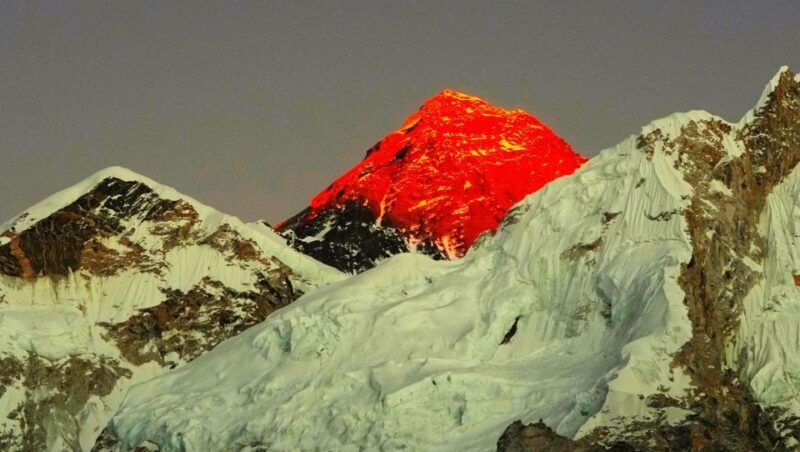 2 / 8
2 / 8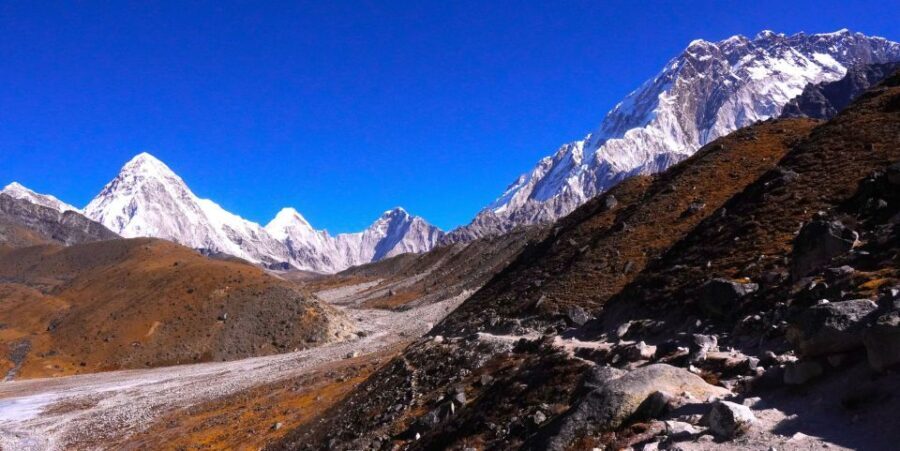 3 / 8
3 / 8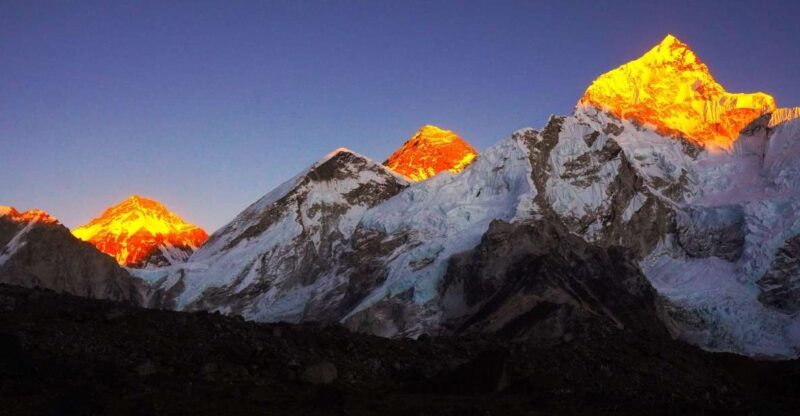 4 / 8
4 / 8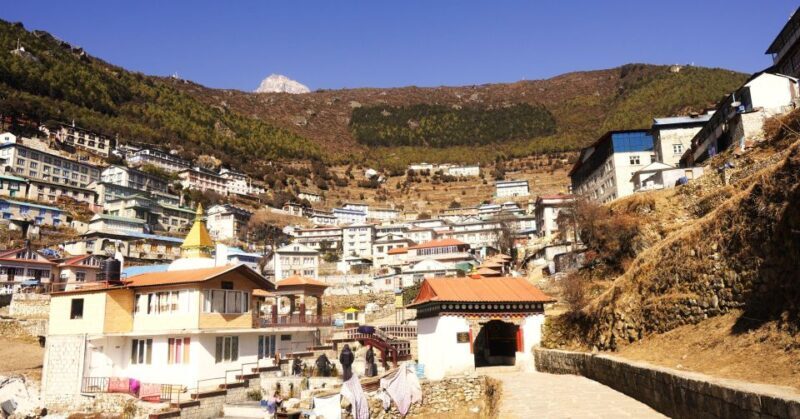 5 / 8
5 / 8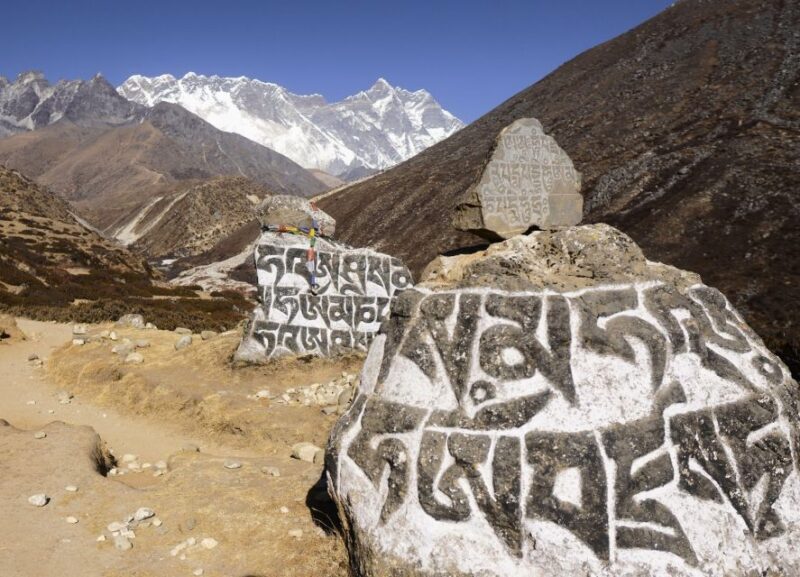 6 / 8
6 / 8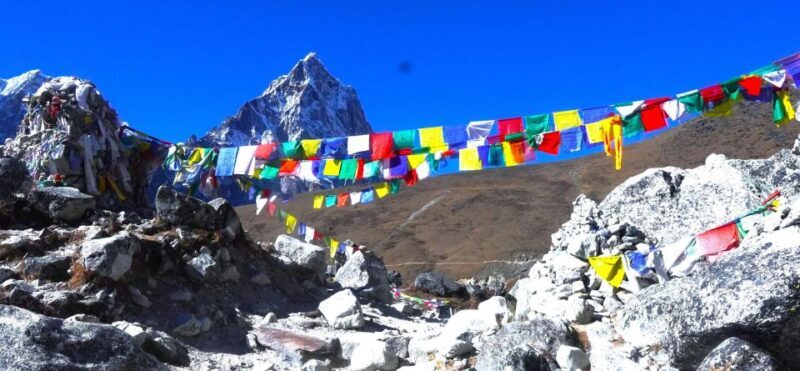 7 / 8
7 / 8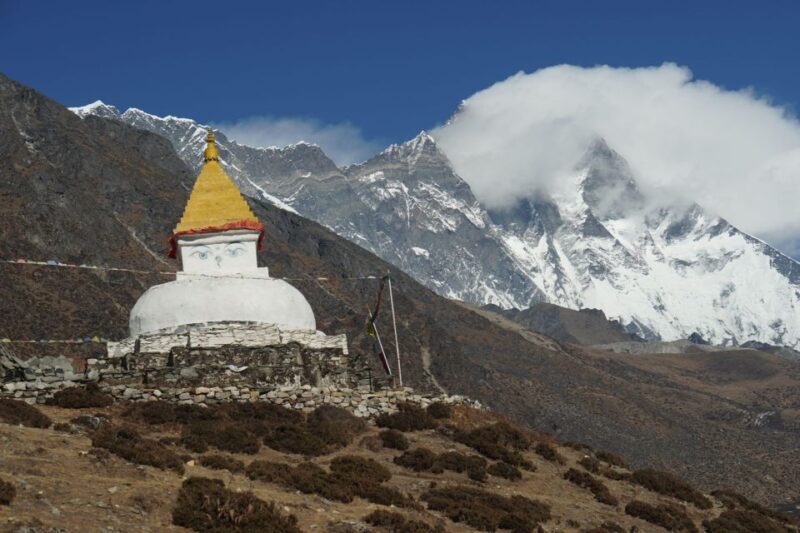 8 / 8
8 / 8- Ideal for Limited Time: An 11-day trek that hits the highlights without the lengthy commitment of the classic route.
- Breathtaking Views: Experience unparalleled Himalayan scenery, including a close-up view of Mt. Everest from Kalapatthar.
- Cultural Encounters: Visit historic monasteries like Tengboche and interact with Sherpa communities.
- All-Inclusive Value: Price at $1,523 covers flights, permits, accommodations, guiding, and gear.
- Proper Acclimatization: The route’s design emphasizes gradual elevation gain, crucial for safety.
- Expert Guides: Knowledgeable, friendly guides enhance the experience and safety.
A Closer Look at the Experience
The journey begins with a short, scenic flight from Kathmandu to Lukla—an adventure in itself. The tiny airport at Lukla is famous for its dramatic landing strip, often sparking a mix of excitement and nerves. From here, the trek kicks off through lush Sherpa valleys, gradually gaining altitude as you weave toward Namche Bazaar, the bustling mountain hub. Here, you’ll get your first taste of Sherpa life and perhaps a hot cup of tea while soaking in the mountain views.
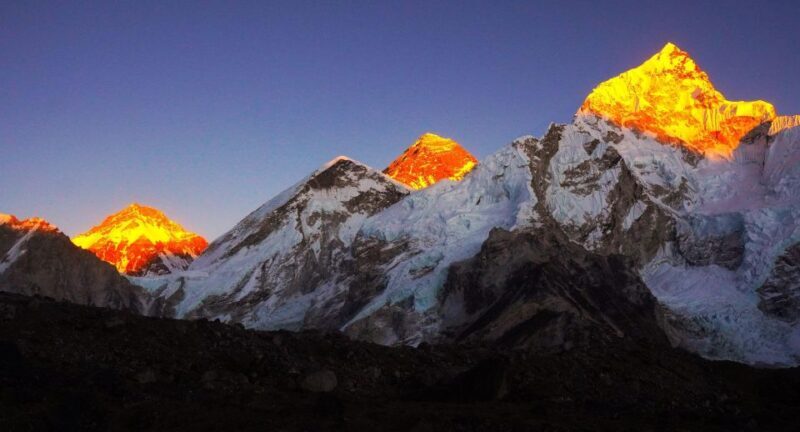
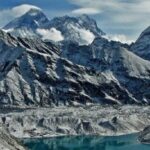
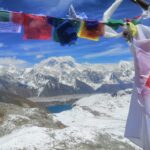
Throughout the trek, you’ll pass through Sagarmatha National Park, a UNESCO World Heritage site, famed for its dramatic landscapes and rich biodiversity. The trail is well-trodden but not crowded, thanks to its shorter route, allowing for a more intimate experience with nature. Expect to see some of the world’s biggest mountains—and yes, Mt. Everest will be visible from Kalapatthar, giving you an up-close glimpse of the mighty summit.
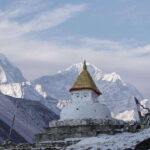
Trekking through Tengboche village is a highlight, mainly due to Tengboche Monastery, the largest and one of the oldest in the region. This peaceful spot offers a glimpse into Sherpa spiritual life, with stunning mountain views framing ancient monasteries. You might find the monks practicing chants, adding a serene soundtrack to your visit.
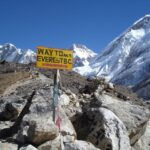
Reaching Everest Base Camp at 5,364 meters is the ultimate goal. The ascent is challenging but manageable with proper pacing and acclimatization days built into the itinerary. Once there, you’ll see the trail of climbers and expeditions, a humbling reminder of Everest’s magnetism. The return journey offers a different perspective and the chance to reflect on your achievement.
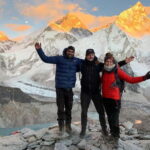
The final highlight is conquering Kalapatthar, a vantage point with sweeping views of Everest, Lhotse, Nuptse, and other Himalayan giants. Standing there, gazing at the “roof of the world,” is an experience many describe as life-changing.
You can also read our reviews of more hiking tours in Namche Bazar
Transportation and Logistics
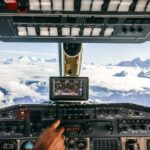
The trek’s transport is straightforward but critical. The journey begins with a round-trip flight between Kathmandu and Lukla, including all departure taxes. This air commute is a highlight and a practical reason many opt for this route: it saves days of overland travel and offers amazing aerial views.
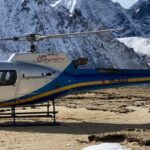
Once in Lukla, your group will be transported in a private vehicle for airport pick-up and drop-off, and all ground transport during the trip is included. The trek itself is stayed in guesthouses with shared rooms, providing a chance to connect with fellow travelers and experience local hospitality.
Gear is thoughtfully included in the package—sleeping bags and down jackets are provided for the trek, which can be refunded after your journey. This means you don’t need to lug bulky gear from home, making the overall experience easier and more comfortable.
The Cost and What’s Included
At $1,523 per person, this all-inclusive package offers good value when you consider what’s covered: accommodations, flights, permits, guide services, and gear. Particularly with the Sagarmatha National Park Permits and TIMS fee included, there are no hidden surprises. The package also features airport transfers and a trekking map plus a certificate of achievement, making it ideal for those wanting a comprehensive experience.
However, extras like personal expenses, beverages, additional nights in Kathmandu, insurance, and optional sightseeing are not included, so budget accordingly. The overall value depends on how much you value the convenience of organized logistics and expert guidance in such a remote environment.
The Guide Experience and Group Size
One of the most praised aspects of this trek is the quality of the guides. According to reviews, guides are “helpful, friendly, and knowledgeable,” which makes a significant difference at high altitudes. They help ensure safety, provide cultural insights, and are generally excellent at creating a supportive atmosphere.
The trek is offered to private groups, which means a more personalized experience. The group size can vary but is tailored to your booking, ensuring you aren’t lost in a crowd. Guides speak multiple languages, including English, French, German, and Hindi, which broadens accessibility.
More Great Tours NearbyWhen to Go and Climate Considerations
The best seasons for this trek are March to May and September to November. During these months, weather conditions tend to be stable, with clear skies ideal for mountain views. Summer monsoon rains are less frequent, and winter brings colder temperatures, especially at higher altitudes. Planning around these seasons will maximize your chances for good weather and enjoyable trekking conditions.
Who Will Love This Trek?
This shorter Everest experience is perfect for active travelers who want a taste of Himalayan grandeur without the weeks-long commitment. Those interested in Sherpa culture and stunning mountain landscapes will find plenty to love. However, since the trek involves significant altitude gain, it’s best suited for those in good physical condition—trekkers should be prepared for some challenging days, especially near Everest Base Camp and Kalapatthar.
Final Thoughts
The Short Everest Base Camp Trek balances breathtaking scenery, culture, and manageable logistics in an 11-day journey. Its well-organized structure, including flights, permits, and gear, offers excellent value for those looking to tick this bucket-list item without a lengthy undertaking. The expertise of guides and the opportunity to stand at the foot of Everest make it a memorable adventure.
While it’s not the longest trek, it still demands respect for the altitude and physical effort. For travelers who want a genuine Himalayan experience with a good level of comfort and convenience, this trek hits the right notes. It’s perfect for adventurers with limited time but big dreams of Everest.
FAQs
Is this trek suitable for beginners?
While the trek is considered manageable, it involves significant altitude gain and physical effort, so some trekking experience or good fitness is recommended.
What is included in the price?
The price covers airport transfers, all ground transport, accommodations, flights between Kathmandu and Lukla, permits, gear, guide services, and a certificate of achievement.
Do I need special gear?
Gear like sleeping bags and down jackets are provided, but you should bring comfortable trekking clothes, sturdy shoes, and layers to stay warm and dry.
Can I customize the start date?
Yes, the trek operates on specific start dates, but availability can vary, so it’s best to check and book in advance.
What’s the best time of year to go?
The best months are March to May and September to November, offering clearer skies and more stable weather.
Are accommodations comfortable?
Guesthouses along the route provide shared rooms with basic amenities, giving an authentic rural experience.
What about altitude sickness?
Proper acclimatization days are built into the itinerary, and guides are trained to monitor signs of altitude sickness.
Is there flexibility to extend or customize the trip?
Extras like additional sightseeing or nights are not included, but you can arrange these separately, often through your guide or local operator.
What about group size?
The trek is offered as a private group, ensuring personalized attention and a more intimate experience.
Short Everest Base Camp Trek
Final Word
For those craving an authentic Himalayan adventure but constrained by time, the Short Everest Base Camp Trek offers a compelling package. It combines the thrill of reaching a world-famous destination with cultural encounters and some of the most stunning mountain views on the planet. Whether you’re a seasoned trekker or a first-timer with a good fitness level, this route provides a balanced, rewarding experience. Just remember, this is a physically demanding journey that rewards those prepared for the altitude—and the breathtaking scenery that comes with it.
You can check availability for your dates here: