If you’re dreaming of standing at the foot of the world’s tallest mountain, the Everest Base Camp trek is the ultimate adventure. While we haven’t personally hiked it, dozens of travelers rave about this 12-day journey, and from what we gather, it’s an experience packed with awe-inspiring scenery, cultural insights, and just the right dose of challenge.
What really stands out is the chance to walk through Sherpa villages and see firsthand the resilience and warmth of the local people, as well as the spectacular mountain vistas—the kind that stay with you long after you return home. We also love the inclusive service, especially the knowledgeable guides and porters, which makes the trek accessible for many.
One thing to consider is the physical demand; walking 5-7 hours daily at high altitude is no small feat. If you’re not used to trekking or have certain health considerations, proper preparation is a must. This trek suits those with a sense of adventure, a healthy respect for altitude, and a desire to experience authentic Himalayan life firsthand.
- Key Points
- Day 1: Trek to Phakding
- Day 2: Trek to Namche Bazaar
- Day 3: Acclimatization in Namche
- Day 4: Trek to Tengboche
- Day 5-6: Trek to Dingboche and Rest
- Day 7: Trek to Lobuche
- Day 8: Gorakshep and Everest Base Camp
- Day 9: Kala Patthar and Return to Pheriche
- Day 10-11: Trek Back to Namche and Lukla
- Day 12: Final Trek to Lukla
- Challenges and Considerations
- More Hiking & Trekking Tours in Lukla
- More Tour Reviews in Lukla
Key Points
 1 / 9
1 / 9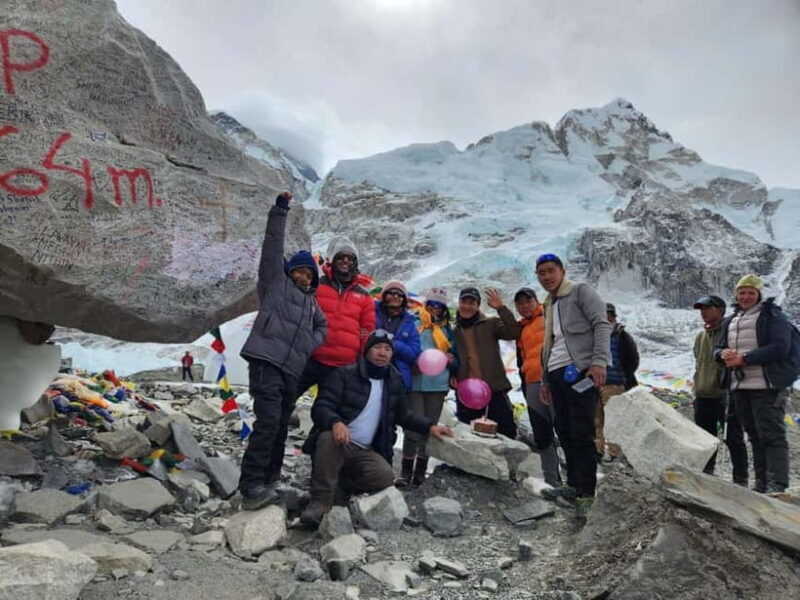 2 / 9
2 / 9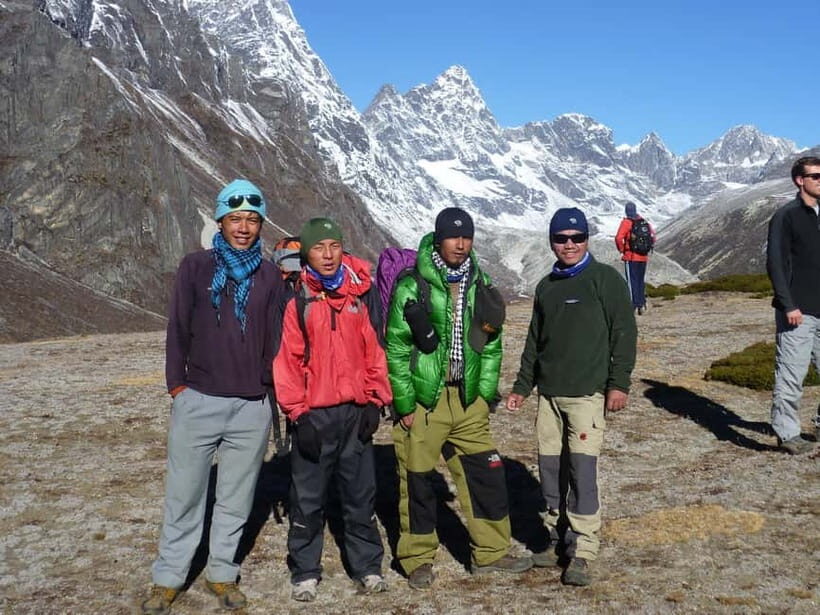 3 / 9
3 / 9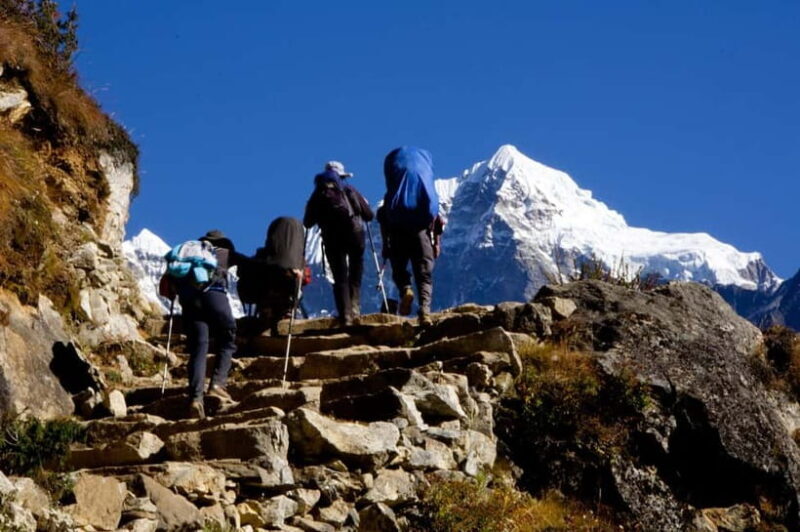 4 / 9
4 / 9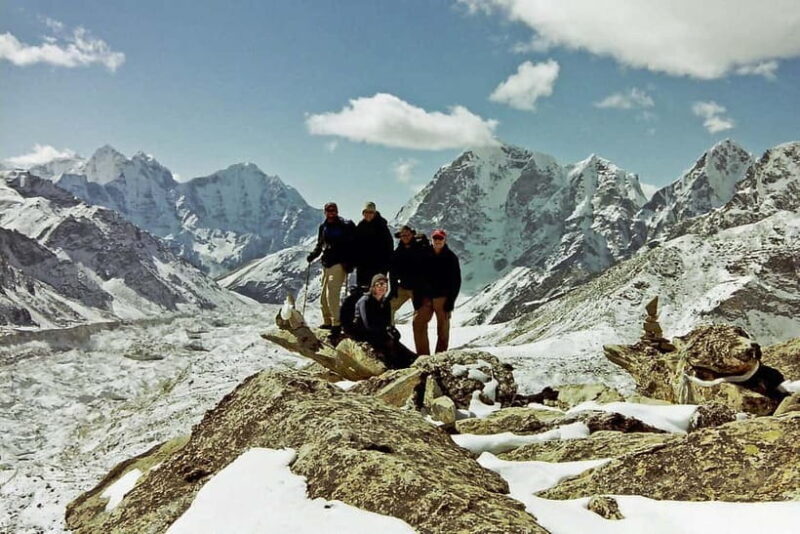 5 / 9
5 / 9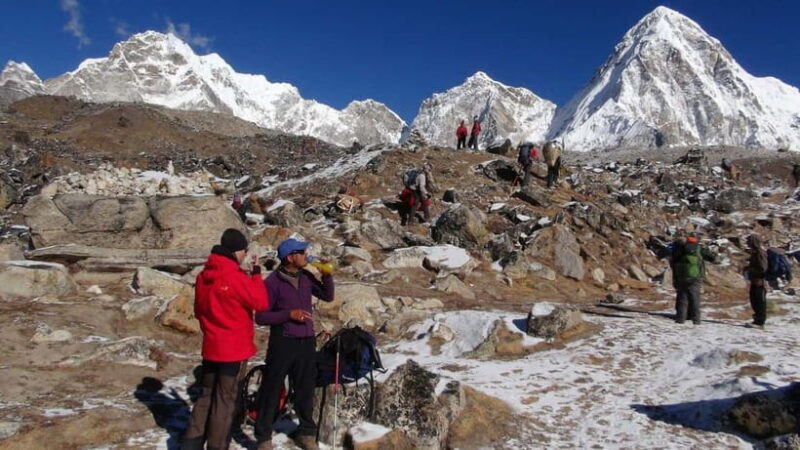 6 / 9
6 / 9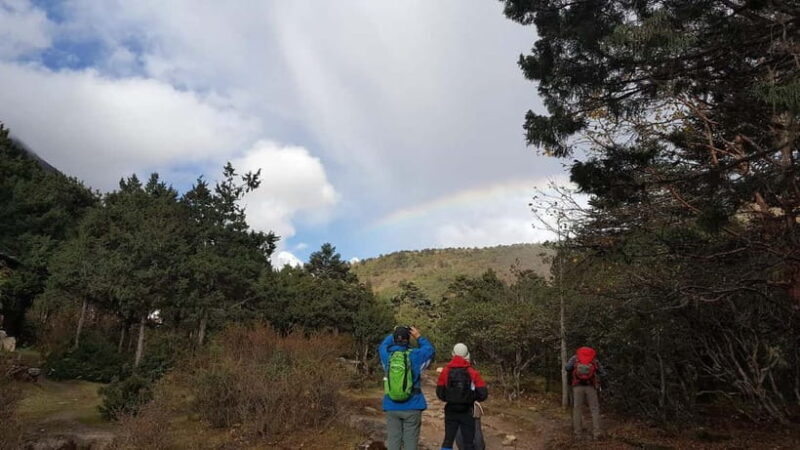 7 / 9
7 / 9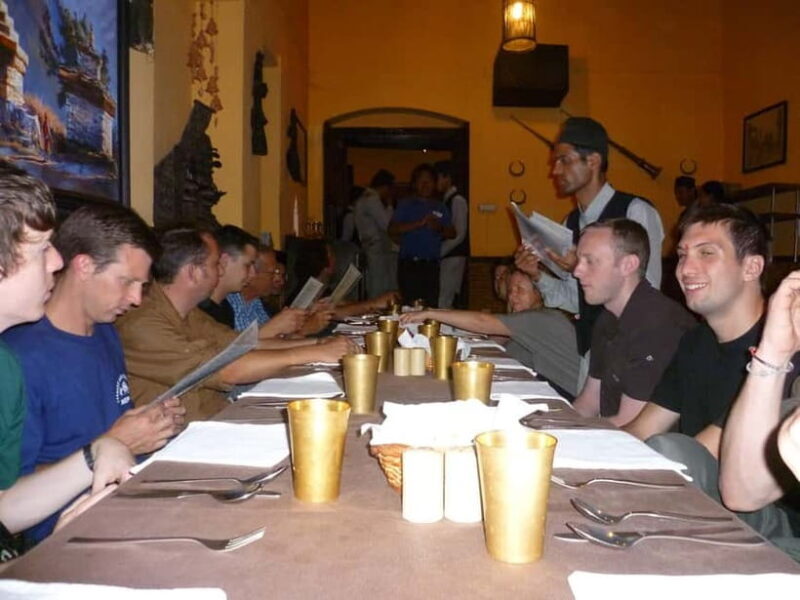 8 / 9
8 / 9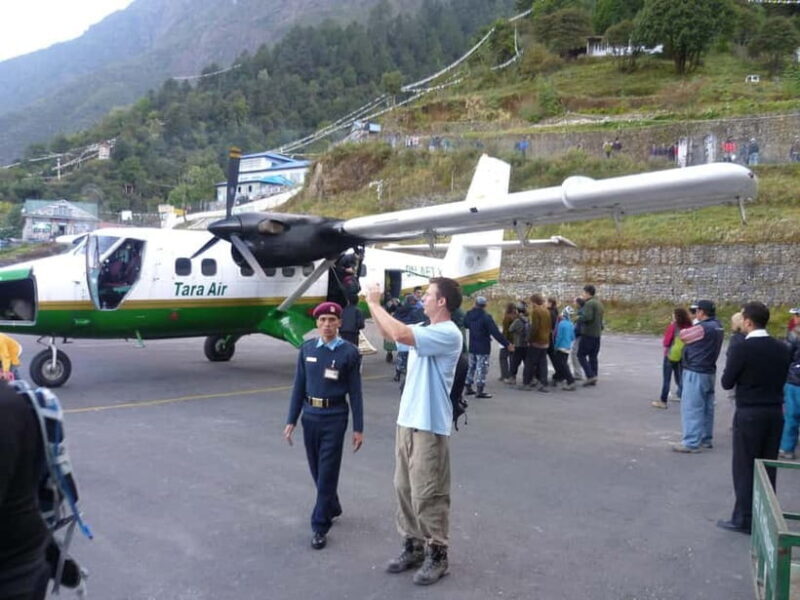 9 / 9
9 / 9- Authentic Sherpa Experience: Cultural visits and local hospitality enrich your journey.
- Stunning Himalayan Views: From Kala Patthar to Everest itself, breathtaking scenery is guaranteed.
- Well-Organized Itinerary: Includes acclimatization days to reduce altitude sickness.
- Excellent Guides & Support: Knowledgeable guides and porters make the trek safer and more comfortable.
- Value for Money: At $480, it’s a comprehensive experience including permits, accommodation, and porters.
- Physical Challenge: Expect long walking hours and high-altitude conditions; suitable for fit adventurers.
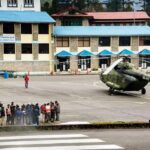
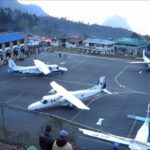
The trek begins once your guide greets you at Lukla Airport, a tiny airstrip famous for its dramatic approach and sometimes challenging weather. From here, the journey unfolds over 12 days, covering roughly 130 kilometers through some of the most striking mountain scenery on the planet. Here’s a detailed look at each major stop and what you’ll encounter.
You can check availability for your dates here:Day 1: Trek to Phakding
Your adventure kicks off with a walk along the Dudh Koshi River, crossing suspension bridges and passing through lush forests. Phakding is a small village where you’ll settle into your teahouse accommodation. The walk is gentle but scenic, giving you a taste of what’s to come. Many reviewers appreciate this first leg as a smooth introduction, setting a relaxed tone.
You can also read our reviews of more hiking tours in Lukla
Day 2: Trek to Namche Bazaar
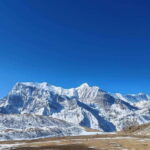
The ascent to Namche Bazaar is the highlight of the first couple of days—an energetic climb that rewards you with stunning views of peaks like Thamserku and Kongde Ri. Namche is more than just a stop; it’s the bustling Sherpa hub, full of shops, markets, and lively energy. Many mention how this place feels like a mountain town with a lot of character. It’s also the first chance to acclimatize and prepare for higher elevations.
Day 3: Acclimatization in Namche
We love that the itinerary includes a dedicated acclimatization day here, which helps prevent altitude sickness. You can stroll around, check out the local markets, or take a short hike to get used to the thinner air. It’s an important component, especially for first-timers.
Day 4: Trek to Tengboche
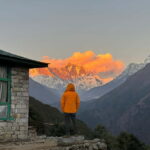
The trail winds upward through forests filled with rhododendrons and pines. Reaching Tengboche offers more than just a scenic stop; the famous Tengboche Monastery is a spiritual and cultural treasure. Many reviews note the serenity of the monastery and the panoramic views of Everest, Ama Dablam, and Lhotse. It’s a place that feels almost sacred amid the rugged landscape.
More Great Tours NearbyDay 5-6: Trek to Dingboche and Rest
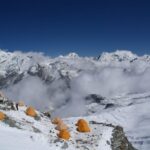
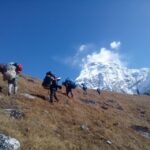
Progressing to Dingboche, at 4,410 meters, is a significant step in altitude. The landscape becomes more barren, but the vistas remain spectacular. An extra day here for acclimatization is recommended and appreciated by trekkers. The town itself is small but charming, with stunning mountain views that make the effort worthwhile.
Day 7: Trek to Lobuche
The route then swings into a more stark, rugged terrain, surrounded by towering peaks. The atmosphere is more remote, and many find the landscape both humbling and inspiring. The journey here is a reminder of how high you’ve climbed—literally and metaphorically.
Day 8: Gorakshep and Everest Base Camp
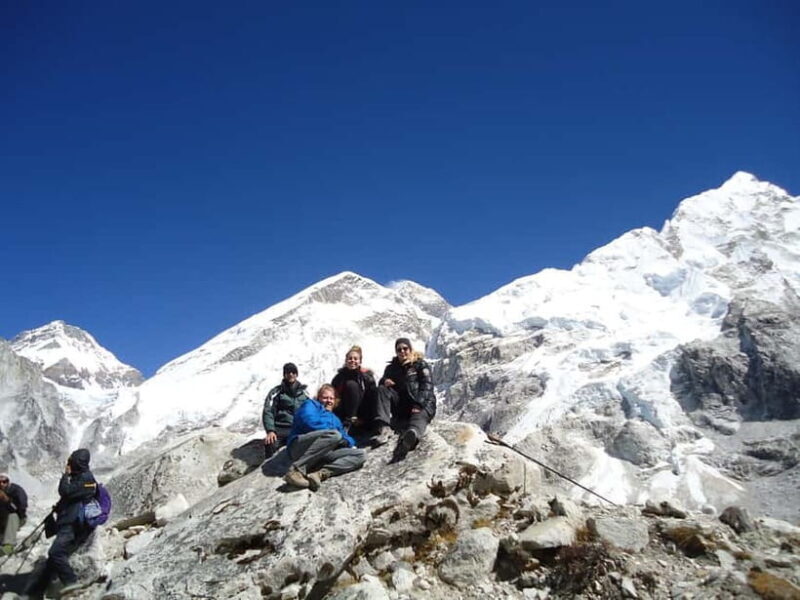
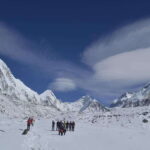
This is the climax—reaching Gorakshep, your jumping-off point for the Everest Base Camp. The walk from Gorakshep to Base Camp takes around 2 hours, and the views of the Khumbu Icefall are unforgettable. Many travelers describe this moment as a “life highlight,” and reviews echo this sentiment, emphasizing the sense of achievement and the close-up view of Everest’s glacier.
Day 9: Kala Patthar and Return to Pheriche
For those wanting more breathtaking vistas, an early morning hike to Kala Patthar is highly recommended. At 5,545 meters, it’s the best spot for a panoramic sunrise view over Everest and the surrounding giants. Reviewers frequently mention this as the “best sunrise of my life,” with golden light illuminating the peaks.
Day 10-11: Trek Back to Namche and Lukla
The return journey is a chance to reflect on your accomplishments and enjoy the scenery one last time. The trek is as scenic on the way down, and many enjoy revisiting villages like Tengboche and Namche, soaking in the mountain atmosphere.
Everest Base Camp Trek from Lukla
Day 12: Final Trek to Lukla
The trek concludes as you walk back to Lukla, the tiny airport where your adventure began. Many trekkers note how satisfying it is to complete this challenging route, feeling a mix of tiredness and triumph.
Reviewers consistently mention the knowledgeable guides as a major plus. One describes how guides “knew the trails inside out,” making the entire journey safer and more enjoyable. The porters are praised for their strength and professionalism, often carrying gear effortlessly, which makes the trek accessible for many.
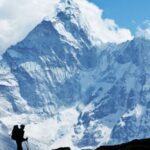
The scenery is, of course, a highlight. Expect jaw-dropping views of Everest, Ama Dablam, and other Himalayas. From the summit of Kala Patthar, you’ll witness a sunrise that many call unforgettable. The Tengboche Monastery adds a spiritual element, providing a peaceful contrast to the rugged wilderness.
Food in the tea houses is simple but surprisingly tasty. Many reviews mention dal bhat—the hearty, traditional Nepali meal—that keeps trekkers fueled for long days. The acclimatization days are appreciated, as they reduce the risk of altitude sickness and allow for better enjoyment of the scenery.
Challenges and Considerations
While the trek is well-organized, it’s physically demanding. Walking 5-7 hours daily at high elevations can be tough, especially if you’re not acclimatized or not in good shape. Weather in the Himalayas can change rapidly—hot sun, cold wind, or even snow—so preparing for all conditions is wise.
Cost-wise, at $480 per person, the price is quite reasonable considering what’s included—permits, accommodation, guides, porters, and entrance fees. But remember, flights to and from Lukla, personal expenses, and travel insurance are not included, so budget accordingly.
This journey offers a balance of adventure, culture, and scenery. It’s ideal for those who want to challenge themselves physically but also value support and safety. The inclusion of acclimatization days, permits, and comfortable guides ensures a smoother experience even at extreme altitudes.
Travelers who have reviewed the trek describe it as seamless, with many highlighting how the guides and porters made them feel cared for. The stunning views and the chance to stand near Everest’s base are moments many say are worth every step.
This trek isn’t just about reaching a destination—it’s about witnessing the mountains’ grandeur and experiencing the Sherpa way of life. If you’re keen on authentic Himalayan culture and don’t mind basic but comfortable accommodations, it’s a fantastic choice.
The Everest Base Camp Trek from Lukla, offered by Peregrine Treks, provides a carefully crafted, well-supported way to experience one of the world’s most iconic landscapes. With expert guides, a thoughtfully paced itinerary, and unforgettable scenery, it’s a trip that offers incredible value.
This experience is best suited for adventure-seekers who are physically fit and eager to embrace the high-altitude challenge. It’s also ideal for travelers who want a mix of cultural insight, natural beauty, and a true sense of achievement.
If you’re looking for a journey that balances comfort with adventure, offers authentic Himalayan cultural encounters, and delivers jaw-dropping views, this trek should be at the top of your list. Just be ready for long days on the trail and the unpredictable mountain weather—these are part of what makes the Himalayas so special.
Is the price of $480 per person all-inclusive?
The $480 covers permits, accommodation in teahouses, a professional guide, porter service, and entrance fees. Flights, travel insurance, and personal expenses like laundry or drinks are not included.
How physically demanding is this trek?
You should be prepared for walking 5-7 hours daily, gaining altitude gradually. Proper acclimatization days are included, but you’ll need a good level of fitness and stamina.
Are the guides and porters experienced?
Yes. Multiple reviews emphasize that guides are knowledgeable about the trails and the local Sherpa culture, while porters are strong and professional, helping make the trek safer and more enjoyable.
What kind of scenery can I expect?
Expect breathtaking mountain vistas, including Everest, Ama Dablam, Thamserku, and Kongde Ri. The route offers lush forests, rugged highlands, and panoramic views from Kala Patthar at sunrise.
Is the accommodation comfortable?
The trek uses basic but comfortable tea house lodges. Reviewers mention that while simple, they have all necessary amenities and are cozy after long days on the trail.
When is the best time to do this trek?
While not explicitly detailed here, most Himalayan treks are popular in pre-monsoon (spring) and autumn for stable weather and clear views. Always check current conditions before booking.
This Everest Base Camp trek from Lukla offers an authentic, rewarding experience for those willing to put in the effort. With its supportive guides, stunning scenery, and cultural gems, it remains one of the most memorable adventures in the Himalayas.
You can check availability for your dates here: