If you’ve ever dreamed of reaching a Himalayan summit without the technical challenge of Everest, the Mera Peak Trek offers a compelling alternative. This 14-day journey, organized by Art Nepal Treks, combines the excitement of trekking through Nepal’s Everest region with the thrill of climbing one of its most accessible high peaks.
It’s perfect for those who want to experience breathtaking mountain vistas and remote village life while gaining some climbing experience.
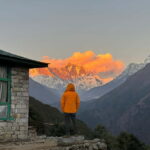
What makes this trek stand out? First, the spectacular views of Everest, Makalu, and Lhotse from the summit are truly unforgettable. Second, the journey through untouched wilderness and less-traveled routes often feels like discovering Nepal’s secret world. That said, it is a challenging trip involving high-altitude trekking and technical climbing, so it’s best suited for active travelers with a good level of fitness.
If you’re ready for a physically demanding adventure that rewards with views and memories, this tour could be a perfect choice.
One thing to consider is the cost of $3,000 per person. When you factor in the included flights, permits, accommodations, guides, and meals, this price presents fair value for the comprehensive experience offered. Still, it’s not a casual outing—expect to carry some equipment, prepare for weather variability, and be ready for altitude.
This experience is ideal for adventurous travelers eager to challenge themselves, keen to explore Nepal’s high Himalayas, and interested in a mix of trekking and mountaineering. If you’re looking for a guided, well-organized expedition that balances effort with spectacular reward, this trip deserves serious consideration.
- Key Points
- An In-Depth Look at the Mera Peak Trek Experience
- Starting in Kathmandu: The Pre-Adventure Buzz
- Flights to Lukla: The Mountain Gateway
- Trekking through the Everest Region
- Acclimatization and Preparation for Summit
- Reaching the Base of Mera Peak
- The Summit: Panoramic Himalayan Spectacle
- Returning and Reflecting
- Practical Details and Logistics
- Group Size and Guide Service
- Weather and Physical Demands
- Cancellation and Flexibility
- Why This Tour Offers Value
- Who Should Consider This Trek?
- FAQ
- Final Thoughts
- More Hiking & Trekking Tours in Lukla
- More Tour Reviews in Lukla
Key Points
 1 / 7
1 / 7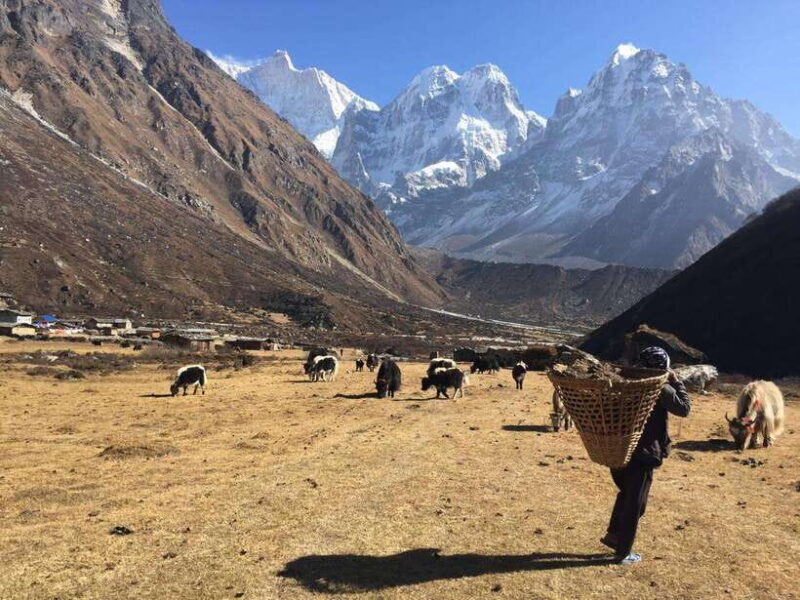 2 / 7
2 / 7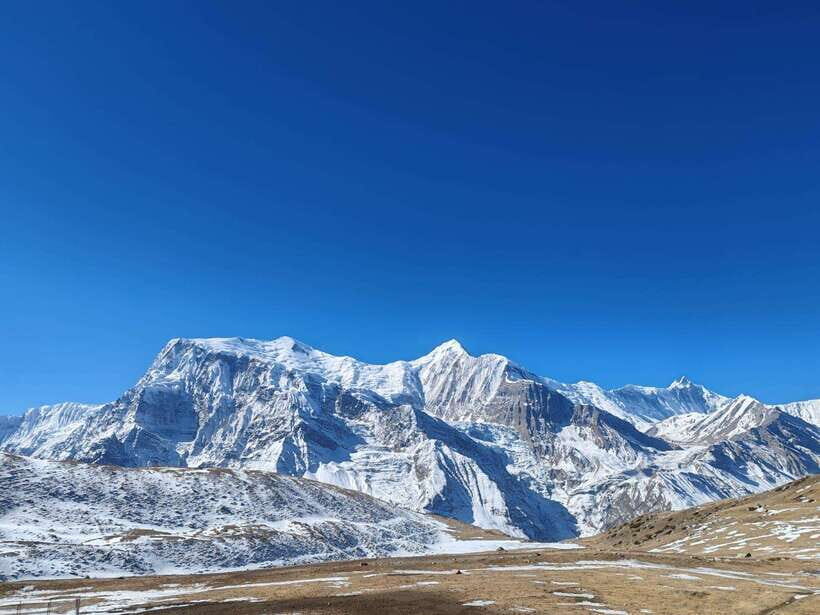 3 / 7
3 / 7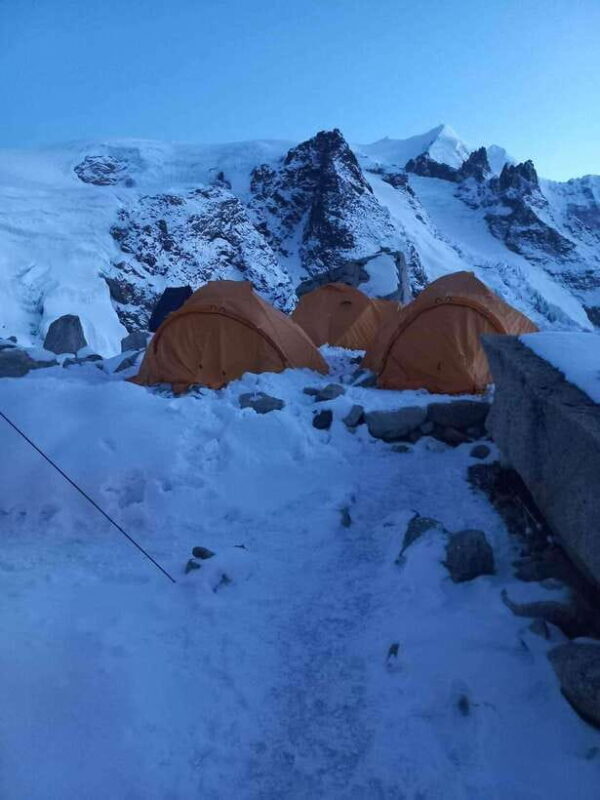 4 / 7
4 / 7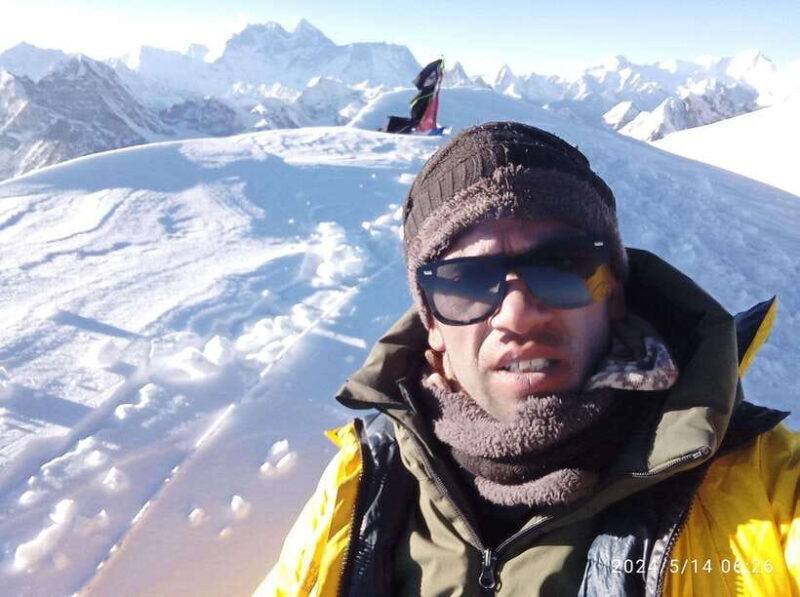 5 / 7
5 / 7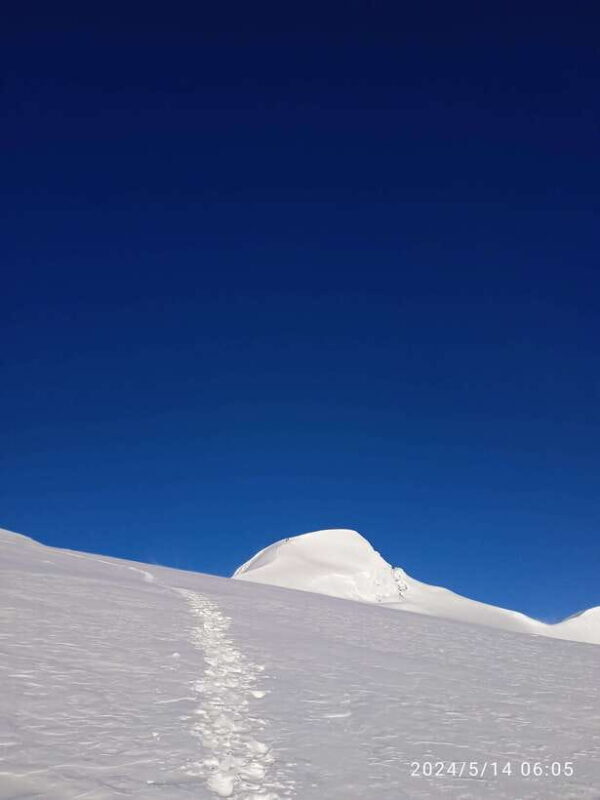 6 / 7
6 / 7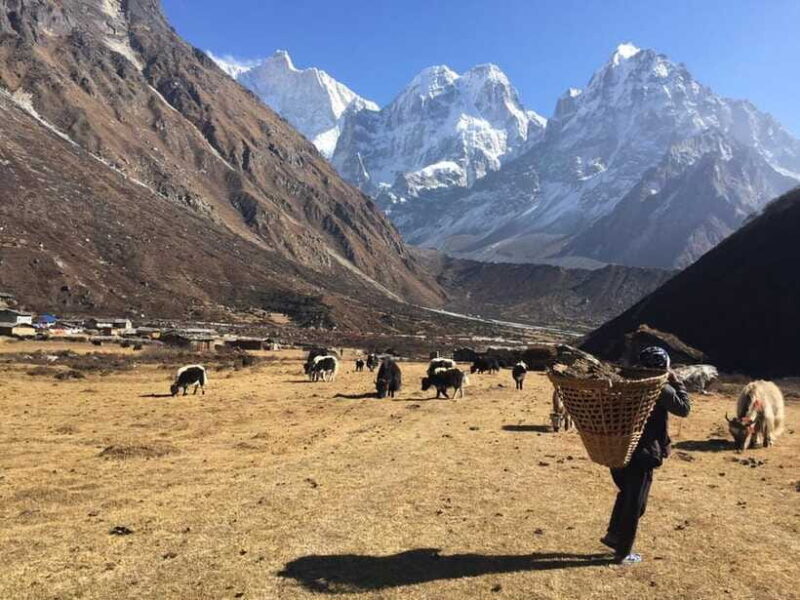 7 / 7
7 / 7- Stunning Himalayan Views: From the summit of Mera Peak, you’ll see Everest, Makalu, Lhotse, and other giants.
- Well-Balanced Itinerary: Combines trekking through remote villages with acclimatization days, leading to a successful summit.
- All-Inclusive Value: Permits, domestic flights, guides, accommodations, and meals are included, simplifying logistics.
- Moderate Climbing Challenge: Suitable for those with some climbing experience; technical aspects are manageable with proper guidance.
- Authentic Wilderness Experience: Trek through less crowded paths, embracing Nepal’s untouched mountain landscapes.
- Cost-Effective for High-Altitude Adventure: At $3,000, it offers a comprehensive package compared to independent travel costs.
An In-Depth Look at the Mera Peak Trek Experience
You can also read our reviews of more hiking tours in Lukla
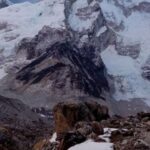
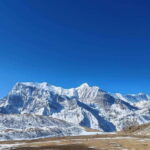
Starting in Kathmandu: The Pre-Adventure Buzz
The journey begins with a two-night stay at a three-star hotel in Kathmandu, giving you a comfortable start before heading into the mountains. Including breakfasts in Kathmandu, this setup gives a nice buffer for adjusting to the altitude and reviewing your gear or meeting your guides. The convenience of airport pickup and drop-off takes a load off your mind, so you can focus on the adventure ahead.
Flights to Lukla: The Mountain Gateway
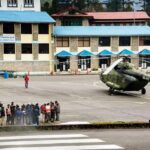
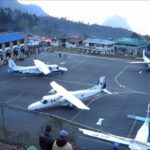
Next, an early morning domestic flight from Kathmandu to Lukla marks the real start of your high-altitude trek. That flight alone—winding through the mountains and landing in the village of Lukla—is a highlight, often described as breathtaking. It’s a quick journey but sets the tone for the remote wilderness that awaits.
Trekking through the Everest Region
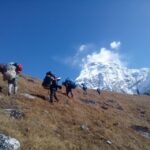
Once in Lukla, the real trekking begins. Over the course of several days, you meander through beautiful valleys and remote villages—a chance to see genuine mountain life away from crowded trails. The route is less traveled, which adds to the sense of discovery. You’ll pass through lush forests, crossing suspension bridges over fast-moving streams, and gradually gaining altitude.
A typical day involves early starts, hearty breakfasts, and a mix of walking and rest to acclimatize. The included meals—breakfast, lunch, dinner, and hot drinks—help keep your energy up. The guides are responsible for food and accommodation, and reviews mention they are knowledgeable and attentive, making sure everyone is safe and comfortable.
More Great Tours NearbyAcclimatization and Preparation for Summit
The itinerary wisely incorporates acclimatization days, critical for high-altitude success. These rest days at strategic points help prevent altitude sickness and give your body a chance to adapt. You might find these days a bit slow-paced, but they’re essential for your safety and overall experience. During this phase, you’ll also get familiar with basic climbing techniques, which will be valuable on the final ascent.
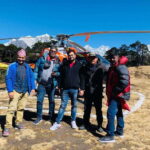
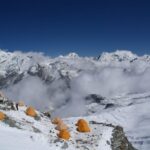
Reaching the Base of Mera Peak
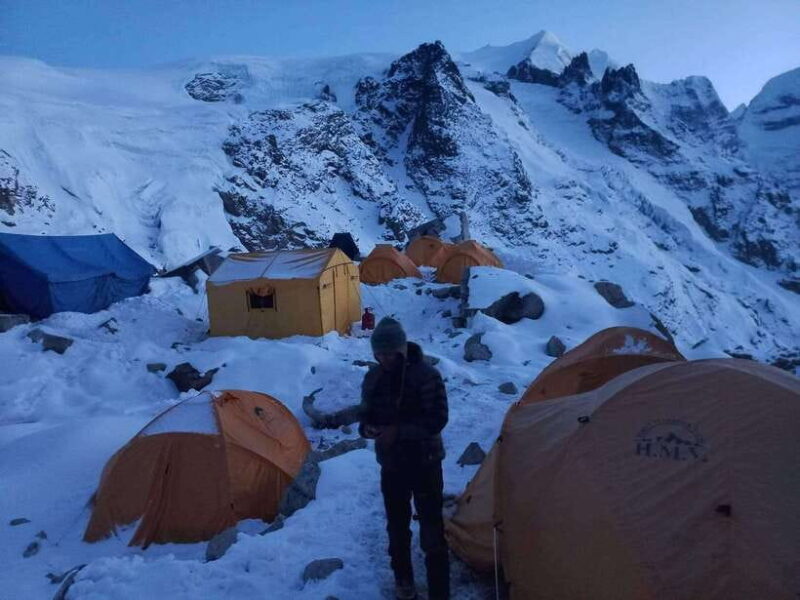
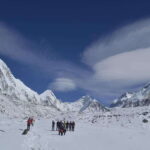
As you approach the high camp, the landscape becomes more rugged, and the views more spectacular. The climb itself requires a blend of trekking, roped sections, and snow travel. The guides are equipped with a first aid kit and climbing gear, supporting you through the technical parts.
The Summit: Panoramic Himalayan Spectacle
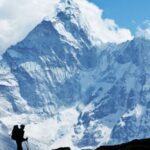
Reaching the top of Mera Peak—at approximately 6,476 meters—is a moment many describe as life-changing. From this vantage point, the sweeping vistas include Everest, Makalu, Lhotse, and a host of other giants. The sense of achievement is profound, especially knowing you navigated the challenging terrain with a supportive team.
Returning and Reflecting
After the climb, the descent follows a similar route, allowing you to reflect on the adventure amid stunning mountain scenery. The trek back to Lukla is a journey of altitude, reflection, and celebration of what you’ve accomplished.
Practical Details and Logistics
The trip’s 14-day duration includes travel, acclimatization, trekking, and the climb, which is ideal for those with flexible schedules. The price of $3,000 covers most essentials: permits, domestic flights, accommodations, meals, guides, and even some transportation. Additional costs could include personal gear, beverages, and insurance.
Gear is an important consideration. The tour provides guidance, but bringing appropriate trekking and climbing equipment is essential. The tour recommends at least one porter per two trekkers, with each porter carrying up to 25 kg—meaning you can lighten your load significantly, making the trek more manageable.
Group Size and Guide Service
Groups are led by English, German, or Spanish-speaking guides, depending on your preference. The reviews praise the guides’ professionalism and local knowledge, which is crucial in remote environments. Small group sizes tend to enhance the experience, offering personalized attention.
Weather and Physical Demands
Expect variable weather conditions—sunshine, snow, and cold temperatures are common. The physical challenge mainly comes from high-altitude trekking and the technical climb, so a good fitness level and mental readiness are necessary. The trek is not suitable for children under 10, babies under 1, or those over 70, reflecting the physical and altitude challenges involved.
Cancellation and Flexibility
The free cancellation policy—up to 24 hours before—gives some peace of mind. Plus, the option to reserve now and pay later offers flexibility if your plans are uncertain.
Why This Tour Offers Value
Compared to independent trips, this organized trek simplifies logistics, improves safety, and provides expert guidance. The inclusion of permits, domestic flights, accommodation, and meals means fewer surprises along the way. At $3,000, you’re paying for a comprehensive experience that covers most essentials, making it a good value for a high-altitude Nepal adventure.
The tour’s emphasis on authentic wilderness, spectacular mountain views, and professional guidance make it stand out. Many reviews highlight how well-organized the trip is and how the combination of trekking and climbing offers a rich, rewarding experience.
Who Should Consider This Trek?
This experience is best suited for active travelers with some climbing or trekking background, eager to challenge themselves physically and mentally. It’s ideal if you want to see some of the world’s highest peaks with expert support, without the technical complexity of Everest or smaller peaks. Beginners with some mountain experience or those in good shape will find this challenging but manageable.
Those seeking an authentic Himalayan adventure, with a focus on stunning vistas and remote village life, will find this trek deeply fulfilling. However, if you prefer luxury, very relaxed travel, or have mobility concerns, this may not be the right fit.
FAQ
Is the tour suitable for beginners?
While it’s designed for those with some trekking experience, it’s accessible for active travelers who are fit and comfortable at altitude. The technical climbing is manageable with guide support, but a good fitness level is recommended.
What is included in the price?
The $3,000 fee covers airport transfers, 2 nights in Kathmandu, all permits and taxes, domestic flights, accommodations during the trek, meals, guide services, and some transportation. Beverages, personal expenses, gear, and insurance are not included.
How difficult is the climb up Mera Peak?
It involves a technical ascent, but with guided support, it’s considered manageable for those with basic climbing skills. Proper acclimatization and physical preparation are vital.
Are there any age restrictions?
Yes, it’s not suitable for children under 10, babies under 1, or travelers over 70, mainly due to the physical demands and altitude.
What gear should I bring?
Participants are advised to bring trekking gear suitable for cold and snowy conditions. The tour recommends bringing necessary technical equipment for the climb, but specifics are provided by the organizer.
Can I cancel if my plans change?
Yes, the tour offers free cancellation up to 24 hours before departure. The booking can be reserved with a pay-later option, providing flexibility.
What’s the best time to do this trek?
While not explicitly stated, most Himalayan high-altitude treks are best from pre- and post-monsoon seasons—spring (March to May) and autumn (September to November)—when weather tends to be clearer.
Mera peak trek
Final Thoughts
The Mera Peak Trek offers a balanced blend of adventure, stunning scenery, and achievable high-altitude climbing. It’s a fantastic choice for those looking to push their limits while immersed in Nepal’s extraordinary mountain environment. The well-organized itinerary and comprehensive inclusions make it a solid value, especially for travelers eager to experience the Himalayas with expert guidance.
For adventure seekers who value authentic experiences and want a clear sense of accomplishment, this trip rewards your effort with incredible views and personal achievement. It’s a trip that will leave you with stories to tell—and views you’ll remember forever.
Whether you’re a seasoned trekker or a motivated beginner in mountain sports, this expedition provides a safe, guided way to touch the clouds and see the world from a new perspective.
You can check availability for your dates here: