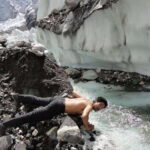
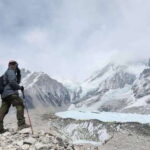
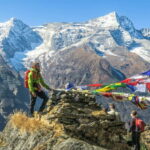
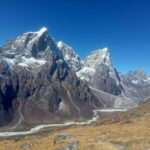
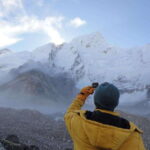
Embarking on the 12-day Everest Base Camp trek is like flipping through a living postcard of Nepal’s most iconic landscapes. It’s a journey that promises awe-inspiring mountain views, close-up encounters with Sherpa hospitality, and the chance to stand at the foot of the world’s highest peak.
While it’s a physically demanding adventure, the rewards—breathtaking scenery and a sense of accomplishment—are well worth the effort.
What we love about this trek is the way it balances spectacular mountain vistas with meaningful cultural experiences. The trek’s route takes you past towering peaks like Lhotse and Nuptse, and through charming villages still echoing with Sherpa traditions. Plus, the logistical details—such as included flights and comfortable teahouses—make it a smoother experience than many remote adventures.
A possible consideration is the altitude; with multiple days crossing over 4,000 meters, acclimatization is essential. Travelers should be prepared for some physical exertion and variable weather. But if you’re reasonably fit and eager for an authentic Himalayan trek, this journey is tailored for you.
This tour is best suited for active travelers who want to combine adventure with culture. It suits those with some trekking experience or a good level of fitness, as well as anyone eager to see Everest’s iconic peaks firsthand.
- Key Points
- An In-Depth Look at the Everest Base Camp Trek from Kathmandu
- Starting Point: Kathmandu and the First Flight to Lukla
- Trek to Namche Bazaar: A Mountain Gateway
- Acclimatization and Cultural Stops
- Tengboche Monastery and the Heart of the Himalayas
- Passing Through Dingboche and Pheriche
- High Altitude and the Memorials of Lobuche
- The Pinnacle: Everest Base Camp and Kala Patthar
- Descent and Return to Kathmandu
- Accommodation and Meals
- Logistics and Overall Value
- What Past Travelers Say
- Practical Highlights and Considerations
- The Sum Up: Who Will Love This Trek?
- FAQ
- More Hiking & Trekking Tours in Pheriche
- More Tour Reviews in Pheriche
Key Points
 1 / 3
1 / 3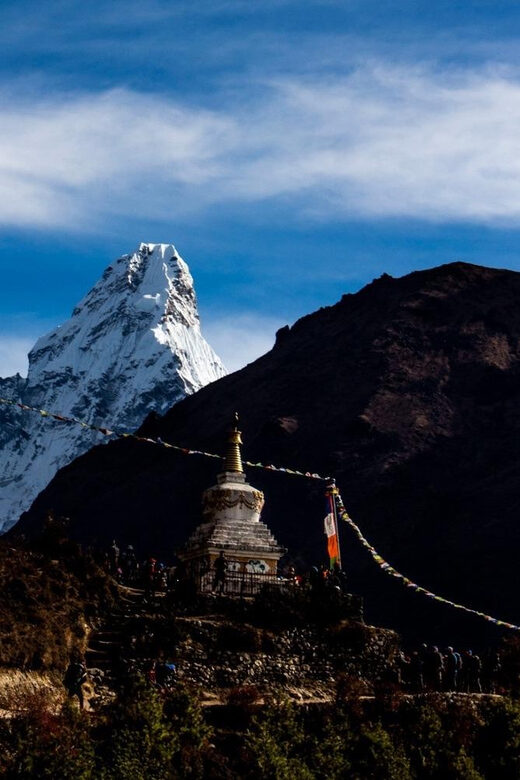 2 / 3
2 / 3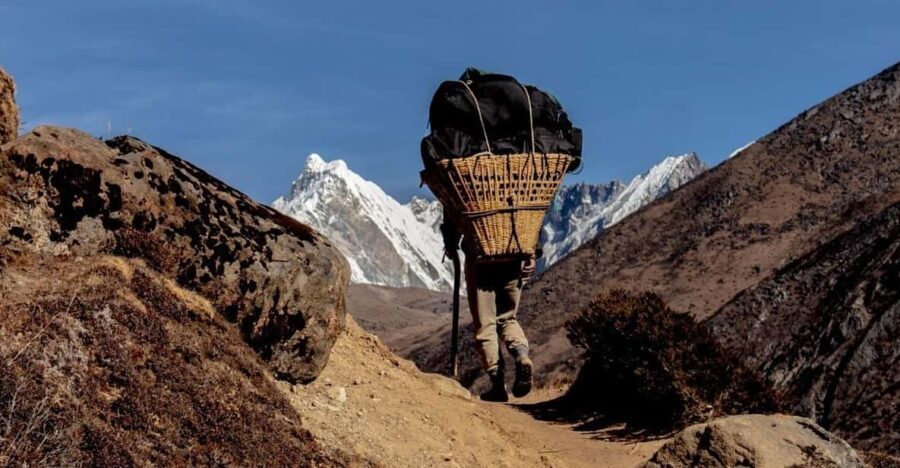 3 / 3
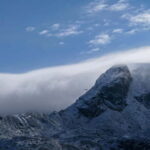
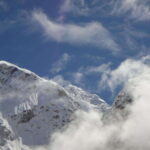
3 / 3- Stunning mountain panoramas from various viewpoints, including Kala Patthar.
- Cultural insights through visits to Sherpa villages and monasteries.
- Includes flights between Kathmandu and Lukla, easing travel logistics.
- Comfortable accommodations in teahouses, blending adventure with local hospitality.
- Acclimatization days designed to help your body adjust to high altitudes.
- All-inclusive meals during the trek, ensuring energy for the journey.
An In-Depth Look at the Everest Base Camp Trek from Kathmandu
You can also read our reviews of more hiking tours in Pheriche
Starting Point: Kathmandu and the First Flight to Lukla
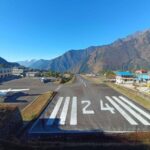
The adventure kicks off with a short flight from Kathmandu to Lukla, a highlight in itself due to the dramatic approach into this mountain airport. The 35-minute flight is a thrill—flying over lush valleys and rugged peaks—setting the tone for the trek ahead. Once in Lukla, you’ll meet your guide and start your trek, typically heading to Phakding. This relatively gentle start allows your body to begin adjusting to the altitude and lets you soak in the serenity of the Dudh Koshi River valley.
Trek to Namche Bazaar: A Mountain Gateway
From Phakding, the trail ascends through pine forests and rhododendron trees, crossing bridges over rushing rivers. The trek to Namche Bazaar, often called the “gateway to Everest,” takes about 6-7 hours. This is the first real climb, but the views of Khumde and Thamserku peaks are stunning. Namche is a lively hub, filled with shops, bakeries, and lodges, giving a taste of Sherpa life.
Acclimatization and Cultural Stops
The optional rest day in Namche is a smart move—your guide will suggest a hike up to the Everest View Hotel for panoramic views of Everest, Lhotse, and Ama Dablam. Visiting the Sherpa Museum also offers insight into the local culture and mountaineering history. Many travelers appreciate these breaks, as altitude sickness can sneak up unexpectedly.
More Great Tours NearbyTengboche Monastery and the Heart of the Himalayas
The trek continues to Tengboche, home to the famous Tengboche Monastery. The path weaves through rhododendron forests, and the monastery itself offers a spectacle—an impressive backdrop against the towering peaks. Visitors often mention the sense of tranquility here, with the monastery’s prayer flags fluttering and the possibility of catching a monk’s chant.
Passing Through Dingboche and Pheriche
Next, you move into the Imja Valley, passing through Pangboche and reaching Dingboche. These villages are perfect spots to observe traditional Sherpa life and pick up some high-altitude camaraderie. An acclimatization hike in Dingboche to Nagarjun Hill helps your body prepare for higher elevations.
High Altitude and the Memorials of Lobuche
As you ascend to Lobuche, the terrain becomes more alpine, with rugged landscapes and memorials dedicated to climbers who lost their lives nearby. The somber yet inspiring memorials serve as a reminder of Everest’s formidable challenge.
The Pinnacle: Everest Base Camp and Kala Patthar
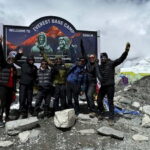
The ultimate goal is reaching Everest Base Camp—a place that feels like standing at the very edge of the world. The 3-hour trek from Gorak Shep to Base Camp offers close-up views of Khumbutse and Lingtren, with Everest looming in the background. Many mention the emotional impact of being here; it’s a mix of awe and humbling respect.
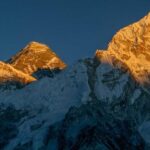
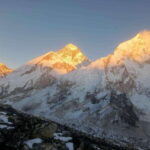
Following that, a pre-dawn hike to Kala Patthar (5,545 meters) provides arguably the best sunrise view of Everest. The climb is demanding, but the sights—Everest’s summit glowing at dawn—are worth every step.
Descent and Return to Kathmandu
On the return leg, you descend through forests and villages to Pheriche, then back to Namche. The final stretch culminates in a scenic flight back to Kathmandu, offering one last aerial glimpse of the mountains.
Accommodation and Meals
Throughout the trek, you’ll stay in teahouse lodges, which are surprisingly comfortable and filled with fellow trekkers. The tour includes all meals during the trek, giving you energy without the hassle of finding food in remote villages. In Kathmandu, you’ll enjoy two nights in a 3-star hotel, providing a restful finish to your mountain adventure.
Logistics and Overall Value
The tour’s price of $1,510 per person covers most essentials: internal flights, permits, guides, porters, accommodations, and meals in the mountains. The included flights and permits streamline logistics, making this trek accessible and less stressful than organizing every detail independently.
What Past Travelers Say
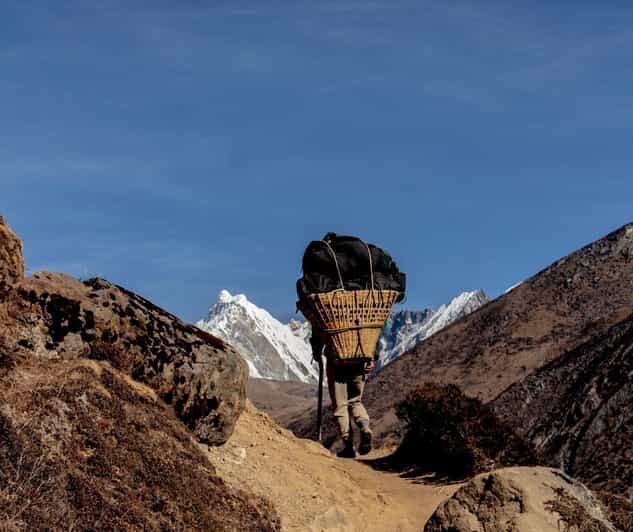
Many reviewers mention the stunning views of Everest and other peaks as a highlight. One notes, “The views are just breathtaking—these are moments you’ll remember forever.” Others appreciate the supportive guides and porters, who make the journey more manageable and authentic.
Practical Highlights and Considerations
- The altitude is a core aspect; you’ll need to listen to your body and stay hydrated.
- The trek is moderate to challenging, suitable for those with some fitness and trekking experience.
- The group size is typically manageable, allowing personalized attention.
- The cost reflects the convenience and inclusivity, offering good value for an all-encompassing Himalayan adventure.
The Sum Up: Who Will Love This Trek?
This Everest Base Camp trek is ideal for adventure seekers who crave stunning mountain scenery combined with cultural experiences. It’s a good fit for those comfortable with some physical activity and eager to see Everest’smajestic peaks up close. The included flights and well-planned accommodations make it accessible without the stress of logistics, offering a balanced mix of challenge and comfort.
Travelers who value authentic local interactions—like visiting Sherpa villages and monasteries—will find this trek rewarding. The route through iconic villages and high-altitude camps delivers unforgettable views and a deep sense of achievement. However, it’s not suited for those with mobility issues or very young children, given the altitude and physical demands.
This tour provides a comprehensive, well-organized introduction to Himalayan trekking—perfect for those who want a meaningful, scenic Everest experience without the hassle of planning every detail themselves. It’s a chance to step outside your comfort zone, witness some of the world’s most awe-inspiring scenery, and perhaps even return with a new perspective on life at altitude.
From Kathmandu: 12Day Everest Base camp Trek
FAQ
Is this trek suitable for beginners?
While some trekking experience is recommended, those who are reasonably fit and prepared for the physical effort will find this manageable. The inclusion of acclimatization days helps prevent altitude sickness.
What’s included in the price?
The package includes accommodations in Kathmandu and teahouses along the trail, all meals during the trek, round-trip flights between Kathmandu and Lukla, permits, guide and porter services, trekking equipment like jackets and sleeping bags, and support staff.
Are flights between Kathmandu and Lukla reliable?
Yes, the flights are included and are generally reliable, though weather conditions can sometimes cause delays. The scenic flight itself is a memorable part of the experience.
How much walking is involved each day?
Expect 4-7 hours of walking daily, depending on the day’s stage. Some days involve ascents and descents over rugged terrain, so a reasonable level of fitness is helpful.
What are the accommodations like?
In Kathmandu, you’ll stay in a 3-star hotel, while in the mountains, teahouses offer simple but comfortable lodging, often with shared bathrooms and warm meals.
What about altitude sickness?
The itinerary includes acclimatization days to help your body adjust. Hydration, rest, and listening to your guide’s advice are key to managing altitude.
Can I customize the tour?
This tour is set with a fixed route and schedule. However, some operators may offer optional activities or extensions, which you can discuss directly with the provider.
Is this tour suitable for solo travelers?
Absolutely. The group setting and experienced guides make it easy for solo travelers to feel comfortable and make new friends.
What should I pack?
Bring layered clothing, sturdy trekking shoes, a hat, sunglasses, sunscreen, and personal essentials. The provided gear includes a down jacket and sleeping bag, but personal items like camera and snacks are a good idea.
In summary, the 12-day Everest Base Camp trek from Kathmandu offers a thoughtfully organized journey through Nepal’s most iconic landscapes. With spectacular views, cultural insights, and comfortable logistics, it delivers a well-rounded Himalayan experience. Perfect for those ready to challenge themselves and seek authentic mountain adventure.
You can check availability for your dates here: