If you’re into vintage tech or nostalgic about Nintendo’s iconic handheld consoles, this Game Boy modification experience in Tokyo’s famous Akihabara district might be just the right thing for you.
While we haven’t tried it ourselves, reviews and descriptions paint a picture of a fun, hands-on activity that combines technology, creativity, and a dash of Japanese culture. It’s a chance to go beyond sightseeing and actually build something memorable and uniquely yours.
What we particularly love about this workshop is how it’s hosted by passionate local enthusiasts who are eager to share their knowledge. The inclusion of historical insights about the Game Boy adds an educational layer, making the experience more meaningful. Also, the ability to customize your device—selecting colors, buttons, and parts—means you’ll leave with a truly personalized keepsake.
A potential drawback? The cost ($377 per person) might seem steep for some, especially since this isn’t a quick activity—and you’ll want to be prepared for a long, detailed process.
This workshop is ideal for gamers, tech enthusiasts, and those seeking authentic, interactive experiences in Tokyo. It’s particularly suited for travelers who enjoy DIY projects, nostalgia, or cultural insights about Japan’s gaming scene.
Key Points
 1 / 8
1 / 8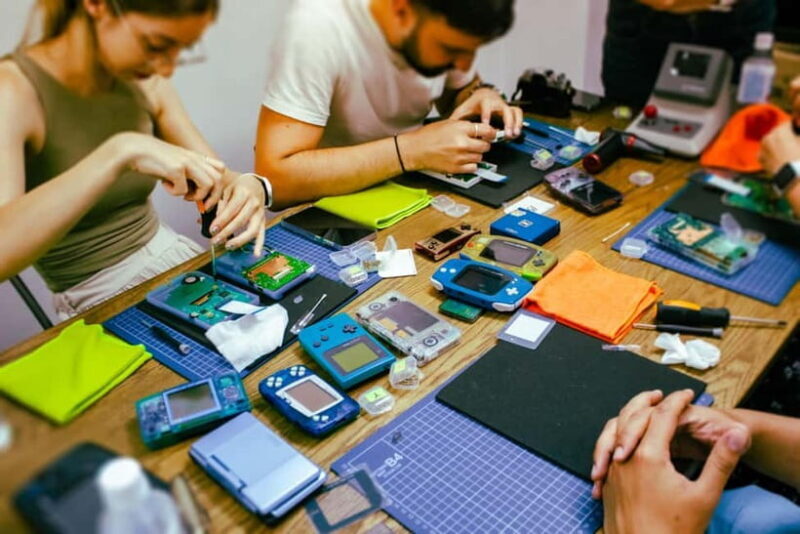 2 / 8
2 / 8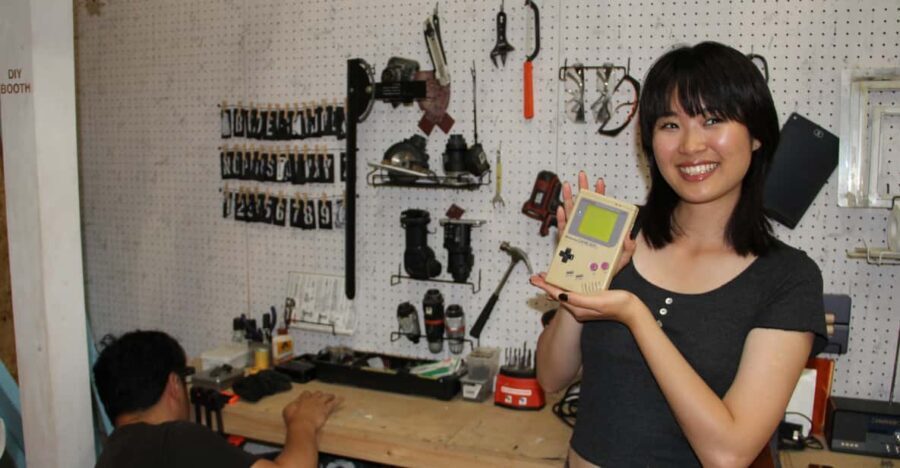 3 / 8
3 / 8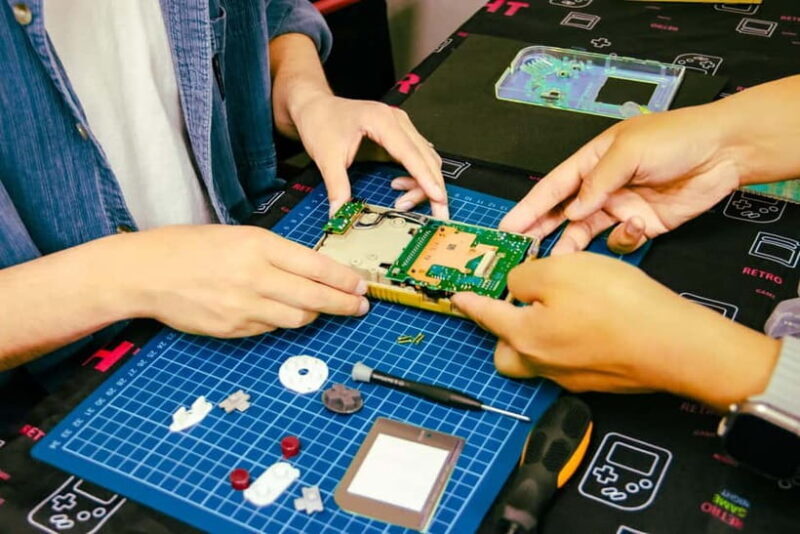 4 / 8
4 / 8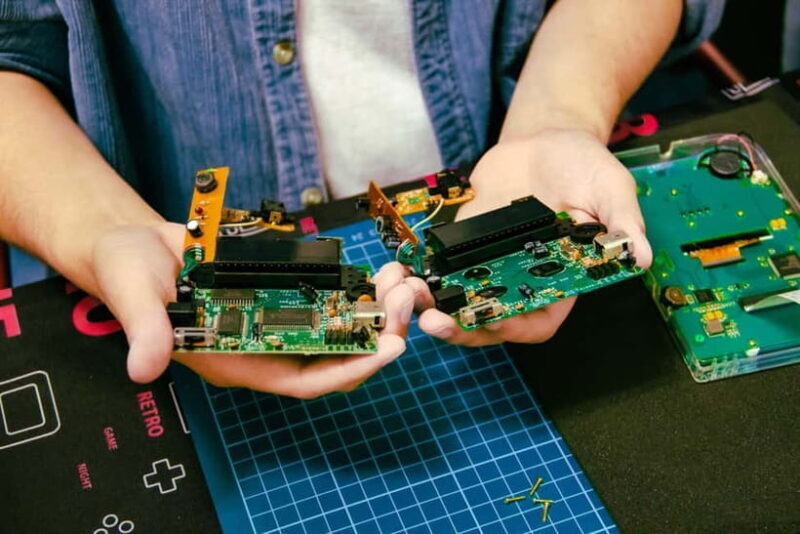 5 / 8
5 / 8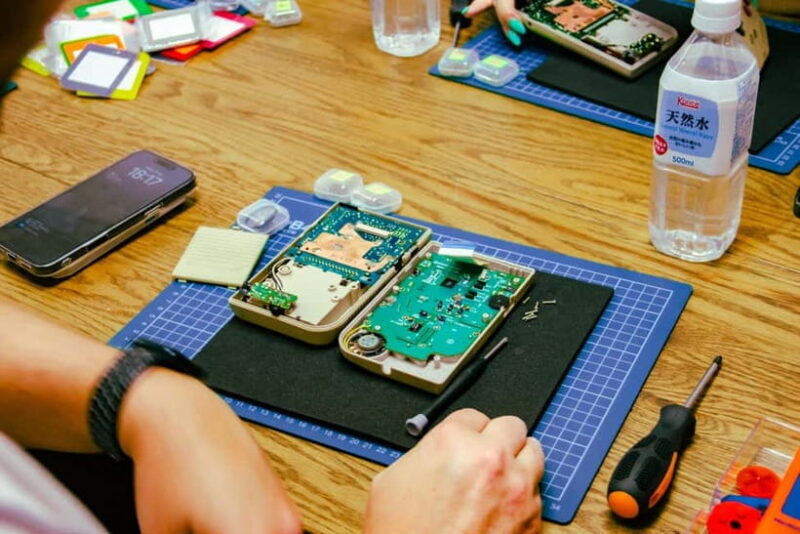 6 / 8
6 / 8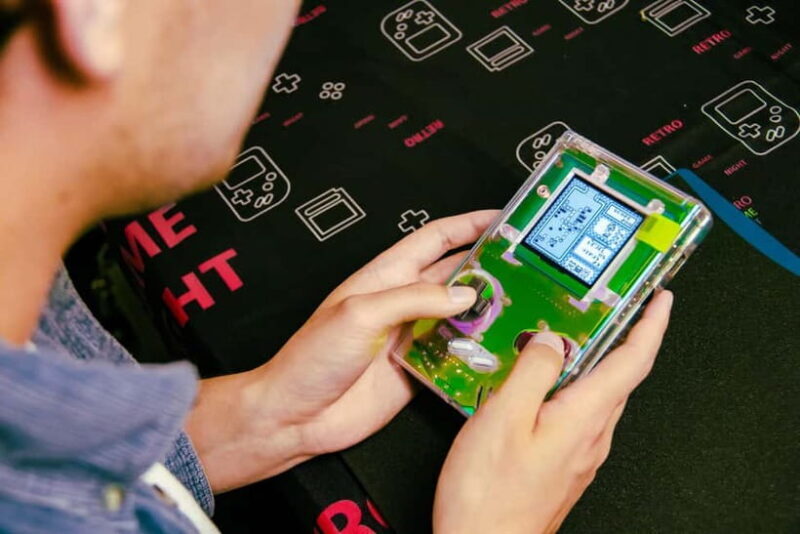 7 / 8
7 / 8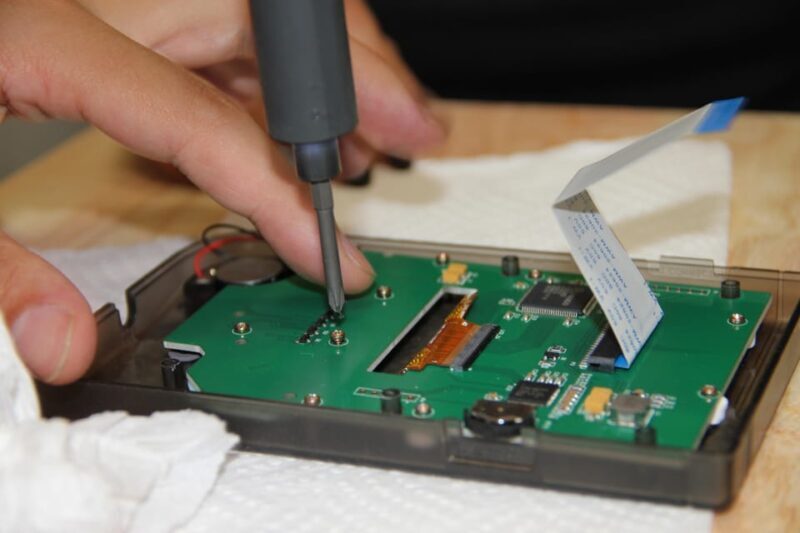 8 / 8
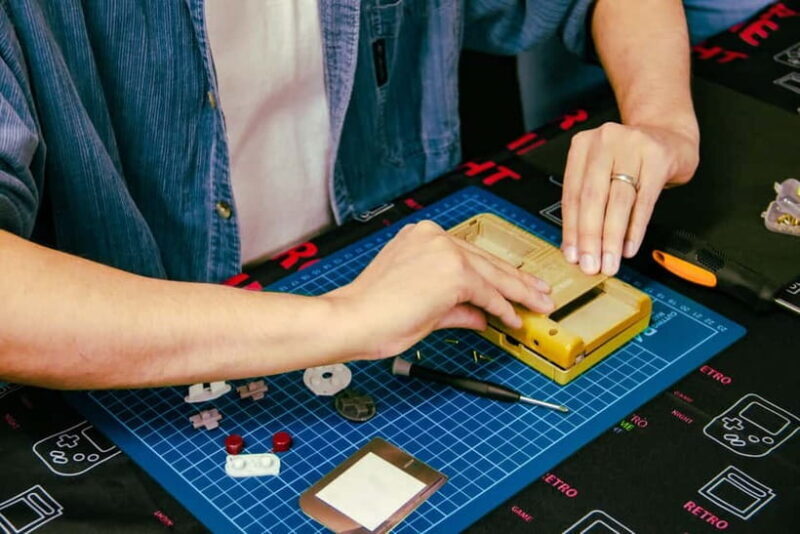
8 / 8- Hands-on customization: You choose colors, buttons, and parts for your Game Boy.
- Educational: Learn about the history and influence of the Game Boy.
- All-inclusive: Guidance, materials, and even some games available for purchase.
- Multilingual support: Guides speak English, Japanese, Chinese, and more.
- Limited spots: Book early to secure your place, as availability is limited.
- Memorable souvenir: Leave with a fully functional, personalized Game Boy.
A Practical Look at the Experience
When considering a workshop like this, the first question is often: “What exactly do I get for my money?” For $377, you’re paying for a comprehensive, interactive experience. It’s not just about the final product but the journey—learning, creating, and connecting with fellow fans. The workshop is hosted on the second floor of the Wakita Building in Akihabara, a hub for all things electronics and gaming. The location itself is a bonus, placing you right in the heart of Japan’s gaming culture.
The process begins with selecting your device. You’ll pick out your own vintage Game Boy (model DMG-01), then dive into the details of its parts. Guides help you understand the history and impact of the device, which many reviewers appreciated. As one enthusiastic traveler said, “Getting to learn about the history of the games on top of customizing your own Game Boy was so cool.” It’s clear that this isn’t just a craft workshop but a cultural deep dive into Japan’s gaming legacy.
Customization options are extensive. You can change the screen, buttons, and colors—allowing for a truly unique design. Some reviews mention the availability of options like a backlight or color mods, which can significantly enhance the gameplay experience. The guides are described as knowledgeable, friendly, and patient, guiding you through the assembly process step-by-step. Many reviews highlight how enthusiastic and helpful the staff are, making the activity not only educational but also highly enjoyable.
The actual building process involves simple hardware tasks—screwing in parts, selecting components, and minor adjustments. No soldering is required, making it accessible for most. It’s about hands-on fun and learning rather than technical skill. Participants often remark on how satisfying it is to see their device come together. As one reviewer noted, “The craftsmanship of the Game Boy is patient-guided, and the end result looks phenomenal.”
The experience lasts around three to four hours, providing ample time to explore options, ask questions, and enjoy the camaraderie. Many describe it as a “fun night in Akihabara,” with the added bonus of purchasing retro games at reasonable prices after the build. Some guests even take home upgrades like crisp LED screens or rechargeable batteries, adding further value.
You can also read our reviews of more tours and experiences in Tokyo


What Sets This Workshop Apart?
Unlike a typical souvenir shop or quick tour stop, this workshop emphasizes personalization and learning. That’s why so many reviews praise the knowledgeable guides—they’re passionate about gaming history and happy to share stories. “They remembered me from a previous trip,” one traveler shared, highlighting the personal touch that makes this more than just a craft activity.
The multilingual support is another strong point. Guides speak English, Japanese, and Chinese, making it accessible to a diverse group of travelers. The workshop is also flexible, with a “reserve now, pay later” option—ideal for travelers uncertain of their schedules.
Most importantly, the reviews consistently praise the quality of the final product. Many say their customized Game Boy looks “out-of-this-world,” and they’re delighted with their unique creation. The nostalgia factor combined with the practicality of a working device makes it a fantastic souvenir for gaming fans and tech lovers alike.
The Value for Money
While $377 might seem a bit high at first glance, when you consider the all-inclusive guidance, custom parts, and the memorable experience, it offers good value. You’re essentially paying for a professional crafting session with knowledgeable hosts, not just the raw materials. Plus, the chance to ask questions about gaming history and see vintage consoles adds an educational bonus many travelers appreciate. The opportunity to buy games at reasonable prices also enhances the overall value.
Practical Details
Meeting Point & Duration: The workshop begins on the second floor of Wakita Building, concludes at the same spot, and lasts about 3-4 hours. This makes it a manageable addition to a day exploring Akihabara’s electric and gaming shops.
Languages: Guides support English, Japanese, and Chinese, making the experience accessible for many travelers.
Booking & Cancellation: You can reserve your spot with the flexibility to pay later, and cancellations are free up to 24 hours in advance—useful if your plans change last minute.
Group Size: Reviews mention small groups (around 4-6 people), ensuring personalized attention. The small-group setting also fosters a friendly, relaxed atmosphere.
Additional Purchases: After building your Game Boy, you often have the option to purchase vintage games, like Pokémon Red or Dragon Ball titles, which are reasonably priced compared to larger stores.
More Great Tours NearbyWho Will Love This Experience?
This workshop appeals most to gaming enthusiasts, tech geeks, and nostalgia lovers. It’s perfect for those who enjoy hands-on activities and want a tangible souvenir that’s both functional and meaningful. Families with older children, couples, or solo travelers looking for a unique cultural activity will find it rewarding.
If you’re visiting Akihabara, known as Tokyo’s Otaku hub, this experience offers a great way to connect with the local gaming culture on a deeper level. It also suits travelers interested in Japanese craftsmanship and DIY projects.






The Sum Up
The Gameboy Mod Workshop in Akihabara is more than just a craft activity. It provides an opportunity to learn about gaming history, customize a vintage device, and connect with passionate guides. While it’s priced slightly above standard workshops, the inclusive guidance, quality parts, and the fun of building something yourself justify the expense.
This experience is especially valuable for gamers and tech fans who want a lasting, personalized souvenir. It’s also a wonderful way to step away from the crowds and engage with Tokyo’s vibrant gaming scene in a meaningful way.
If you’re looking for a unique, interactive activity that combines history, creativity, and a bit of Japanese hospitality, this workshop should be at the top of your list. It’s a fun, memorable experience that offers a genuine taste of Japanese passion for gaming and craftsmanship.
Gameboy Mod Workshop at Akihabara, Tokyo
FAQ
What is included in the workshop?
You’ll build your own vintage Game Boy, customize it with parts, and receive guidance from multilingual staff. All necessary tools and parts are provided. You can also buy games afterward.
Do I need any technical skills?
No. The activity involves simple hardware tasks like screwing in parts, with no soldering required. Guides will help you every step of the way.
How long does the workshop last?
Expect about 3 to 4 hours, giving you plenty of time to explore options, ask questions, and enjoy the experience.
Is there a limit on group size?
Yes, reviews indicate small groups of around 4-6 people, ensuring personalized guidance and a relaxed atmosphere.
Can I pay when I arrive?
You can reserve your spot now and pay later, with free cancellation available up to 24 hours before the scheduled time.
Are guides multilingual?
Yes, guides support English, Japanese, and Chinese, making the experience accessible for many travelers.
Can I buy games at the workshop?
Yes, there are vintage games available for purchase at reasonable prices, including titles like Pokémon Red and Dragon Ball.
What if I want to do this again?
Many reviewers say they would happily do it again, especially when returning to Japan, thanks to the fun and educational nature of the activity.
Is it suitable for children?
While primarily aimed at teens and adults, children with a keen interest in gaming or tech might enjoy it too. It’s best to check age restrictions beforehand.
Will I actually leave with a working Game Boy?
Absolutely. The guides ensure your device is fully functional, with options for upgrades like a backlight or color mods to enhance gameplay.
What should I wear?
Comfortable clothes are best, as the activity involves some hardware handling. No special attire is necessary.
In brief, this workshop offers a rare chance to create a personalized piece of gaming history in the heart of Tokyo. For anyone interested in retro technology, Japanese pop culture, or hands-on crafts, it’s an experience worth considering.
You can check availability for your dates here: