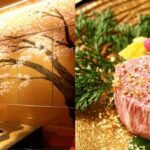
If you’re craving a taste of authentic Japan beyond the usual tourist spots, this musubi-making class in Ginza is a charming and practical way to connect with local culinary traditions. Led by an 80-year-old grandmother, this experience offers a hands-on lesson in crafting traditional Japanese musubi, paired with a home-cooked teishoku meal that reflects genuine Japanese home cooking.
What makes this activity stand out? First, the chance to see how generations of Japanese have made musubi—a simple yet culturally significant snack—using techniques passed down over decades. Second, the bilingual guidance ensures you won’t miss a step, making this accessible even if your Japanese language skills are limited.
One potential consideration is transportation—while the tour is well worth the effort, travelers should plan their arrival as transport isn’t included.
This experience suits travelers who love food, culture, or want a memorable souvenir to take home—be it a skill, a story, or a taste of Japan’s everyday life. If you’re after a fun, authentic activity in Tokyo that’s also budget-friendly, this class is a wonderful choice.
Key Points
- Authentic Cultural Experience: Learn musubi-making from a local 80-year-old grandma who has been passing down her skills for generations.
- Hands-On Participation: You’ll make 3 musubi using your preferred fillings, guided step-by-step with bilingual support.
- Culinary and Cultural Insight: Discover the difference between musubi and onigiri, gaining a deeper understanding of Japanese snack traditions.
- Home-Style Meal: The class includes a homemade teishoku meal, featuring miso soup, salad, dessert, and a beverage, providing a true taste of Japanese home cooking.
- Value for Money: At $20 per person, the experience offers a practical, immersive cultural activity with plenty of food and learning.
- Flexible Booking: You can reserve now and pay later, with cancellation available up to 24 hours in advance.
An In-Depth Look at the Musubi-Making Class Experience
In exploring this class, we’re drawn to its emphasis on authenticity and family tradition. The setting is in Ginza, a high-end shopping district, but this activity brings you into a more intimate, home-style atmosphere. The class begins with a simple ritual—washing your hands and hearing a quick summary about musubi—immediately connecting you with the humble origins of this snack.
You can also read our reviews of more tours and experiences in Tokyo

Learning from a True Japanese Grandma
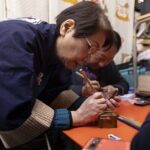
The main highlight is the chance to learn from an 80-year-old grandmother, affectionately called “Musubi Grandma.” She’s the heart and soul of this experience, passing on her techniques with warmth and patience. Though she speaks only Japanese, an English-speaking assistant helps bridge the language gap, making the instructions clear and approachable.
Samara, a past participant, describes it as “such an authentic Japanese experience,” emphasizing the warmth of the host and the joy of seeing a true family recipe come to life. She adds that having your musubi made by a charming obaa chan makes it feel personal and special, far from a commercialized activity.
The Making of Musubi
The process is straightforward yet instructive. First, you get a quick explanation of what makes musubi different from onigiri. While both are rice balls, musubi often involves wrapping rice with seaweed and may include various fillings, sometimes pressed into shapes. You will choose from six fillings—which might include classic options like pickled plum or seasoned fish—before making your own three musubi.
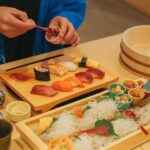
You’ll watch as the grandma demonstrates her technique—pressing rice into molds, wrapping with seaweed, and adding fillings—then try your hand at making your own. The assistant translates everything into English, so you’re never lost. This step-by-step guidance ensures you understand and appreciate the craftsmanship behind this humble snack.
Savoring the Food
Once your musubi are ready, you’ll sit down to enjoy them with the homemade teishoku meal. The traditional Japanese set meal includes miso soup, fresh salad, a dessert, and a beverage—offering a well-rounded taste of home-style Japanese cuisine.
Participants universally praise the meal: one reviewer notes, “Savoring my musubi alongside the homemade meal was delightful.” The meal not only complements the activity but also provides a sense of community and comfort—more than just a snack, it’s a small meal that embodies Japanese hospitality.
More Great Tours NearbyThe Practical Details
While the experience costs only $20 per person, it delivers more than just a lesson—it’s a cultural snapshot. Since transportation isn’t included, plan to arrive via public transit or taxi, especially if you’re unfamiliar with Ginza. The class duration is typically long enough to enjoy the process and the meal without feeling rushed, though specific timings aren’t detailed.
Group size is likely intimate, fostering a friendly environment where questions are encouraged. The class is offered in English and Japanese, making it accessible to international visitors as well as locals.





Why It’s Worth It
At this price point, you get a cultural lesson, a hands-on activity, and a hearty meal. It’s especially valuable for travelers eager to learn about Japanese food in a relaxed setting, with direct interaction with a local family figure. The experience has garnered glowing reviews, with visitors describing it as “awesome” and “a must-do,” emphasizing its authenticity and warmth.
Who Will Love This Experience?
This activity is perfect for food lovers who want to go beyond sushi restaurants and try something meaningful and traditional. It’s also great for travelers who enjoy cultural exchanges and learning family recipes firsthand. If you’re after a budget-friendly activity that’s both fun and educational, this class offers excellent value.
However, those who prefer guided tours with extensive sightseeing might find this more intimate activity a bit slow-paced. Also, if mobility is an issue, check the venue’s accessibility beforehand, as traditional Japanese settings may have steps or uneven surfaces.
The Sum Up
This musubi-making class in Ginza offers a genuine slice of Japanese life. For just $20, you gain a new skill, a delicious meal, and a connection to a local family tradition. It’s an accessible and affordable way to deepen your understanding of Japanese culture, especially if you’re keen on food.
Whether you’re a culinary enthusiast, a curious traveler, or someone looking for an authentic story to take home, this experience packs a lot of value into a small package. The warmth of the grandmother, the simplicity of the food, and the chance to learn something new make it a memorable addition to any trip to Tokyo.
In short, it’s a charming, honest activity that celebrates the everyday joys of Japanese home cooking. Perfect for those who want to see beyond the neon and hustle—who want to taste the soul of Japan, one musubi at a time.
Ginza: Traditional Musubi-Making Class with Japanese Grandma
FAQ
Is transportation to the venue included?
No, transportation isn’t included, so you’ll need to plan how to get to Ginza using public transit or taxi.
What languages are spoken during the class?
The class is taught in both English and Japanese, with an assistant translating instructions into English.
How many musubi will I make?
You will make three musubi, choosing from six filling options.
Does the experience include a meal?
Yes, participants enjoy a homemade Japanese teishoku meal, including miso soup, salad, dessert, and a beverage.
Can I cancel my reservation?
Yes, you can cancel up to 24 hours in advance for a full refund.
Is this experience suitable for children or seniors?
While suitable for most, consider mobility or language comfort levels—though the activity is gentle and family-friendly, it’s best to check specific needs beforehand.
This activity offers a simple yet genuine taste of Japanese family life, perfect for those wanting a meaningful, affordable cultural experience in Tokyo.
You can check availability for your dates here: