
Horseback riding in Marrakech is the underappreciated cousin of the famous camel ride. Smoother gait, more responsive animal, and a properly equestrian experience in the Palmeraie palm groves. If you’ve ridden horses at all before, the Marrakech tour will be familiar — and more enjoyable than a camel.
The Palmeraie and nearby desert terrain make ideal horse country. Flat ground, mix of hard-packed and sandy surfaces, palm shade, and Berber handlers who know the routes by heart. You won’t gallop on a novice ride, but you’ll walk, trot, and occasionally canter depending on your experience.
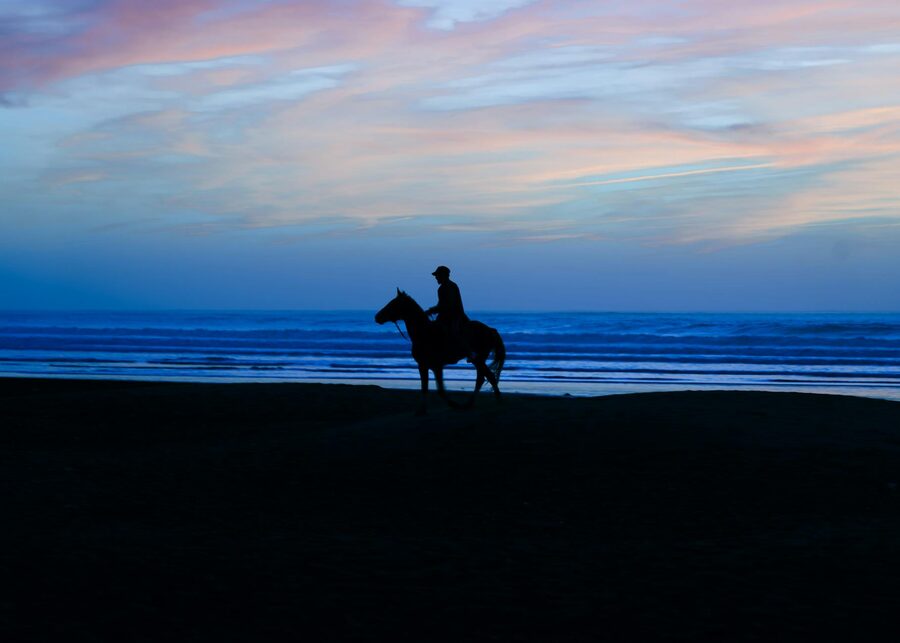
This guide covers three horseback tours I’d book, the experience level required, and how it compares to the more famous camel option.
- Three Marrakech Horseback Tours Worth Booking
- What the Experience Is Really Like
- Tour #1 — Private Horseback Tour in the Palm Grove with Tea (Top Pick)
- Marrakech: Private Horseback Tour in Palm Grove with Tea — per person
- Beginner vs Advanced — Which Ride Fits You
- Tour #2 — Desert and Palmeraie Horse Riding Tour
- Marrakech: Desert and Palmeraie Horse Riding Tour — per person
- Tour #3 — Palm Grove Horseback Riding Tour
- Marrakech: Palm Grove Horseback Riding Tour — per person
- What to Wear
- Horse vs Camel — The Honest Comparison
- When to Ride
- Safety and Comfort
- The Tea Break Experience
- Can You Ride in Essaouira or Other Places?
- Fitting Horseback Riding Into a Marrakech Trip
- Stable Quality and Horse Welfare
- Photography While Riding
- Booking Tips
- Frequently Asked Questions
- The Barb Horse — What You’re Actually Riding
- Longer Multi-Day Trek Options
- What NOT to Do on a Horse
- My Bottom Line
Three Marrakech Horseback Tours Worth Booking
Horse riding tours in Marrakech range from $30 for a 1-hour beginner ride to $90 for a 2-hour private tour. Most travelers should spend $30-50 for a 90-minute group ride with tea.
My top pick is the $33 Marrakech: Private Horseback Tour in the Palm Grove with Tea — an extraordinary 1,092 detailed responses at 4.8 stars. For a slightly longer ride including desert sections, book the $44 Desert and Palmeraie Horse Riding Tour. For a straightforward palm-grove focused ride, go with the $44 Marrakech: Palm Grove Horseback Riding Tour.
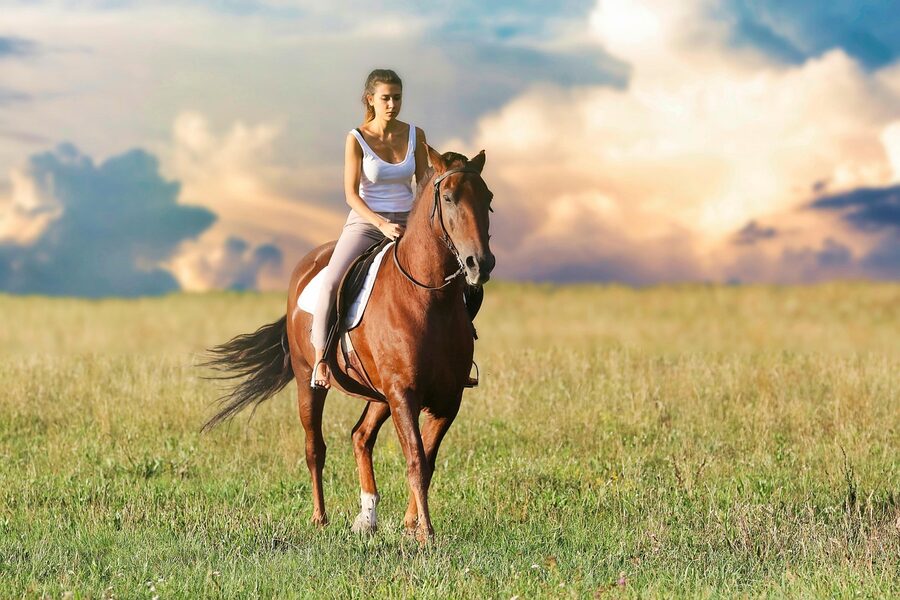
All three include hotel pickup. Budget 2.5-3 hours door-to-door.
What the Experience Is Really Like
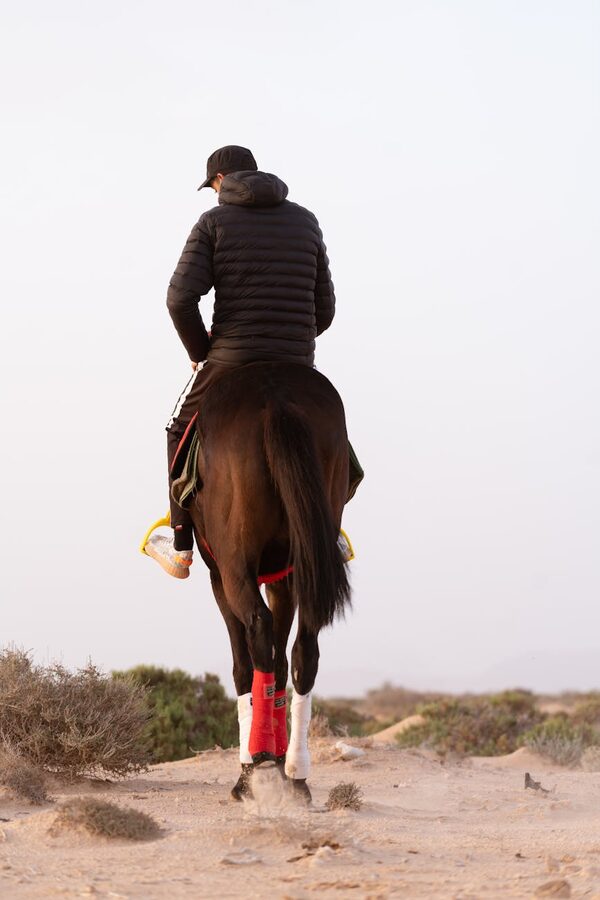
The staging stables are on the edge of the Palmeraie, usually north of Marrakech. You get a helmet (mandatory), mount with the handler’s help, and start with a walking-paced warm-up along a sandy path. Beginners stay at the walk; experienced riders can trot and canter on the longer stretches.
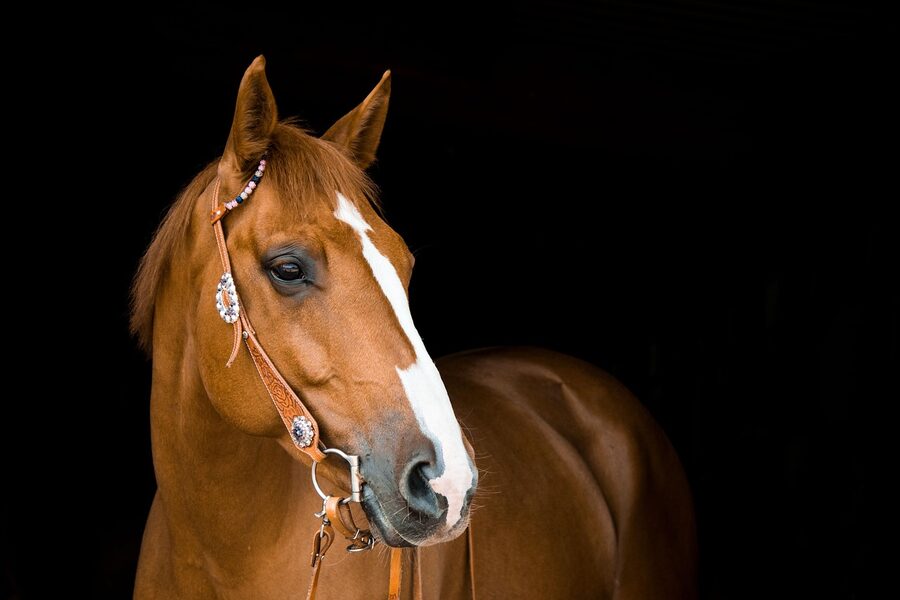
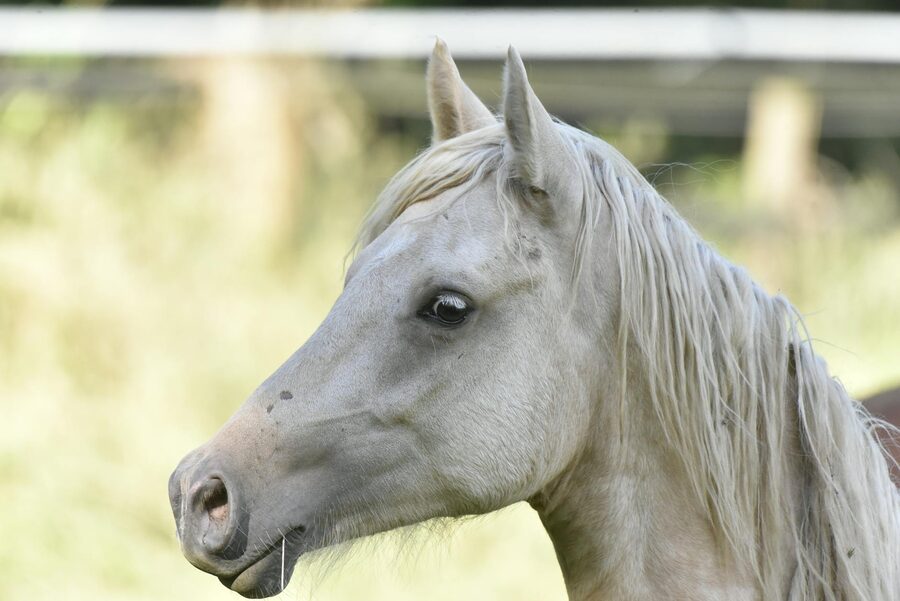
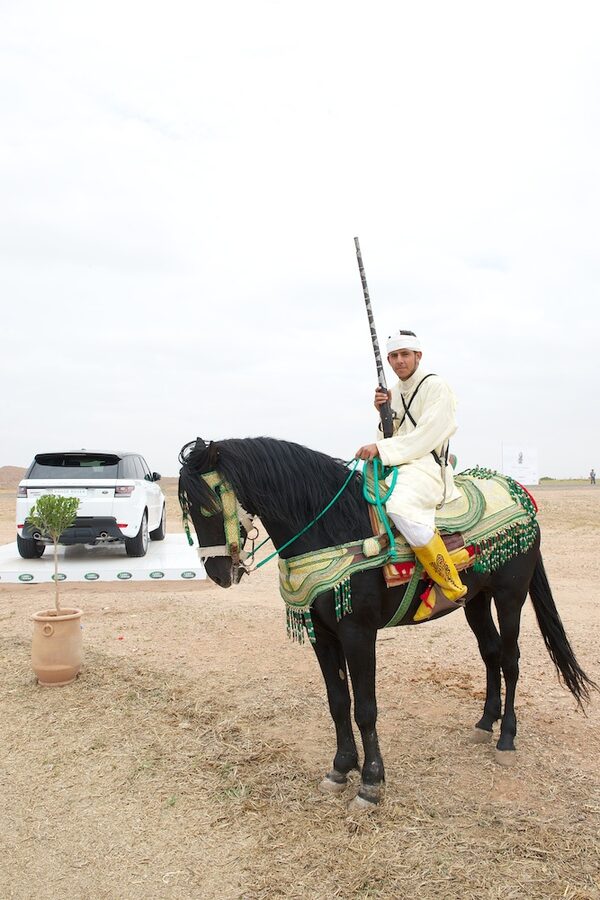
The horses are Barb or Arabian-Barb mixes. They’re sturdy, sure-footed, and bred for desert and rocky terrain. Don’t expect thoroughbreds — these animals are working horses.
A handler walks alongside for absolute beginners (or in front with a lead rope). More experienced riders ride in a line behind a lead guide. Total distance 6-10km at a combination of walk and trot.
Tour #1 — Private Horseback Tour in the Palm Grove with Tea (Top Pick)
Marrakech: Private Horseback Tour in Palm Grove with Tea — $33 per person
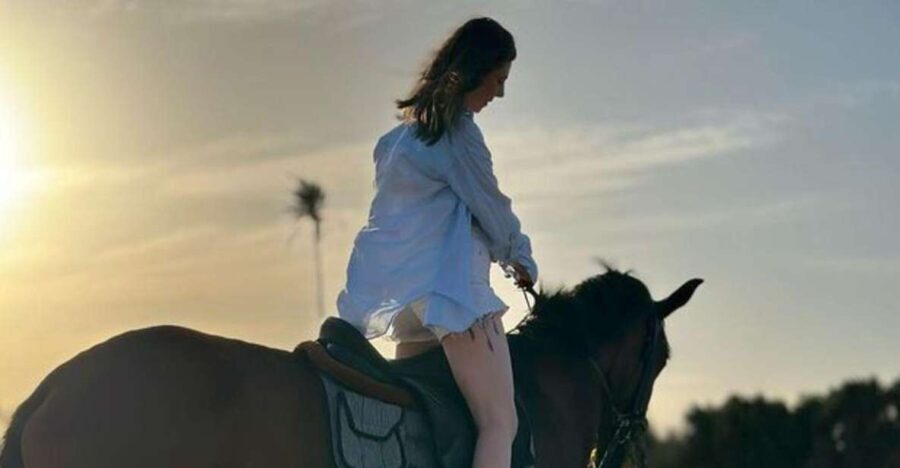
90-minute private horseback ride through the Palmeraie followed by traditional Moroccan tea. Small group size (often just you and a guide), which means the pace flexes to your comfort level.
Works for complete beginners and advanced riders alike. Tell the operator your skill level at booking so they match your horse and pace. Helmets and small refreshments provided.
4.8 stars across 1,092 detailed responses — industry-leading. See the full tour in our Palm Grove horseback review.
Beginner vs Advanced — Which Ride Fits You
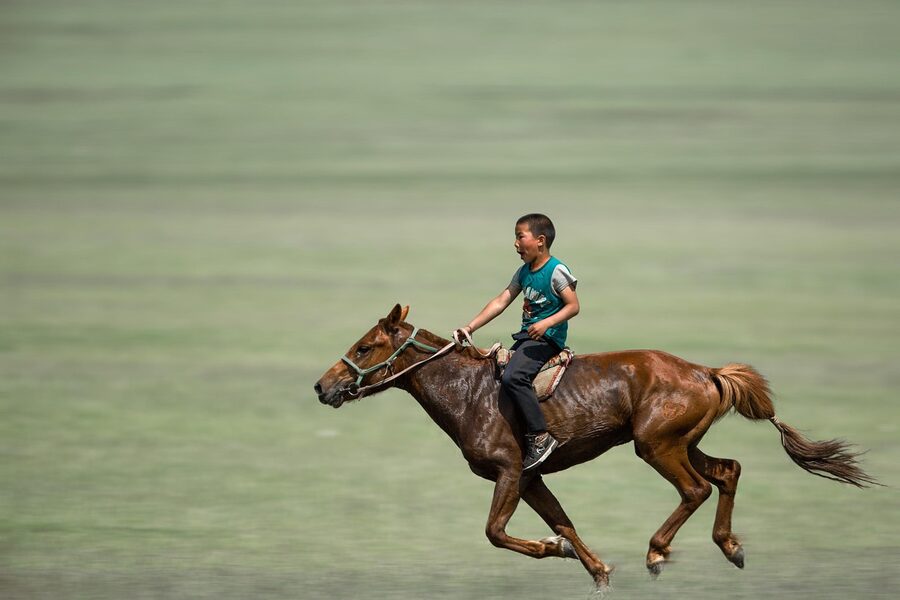
Beginner (never ridden or <5 hours experience): Tour #1 is ideal. Private pace, handler walking alongside, walking gait throughout. Confidence builds fast; by the end of the hour most beginners are comfortable.
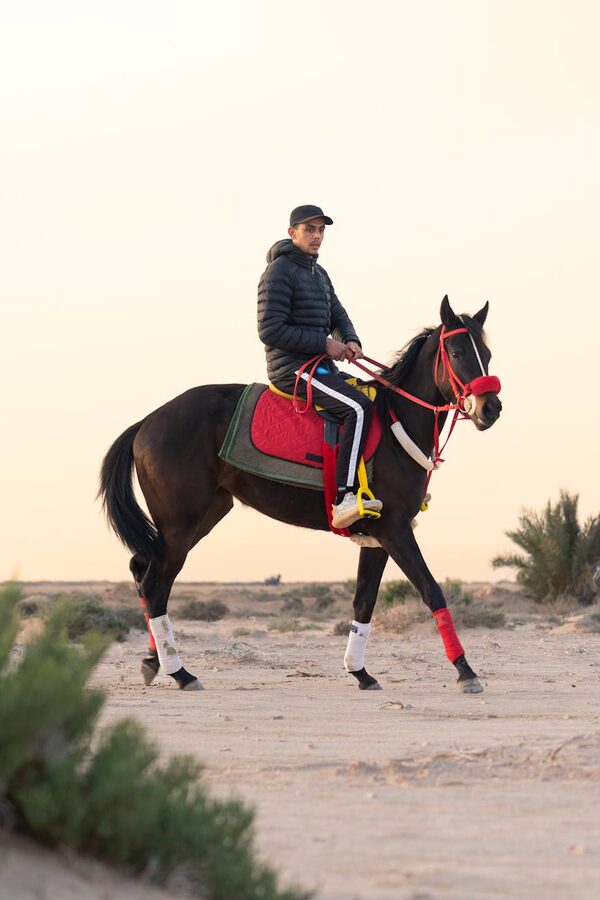
Intermediate (50-200 hours experience): Tour #2 or #3. You’ll trot and canter in open stretches. Handler stays ahead, not alongside.
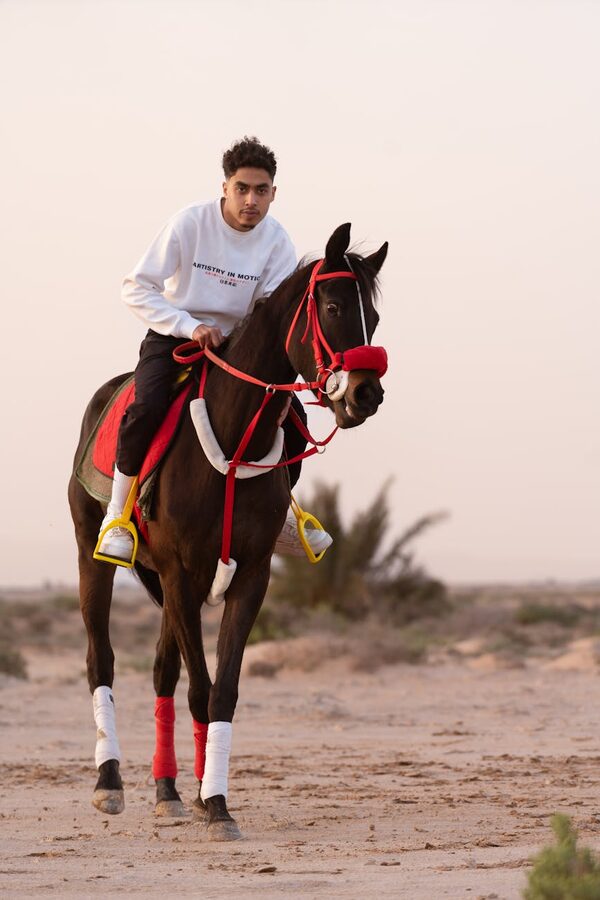
Advanced (regular rider): request a more spirited horse and ask about longer or private routes. Operators will adapt; some offer specialized 3-4 hour advanced rides.
Tour #2 — Desert and Palmeraie Horse Riding Tour
Marrakech: Desert and Palmeraie Horse Riding Tour — $44 per person
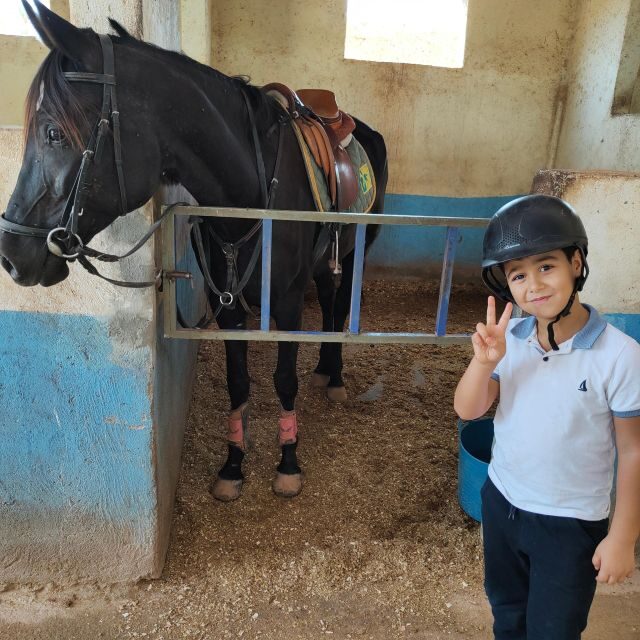
Two-hour ride mixing palm grove paths with open desert plains. More varied terrain than Tour #1, plus hotel transfer in air-conditioned vehicle. Group typically 6-10 riders.
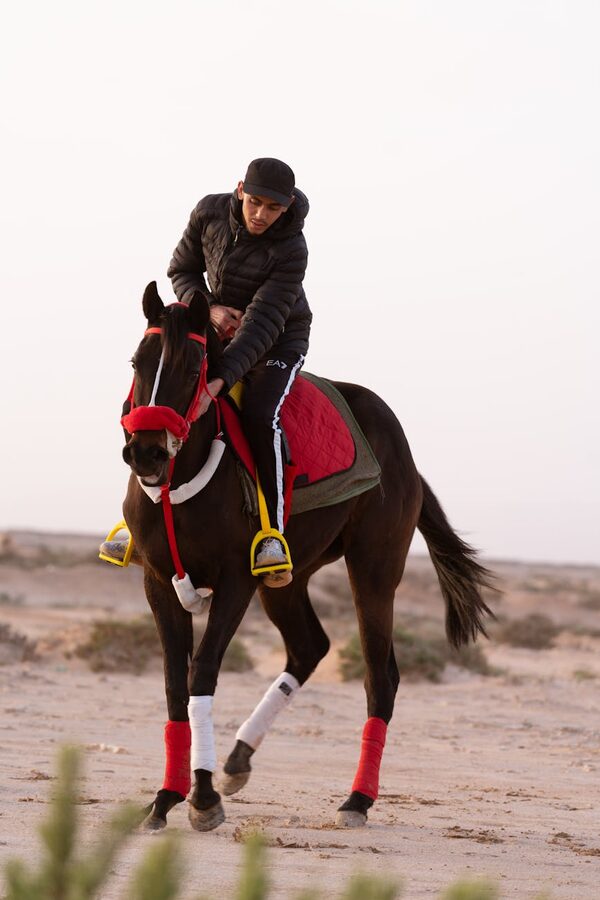
The mix of terrain means you move through shaded groves, cross a dry wadi, and reach open desert with Atlas views. Handler rides at front; pace stepped up for open stretches.
4.8 stars across 221 detailed responses. Full tour flow in our Desert and Palmeraie horse tour review.
Tour #3 — Palm Grove Horseback Riding Tour
Marrakech: Palm Grove Horseback Riding Tour — $44 per person
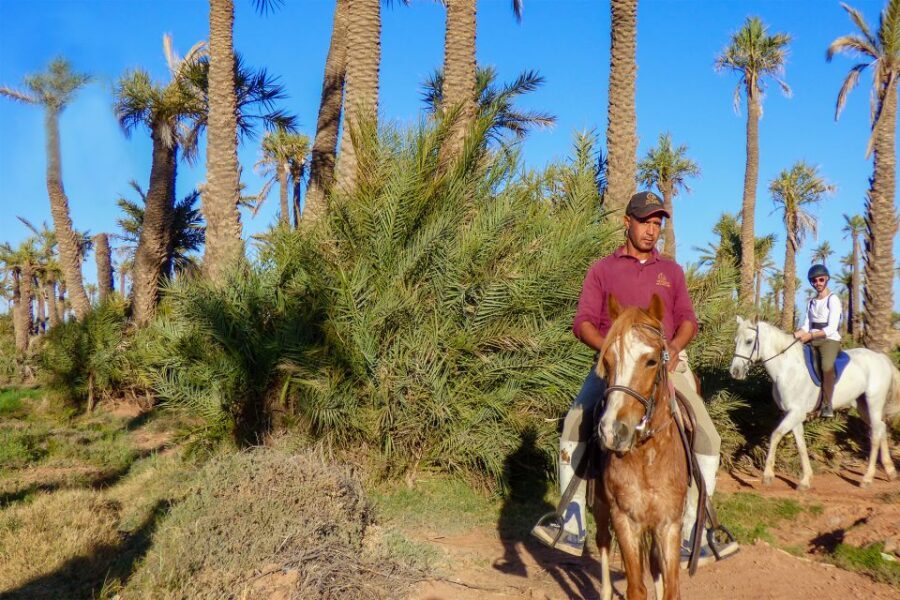
2-hour ride exclusively in the Palmeraie — more shade, more scenic palm paths, less open desert. Best for those who want the quiet, shaded experience rather than the open plains.
Pacing is gentler than Tour #2 because the terrain is softer. Good intermediate tour if you want a longer ride without stepping up to trot/canter intensity.
4.6 stars across 163 detailed responses. Details in our Palm Grove horseback riding tour review.
What to Wear
Long pants (jeans or riding pants). Closed shoes with a small heel (running shoes work; no sandals, no flip-flops). Shirt with sleeves. Helmet is provided by the stable.
If you have your own helmet or gloves, bring them. Rental helmets fit but aren’t always the right size.
Bring sunscreen, water bottle, and small camera (horses handle cameras fine; just hold in one hand). Avoid valuable jewelry; it can catch on reins.
Horse vs Camel — The Honest Comparison
Horse: smooth, fast, responsive, more engaging. Better for anyone with riding experience or wanting active participation. Harder on your legs and lower back if you’re out of shape.
Camel: slow, passive, safer, lower effort. Better for complete beginners, tall passengers, or those who want to look around rather than steer.
Pick horse if you’ve ridden before and like the experience; pick camel if you want the slow cultural ride without any work.
When to Ride
Sunrise (6:30-8am): best light for photos, coolest air, fewest tourists. Horses are fresh. Booking in peak season usually has availability.
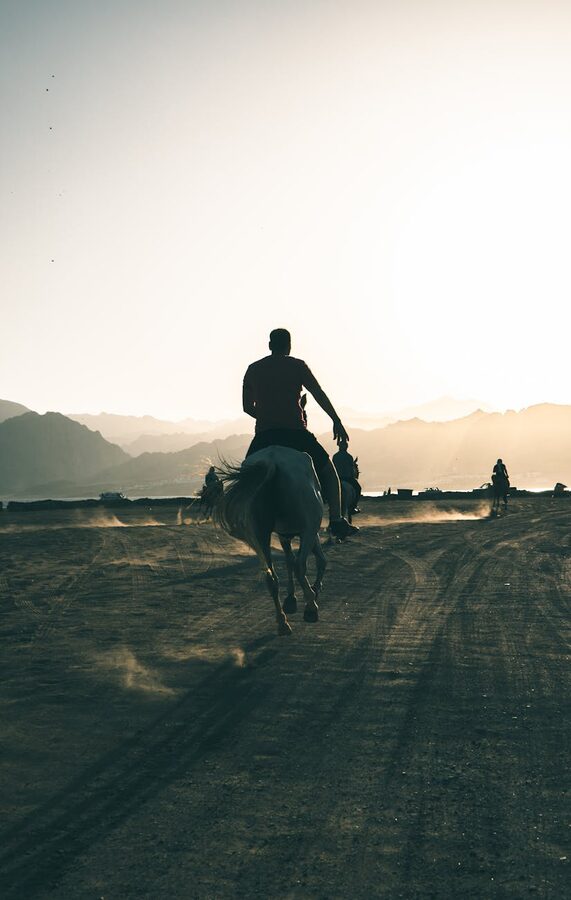
Sunset (5-7pm): golden light, popular with couples. Book 2-3 days ahead.
Mid-day in summer: avoid. Heat stress affects both horse and rider. Operators often close 11am-3pm in June-August.
Safety and Comfort
Minimum age is usually 8 for the walking tour, 14 for any ride that includes trot or canter. Operators require parental sign-off for under-18s.
Maximum weight varies by horse but is typically 100kg. Notify the operator if you’re over 90kg; they’ll allocate a larger horse.
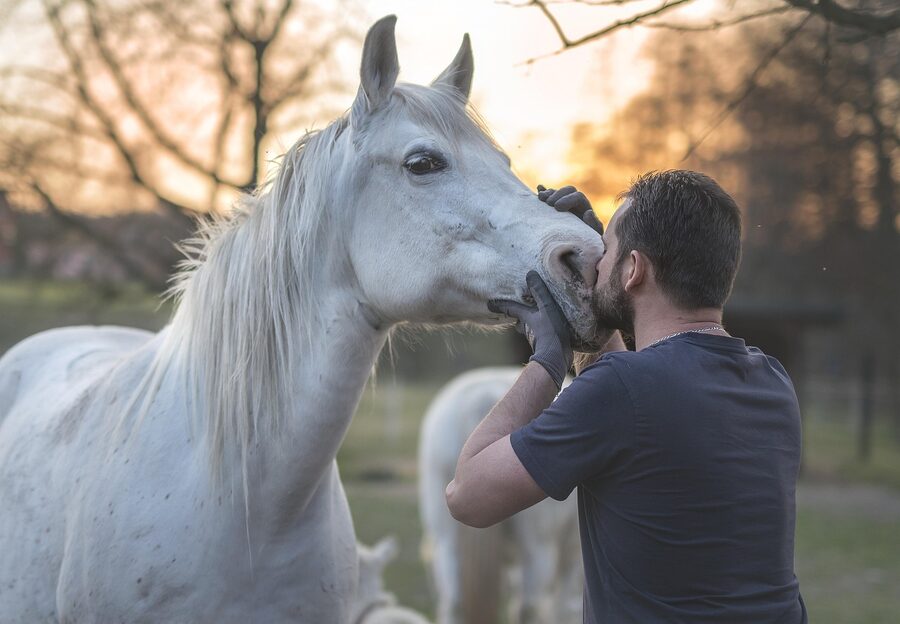
Horses are calm and used to tourists. No reported fall injuries in recent years for the major Marrakech operators. Follow the handler’s instructions and you’ll be fine.
The Tea Break Experience
Nearly all tours include a Moroccan tea break mid-ride at a Berber tent or stable. Same format as camel tours — strong mint tea, honey pastries, 15-20 minutes off the horse.
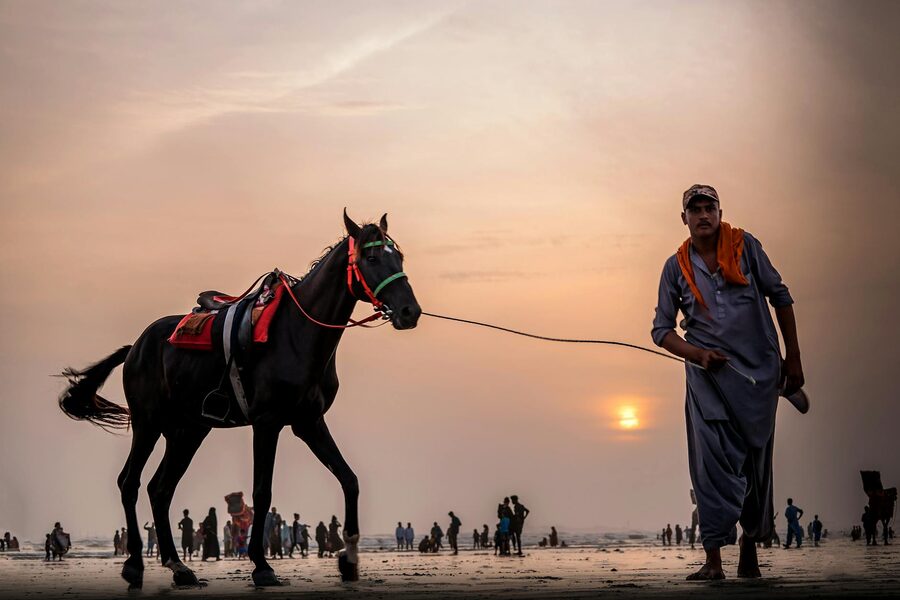
Stretch your legs, drink tea, photograph the horses. The break is also when you tip the handler if you’re satisfied.
Can You Ride in Essaouira or Other Places?
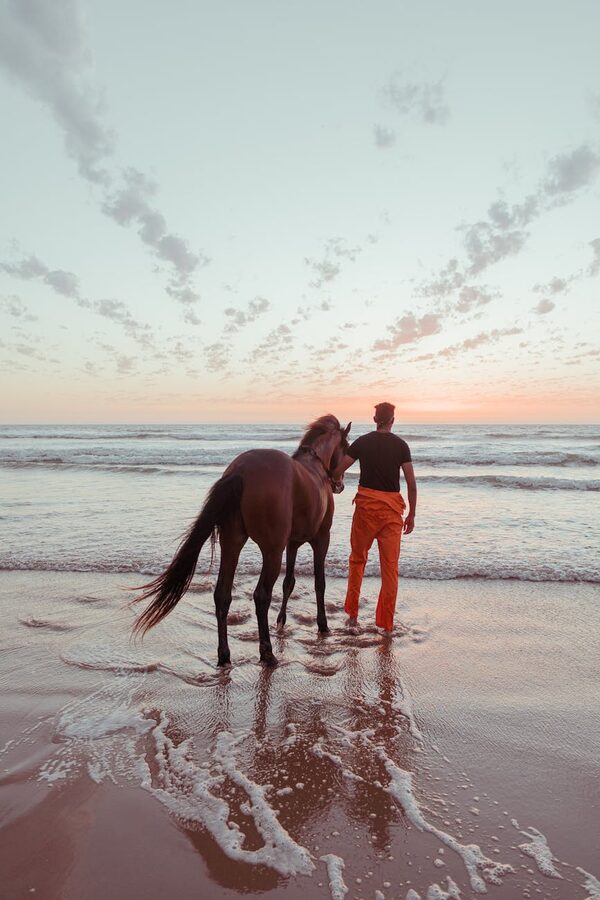
Yes. Essaouira has beach horseback riding on the Atlantic — more dramatic than Marrakech’s palm groves. See the Essaouira day trip guide for more on that coastal option.
Ourika Valley also offers horseback rides but they’re less established. The High Atlas has multi-day horse treks for experienced riders.
Fitting Horseback Riding Into a Marrakech Trip
Do the horse tour early in your trip — before your legs are tired from medina walking and before your culture days. Pair it with a pool afternoon at your riad.
Classic itinerary: day 1 medina, day 2 horseback morning + hammam afternoon (see Hammam guide), day 3 Bahia Palace (see Bahia Palace tour), day 4 Ourika Valley (see Ourika guide).
Stable Quality and Horse Welfare
The major Marrakech operators (the three tours recommended here) maintain visible welfare standards — horses with good body condition, clean stables, proper hoof care, and rotation between work and rest.
Walk through the stable before mounting. Horses should have water available, adequate shade, clean bedding, and visible tack that fits properly. If something looks off, ask about it.
Pre-booking through Viator or GetYourGuide gives you recourse if standards aren’t met. Smaller walk-up operators near the Palmeraie don’t have the same accountability.
Photography While Riding
Phone in hand is fine for walking-paced sections. A small mirrorless or DSLR works if you have a strap. GoPro on the helmet captures great POV video without impacting the ride.
Best photo opportunities: the tea break (horses posed), the approach through palm groves (framed shade shots), and sunset silhouettes if you’re on the evening tour.
Ask the handler to take group photos at the main scenic stops. They know the good angles and understand cameras.
Booking Tips
Book 2-3 days ahead in peak season (October-April). Sunrise and sunset slots fill first. Book online (cheaper than at the stable gate and includes hotel transfer).
Don’t book combo tours (horse + quad + camel in one day) — too much for most riders and each activity gets rushed. Pick the horse ride and make it a half-day alone.
Confirm helmets, transfer, and refreshments are included in the price. Some cheap tours advertise low rates then charge extra on-site for these.
Frequently Asked Questions
Do I need riding experience? No. Tours are designed for beginners. Handlers walk beside complete novices.
What if I’m afraid of horses? Skip it and book the camel ride instead. Horses can sense anxiety.
Is a helmet provided? Yes, rental helmets are provided. Bring your own if you prefer.
Can I trot or canter? Yes, if you have experience. Tell the operator your skill level at booking.
Are tours wheelchair accessible? No. You need mobility to mount a horse and stay balanced.
Are horses well-handled? Yes at the three major operators recommended here. Animals show signs of rest, good feed, and proper hoof care.
Can I gallop? Usually not on standard tours. Multi-day treks allow gallop in appropriate open sections.
What about pregnant women? Skip horseback riding during pregnancy.
What if I’m overweight? Tell the operator at booking. Max 100-120 kg depending on horse; larger riders get sturdier animals.
Can I wear jeans? Yes. Jeans work fine for short tours. For longer rides, proper riding pants (jodhpurs) are better.
Do I tip? Yes, 50-100 dirham per rider for the handler. If the operator includes a groom and guide, split between them. Pay at the tea break.
The Barb Horse — What You’re Actually Riding
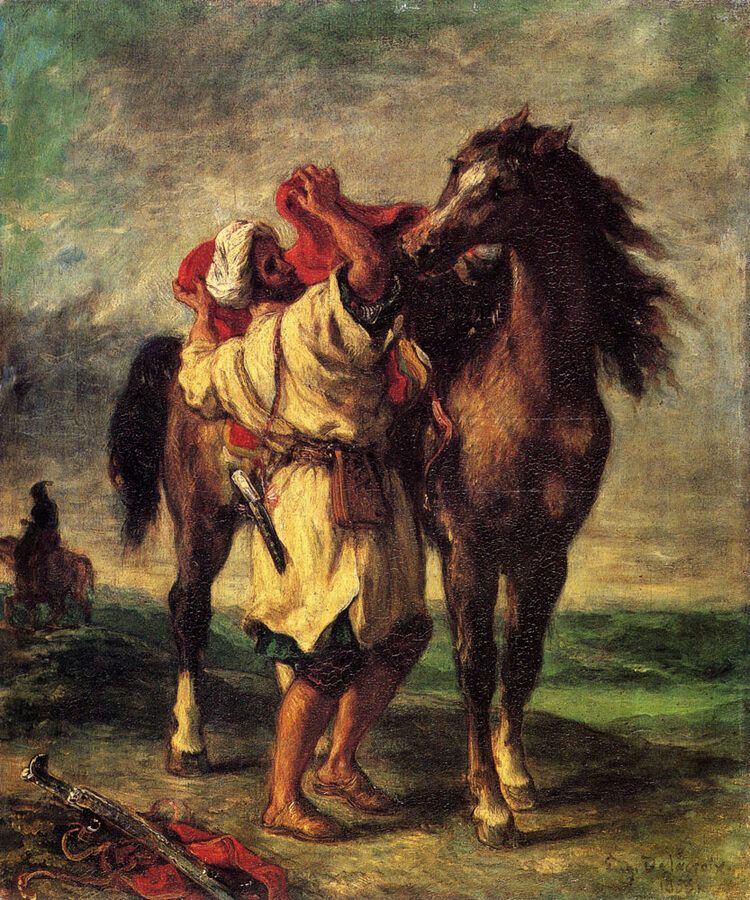
Most Marrakech tour horses are Barb horses or Arab-Barb crosses. The Barb (also spelled Berber) is one of the oldest horse breeds in the world — developed in North Africa over 2,000 years ago and the primary ancestor of many European horse breeds including the Thoroughbred.
Barbs are compact (14-15 hands), hardy, and surefooted. They handle rocky terrain and heat better than most breeds. Their gait is smoother than a Quarter Horse or most European warmbloods.
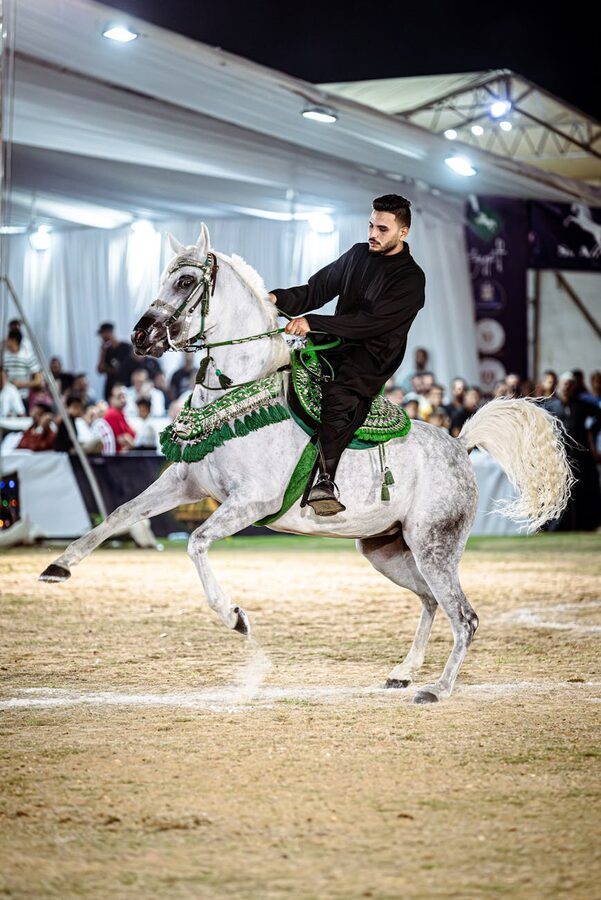
Arab-Barb crosses combine the endurance of the Arabian with the sturdiness of the Barb. This is the ideal desert tour horse — willing, calm, and durable.
If you’re a horse person, ask the operator what breeds they have. Purebred Barbs are relatively rare; most Marrakech tour horses are mixed but genuinely capable animals.
Longer Multi-Day Trek Options
If a 1-2 hour ride isn’t enough, some operators offer multi-day horse treks into the Atlas foothills or through the Agafay desert. These run 2-5 days and require at least intermediate riding experience.
Prices run $150-300 per day including food, accommodation in Berber guesthouses, and all horse gear. Perfect for experienced riders who want a serious riding holiday rather than a tourist photo opportunity.
Book through specialist operators, not the standard tour platforms. The multi-day treks aren’t listed on Viator or GetYourGuide.
What NOT to Do on a Horse
Don’t approach a horse from behind without announcing yourself. Don’t feed horses from your hand unless the handler explicitly offers. Don’t pull sharply on the reins.
Don’t photograph with flash — it can startle horses at night. Don’t let your camera strap dangle where it can catch on reins or saddle. Keep your feet flat in the stirrups.
If your horse stops to urinate, stay still. If it stops to eat, let the handler correct it — don’t kick. Horses kick when surprised, not when given clear signals.
My Bottom Line
Marrakech horseback riding is the most active of the Palmeraie tours and the one that properly engages you as a rider. The horses are well-handled, the routes are scenic, and the operators are professional.
Book the $33 Private Horseback Tour in Palm Grove with Tea for the best-reviewed and most-booked option. Upgrade to the $44 Desert and Palmeraie Tour for mixed terrain. Pick the $44 Palm Grove Horseback Tour for shade-focused riding.
Long pants, closed shoes, sunscreen. Tell the operator your skill level. Tip the handler. And if you have riding experience, request a more spirited horse for a better ride.
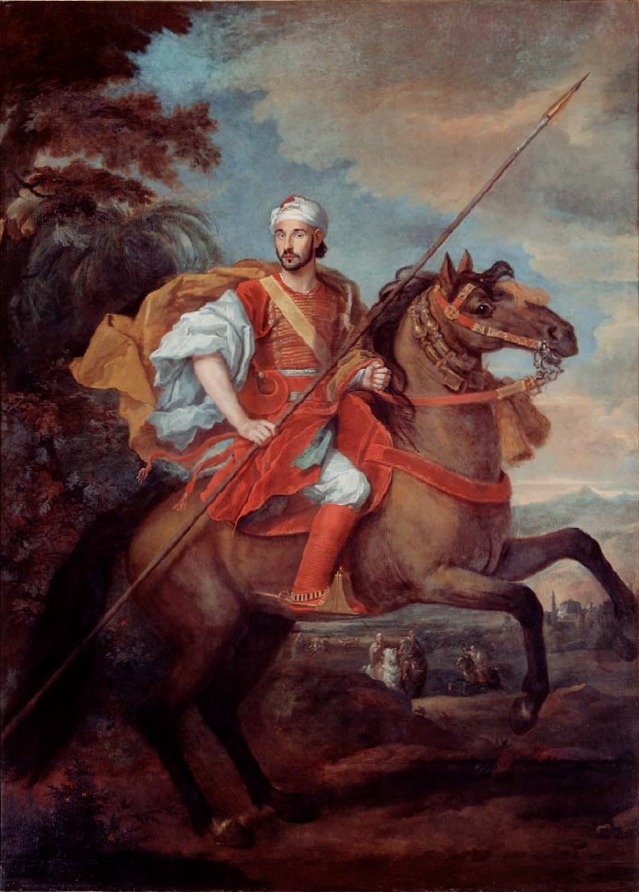
One final note — Moroccan horses deserve respect. The Barb is one of the foundational breeds in equestrian history, and the animals you’ll ride descend from stock that carried armies across North Africa for a thousand years. Treat them well, thank the handlers, and you’ll have an experience that most travelers overlook in their rush to ride a camel.
For a broader picture of Marrakech’s adventure activities, see also the camel ride guide, quad bike tour guide, and buggy tour guide.