
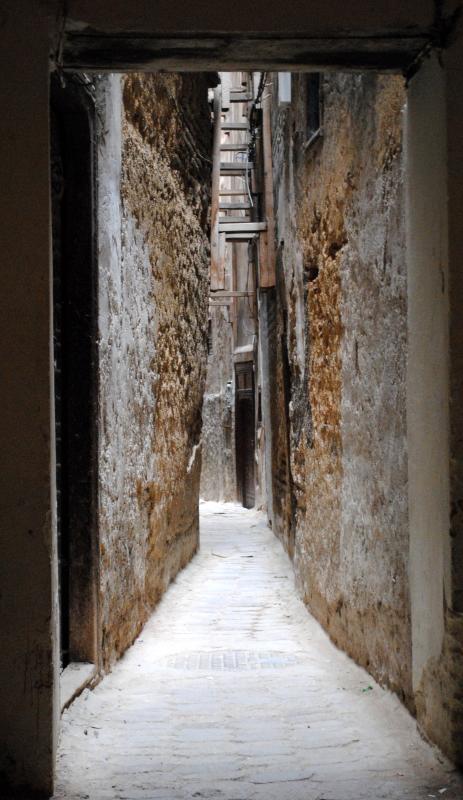
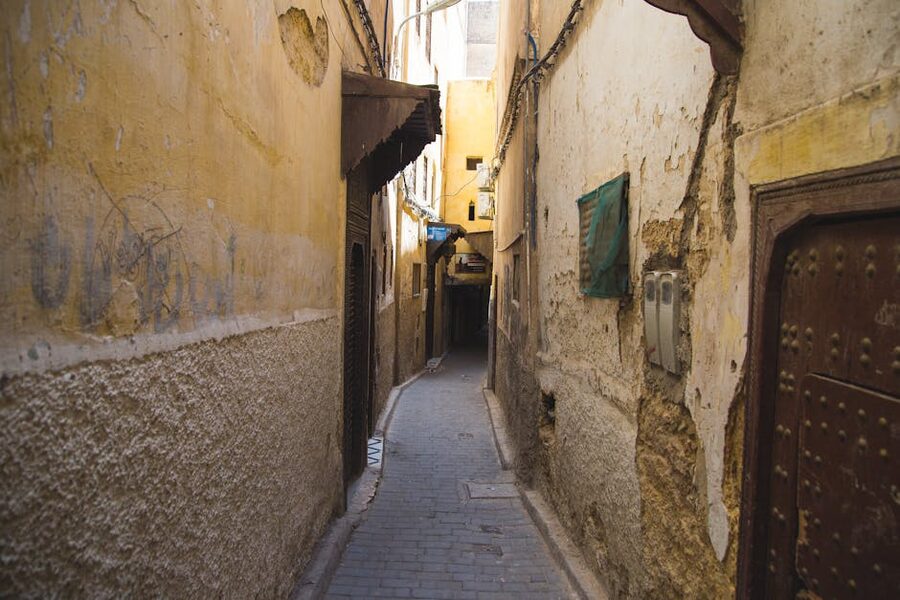
I got lost in Fez medina within 20 minutes of entering. My phone showed three different streets simultaneously. A local pointed me toward a landmark that wasn’t actually nearby. Another guide offered to lead me out for 100 dirhams. The medina has 9,000 streets. It is not remotely navigable without help.
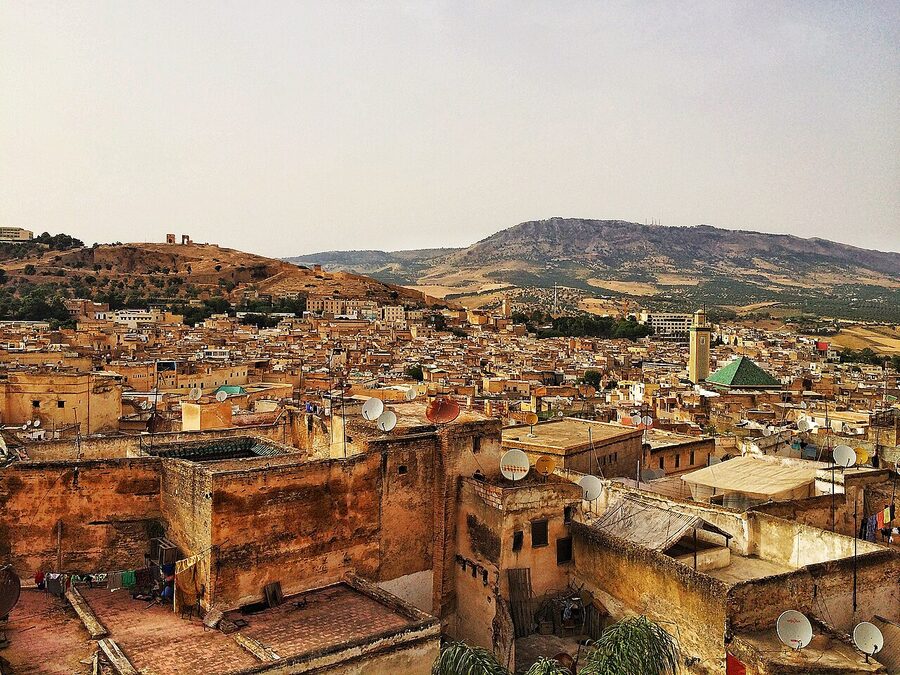
Fez is Morocco’s oldest imperial city, founded in 789 AD, and the world’s largest extant car-free urban area. The medina is UNESCO-listed, authentically medieval, and genuinely overwhelming for first-time visitors. A guided walking tour is essential.
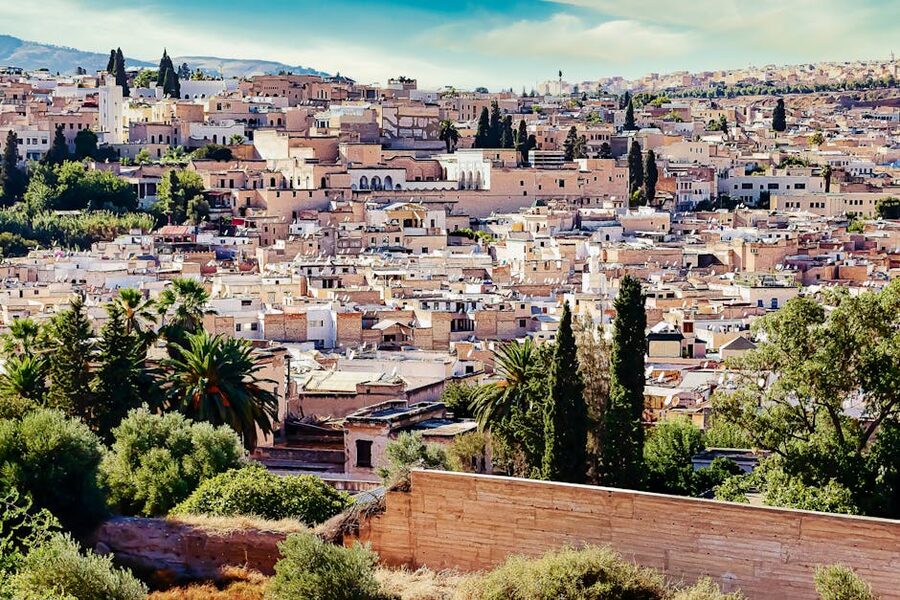
Tours range from $17 for a GetYourGuide cultural tour up to $46 for a private 4-hour walking tour for up to 7 people. Most tours combine the medina walk with a visit to the tanneries, the main madrasas, and at least one fondouk (historic caravanserai).
For a fuller day, the Volubilis + Meknes day trip adds the Roman ruins and the imperial city of Meknes to your Fez itinerary. Volubilis is one of the best-preserved Roman sites in North Africa and surprisingly few tourists know about it.

In a Hurry? Our Top Picks
Best value — 204 four-star reviews. 3-hour guided walk through the old medina.
5-star rated with 392 reviews. Private guide gives you flexibility and depth.
Group rate for up to 7. Works out at $6.50 per person for a full group. 248 reviews.
- The Fez Medina — Fes el-Bali
- Inside the Medina — What to See
- The Tanneries
- The Madrasas
- Volubilis — The Roman Detour
- Our Recommended Tours
- 1. Fez Medina Cultural Highlights —
- 2. Exclusive Private Walking Tour —
- 3. Fez Medina 4-Hour Guided Tour — for up to 7
- Practical Tips
- Fez vs Other Moroccan Medinas
- Getting There
- Is a Fez Walking Tour Worth -?
- Building Fez Into Your Morocco Trip
The Fez Medina — Fes el-Bali
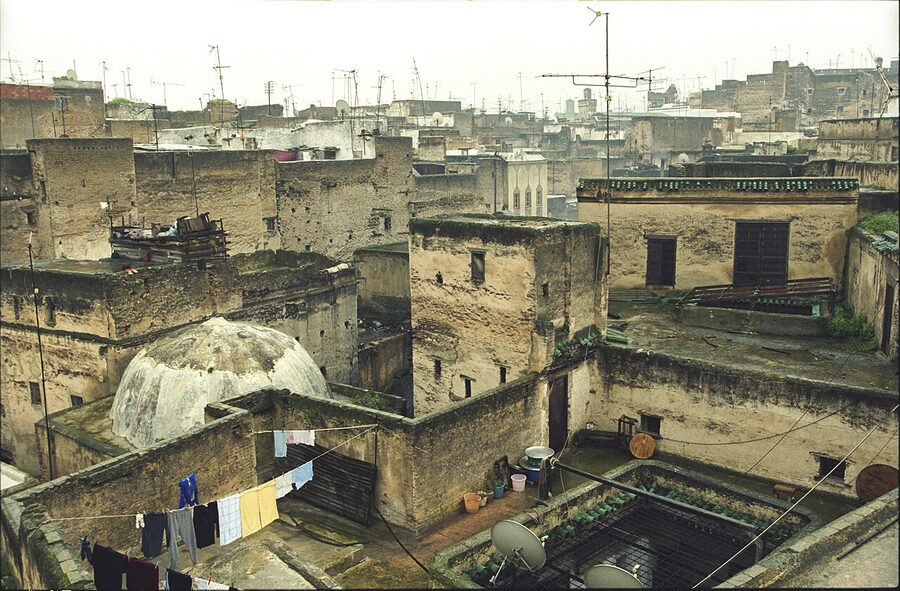
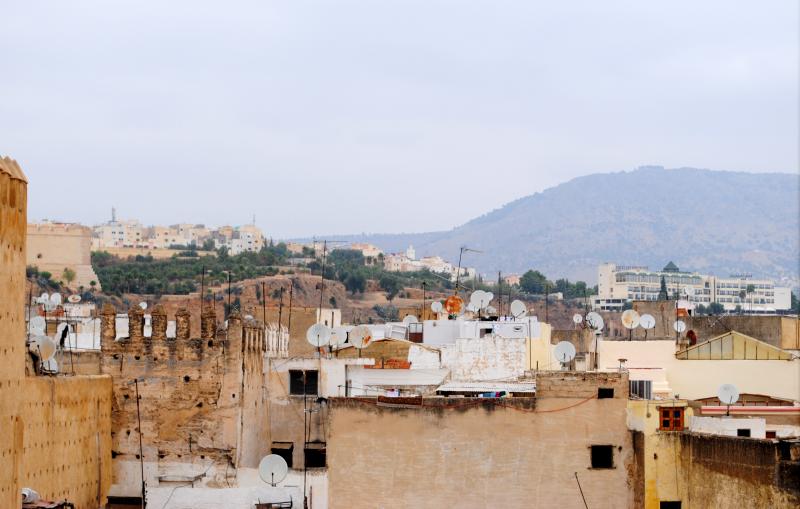
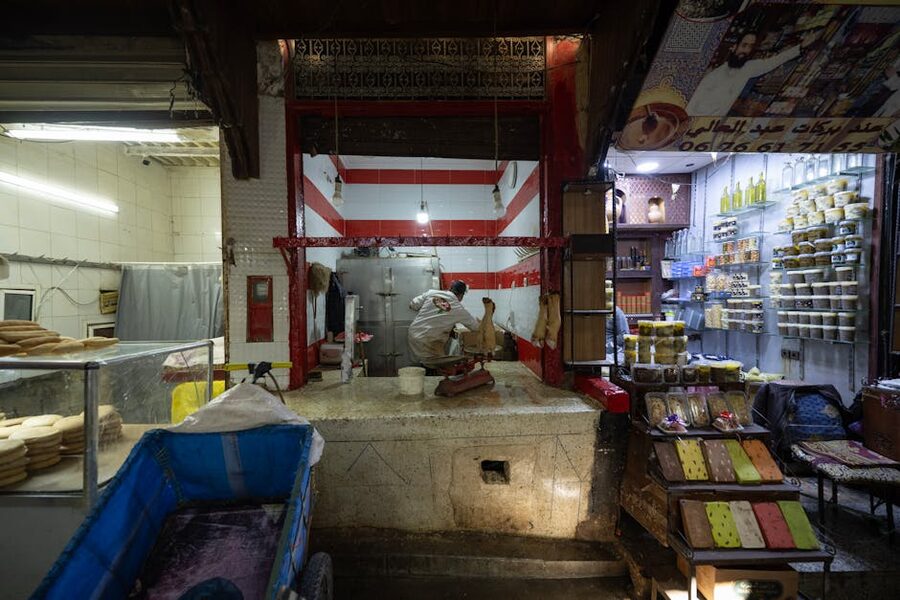
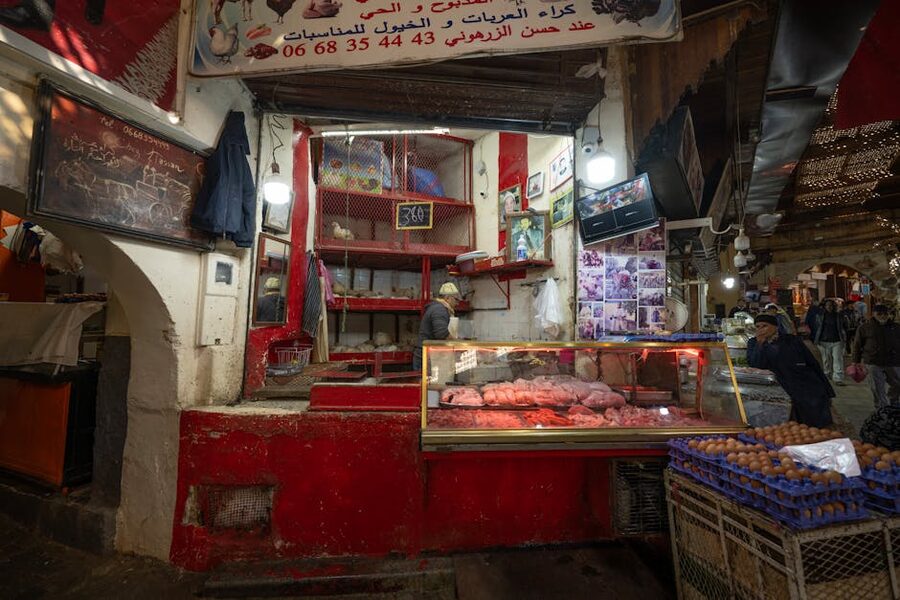
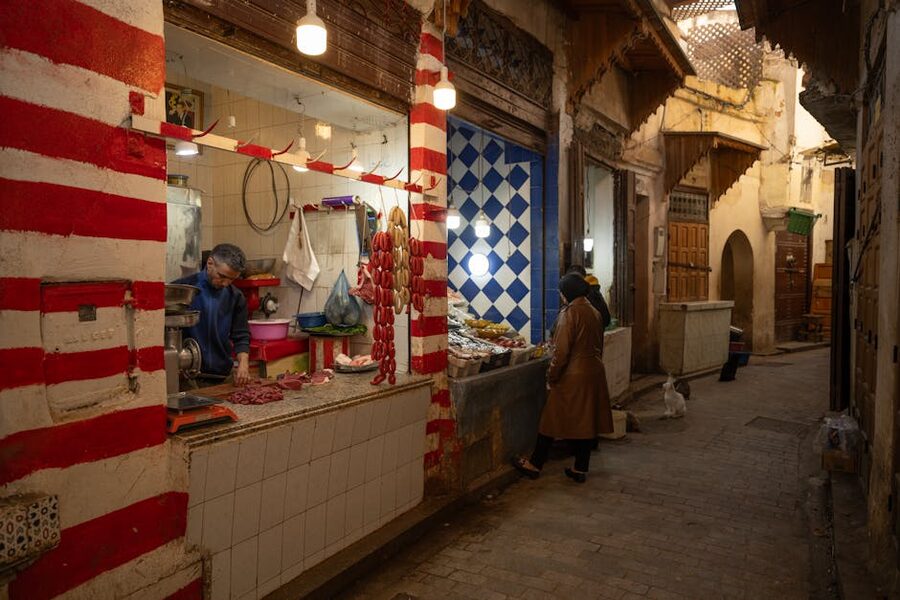
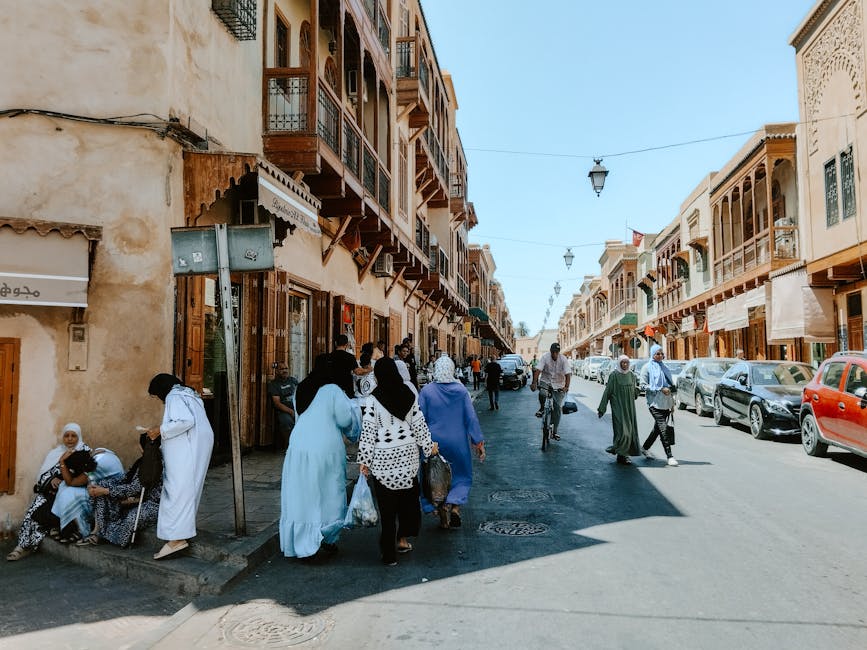
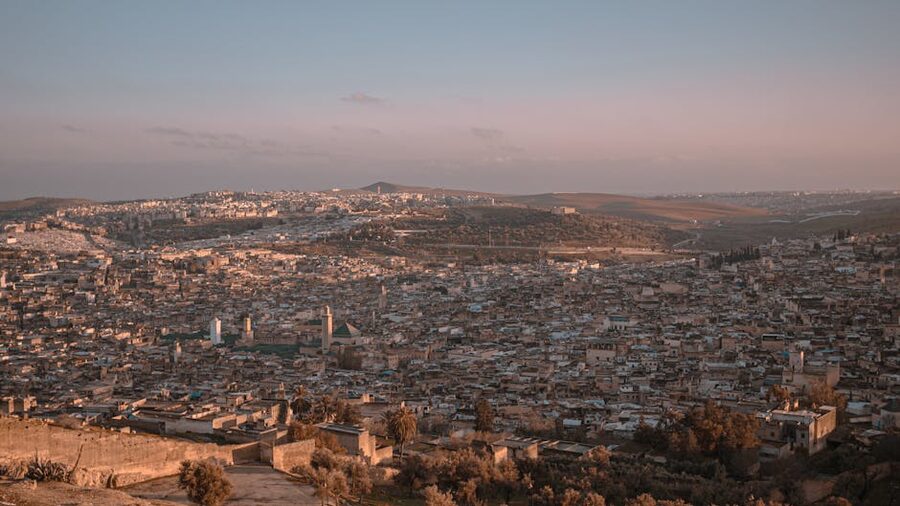
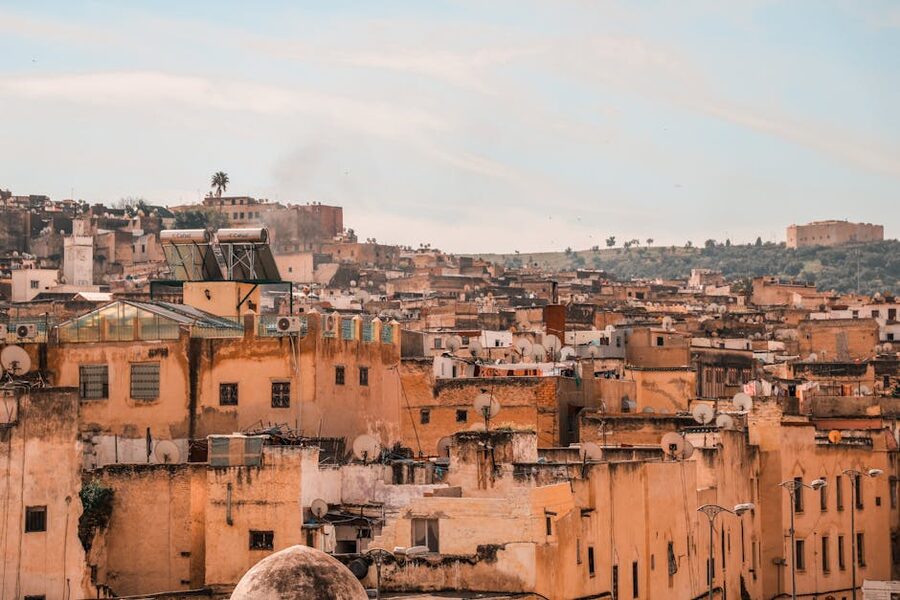
Fes el-Bali (“Old Fez”) is the original medieval city, founded in the 9th century and expanded continuously until the 14th century. It’s now home to 150,000 residents who live and work in buildings that are sometimes 600+ years old.
.jpg)
,_Fes_(6218464334).jpg)
,_Fes_(6217953305).jpg)
Inside the Medina — What to See
A standard medina tour covers a set of key stops. Your guide will pace it based on the tour length, but these are the benchmarks.
The Tanneries
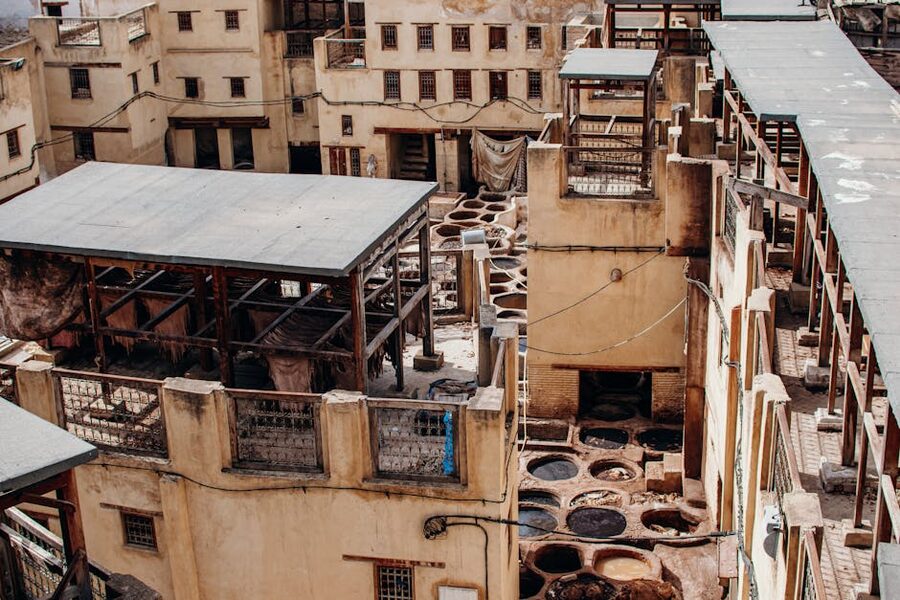
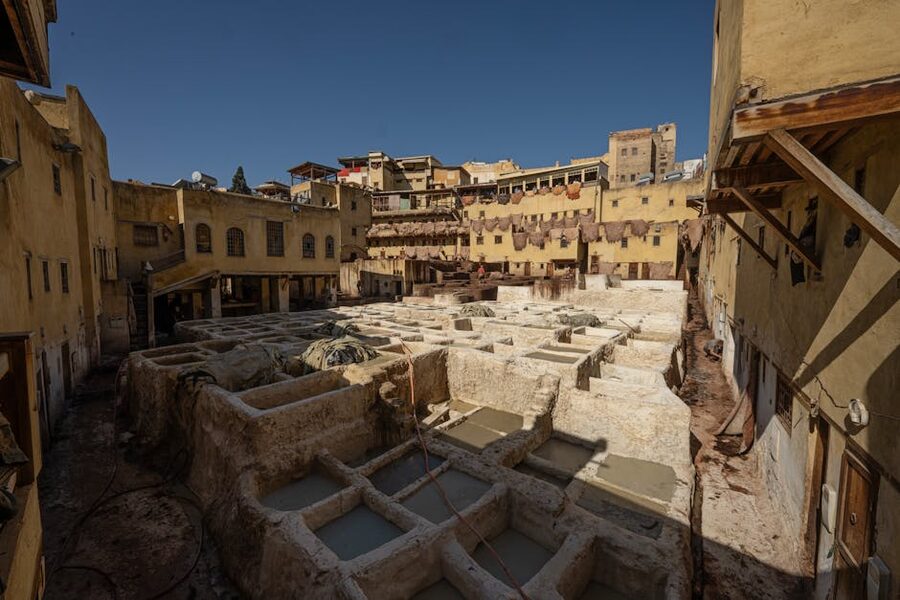
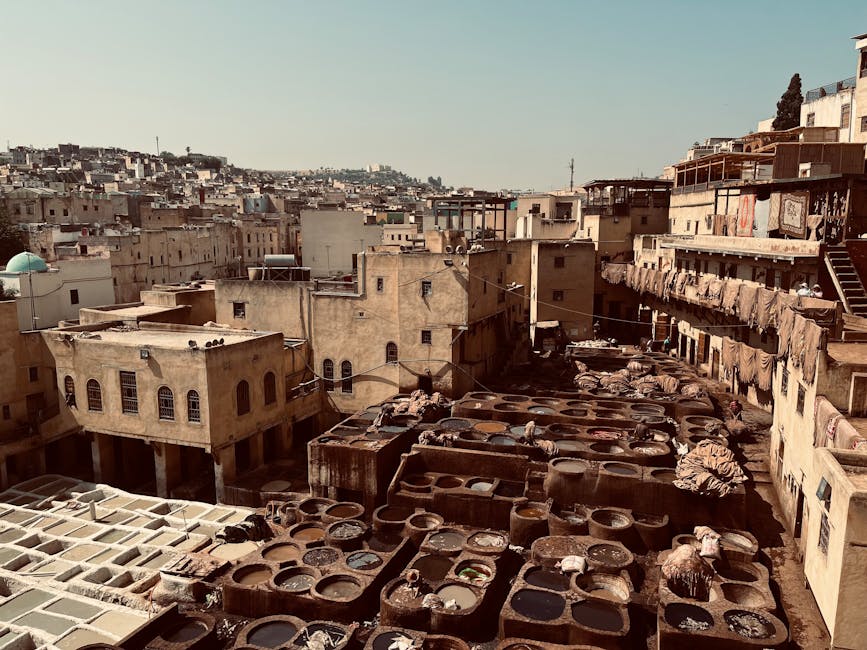
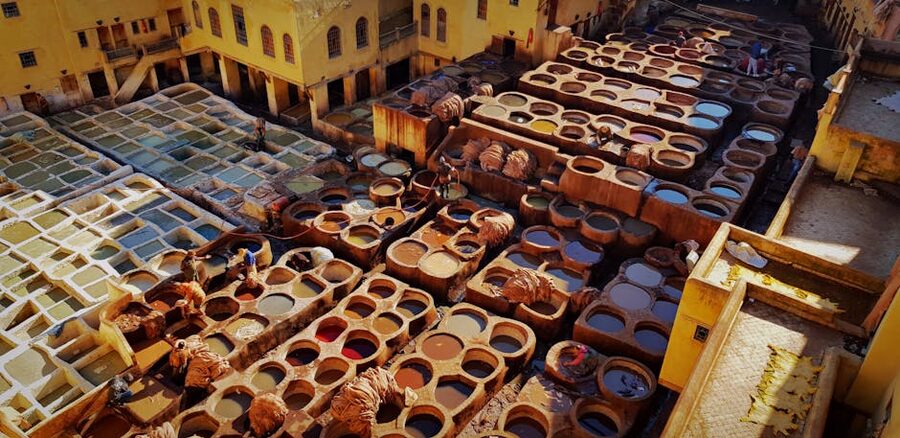
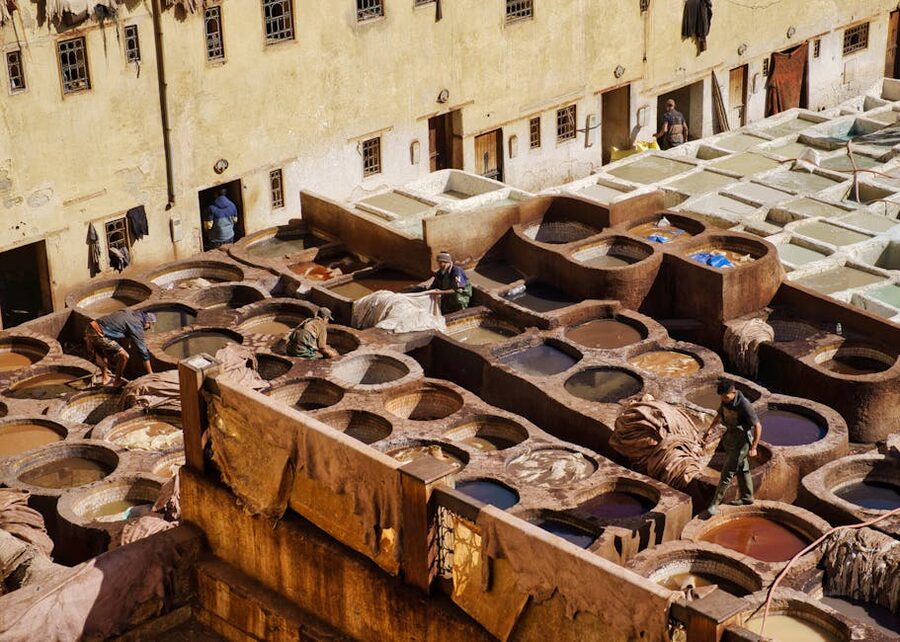
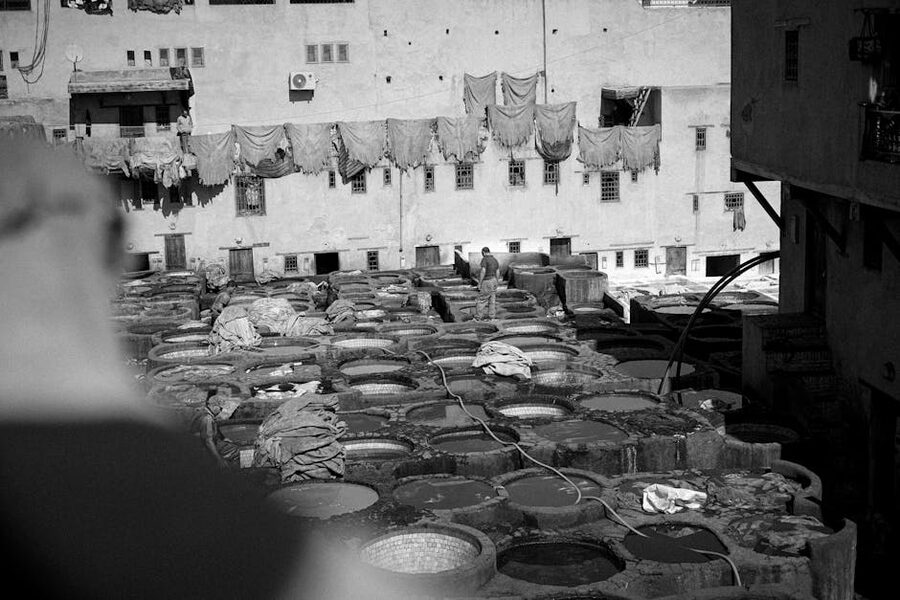
The Chouara Tannery is the oldest and most famous leather tannery in the world — operating continuously since the 11th century. You view it from elevated terraces in the surrounding leather shops; the tannery itself is on ground level.
The Madrasas
Fez has some of the world’s oldest universities. Al-Qarawiyyin (founded 859 AD) is the oldest continuously operating university in the world. The Bou Inania Madrasa (14th century) and the Attarine Madrasa (14th century) are both open to visitors and feature extraordinary zellige tile work, carved plaster, and cedar woodwork.
Volubilis — The Roman Detour
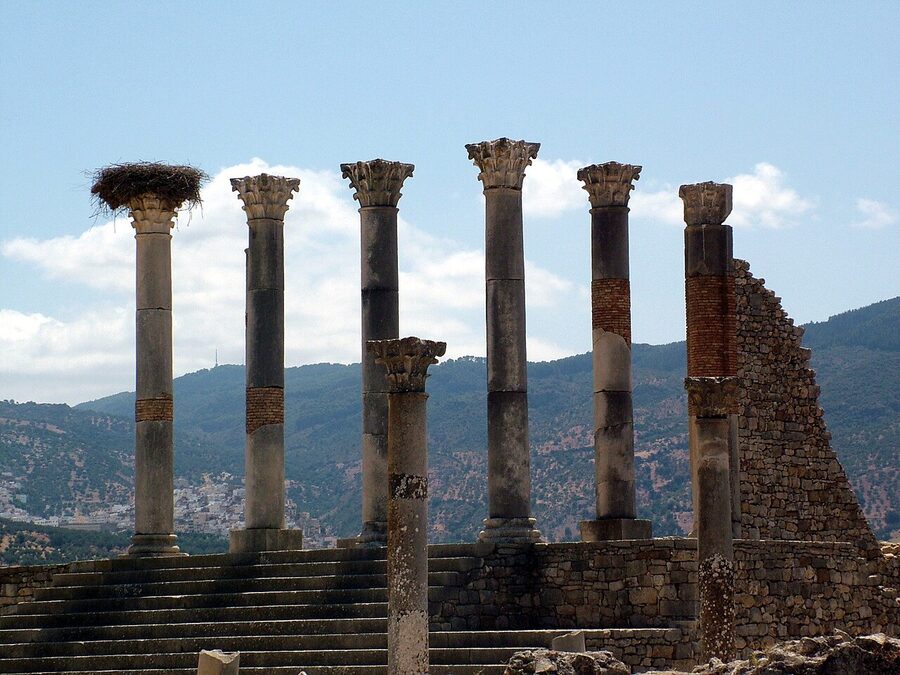
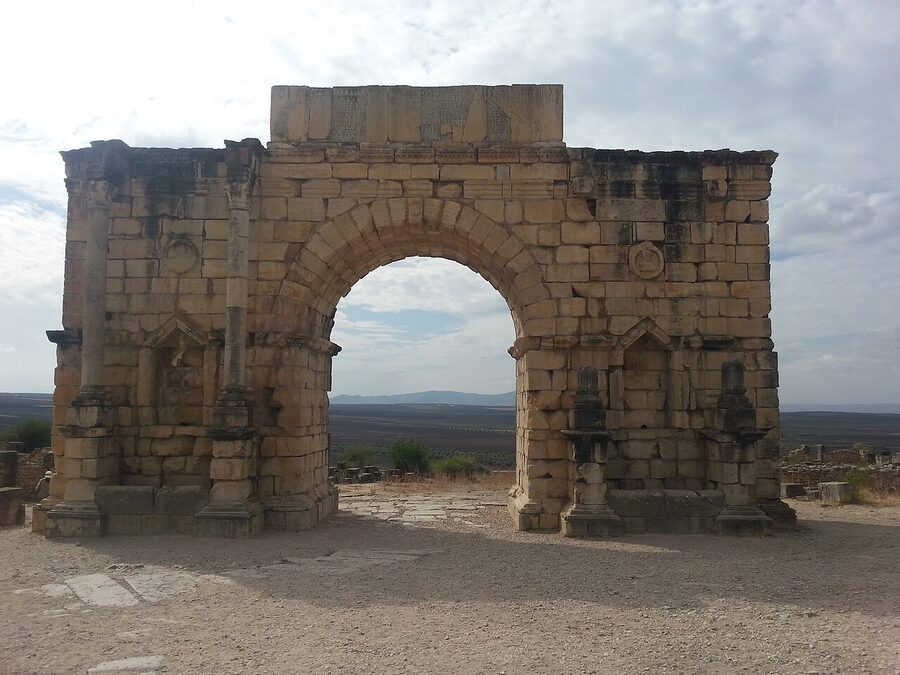
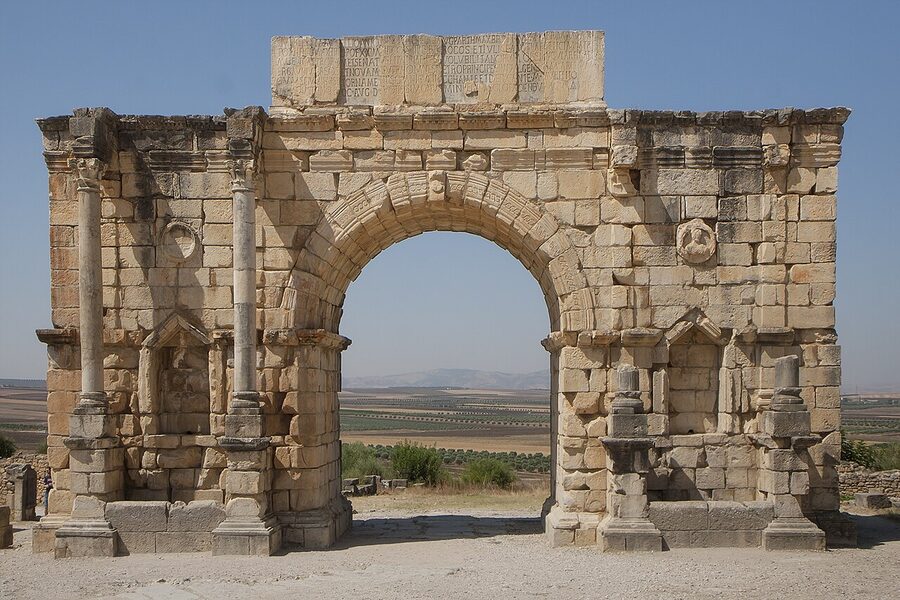
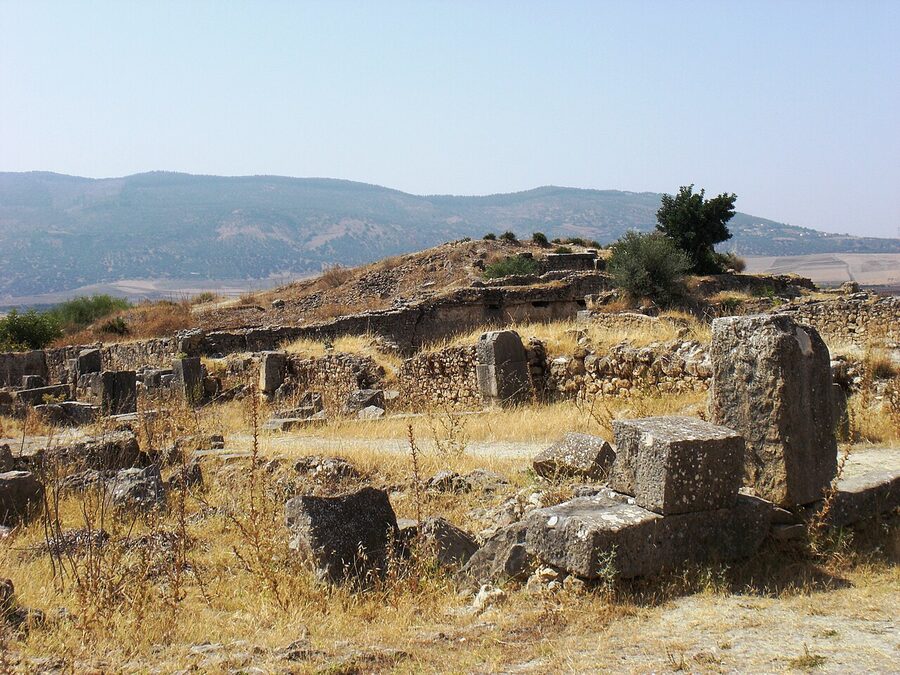
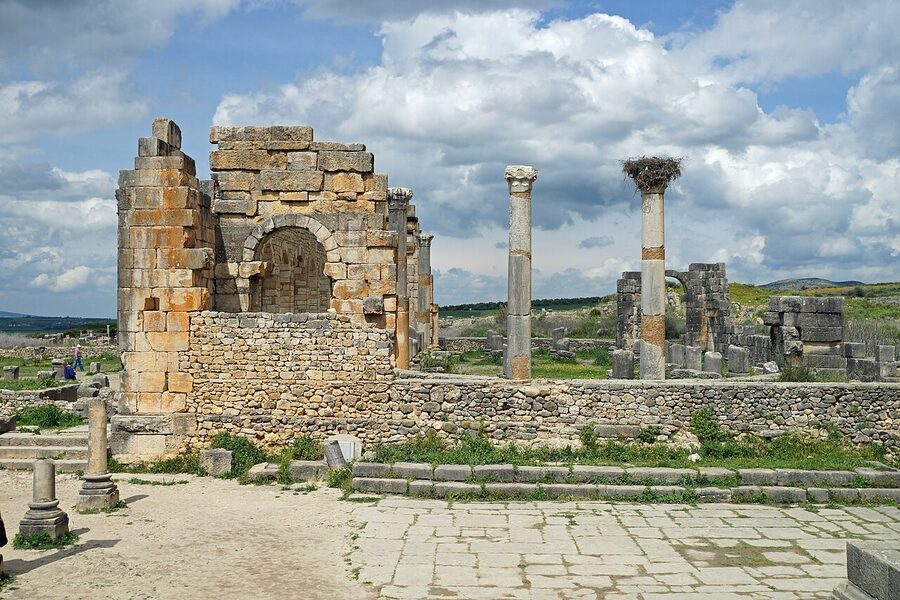
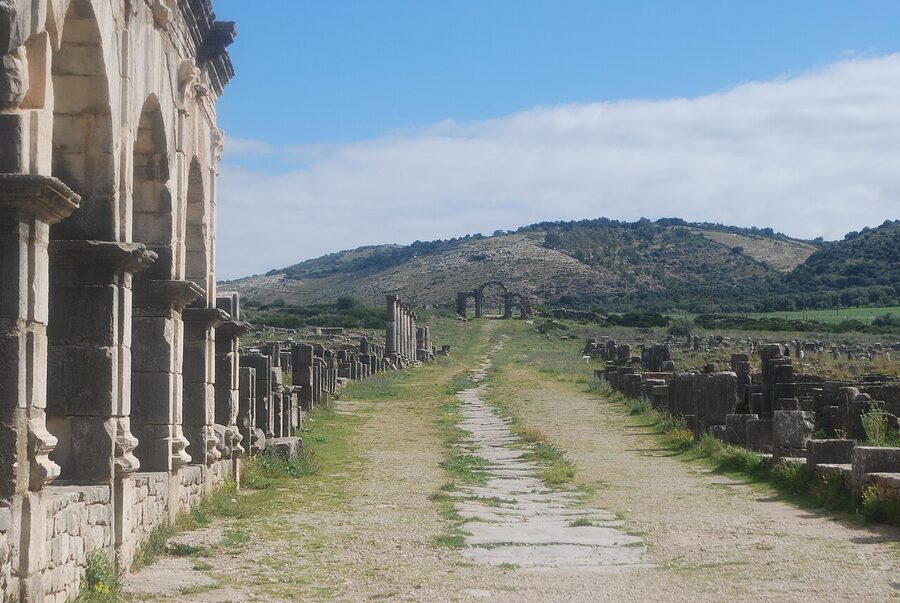
An hour’s drive north of Fez sits Volubilis, the best-preserved Roman city in Morocco. Most Fez walking tours don’t include it, but separate Volubilis + Meknes day trips are available.


.jpg)



Our Recommended Tours
1. Fez Medina Cultural Highlights — $17
GetYourGuide’s budget cultural tour — 204 reviews, 4.7-star average. 3-hour walking tour covering the main medina highlights: Bou Inania Madrasa, Chouara Tannery, Attarine Madrasa, and key souks. Group size 8-12.
At $17, the best-value Fez tour. Our full review of this cultural tour covers exactly what’s included and the pacing.
2. Exclusive Private Walking Tour — $36
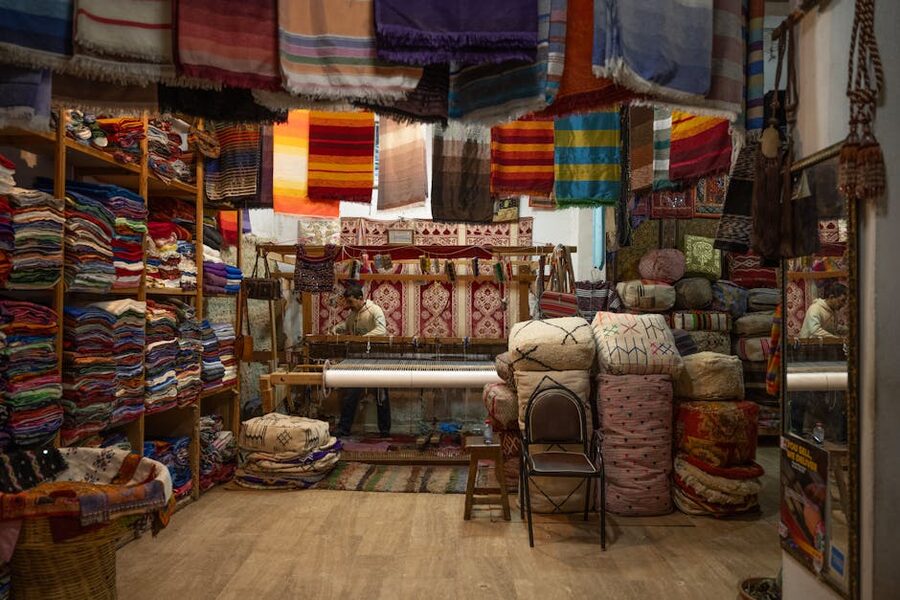
5-star rated with 392 reviews. Private guide, flexible itinerary, 4-5 hours. Covers the standard medina highlights plus deeper stops — a silversmith workshop, a carpet cooperative, a visit to a working riad.
The $19 premium over the budget option is worth it for the quality of guide attention and the flexibility to linger where you’re interested. Our review of this private tour explains what the exclusive version includes.
3. Fez Medina 4-Hour Guided Tour — $45 for up to 7
Group rate format — $45 flat for a group of up to 7 people, which works out to $6.50 per person for a full group. 248 reviews with 4.5-star average.
Best option if you’re travelling with family or a group of friends. Our review of this 4-hour group tour explains how the per-group pricing works and what the tour covers.
Practical Tips
Book a guide on day one. The medina defeats solo navigation. Every first-time visitor who tries to self-guide gets lost. Book a tour on your first day; you’ll navigate the medina confidently afterwards.
Cash for tips. 50-100 MAD for the guide at the end. Small tips (10-20 MAD) for workshop demonstrations you watch — tannery workers, weavers, etc.
Closed-toe shoes. The medina streets have animal droppings (donkeys, cats, occasional roosters), puddles, and cobblestones. Sandals and flip-flops are a mistake.
Comfortable clothes that cover. Shoulders and knees covered when entering mosques (non-Muslims can enter some madrasas but not the main mosques). General medina walking — loose, breathable clothing; modest but not head-scarf level.
Heat timing. Summer in Fez is brutally hot — 40°C+ in July-August. Winter is cool (5-15°C). Spring and autumn are the comfortable seasons.
Photography in the tanneries. Viewing terraces usually want you to buy something from the leather shop for the free viewing. 50-100 MAD for a small wallet is fair; otherwise you’ll get pressured.
Beware fake guides. Young men outside the main entrances offer to guide you for cheap rates. Some are good, most will lead you to specific shops where they earn commission. Official guides wear badges and cost more but are reliable.
Fez vs Other Moroccan Medinas
vs Marrakech Medina: Marrakech is smaller, newer (12th century), more commercial, more tourist-tailored. Fez is larger, older (9th century), more authentically medieval, less tourist-polished. Fez is the deeper cultural experience; Marrakech the easier introduction.
vs Chefchaouen: Chefchaouen is the visual day trip — blue paint, photogenic alleyways, small town. Fez is the historical dive — 1,200 years of continuous urban development. Do both if you’re in northern Morocco.
vs Essaouira: Essaouira is coastal, breezy, French-military-engineered grid. Fez is inland, dense, medieval organic. Complete opposites despite both being UNESCO medinas.
vs Casablanca: Casablanca is modern, urban, port city. Fez is traditional, walled, spiritual capital. Casablanca has one great building (Hassan II Mosque); Fez has a whole city of great buildings.
Getting There
From Casablanca: 3 hours by train (ONCF). Direct service several times daily.
From Marrakech: 6-8 hours by train (via Casablanca change). 8 hours by car direct. Flight is an alternative — Royal Air Maroc operates daily connections.
From Chefchaouen: 4 hours by road. Tours run daily as the Chefchaouen-from-Fez day trip in reverse.
Volubilis: Not accessible by public transport. Only via car rental, tour, or taxi (negotiate a full-day rate from Fez around 600-800 MAD).
Is a Fez Walking Tour Worth $17-$45?
Essential, not optional. The medina is genuinely too complex to navigate solo, and the history is too dense to absorb without a knowledgeable guide. Skipping a guided tour means missing 80% of what Fez offers.
Of the three options: $17 is excellent value for the content, $36 is worth it for private attention and flexibility, $45/7 is ideal for groups.
Building Fez Into Your Morocco Trip
Fez deserves at least 2 full days. Day 1: medina walking tour plus tannery. Day 2: madrasas in depth, plus the Jewish quarter (mellah) and a fondouk visit.
Good extension: Add a day for Volubilis + Meknes. 3 days total for the Fez region. Pair with Chefchaouen day trip as day 4.
For a full Morocco imperial cities tour: Fez (3 days) → Meknes + Volubilis day trip → Casablanca (1 day) → Rabat (1 day) → Chefchaouen (1 night) → Tangier (1 day). That covers the country’s major historic cities in 8-9 days before heading south to Marrakech and the Sahara. If you’re going on to Marrakech, save time for a hammam once you arrive — after a week of heavy walking in medieval medinas, you’ve earned it.