
The Great Pyramid of Khufu has been the tallest structure built by humans for 3,800 years — from roughly 2,560 BC until the Lincoln Cathedral in 1311 AD took the title. At 139 metres today (originally 146.5m before the polished limestone casing was looted), it’s the last remaining Wonder of the Ancient World still standing. And it’s a 20-minute Uber ride from central Cairo.
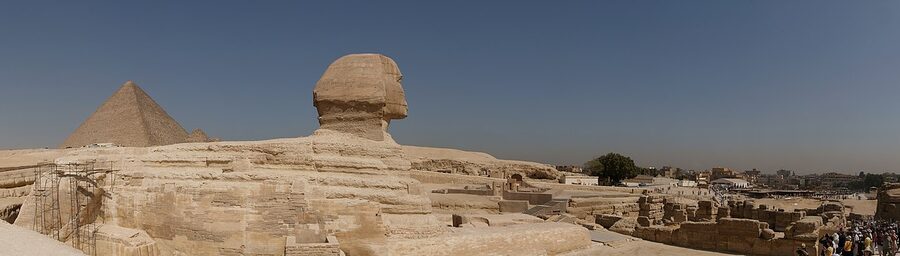
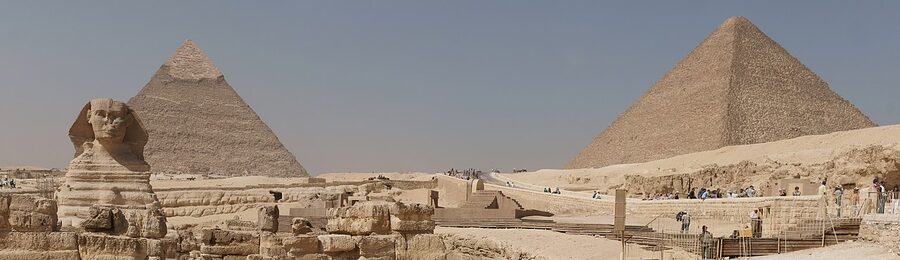
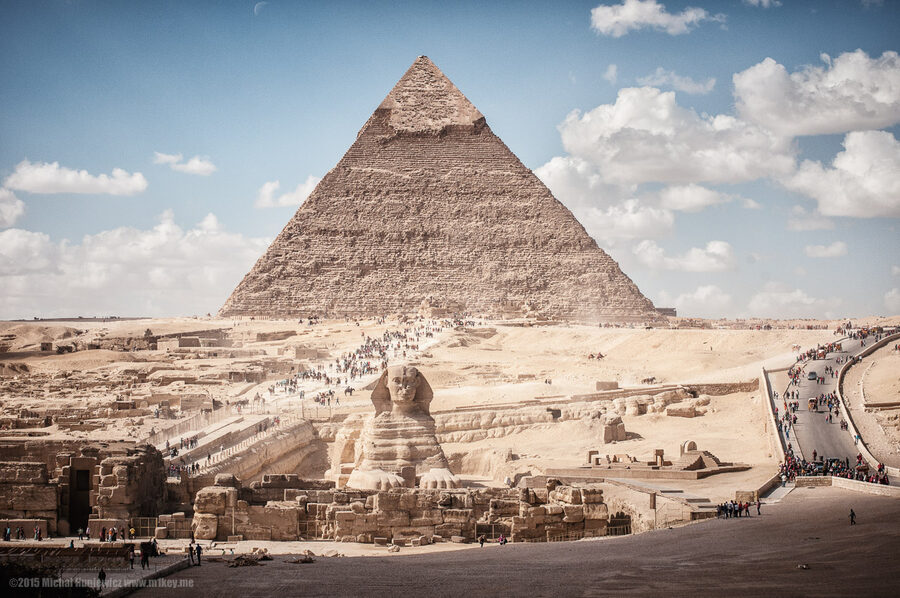
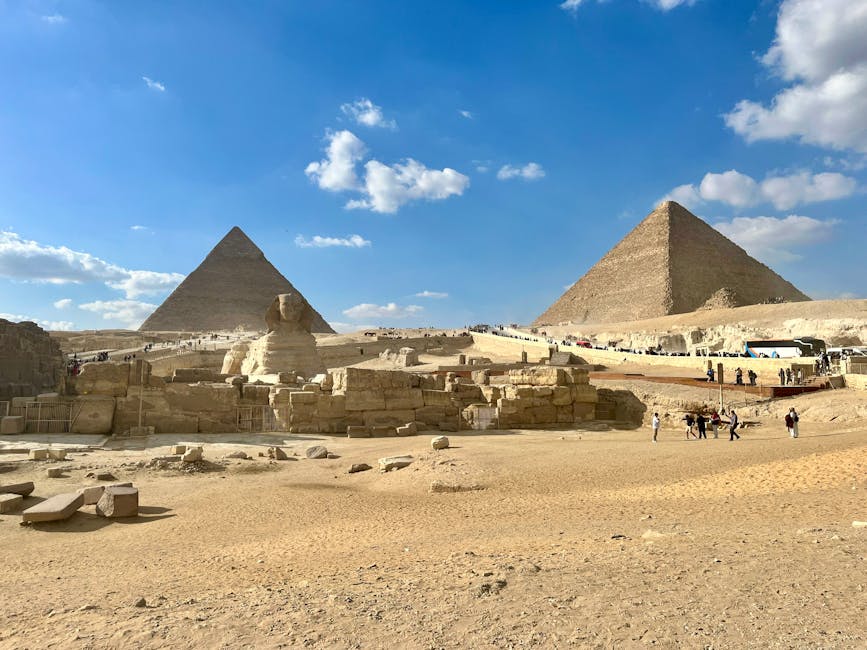
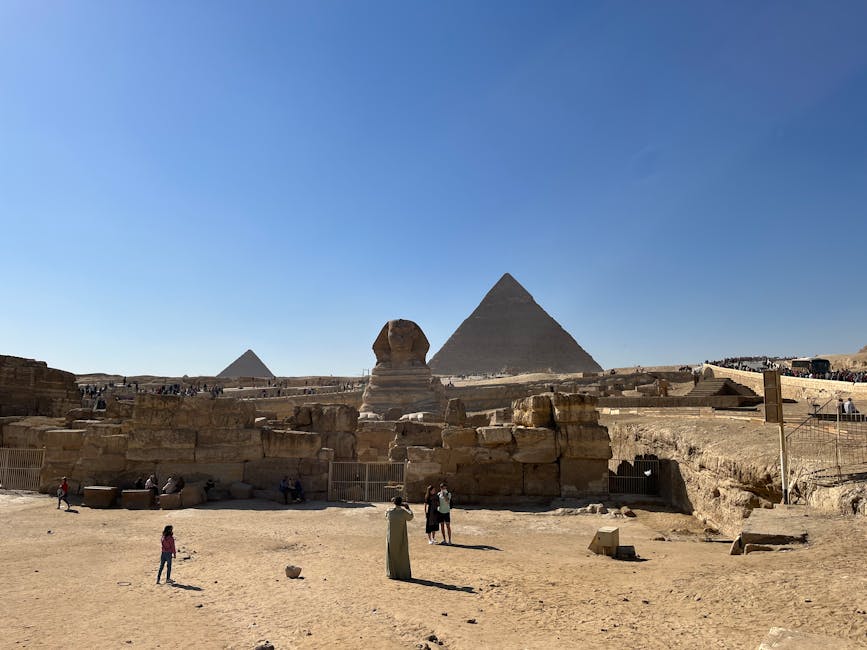
The Giza plateau holds three main pyramids (Khufu, Khafre, Menkaure), several smaller queen’s pyramids, the Great Sphinx, the Valley Temple, and various archaeological structures. The whole site is about 1.6 km², walkable in 2-3 hours.

Tour prices range from $27 for a budget Pyramids + ATV + camel combo up to $78 for the full Pyramids + Egyptian Museum + Khan el-Khalili Bazaar day tour. Most visitors book the mid-tier combo that includes the Egyptian Museum for context.
Base entry to Giza is 220 EGP ($5) for adults. Entry inside the Great Pyramid is an additional 400 EGP ($9). Most tour packages include both. The site opens 7am-5pm; first hour and last hour are dramatically less crowded.

In a Hurry? Our Top Picks
Best value — pyramids with ATV ride and camel experience. Adventure-focused tour.
Full day with museum and bazaar included. Culturally richer than the basic pyramid visit.
Premium Viator tour — 177 reviews, 5-star. Comprehensive day covering all Cairo highlights.
- The Three Main Pyramids
- The Great Pyramid of Khufu
- The Pyramid of Khafre
- The Pyramid of Menkaure
- The Great Sphinx
- Photography Angles
- Our Recommended Tours
- 1. VIP Cairo Experience: Pyramids + ATV + Camel —
- 2. Pyramids, Museum of Civilization & Old Cairo Bazaar —
- 3. Cairo Sightseeing Tour (Pyramids + Museum + Bazaar) —
- Practical Tips
- Giza vs Other Egypt Tours
- Is the Giza Tour Worth It?
- Building the Pyramids Into Your Egypt Trip
The Three Main Pyramids
Each of the three main pyramids belongs to a different pharaoh of the 4th Dynasty (around 2,600-2,500 BC). They were built as tomb complexes, with internal chambers where the pharaohs were buried.

The Great Pyramid of Khufu
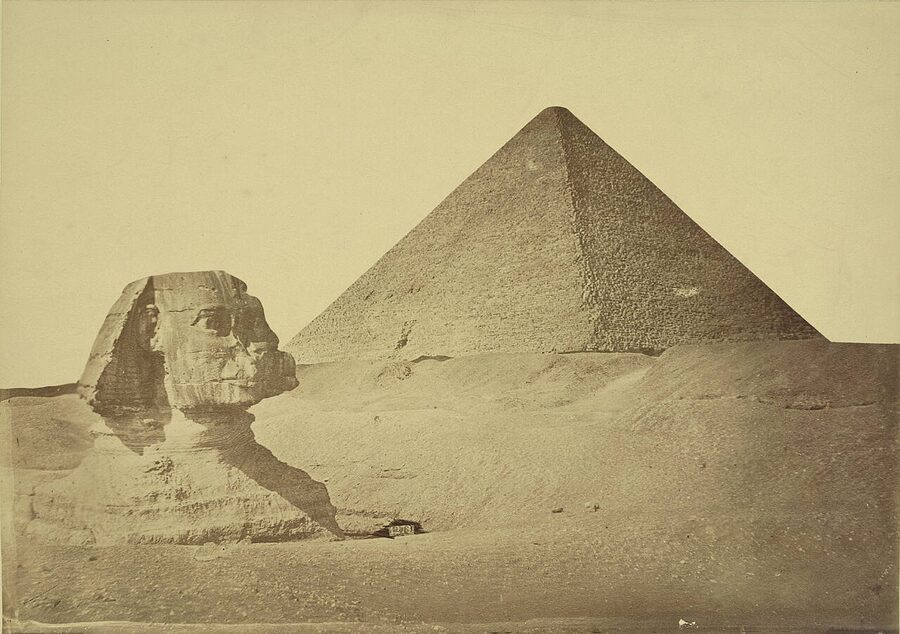
The largest and oldest of the three. Built around 2,560 BC for Pharaoh Khufu (Greek name Cheops). Originally 146.5 metres tall, now 139 metres. Contains three known chambers: the King’s Chamber, Queen’s Chamber, and underground Subterranean Chamber.
You can go inside for an extra 400 EGP. The interior ascending corridor and Grand Gallery are impressive; the King’s Chamber itself is a plain granite room. Tight spaces, limited air circulation, not for claustrophobes. 15-20 minute visit once inside.
The Pyramid of Khafre
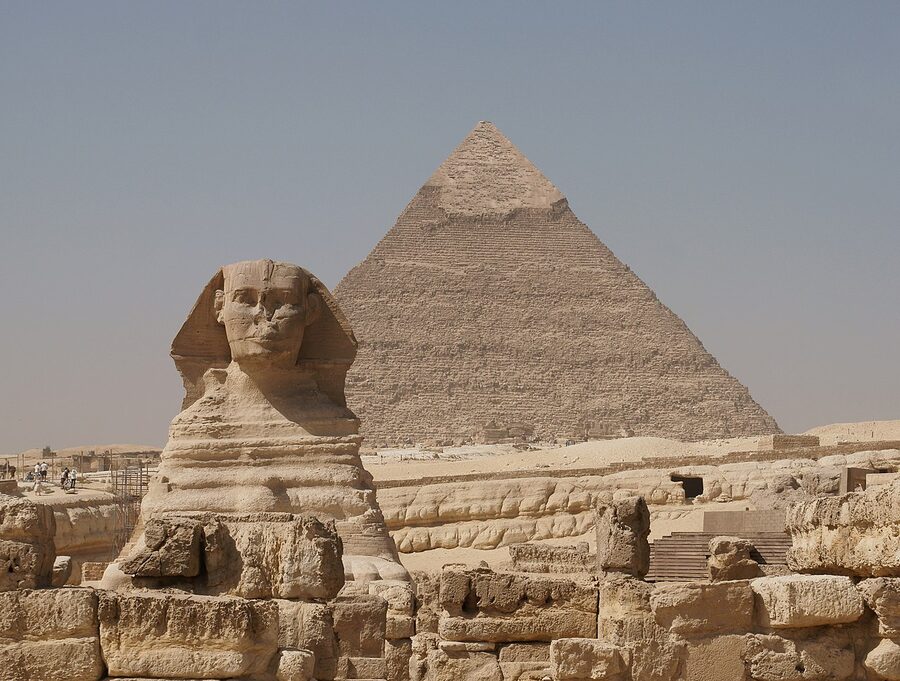
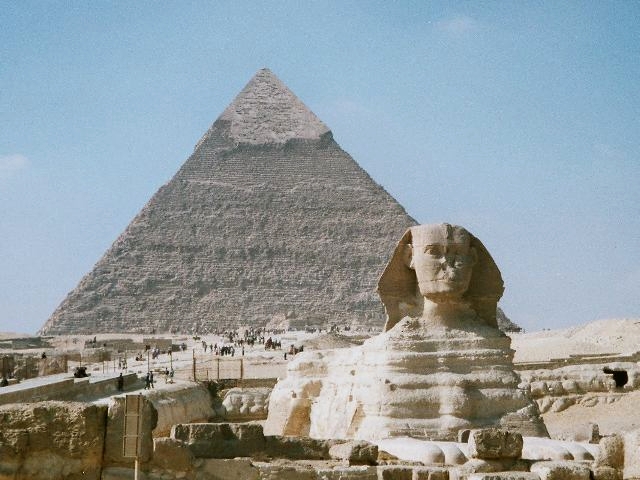
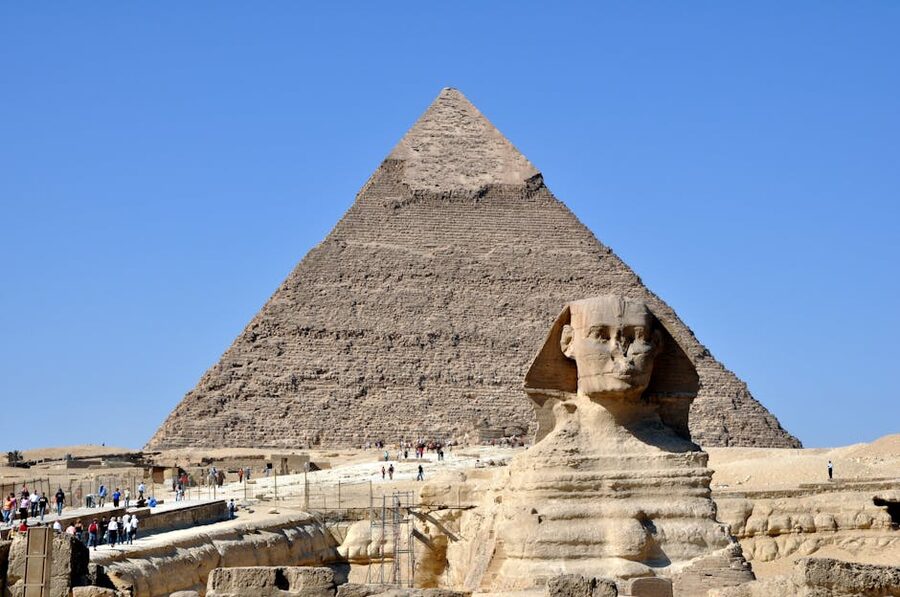
The second-largest pyramid, built by Khufu’s son Khafre. 136 metres tall, slightly smaller than Khufu but appears larger because it’s built on higher ground. The limestone casing at the top is the only remaining original casing visible on any of the main pyramids.



The Pyramid of Menkaure
The smallest of the three main pyramids, 65 metres tall. Built by Khafre’s son Menkaure around 2,490 BC. A 1750s attempt to dismantle the pyramid by Egypt’s Mamluk rulers failed after 8 months of demolition work; the vertical scar on the north face is from this effort.
The Great Sphinx
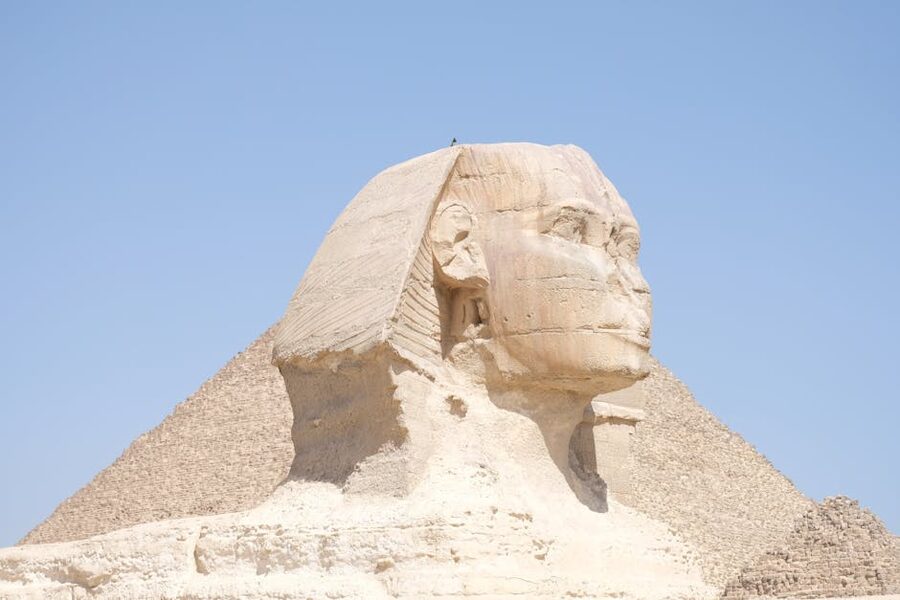
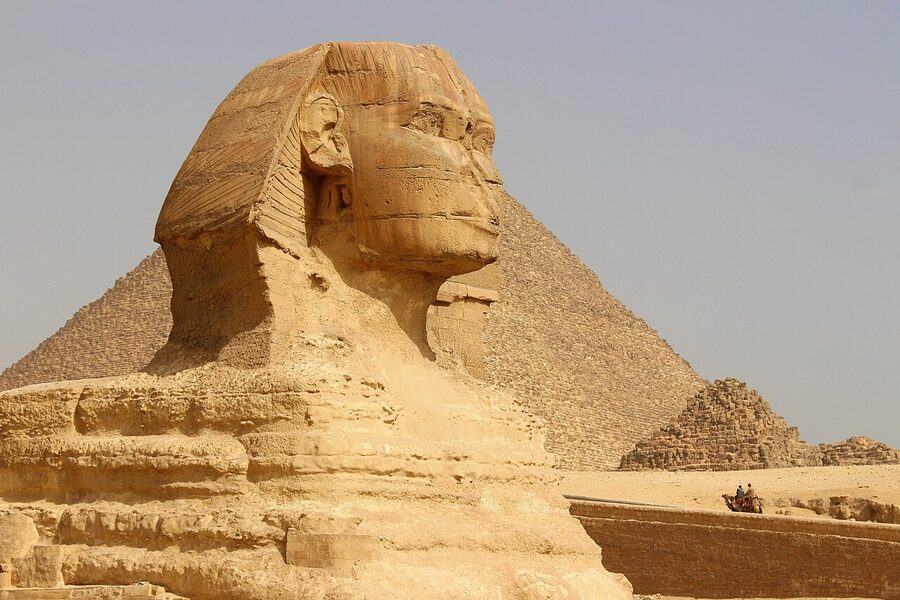
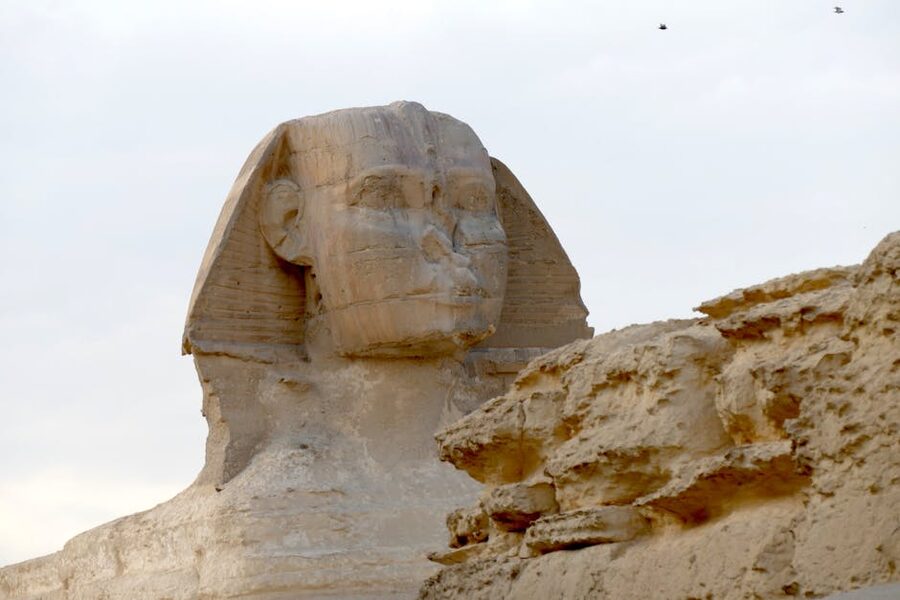
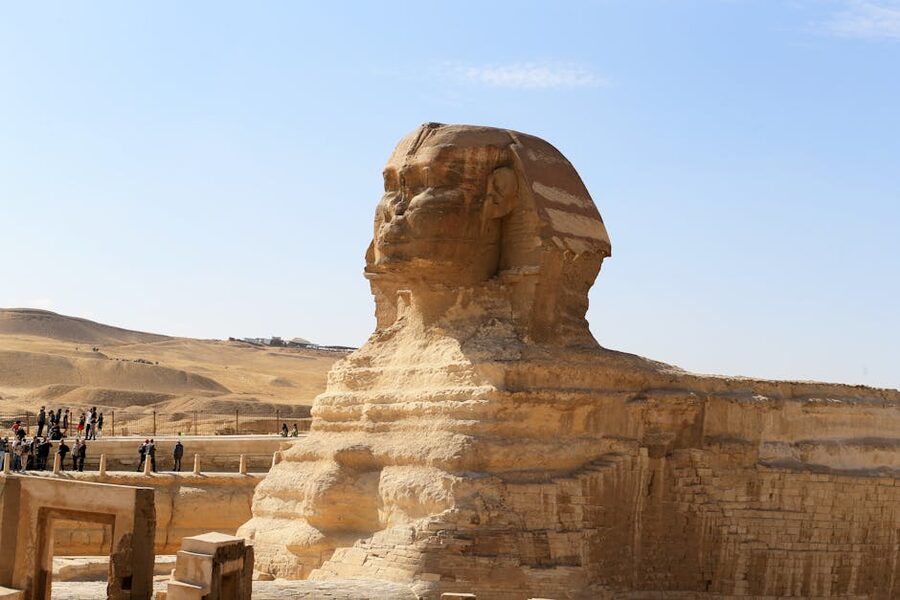
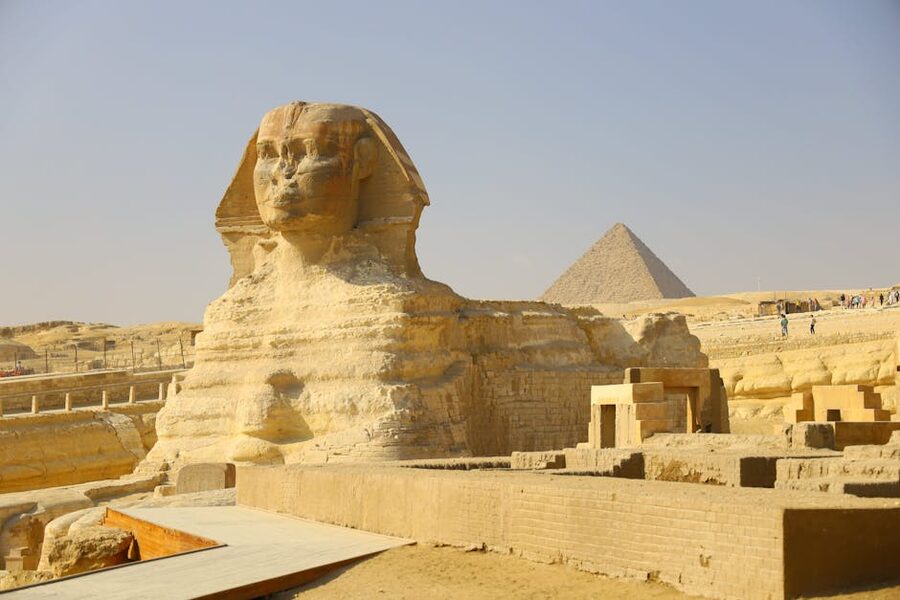
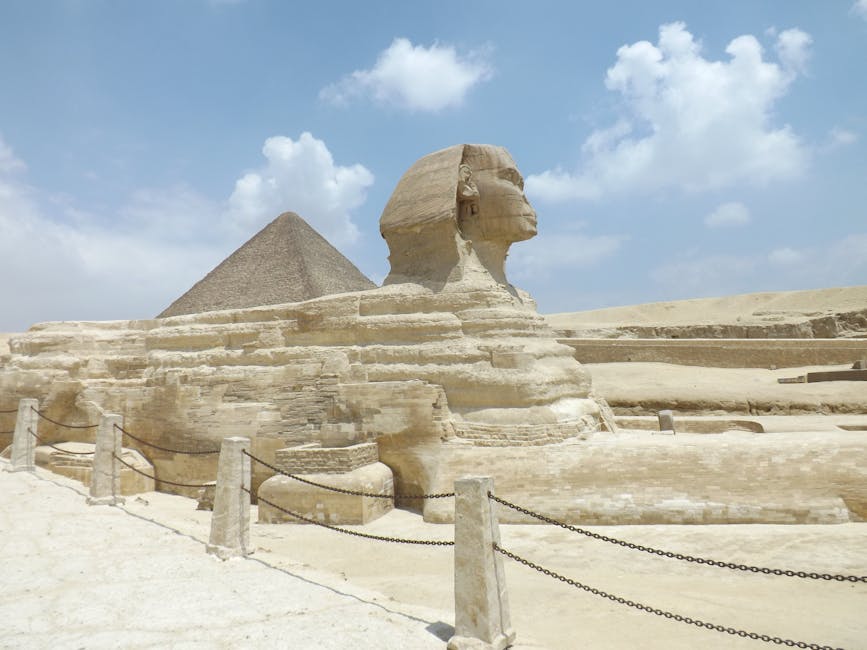
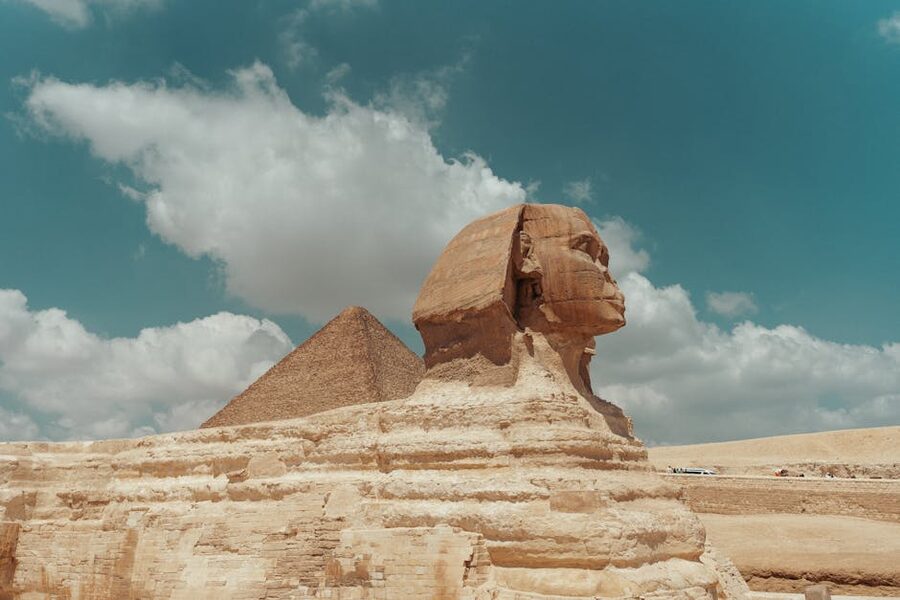
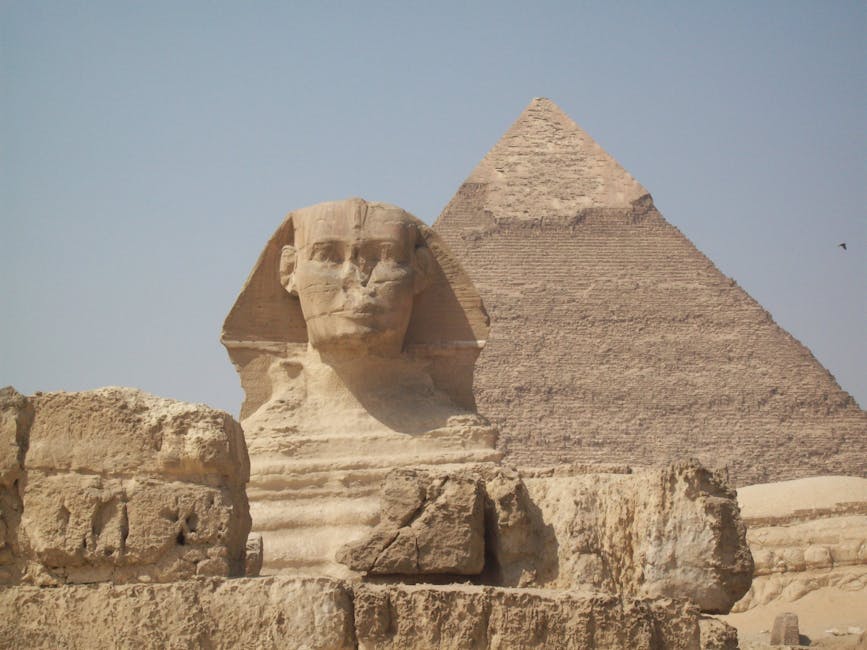
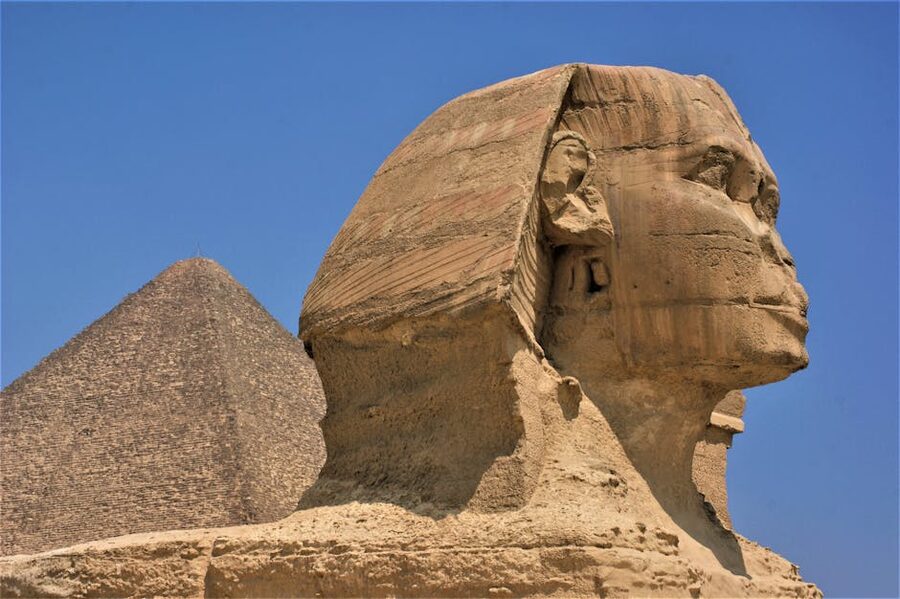
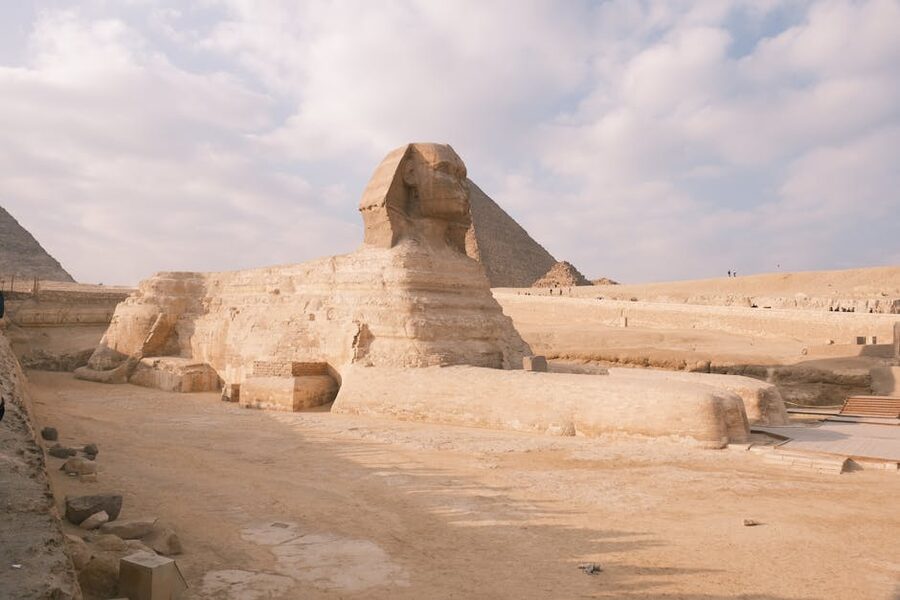
Carved from bedrock during Khafre’s reign (~2,500 BC), the Sphinx is 73 metres long and 20 metres tall. The face was likely originally painted red; traces of pigment still exist. The missing nose is famously contested — popular story says Napoleon’s troops shot it off, but the damage predates him by several centuries.


Photography Angles
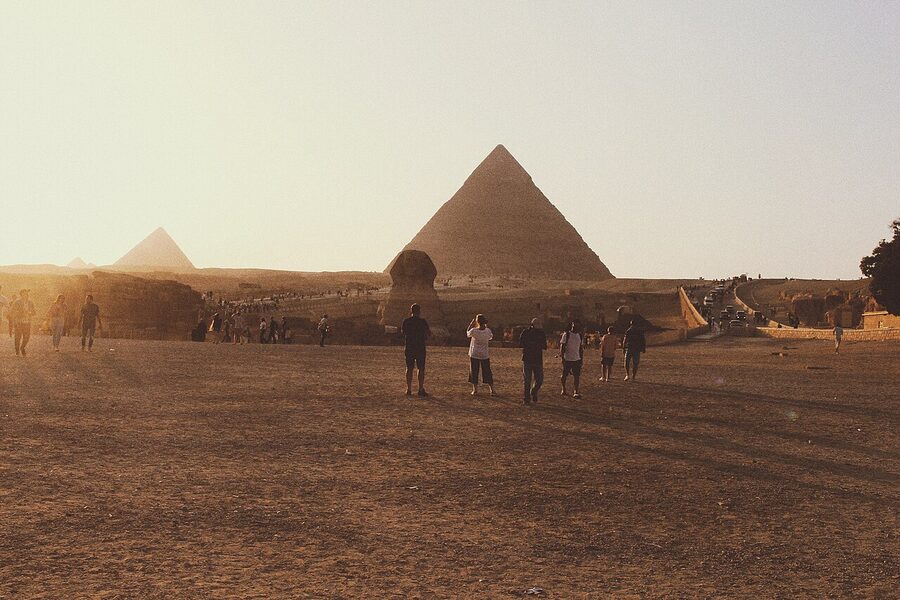
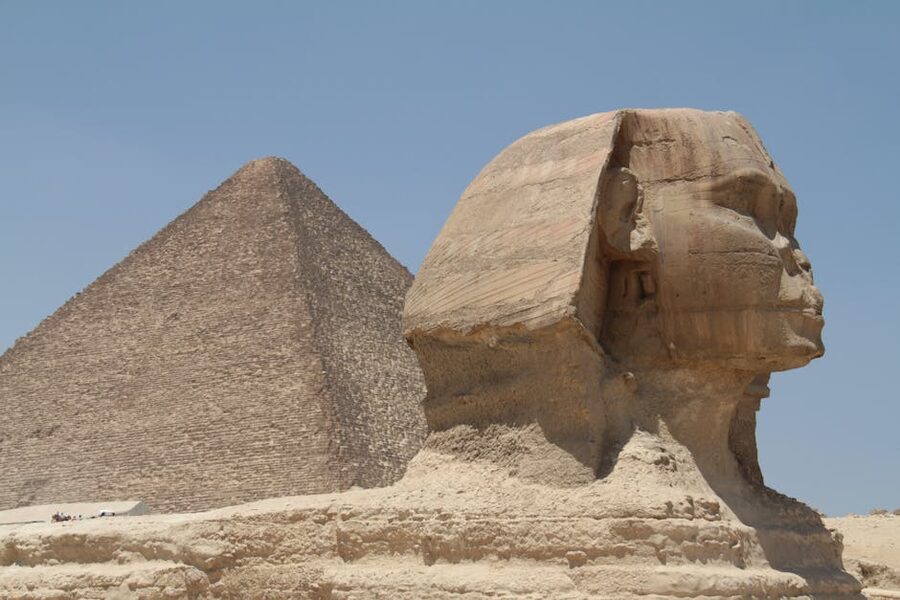
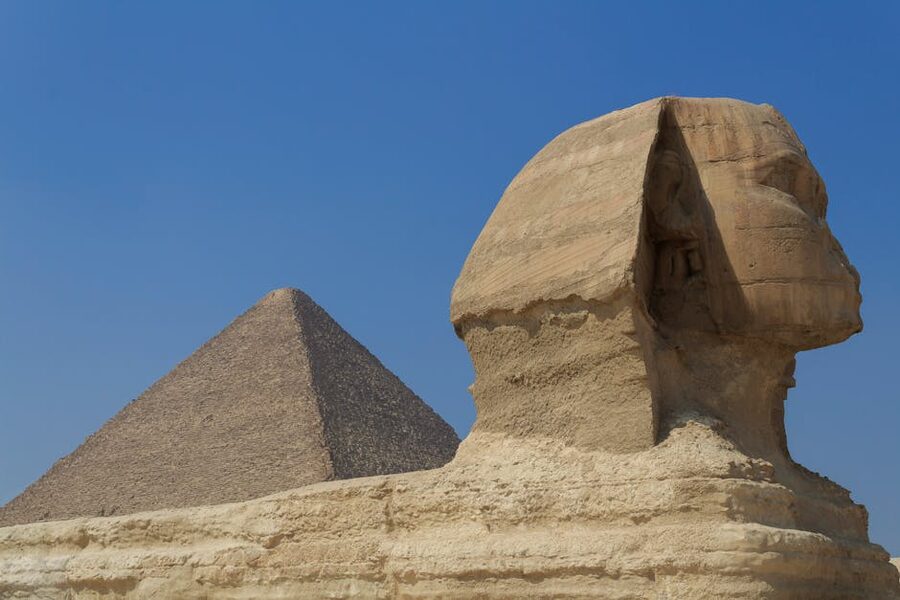
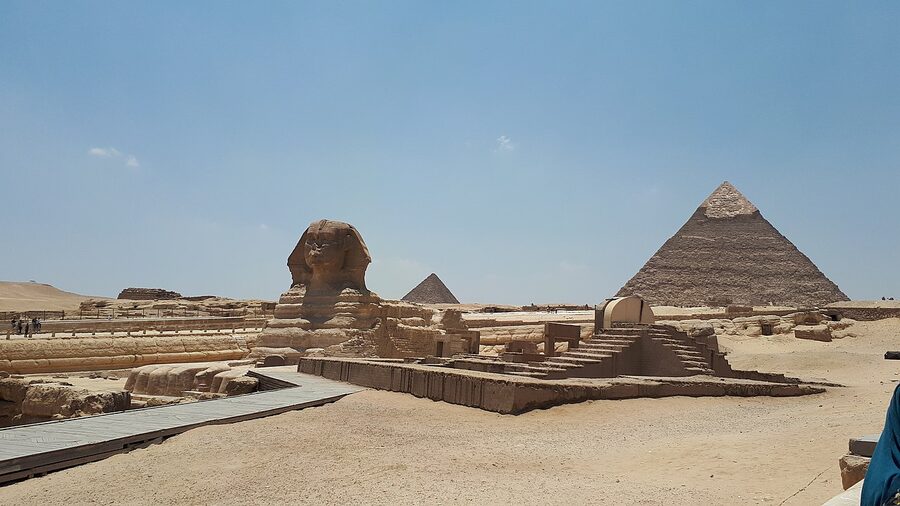
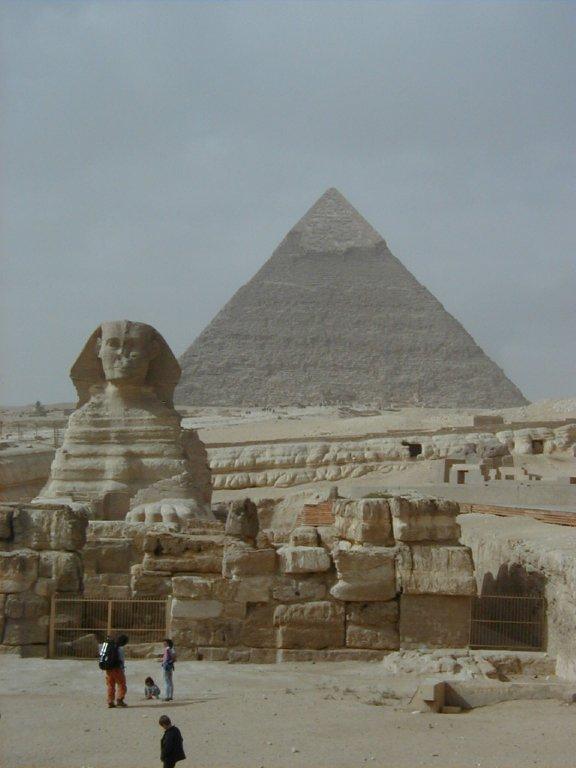
The Giza plateau is one of the most-photographed places on Earth. Classic compositions still work; experimental angles can yield distinctive shots.


Our Recommended Tours
1. VIP Cairo Experience: Pyramids + ATV + Camel — $27
The cheapest combo tour on GetYourGuide. Morning visit to the pyramids, quad bike ride around the Giza plateau, camel ride experience at the Sphinx, lunch break, and hotel transfer.
At $27, this is the budget-friendly full-day option. Our full review of this combo tour covers the full itinerary and what the ATV experience is like.
2. Pyramids, Museum of Civilization & Old Cairo Bazaar — $41
Full-day cultural tour covering the Giza Pyramids in the morning, the National Museum of Egyptian Civilization in the afternoon, and ending at Khan el-Khalili Bazaar for shopping. Includes lunch and transport.
Best option for history-focused visitors. The museum context makes the pyramids meaningful beyond the visual. Our review of this museum combo tour breaks down the day’s pacing.
3. Cairo Sightseeing Tour (Pyramids + Museum + Bazaar) — $78
Premium Viator option — 177 five-star reviews. Full-day comprehensive Cairo tour covering the Giza Pyramids, Egyptian Museum (the big one, not Civilization), and Khan el-Khalili Bazaar.
The $78 premium buys better transport, smaller groups, and more time at each stop. Our review of this premium sightseeing tour compares it to the GYG budget options.
Practical Tips
Go early. The site opens at 7am. Arrive between 7-8am to beat the tour buses. By 10am, the main viewing areas are crowded. The pyramids are 30-40 minutes from central Cairo by car.
Bring water and sun protection. The plateau has minimal shade. Water bottles, hats, sunglasses, sunscreen all essential. Cairo can be 40°C+ in summer; even winter midday can be hot.
Wear good shoes. The plateau is uneven — sand, loose stones, steep steps if you enter the Great Pyramid. Closed-toe shoes or hiking sandals.
Dress modestly. Shoulders and knees covered is standard Egyptian etiquette. Women don’t need head coverings for the Giza site but tolerable for entering mosques later.
Camel ride scams. Men offering camel rides will quote low prices then demand much more at the end. Budget 100-200 EGP total for a short ride and agree up front. Some tours include camel rides — use those if you want the photo.
“Official” photographers. Men at the pyramids offer to take photos of you in “special” positions (appearing to kiss the Sphinx, hold the pyramid, etc.). 100-200 EGP fee, often unexpected. Decline if you’re not interested; ask the price first if you are.
Tipping. Guides, drivers, photo operators all expect tips. Budget 200-500 EGP for tour extras across the day.
Photography inside the pyramid. Photography is permitted but limited by the low light. No flash allowed. Phone cameras work OK; handheld DSLR is better.
Giza vs Other Egypt Tours
vs Cairo Nile Dinner Cruise: Evening dinner cruise on the Nile — perfect follow-up to a day at the pyramids. Book them for consecutive evenings; the contrast is striking.
vs Luxor Day Trip: Luxor has different pharaonic sites — the Valley of the Kings, Karnak Temple, Luxor Temple. Both are essential for full Egyptian coverage; pair them if you have 5+ days in Egypt.
vs Nile Cruise Aswan to Luxor: The Nile cruise covers the Upper Egypt sites over 3-4 days. The Giza pyramids are in Lower Egypt near Cairo. Both are worth doing; the cruise for the temples and river, Giza for the iconic monuments.
vs Luxor Balloon Ride: Sunrise balloon over the Valley of the Kings. Different ancient Egypt experience — aerial view of Theban necropolis rather than Giza’s plateau. Ideally do both.
Is the Giza Tour Worth It?
Absolutely. The pyramids are among humanity’s most significant architectural achievements — 4,500 years old, still standing, visible from the moon, visible from the Cairo suburbs. Seeing them in person is a legitimate life experience.
Tour quality varies significantly. The $27 budget option covers the basics; the $78 Viator tour gives you real context and better access. Both are worth their respective prices.
Building the Pyramids Into Your Egypt Trip
Minimum: 1 full day in Cairo covering Giza Pyramids + Egyptian Museum. Day 2: Khan el-Khalili Bazaar, Old Cairo Coptic quarter, Nile dinner cruise.
For a fuller Egypt trip: Cairo 2-3 days (Pyramids, Museum, Islamic/Coptic Cairo), flight to Luxor, Nile cruise to Aswan (3-4 days), fly back to Cairo. Add Hurghada or Sharm el-Sheikh for a Red Sea beach extension if you want contrast.
Budget travellers: The $27 Giza tour plus a self-guided Museum day covers the essentials. Combine with a Luxor day trip if you’re already on the Red Sea coast. For the premium version, the Luxor balloon ride pairs perfectly with any Nile cruise and the Giza visit for a complete ancient-Egypt photographic record.